
Featured image for can you put aluminum foil in the air fryer
Yes, you can safely use aluminum foil in your air fryer as long as it’s placed correctly—ensuring it doesn’t block airflow or touch the heating element. Always crimp the foil tightly around food or use it in a basket liner to prevent hazards and maintain optimal cooking performance.
Key Takeaways
- Yes, you can use aluminum foil in air fryers if it’s secured and doesn’t block airflow.
- Always leave space around the foil to ensure proper hot air circulation and even cooking.
- Never cover the air fryer basket’s bottom or heating element to prevent fire hazards.
- Use foil for easy cleanup and to prevent small food items from falling through the basket.
- Avoid acidic foods with foil as they can cause chemical reactions and metallic taste.
- Check manufacturer guidelines first—some models prohibit foil use for safety reasons.
- Monitor foil during cooking to prevent it from melting or catching fire at high temps.
📑 Table of Contents
- Can You Put Aluminum Foil in the Air Fryer Safely
- Understanding How Air Fryers Work
- Is Aluminum Foil Safe in the Air Fryer?
- How to Use Aluminum Foil Safely in Your Air Fryer
- Alternatives to Aluminum Foil: When to Use What
- Data Table: Air Fryer Foil Use – Dos and Don’ts
- Conclusion: Smart Foil Use for Better Air Frying
Can You Put Aluminum Foil in the Air Fryer Safely
The air fryer has revolutionized home cooking, offering a healthier alternative to deep frying while delivering crispy, golden results. From perfectly roasted vegetables to succulent chicken wings, this compact appliance uses rapid air circulation to cook food quickly and evenly. However, as air fryer usage becomes more widespread, so do questions about best practices—particularly around the use of materials like aluminum foil. Can you put aluminum foil in the air fryer? It’s a common query among both new and seasoned users, and the answer isn’t as straightforward as it might seem.
While aluminum foil is a kitchen staple for grilling, baking, and even microwave use, its compatibility with air fryers requires a more nuanced understanding. Misuse can lead to uneven cooking, safety hazards, or even damage to your appliance. But when used correctly, foil can be a game-changer—simplifying cleanup, enhancing browning, and enabling creative cooking techniques. This comprehensive guide dives deep into the science, safety, and practical applications of using aluminum foil in your air fryer. Whether you’re wrapping a delicate fish fillet, preventing cheese from dripping onto the basket, or trying to keep your air fryer clean, we’ll cover everything you need to know to do it safely and effectively.
Understanding How Air Fryers Work
The Science Behind Rapid Air Circulation
To determine whether aluminum foil is safe in an air fryer, it’s essential to understand how these appliances function. Unlike traditional ovens or microwaves, air fryers rely on convection heating powered by a high-speed fan and a powerful heating element located at the top of the unit. When you turn on the air fryer, hot air is rapidly circulated around the food at speeds up to 1,500 RPM, creating a crisp, fried-like texture without the need for excessive oil. This process is similar to a mini convection oven but with much faster airflow.
Visual guide about can you put aluminum foil in the air fryer
Image source: airfryereats.com
The cooking basket is designed with perforations to allow hot air to flow through from all angles—top, bottom, and sides. This 360-degree exposure is what gives air-fried foods their signature crunch. However, this airflow is highly sensitive to obstruction. Any material that blocks or disrupts the circulation can lead to uneven cooking, longer cooking times, or even overheating of certain components.
Why Material Choice Matters
Because air fryers depend on uninterrupted airflow, the materials you place inside—especially those in direct contact with food or the heating system—must be carefully considered. Materials that are non-conductive, non-reflective, and porous (like parchment paper or silicone) are generally safe. But metals like aluminum foil behave differently. Foil is conductive, meaning it can transfer heat quickly, but it’s also reflective, which can scatter or block hot air. If placed incorrectly, it can create hot spots, shield food from airflow, or even cause electrical arcing in rare cases.
Moreover, air fryers operate at high temperatures—typically between 300°F and 400°F (150°C to 205°C). At these temperatures, aluminum foil remains stable and non-toxic, but its physical placement becomes critical. For example, crumpled foil at the bottom of the basket can block airflow, while foil that touches the heating element (even indirectly) can pose a fire risk.
Is Aluminum Foil Safe in the Air Fryer?
Yes, But With Important Conditions
The short answer is: Yes, you can use aluminum foil in the air fryer—but only if you follow specific guidelines. Unlike microwaves, where metal can cause sparks and damage, air fryers are designed to handle small amounts of metal, including foil, as long as it doesn’t interfere with airflow or come into direct contact with the heating element.
According to the U.S. Food and Drug Administration (FDA), aluminum foil is safe for cooking at high temperatures, and it’s commonly used in grills, ovens, and even sous vide setups. The key is how you use it. Foil should never cover the entire bottom of the basket or block the sides, as this disrupts the essential airflow. Instead, it should be used in limited, strategic ways that support—rather than hinder—the cooking process.
Potential Risks of Improper Foil Use
- Blocked Airflow: Covering the basket base or sides with foil prevents hot air from circulating, leading to soggy or undercooked food. For example, wrapping a whole chicken in foil and placing it in the basket will trap steam and prevent crisping.
- Overheating and Fire Hazard: If foil touches or comes too close to the heating coil (usually at the top), it can overheat, melt, or ignite. This is especially true if oil or grease drips onto the foil and catches fire.
- Electrical Arcing (Rare): In older or poorly designed models, crumpled foil near electrical components may cause arcing. Modern air fryers have safety features to prevent this, but caution is still advised.
- Chemical Leaching (Minimal Risk): While aluminum can leach into food during prolonged high-heat cooking, studies show this occurs in negligible amounts. The risk is significantly lower than with acidic foods stored in aluminum containers for days.
To mitigate these risks, always use foil sparingly and ensure it’s secured in a way that doesn’t shift during cooking. A loose foil packet can flutter into the heating element when the fan is running.
How to Use Aluminum Foil Safely in Your Air Fryer
Step-by-Step Best Practices
Using foil in your air fryer doesn’t have to be risky. Follow these best practices to ensure safe and effective results:
- Use Foil Only in the Basket: Never place foil on the heating element, fan, or any internal component. Keep it strictly within the cooking basket or tray.
- Create a Foil “Liner” (Not a Full Cover): Cut a piece of foil slightly smaller than the basket base. Place it on the bottom, but leave at least 1 inch of clearance around the edges to allow airflow. This helps catch drips without blocking circulation.
- Use Foil for Wrapping or Packets: Wrap delicate foods like fish, vegetables, or stuffed chicken breasts in foil packets. Poke a few small holes in the top to allow steam to escape and ensure even cooking.
- Secure Loose Edges: Crimp the foil tightly around food or use small weights (like a heat-safe stone or ceramic tile) to prevent it from flapping during cooking.
- Avoid Foil on the Tray or Rack: If your air fryer has a multi-level rack, avoid covering it entirely with foil. Instead, use foil to line only the parts where drips occur.
- Check Manufacturer Guidelines: Some brands, like Philips, Ninja, and Cosori, explicitly allow foil use, while others may recommend against it. Always consult your user manual.
Practical Examples and Use Cases
Here are real-world scenarios where aluminum foil can enhance your air fryer cooking:
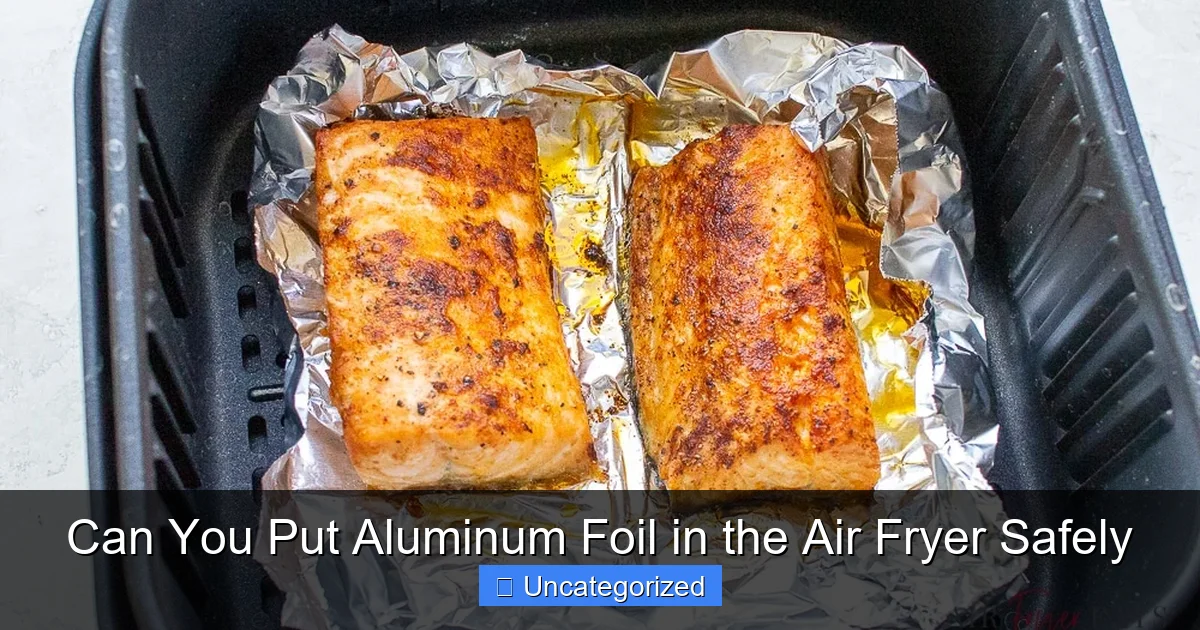
- Fish Fillets: Wrap a salmon fillet in foil with a drizzle of lemon juice, herbs, and olive oil. Seal the edges and cook at 375°F for 12–15 minutes. The foil prevents sticking and keeps the fish moist while allowing the top to crisp slightly.
- Cheesy Stuffed Mushrooms: Place mushrooms in a foil-lined basket to catch cheese drips. This keeps the basket clean and prevents smoke from burnt cheese.
- Roasted Potatoes: Toss diced potatoes with oil and spices, spread them on a foil-lined basket, and cook at 400°F for 20 minutes. Flip halfway for even browning.
- Reheating Leftovers: Place a foil packet of leftover pizza or fried chicken in the air fryer at 350°F for 5–7 minutes. The foil helps retain moisture while reheating crisply.
- Grilled Vegetables: Wrap zucchini, bell peppers, and onions in foil with garlic and herbs. Cook at 380°F for 15 minutes for tender, flavorful results.
Pro Tip: For extra crispiness, remove the foil during the last 2–3 minutes of cooking to allow direct exposure to air.
Alternatives to Aluminum Foil: When to Use What
Parchment Paper: The Safer, Non-Stick Option
While aluminum foil is effective, parchment paper is often a safer and more versatile alternative. Made from silicone-coated paper, it’s heat-resistant up to 450°F (230°C) and allows airflow while preventing sticking. Unlike foil, it doesn’t conduct heat aggressively, so it’s less likely to create hot spots.
Best for: Lining the basket for sticky foods (like marinated chicken), baking cookies, or roasting vegetables. Cut parchment to fit the basket, and poke small holes to enhance airflow. Some brands even make pre-cut, perforated air fryer liners.
Silicone Mats and Reusable Liners
Reusable silicone baking mats (like those from Silpat) are another excellent option. They’re non-stick, heat-resistant, and dishwasher-safe. Unlike foil, they don’t crumple or shift during cooking.
Best for: Frequent air fryer users who want eco-friendly, long-term solutions. Use them for roasting, baking, or reheating. Ensure the mat fits your basket and doesn’t block airflow.
Perforated Baking Trays and Grill Baskets
Many air fryers come with or support perforated trays or grill baskets that elevate food and allow air to circulate underneath. These are ideal for small items like shrimp, tofu cubes, or Brussels sprouts.
Best for: Foods that need even exposure to air and are prone to falling through basket holes. Combine with a foil liner underneath to catch drips.
When Foil Is Still the Best Choice
Despite these alternatives, foil remains unmatched for certain tasks:
- Creating Sealed Packets: Only foil can create an airtight seal for steaming fish or vegetables.
- Reflecting Heat: Foil can be used to shield delicate parts of food (like chicken wings) from over-browning while allowing other areas to crisp.
- Quick Cleanup: For messy foods like saucy ribs or cheese-heavy dishes, a foil liner saves scrubbing time.
Data Table: Air Fryer Foil Use – Dos and Don’ts
| Scenario | Safe? | Why/Why Not |
|---|---|---|
| Foil on bottom of basket (edges clear) | Yes | Allows airflow; catches drips |
| Foil covering entire basket base | No | Blocks airflow; causes uneven cooking |
| Foil touching heating element | No | Fire hazard; risk of melting |
| Foil-wrapped fish (with holes) | Yes | Retains moisture; allows steam escape |
| Crumpled foil at basket bottom | No | Disrupts airflow; may flutter into fan |
| Foil on multi-level rack (partial) | Yes | Only if gaps allow air circulation |
| Foil with acidic foods (e.g., lemon chicken) | Yes (short-term) | Minimal leaching in short cook times |
| Foil used to shield food (e.g., wing tips) | Yes | Prevents over-browning; safe if secured |
Conclusion: Smart Foil Use for Better Air Frying
So, can you put aluminum foil in the air fryer safely? The answer is a resounding yes—when done correctly. Aluminum foil is a valuable tool in the air fryer kitchen, offering benefits like easier cleanup, moisture retention, and creative cooking techniques. However, its use demands attention to airflow, placement, and safety. By avoiding common pitfalls—such as blocking vents, touching the heating element, or using foil haphazardly—you can harness its advantages without risk.
Remember the golden rule: Foil should support the air fryer’s design, not interfere with it. Use it to line, wrap, or shield, but never to obstruct. Pair it with alternatives like parchment paper or silicone mats when appropriate, and always follow your manufacturer’s guidelines. Whether you’re roasting a weeknight salmon, reheating leftovers, or experimenting with foil-packet meals, a little knowledge goes a long way in ensuring delicious, safe results every time.
With the right approach, aluminum foil can be more than just a kitchen helper—it can be a secret weapon for air fryer mastery. So go ahead, line that basket, wrap that fish, and enjoy the crispy, golden outcomes you’ve always wanted—safely and confidently.
Frequently Asked Questions
Can you put aluminum foil in the air fryer safely?
Yes, you can put aluminum foil in the air fryer, but it must be used correctly to avoid safety hazards. Always ensure the foil is tightly secured and doesn’t block airflow or touch the heating element.
Is it safe to use aluminum foil in an air fryer basket?
It’s generally safe if the foil is weighed down with food and doesn’t cover more than 75% of the basket to maintain airflow. Avoid loose foil, which can lift and cause sparks or fire.
What are the risks of using aluminum foil in an air fryer?
The main risks include restricted airflow, uneven cooking, or potential fire if foil contacts the heating element. Always monitor the air fryer when using foil for the first time.
Can you put aluminum foil in the air fryer for messy foods?
Yes, using aluminum foil in the air fryer is great for catching drips from greasy foods like bacon or chicken wings. Just ensure the foil is pressed flat and doesn’t block the air vents.
Does aluminum foil affect air fryer cooking performance?
When used properly, foil won’t significantly impact performance, but it may slightly reduce crispiness if it covers too much surface area. Use perforated foil or leave space around edges for optimal results.
Can you use aluminum foil in an air fryer instead of parchment paper?
Aluminum foil can replace parchment paper in many cases, especially for high-heat cooking, but it’s less non-stick. Lightly grease the foil or use it for foods that won’t stick easily.