Can You Put Oil in an Air Fryer
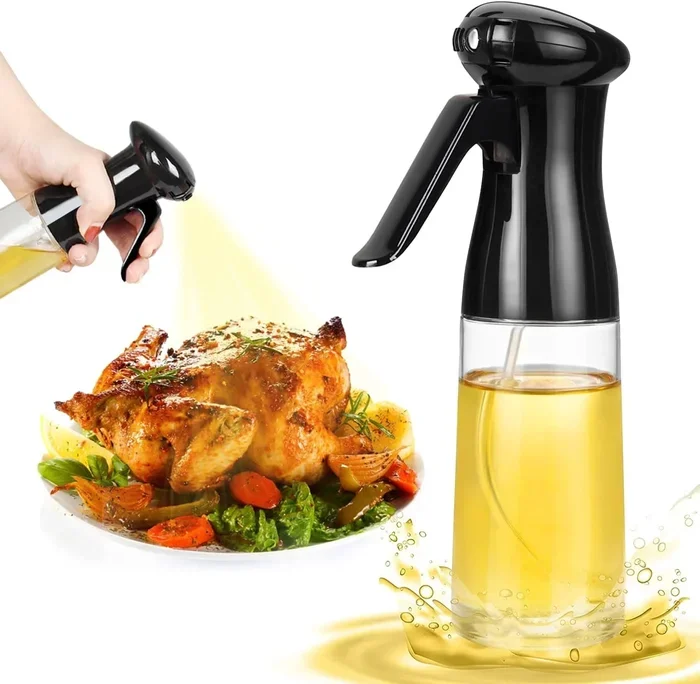
Featured image for air fryer oil spray
Image source: m.media-amazon.com
Yes, you can put oil in an air fryer, and doing so correctly is the secret to achieving that deep-fried crunch without the guilt. This guide covers the best high-smoke-point oils, proper application techniques like misting or tossing, and critical safety tips to prevent smoke and damage to your machine.
[FEATURED_IMAGE_PLACEHER]
So, you just unboxed your shiny new countertop convection oven, or maybe you’ve had one for a while but still hesitate when a recipe says “toss with oil.” The big question lingers: can you put oil in an air fryer without breaking it or setting off the smoke alarm? The short answer is a resounding yes. In fact, using a small amount of fat is often the difference between “meh” results and restaurant-quality crunch.
Think of your air fryer like a tiny, incredibly efficient convection oven. It circulates superheated air rapidly to dehydrate the surface of food, creating a crust. Oil acts as the heat conductor and flavor bridge between that hot air and your food. Without it, you are essentially hot-air drying your dinner. With too much, you are shallow frying in a basket with holes. The sweet spot is surprisingly small, and mastering it changes everything.
Key Takeaways
- Oil is optional but recommended: A light coating improves browning, crispiness, and flavor compared to cooking completely dry.
- Smoke point is king: Always use oils with high smoke points (avocado, light olive oil, grapeseed) to prevent burning and toxic fumes at 400°F.
- Never use aerosol sprays: Propellants in non-stick cooking sprays (like PAM) ruin the non-stick coating on your air fryer basket over time.
- Application method matters: Toss food in a bowl with oil before loading, or use a refillable pump mister for even coverage without pooling.
- Less is more: You only need 1-2 teaspoons for most batches; excess oil drips into the drawer, causing smoke and difficult cleanup.
- Frozen foods often need no added oil: Pre-fried frozen items (fries, nuggets) already contain enough oil to crisp up perfectly.
- Clean the drip tray regularly: Old oil residue is the #1 cause of white smoke during cooking; wash the drawer after every use.
📑 Table of Contents
- The Short Answer: Yes, But Technique Is Everything
- Why Use Oil in an Air Fryer? The Science of Crisp
- The Best Oils for Air Frying: Smoke Point Is Non-Negotiable
- How to Apply Oil: The Right Tools and Techniques
- Specific Scenarios: When to Oil and When to Skip
- Common Mistakes That Ruin Food (And Your Machine)
- Cleaning and Maintenance: Keeping Your Air Fryer Healthy
- Health Perspective: Is Air Frying With Oil Actually Healthy?
- Advanced Tips: Flavor Infusion and Pro Moves
- Conclusion: Master the Mist, Master the Machine
The Short Answer: Yes, But Technique Is Everything
Let’s get straight to the point using the inverted pyramid method: you absolutely can and often should put oil in an air fryer. It is not only safe; it is necessary for the Maillard reaction—that glorious chemical process that gives browned food its distinctive flavor.
However, the way you introduce that oil determines success or failure. Pouring oil directly into the basket bottom is a rookie mistake. It bypasses the food, drips through the perforations, pools in the drawer, and burns. The correct method? Coat the food before it hits the basket. Toss vegetables or proteins in a bowl with a teaspoon of oil, or use a refillable mister. This ensures the oil stays on the food where it belongs, facilitating heat transfer and crisping, rather than burning on the heating element below.
Did You Know? The “Fried” Illusion
Did you know? Air fryers don’t actually “fry” food. Frying requires submersion in hot fat (conduction heat transfer). Air fryers use forced convection (hot air circulation). Oil in an air fryer mimics the surface dehydration of deep frying, but the calorie difference is massive—typically 70% to 80% less fat than traditional deep frying, according to data from the Cleveland Clinic.
Why Use Oil in an Air Fryer? The Science of Crisp
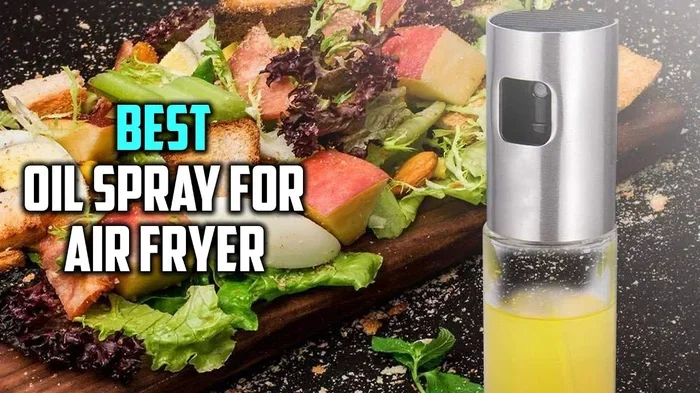
If the machine works by blowing hot air, why add fat at all? Can’t you just skip it for zero calories? You can, but you’ll likely be disappointed. Here is the “Why” behind the oil.
Visual guide about air fryer oil spray
Image source: i.ytimg.com
Heat Conduction vs. Convection
Air is a terrible conductor of heat compared to liquid or solid metal. That is why you can stick your hand in a 400°F oven for a few seconds, but 400°F oil would cause instant, severe burns. Oil creates a microscopic, continuous layer on the food’s surface. It fills the microscopic valleys and peaks of a potato wedge or chicken thigh. This layer conducts the intense heat of the circulating air evenly across the entire surface area, driving off moisture rapidly and uniformly. Without it, the air hits high spots, burns them, while low spots stay soggy.
The Maillard Reaction and Flavor
Remember high school chemistry? The Maillard reaction happens between amino acids and reducing sugars, usually requiring temps above 280°F (140°C). Oil helps the food surface reach and maintain that temperature quickly. It also carries fat-soluble flavor compounds. A brushed-on herb-infused oil delivers rosemary or garlic flavor deep into the crust in a way dry seasoning simply cannot.
Preventing the “Leather” Effect
Ever air fry chicken breast with zero oil? It often comes out with a texture resembling old shoe leather—dry, tough, and chewy. A thin lipid barrier slows moisture evaporation from the interior muscle fibers just enough to keep the inside juicy while the outside crisps. It is the culinary equivalent of wearing a light jacket in a windstorm; you stay protected without overheating.
The Best Oils for Air Frying: Smoke Point Is Non-Negotiable
This is the single most critical technical spec you need to know. Air fryers routinely run at 375°F to 400°F (190°C to 200°C). If your oil starts smoking at 350°F, you aren’t cooking; you are burning oil, creating bitter flavors, free radicals, and potentially damaging your machine’s heating element.
Visual guide about air fryer oil spray
Image source: m.media-amazon.com
Top Tier: The High Heat Champions (400°F+ Smoke Point)
- Avocado Oil (Refined): ~520°F. The gold standard. Neutral flavor, incredibly stable, healthy fat profile. Expensive but worth it.
- Light/Refined Olive Oil: ~465°F. Not Extra Virgin! “Light” refers to flavor/color, not calories. Great Mediterranean flavor without the burn.
- Grapeseed Oil: ~420°F. Neutral, high in polyunsaturated fats, very affordable.
- High Oleic Sunflower/Safflower Oil: ~450°F. Bred for stability. Excellent all-rounders.
- Refined Coconut Oil: ~450°F. Adds a faint sweetness; solid at room temp so melt it first.
Middle Ground: Use With Caution (350°F – 400°F)
- Extra Virgin Olive Oil (EVOO): ~375°F. Right on the edge. Fine for 350°F roasting veggies, risky for 400°F fries. Save the good stuff for finishing drizzles.
- Butter: ~300°F-350°F. Burns fast. Clarify it (ghee) to raise the smoke point to 485°F, or mix 50/50 with a high-heat oil.
- Unrefined Sesame Oil: ~350°F. Flavor bomb, but low heat tolerance. Add in the last 2 minutes or use as a finishing oil.
The “Do Not Use” List
- Flaxseed Oil, Walnut Oil, Wheat Germ Oil: Extremely low smoke points. These are nutritional supplements, not cooking oils. They turn rancid and toxic instantly under air fryer heat.
- Aerosol Cooking Sprays (PAM, generic brands): This is the #1 way people ruin air fryer baskets. The lecithin and propellants (propane/butane) create a sticky, polymerized varnish on non-stick coatings that is nearly impossible to remove. It voids warranties on many brands (Ninja, Cosori, Instant Pot explicitly warn against this).
Analogy: The Sunscreen Rule
Think of oil smoke points like SPF sunscreen. You wouldn’t wear SPF 15 (EVOO) for a day in the Sahara desert (400°F air fryer). You need SPF 50+ (Avocado/Refined Olive) to prevent “sunburn” (smoking/burning). Match the protection to the environment.
How to Apply Oil: The Right Tools and Techniques
Now that you have the right oil, how do you get it on the food without making a mess? The goal is a microscopic, even film—not a puddle.
Method 1: The Bowl Toss (Best for Veggies, Fries, Wings)
- Place cut food in a large mixing bowl.
- Drizzle 1-2 teaspoons of oil over the top.
- Add seasonings.
- Toss vigorously with tongs or hands until every piece looks dull/matte, not shiny/wet.
- Transfer to basket. Leave excess oil in the bowl!
Pro Tip: For fries, soak cut potatoes in cold water 30 mins first. Dry thoroughly. Then toss with oil. Removing surface starch + oil coating = maximum crunch.
Method 2: The Refillable Oil Mister (Best for Proteins, Delicate Items)
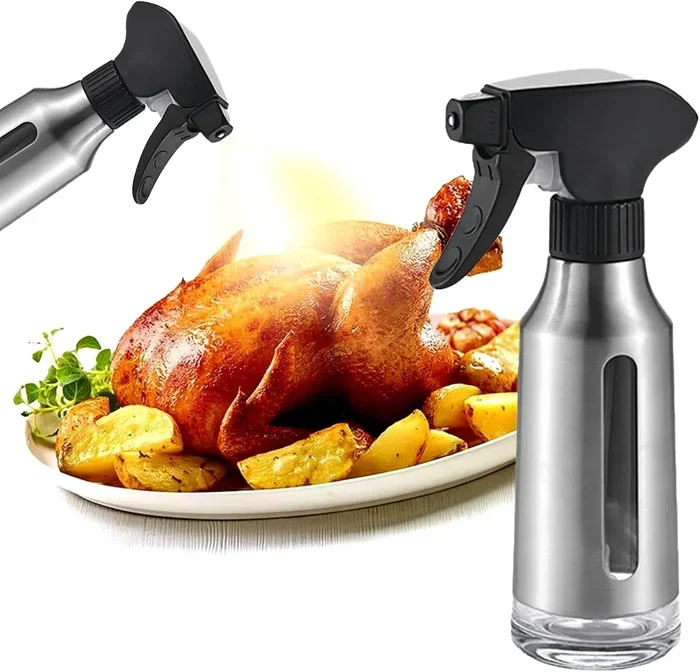
Buy a glass or stainless steel pump mister (like Misto or Evo). Fill with your chosen oil. Pump 10-15 times to pressurize. Hold 6-8 inches away and spray in a sweeping motion.
- Why not aerosol? As mentioned, propellants ruin baskets.
- Why pump vs trigger? Pump sprayers create a finer, more consistent mist without sputtering large droplets.
- Clean it: Run hot soapy water through the mechanism weekly to prevent clogs/rancidity.
Method 3: Silicone Brush (Best for Flat Items, Marinades)
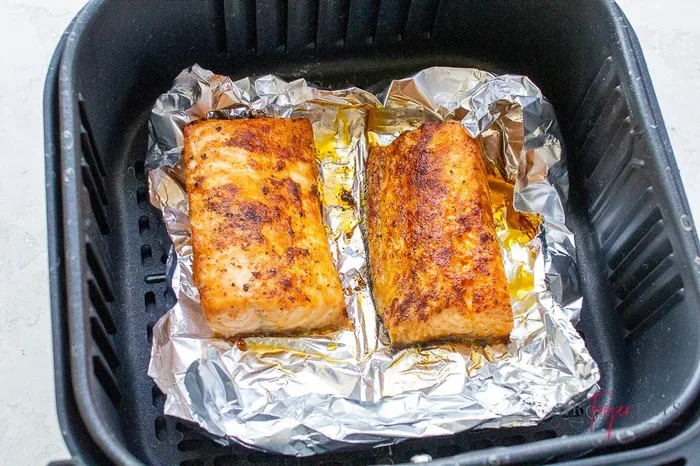
Brush oil directly on salmon fillets, burger patties, or tofu slabs. Great for applying marinades where you want the oil to carry spices into the meat. Silicone brushes withstand heat, don’t shed bristles, and clean instantly.
Method 4: The “Parchment Packet” Trick (Zero Mess)
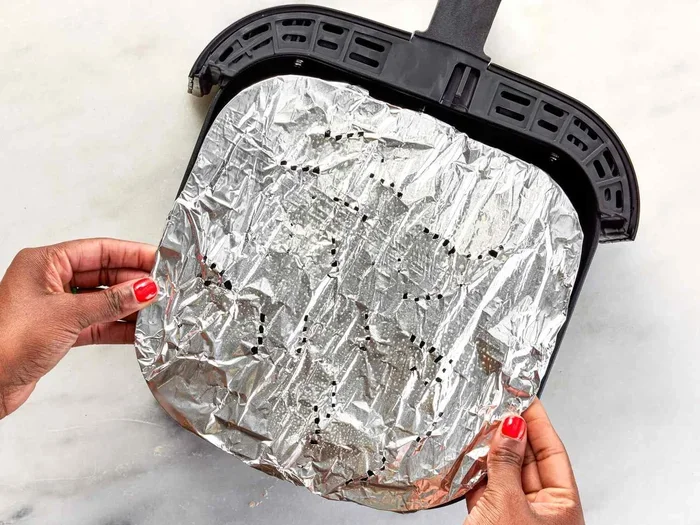
For super delicate fish or heavily marinated meats: Cut parchment paper to fit the basket (with holes for airflow). Place food on paper. The paper catches drips, prevents sticking, and makes cleanup 5 seconds. Crucial: Never preheat with just parchment inside—it flies up into the heating element. Food must weigh it down.
Specific Scenarios: When to Oil and When to Skip
Context matters. “Can you put oil in an air fryer” changes answer slightly based on what you are cooking.
Fresh Vegetables (Potatoes, Broccoli, Brussels, Carrots)
Always oil. 1 tsp per pound. Toss in bowl. High heat (380-400°F). Shake halfway. The oil drives off water content for crisp edges.
Fresh Proteins (Chicken, Steak, Pork, Tofu)
Always oil. Brush or mist. Helps browning (Maillard) and prevents sticking to the basket grid. For chicken skin, pat dry thoroughly, oil skin side heavily, air fry skin side up. The oil fries the skin into crackling.
Frozen Pre-Fried Foods (Fries, Tots, Nuggets, Onion Rings)
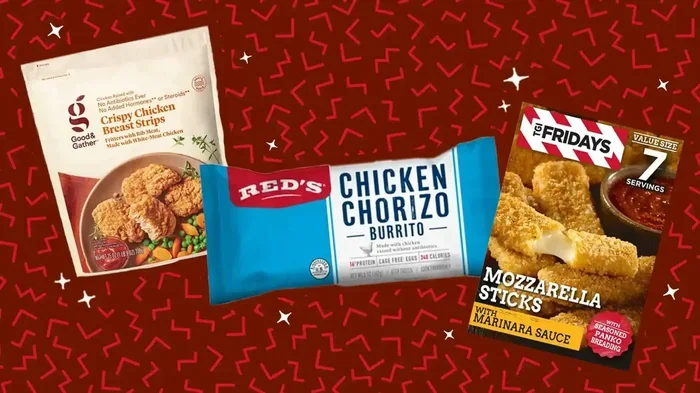
Usually NO added oil needed. These were par-fried at the factory. They have enough residual oil to re-crisp. Adding more makes them greasy. Exception: Budget brands that look dry/pale—mist lightly.
Frozen Raw Proteins (Raw Breaded Chicken, Raw Burgers)
Mist lightly. The breading needs a little help to brown evenly since it hasn’t been pre-fried.
Baked Goods (Cookies, Cakes, Muffins)
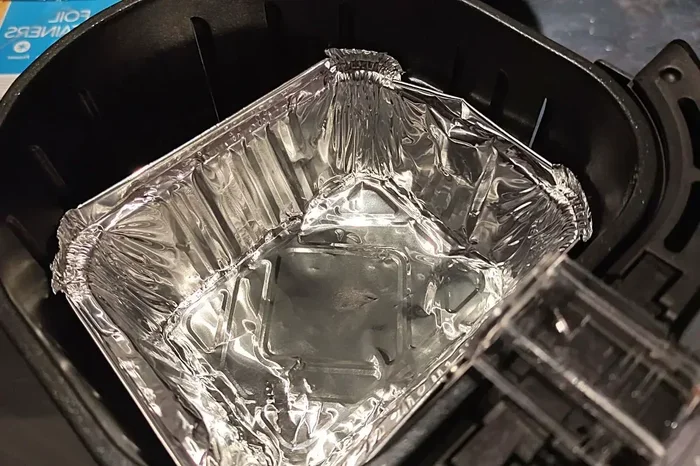
Oil the pan/liner, not the batter usually. Use parchment liners or silicone cups. If using the bare basket/pan, brush with oil or line with foil.
Bacon and High-Fat Meats
No added oil. They render their own fat. Critical: Add 1/4 cup water to the bottom drawer (under the basket) before cooking bacon/sausage. The water keeps the dripping fat cool, preventing white smoke from burning grease.
Common Mistakes That Ruin Food (And Your Machine)
Learning can you put oil in an air fryer is easy; avoiding these pitfalls separates novices from pros.
Mistake 1: Using Aerosol Non-Stick Spray
We cannot stress this enough. The lecithin additive creates a sticky polymer layer on non-stick coatings (Teflon, ceramic, stainless) when heated repeatedly. It turns the basket “gummy.” Food sticks more over time. The coating degrades. Fix: Buy a $10 refillable mister. Problem solved forever.
Mistake 2: Overcrowding the Basket
Air fryers need airflow. If food touches, steam traps between pieces. You get steamed, soggy food with oil-soaked contact points. Rule: Cook in a single layer with gaps. Batch cook. It takes 10 mins longer total but results are infinitely better.
Mistake 3: Pouring Oil Into the Empty Basket/Drawer
Oil belongs on food. If you pour it in the bottom, it hits the 400°F metal instantly, smokes, burns, and creates a fire hazard/cleaning nightmare. The heating element is usually directly above the drawer; burning oil fumes coat it, causing permanent smoke smells.
Mistake 4: Skipping the “Shake” or “Flip”
Hot air comes from the top (usually). The bottom side of food cooks slower. Shake basket or flip pieces halfway through. This redistributes oil and ensures 360° crisping.
Mistake 5: Using Cold Oil on Cold Food in a Cold Basket
While not dangerous, preheating the air fryer (3 mins at target temp) creates an instant sear when food hits the basket. Cold start = longer cook time = more moisture loss = drier food.
Mistake 6: Ignoring the Drip Tray
Oil will drip. If you cook bacon Tuesday and veggies Wednesday without washing the drawer, Tuesday’s bacon fat burns at 400°F Wednesday. White smoke fills kitchen. Wash drawer/basket after every use. Most are dishwasher safe.
Cleaning and Maintenance: Keeping Your Air Fryer Healthy
Oil residue is the enemy of longevity. Here is the maintenance routine.
Daily: The 60-Second Wash
- Remove basket and drawer/pan.
- Hot water, dish soap, non-scratch sponge.
- Focus on the mesh/holes in the basket—clogged holes kill airflow.
- Dry thoroughly before reassembling.
Weekly: The Deep Clean (Degrease)
- Soak basket/drawer in hot water + degreasing dish soap (Dawn Powerwash style) + 1 cup vinegar for 20 mins.
- Scrub heating element area (cooled!) with damp cloth + soft brush. Do not submerge main unit.
- Check the heating coil for baked-on grease splatter. Gently scrape with plastic spatula if needed.
Monthly: The “Check-Up”
- Inspect non-stick coating for peeling/scratches. If damaged, replace basket (usually $15-$30) – ingesting coating flakes is bad news.
- Clean the exterior vent holes with a vacuum brush attachment. Dust buildup restricts intake airflow, causing overheating.
- Test the “shake” mechanism (if drawer style) for smooth sliding.
Removing Polymerized Oil (The Sticky Varnish)
If you used aerosol spray and have the gummy residue: Make a paste of Baking Soda + Water (3:1). Coat basket. Let sit 1 hour. Scrub with non-scratch pad. Repeat. For stubborn spots, Bar Keepers Friend (oxalic acid) works on stainless/metal baskets—never on non-stick coating.
Health Perspective: Is Air Frying With Oil Actually Healthy?
Let’s address the elephant in the room. You bought an air fryer for health. Adding oil feels counterintuitive.
The Calorie Math
Deep frying a large potato absorbs ~50g fat (450 calories). Air frying the same potato with 1 tsp (5g) oil adds 40 calories. That is a 90% reduction in added fat. You control the oil quality (avocado vs mystery seed oil blend at a restaurant) and quantity.
Acrylamide Reduction
High-heat cooking of starches creates acrylamide, a potential carcinogen. Studies (like those from the FDA and EFSA) show air frying produces up to 90% less acrylamide than deep frying, partly because less oil means less heat transfer medium for the reaction, and shorter cook times at lower oil volumes.
Nutrient Retention
Water-soluble vitamins (C, B) leach into boiling water. Fat-soluble vitamins (A, D, E, K) need fat for absorption. Air frying with a tiny bit of healthy oil preserves water-soluble nutrients (no boiling water) and makes fat-soluble ones bioavailable. It is arguably the superior cooking method for nutrient density.
Advanced Tips: Flavor Infusion and Pro Moves
Once you master the basics, oil becomes a flavor delivery vehicle.
Infused Oils (Make Your Own)
Don’t buy expensive infused oils. Warm 1 cup avocado oil with 4 smashed garlic cloves, 2 sprigs rosemary, 1 tsp chili flakes on low stove heat 10 mins. Cool. Strain. Store in dark bottle. Use in mister. Instant gourmet upgrade for $0.50.
Compound Butter Finishing
Mix softened butter + herbs + lemon zest + garlic. Roll in parchment log. Freeze. Slice a pat onto steak/veg/chicken last 60 seconds of air frying. The residual heat melts it into a sauce. Uses minimal fat for maximum impact.
The “Double Fry” Technique for Fries
1. Cut fries. Soak 30 mins. Dry well. Toss 1 tsp oil.
2. Air fry 325°F for 12 mins (cooks interior).
3. Rest 10 mins (crucial – lets surface dry).
4. Increase to 400°F. Toss with another 1/2 tsp oil (optional).
5. Fry 5-8 mins until golden.
Result: McDonald’s style crisp shell, fluffy interior. The rest period lets starch retrograde, creating micro-bubbles that shatter on second fry.
Reheating Leftovers: The Oil Refresh
Day-old pizza? Fries? Fried chicken? Mist very lightly with oil before reheating at 350°F for 3-5 mins. The oil re-crisp the crust/starch matrix that sogged out in the fridge. It tastes freshly made.
Conclusion: Master the Mist, Master the Machine
So, can you put oil in an air fryer? Absolutely. It is not just permitted; it is the secret handshake of the air fryer club. The difference between a soggy, pale vegetable medley and a caramelized, crunchy masterpiece is often just a single teaspoon of avocado oil and a good toss in a bowl.
Remember the hierarchy: Right oil (high smoke point), right tool (mister or bowl toss), right amount (teaspoons, not tablespoons), right place (on the food, not in the drawer). Avoid aerosol sprays like the plague—they are the silent killer of non-stick baskets. Keep your drip tray clean to prevent smoke.
Your air fryer is essentially a convection oven on steroids. Treat the oil like a high-performance lubricant for your food’s surface. Use it with respect and precision, and you will unlock textures and flavors that rival deep frying at a fraction of the calories, cost, and cleanup. Happy air frying!
Frequently Asked Questions
Can you put oil directly in the air fryer basket drawer?
No, you should never pour oil directly into the bottom drawer or basket base. The oil will drip through the perforations, pool under the heating element, burn, create smoke, and become a fire hazard. Always coat the food itself in a separate bowl or use a mister before placing it in the basket.
What happens if you use olive oil in an air fryer at 400 degrees?
Extra Virgin Olive Oil (EVOO) has a smoke point around 375°F. At 400°F, it will likely smoke, burn, and impart a bitter, acrid flavor to your food. It can also polymerize on your basket coating. Use “Light” or “Refined” Olive Oil (smoke point ~465°F) or Avocado Oil for high-temp air frying instead.
Do you need oil for frozen french fries in an air fryer?
Generally, no. Most frozen french fries, tater tots, and nuggets are pre-fried at the factory and contain enough residual oil to crisp up perfectly in the air fryer. Adding extra oil often makes them greasy or causes excessive smoke. Only mist lightly if the product appears very dry or uncoated.
Why does my air fryer smoke when I use oil?
Smoke usually happens for three reasons: 1) You used an oil with a low smoke point (like EVOO or butter) at high heat. 2) Excess oil dripped into the bottom drawer and is burning on the hot metal. 3) You have old grease residue from previous cooks in the drawer. Clean the drawer, use high-smoke-point oil, and apply less oil directly to the food.
Can I use PAM or aerosol cooking spray in my air fryer?
You should absolutely avoid aerosol cooking sprays (like PAM). The propellants and lecithin in these sprays create a sticky, gummy residue that ruins the non-stick coating on air fryer baskets permanently. Use a refillable pump mister filled with your own high-heat oil instead.
How much oil should I put in an air fryer for chicken wings?
For 2 lbs of chicken wings, you only need about 1 to 2 tablespoons of oil total. Pat the wings extremely dry first (crucial for crisp skin), then toss them in a bowl with the oil and seasoning (baking powder helps too). Arrange in a single layer with space between pieces for the air to circulate.