

Featured image for can you put plastic in air fryer
Image source: fryerhouse.com
No, you should never put plastic in an air fryer—high temperatures can melt or warp most plastics, releasing harmful chemicals into your food. Only use air fryer-safe, heat-resistant containers like silicone, glass, or metal to ensure safety and avoid damage to your appliance.
Key Takeaways
- Never use regular plastic: It melts and releases toxins in high heat.
- Only use air fryer-safe containers: Look for heat-resistant, BPA-free silicone or glass.
- Check manufacturer guidelines: Verify which materials are approved for your model.
- Avoid plastic wraps and bags: They can catch fire or warp under intense heat.
- Opt for metal or parchment: Safer, reusable alternatives for lining baskets.
- Monitor temperature settings: Keep below 400°F to prevent accidental melting.
📑 Table of Contents
- Can You Put Plastic in an Air Fryer? The Truth You Need to Know
- Understanding How Air Fryers Work (And Why It Matters)
- The Risks of Putting Plastic in Your Air Fryer
- What Types of Plastic Are (and Aren’t) Safe?
- Safe Alternatives to Plastic in Your Air Fryer
- Real-World Examples: What Happens When You Use Plastic?
- Data Table: Common Kitchen Plastics and Their Heat Resistance
- Conclusion: Keep Plastic Out of Your Air Fryer—For Good
Can You Put Plastic in an Air Fryer? The Truth You Need to Know
Let’s be honest—air fryers have changed the game in our kitchens. From crispy fries to juicy chicken wings, these handy appliances make cooking faster, easier, and (dare we say) healthier than traditional frying. But with great convenience comes great responsibility—especially when it comes to what you can and can’t put in your air fryer.
One question I get all the time—especially from new air fryer users—is: “Can you put plastic in an air fryer?” Maybe you’ve seen a recipe that uses a plastic container, or you’re thinking of reusing a takeout box. Or perhaps you just want to save time by not washing extra dishes. Whatever the reason, it’s a smart question to ask. After all, we’ve all had that moment of panic when a plastic lid starts to warp in the microwave. So, what happens when plastic meets the intense heat of an air fryer?
In this guide, we’re diving deep into the science, safety, and practical realities of using plastic in your air fryer. I’ll share real-life experiences, expert insights, and practical tips so you can cook confidently—without risking your health or your appliance. Whether you’re a seasoned air fryer pro or just unboxing your first model, this post will give you the clarity you need.
Understanding How Air Fryers Work (And Why It Matters)
Before we tackle the plastic question, it helps to understand how air fryers actually work. This isn’t just a fun science lesson—it’s key to knowing what materials are safe.
Visual guide about can you put plastic in air fryer
Image source: m.media-amazon.com
How Air Fryers Generate Heat
Unlike microwaves that heat food from the inside out using radiation, air fryers use rapid air circulation. They have a heating element (usually at the top) that warms the air, and a powerful fan that circulates that hot air around your food. This creates a crispy, golden-brown exterior—just like deep frying—but with little to no oil.
The typical temperature range for air fryers is between 175°F (80°C) and 400°F (205°C). Most cooking happens between 325°F and 375°F. That’s hot enough to cook food quickly, but it’s also hot enough to melt, warp, or even release harmful chemicals from certain materials—especially plastics.
Why Temperature Matters for Materials
Every material has a melting point and a glass transition temperature (the point at which it starts to soften). Plastics are especially sensitive to heat. Most common plastics—like the ones in takeout containers, yogurt cups, or grocery bags—have melting points well below 300°F. Some start to warp at just 160°F.
When you place plastic in an air fryer, even if it’s just a lid or a small container, the intense, direct heat can cause it to:
- Warp or melt onto the basket or heating element
- Release toxic fumes (like dioxins or BPA)
- Stick to your food, making it unsafe to eat
- Damage your air fryer permanently
I once made the mistake of using a plastic lid to cover a dish while air frying. The lid was labeled “microwave safe,” so I assumed it would be fine. Big mistake. Within 3 minutes, it had started to curl and drip melted plastic onto the chicken. Not only did I ruin the meal, but I had to spend 20 minutes scrubbing the basket with baking soda and vinegar. Lesson learned: microwave safe ≠ air fryer safe.
The Risks of Putting Plastic in Your Air Fryer
Now that we know how air fryers work, let’s talk about the real dangers of using plastic inside them. It’s not just about ruining your dinner—it’s about your health and safety.

Visual guide about can you put plastic in air fryer
Image source: aiirfryer.com
Melting and Warping
The most obvious risk? Plastic melts at high temperatures. Most air fryers reach 350°F or higher, and many plastics begin to soften or melt at temperatures as low as 175°F to 250°F. Think about a plastic takeout container—those thin, flexible ones? They’re designed for room temperature or slightly warmed food, not 400°F blasts of air.
When plastic melts, it can:
- Stick to the air fryer basket, making it nearly impossible to clean
- Clog the fan or heating element, reducing efficiency
- Cause smoke or a burning smell (a major red flag)
I’ve seen photos online of melted plastic fused to air fryer trays—some users even had to replace their entire unit. That’s not a risk worth taking for a little convenience.
Toxic Fumes and Chemical Leaching
This is the scarier, less visible risk. When certain plastics are heated, they can release harmful chemicals into the air and onto your food.
For example:
- BPA (Bisphenol A): Found in polycarbonate plastics, it can mimic hormones and has been linked to health issues.
- Phthalates: Used to make plastics flexible, these can disrupt the endocrine system.
- Dioxins: Toxic byproducts released when chlorine-containing plastics (like PVC) are heated.
Even if a plastic is labeled “BPA-free,” it doesn’t mean it’s safe at high temperatures. Many “BPA-free” plastics use alternatives like BPS or BPF, which may have similar health concerns. And remember: air fryers aren’t sealed like ovens. Fumes can escape into your kitchen, where you and your family breathe them in.
A 2020 study published in Environmental Science & Technology found that heating common food containers (even those labeled “microwave safe”) released microplastics and chemical additives. At air fryer temperatures, the risk is even higher.
Fire Hazard
While rare, melted plastic can ignite. If plastic drips onto the heating element or fan, it can catch fire—especially if it’s oily or greasy. I’ve read reports of air fryers smoking and even sparking due to plastic debris. That’s not a risk worth taking for a quick meal.
What Types of Plastic Are (and Aren’t) Safe?
Not all plastics are created equal. Some are designed for high heat, while others are meant for cold storage. Let’s break down what you need to know.
Plastics That Should NEVER Go in an Air Fryer
These are the big no-nos. Avoid them at all costs:
- Takeout containers (usually polypropylene or polystyrene)
- Yogurt cups (often made of #5 or #6 plastic)
- Plastic bags (like grocery or sandwich bags)
- Disposable lids (even if they’re “microwave safe”)
- Plastic wrap or cling film
- Styrofoam (expanded polystyrene) – melts instantly and releases toxic fumes
Just because something says “microwave safe” doesn’t mean it can handle the direct, intense heat of an air fryer. Microwaves heat food, not containers—so the container stays cooler. Air fryers? They blast hot air directly onto everything inside.
Plastics That Might Be Safe (But Still Not Recommended)
There are a few high-heat plastics, like polyetherimide (PEI) or polyether ether ketone (PEEK), used in industrial or medical applications. These can handle temperatures above 400°F. But guess what? You won’t find them in your kitchen. They’re expensive, not food-safe for home use, and not designed for air fryers.
Even heat-resistant silicone has limits. Most food-grade silicone is safe up to 425°F–450°F, but it must be labeled “oven-safe” or “high-heat.” Regular silicone molds (like those for baking) might work, but they’re not ideal for air fryers due to airflow and size constraints.
The Only “Plastic-Like” Option That’s Sometimes Safe
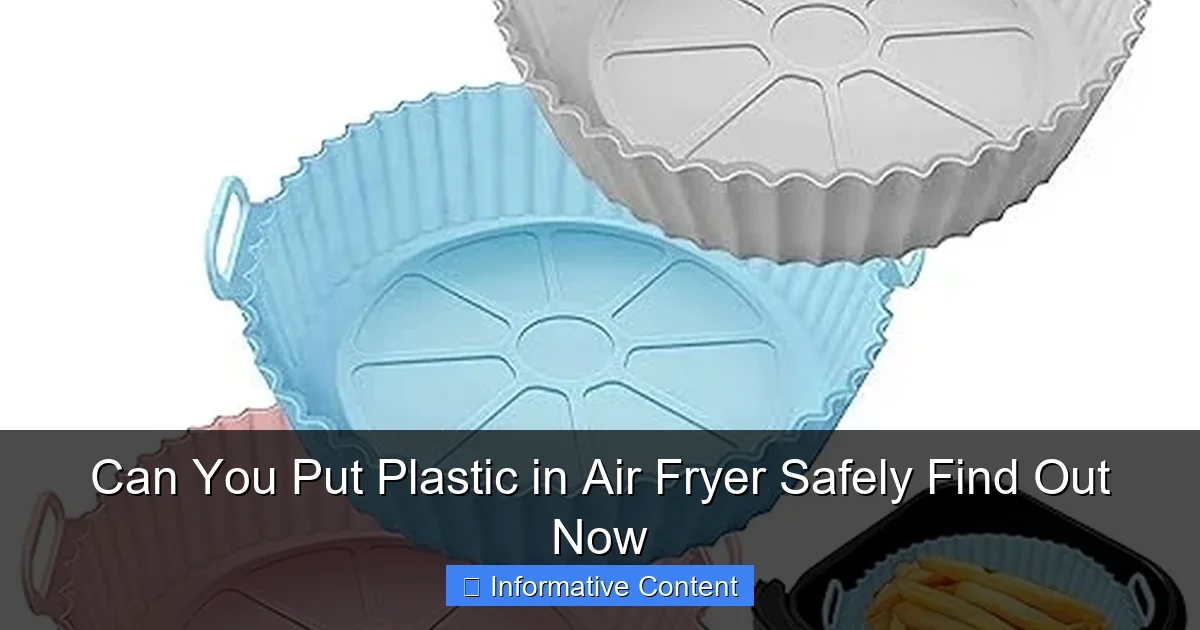
There’s one exception: food-grade silicone air fryer liners. These are specially designed for air fryers. They’re made from high-temperature silicone (usually rated up to 450°F), are reusable, and help prevent sticking and mess. But—and this is important—they’re not the same as regular silicone molds or baking cups. They’re designed to sit on the basket, not block airflow or touch the heating element.
Example: I use Silicone Air Fryer Liners from a trusted brand. They’re thin, allow air to circulate, and make cleanup a breeze. But I never use them near the top heating element, and I always check the temperature rating.
Safe Alternatives to Plastic in Your Air Fryer
So if plastic is a no-go, what should you use instead? The good news is, there are plenty of safe, effective alternatives.
Use the Right Cookware
Your air fryer basket is designed for metal and ceramic. Stick to materials that can handle high heat:
- Oven-safe ceramic dishes (like ramekins or small casserole dishes)
- Stainless steel bowls or pans (as long as they fit and don’t block airflow)
- Cast iron skillets (if your air fryer is large enough)
- Silicone air fryer liners (specifically designed for air fryers)
Pro tip: If you’re using a metal bowl or pan, make sure it’s not too deep. You want hot air to circulate around your food, not get trapped underneath.
Use Parchment Paper or Aluminum Foil (With Caution)
Yes, you can use parchment paper and aluminum foil—but with some rules:
- Always preheat the air fryer first. If you add parchment or foil when the basket is hot, it can catch fire or blow around.
- Cut parchment paper to fit the basket. Don’t let it hang over the edges—it can touch the heating element.
- Use foil sparingly. It blocks airflow and can reflect heat, which may damage your air fryer. Use it only for messy foods (like ribs or saucy chicken).
- Never use foil on the heating element or fan.
I love using perforated parchment paper for fish or chicken. It prevents sticking and keeps the basket clean, while still allowing air to flow.
Reusable Silicone Liners: A Game-Changer
If you hate cleaning your air fryer basket, invest in reusable silicone liners. They’re affordable (usually $10–$15 for a set), easy to clean, and last for months. Just make sure they’re:
- Made from food-grade, high-heat silicone
- Designed for air fryers (not just baking)
- Free of BPA, phthalates, and lead
Bonus: They’re eco-friendly and save money in the long run.
Covering Your Food (Without Plastic)
Want to keep moisture in or prevent splatter? Use:
- Oven-safe lids (like ceramic or tempered glass)
- Aluminum foil (loosely tented)—but only for short cooks
- Air fryer covers (silicone or metal domes designed for air fryers)
Never use a plastic lid, even if it’s labeled “microwave safe.” The heat is too intense and direct.
Real-World Examples: What Happens When You Use Plastic?
Let’s look at a few real-life scenarios to see why plastic and air fryers don’t mix.
Example 1: The Melted Takeout Box
Situation: You’re reheating leftover Chinese food in your air fryer. The container has a plastic lid. You put it in at 350°F for 5 minutes.
Result: The lid softens, warps, and melts onto the food. The container itself may start to sag. You’re left with a sticky mess and a ruined meal.
Solution: Transfer the food to an oven-safe dish or use a reusable silicone liner. Cover with foil or a ceramic lid if needed.
Example 2: The “Microwave-Safe” Container
Situation: You use a Tupperware container that says “microwave safe” to cook frozen nuggets.
Result: The container doesn’t melt, but it softens and sticks to the basket. After cleaning, you notice a chemical smell. Later, you read that the plastic contains BPA and may leach chemicals at high heat.
Solution: Never assume microwave-safe means air fryer-safe. Stick to metal, ceramic, or approved silicone.
Example 3: The Silicone Mold Mix-Up
Situation: You use a regular silicone muffin cup to bake mini quiches.
Result: The silicone is rated for 400°F, but the air fryer’s airflow causes uneven heating. The bottom burns, and the top is undercooked. The mold also blocks airflow.
Solution: Use a silicone liner designed for air fryers, or transfer to a metal muffin tin.
Data Table: Common Kitchen Plastics and Their Heat Resistance
| Plastic Type (Resin Code) | Common Uses | Max Safe Temperature | Safe for Air Fryer? |
|---|---|---|---|
| #1 PET (Polyethylene Terephthalate) | Soda bottles, salad containers | 160°F (71°C) | ❌ No |
| #2 HDPE (High-Density Polyethylene) | Milk jugs, shampoo bottles | 210°F (99°C) | ❌ No |
| #3 PVC (Polyvinyl Chloride) | Plastic wrap, some cling film | 140°F (60°C) | ❌ No (releases toxins) |
| #4 LDPE (Low-Density Polyethylene) | Sandwich bags, bread bags | 190°F (88°C) | ❌ No |
| #5 PP (Polypropylene) | Yogurt cups, takeout containers | 275°F (135°C) | ❌ No (softens at high heat) |
| #6 PS (Polystyrene) | Styrofoam, disposable plates | 180°F (82°C) | ❌ No (melts instantly) |
| #7 Other (Including Polycarbonate) | Some reusable water bottles | 212°F (100°C) | ❌ No (may contain BPA) |
| High-Heat Silicone (Food-Grade) | Air fryer liners, oven mats | 450°F (232°C) | ✅ Yes (if labeled for high heat) |
This table shows why most common plastics are not safe for air fryers. Even if they don’t melt, they can leach chemicals or warp.
Conclusion: Keep Plastic Out of Your Air Fryer—For Good
So, can you put plastic in an air fryer? The short answer is: No, not safely. The high temperatures, direct airflow, and risk of chemical leaching make plastic a dangerous choice—even if it’s labeled “microwave safe” or “BPA-free.”
But here’s the good news: there are plenty of safe, effective alternatives. Use oven-safe dishes, parchment paper, aluminum foil (with caution), or reusable silicone liners. Your air fryer will work better, your food will taste better, and you’ll protect your health and appliance at the same time.
Think of your air fryer like a mini oven. Just as you wouldn’t put a plastic container in your regular oven, don’t do it in your air fryer. Treat it with care, use the right tools, and you’ll get crispy, delicious results—without the risks.
Remember: a little extra cleanup is worth it to avoid melted plastic, toxic fumes, or a ruined meal. Your future self (and your taste buds) will thank you.
Now go enjoy your air fryer—safely, confidently, and plastic-free.
Frequently Asked Questions
Can you put plastic in an air fryer without causing damage?
No, you should never put plastic in an air fryer, as the high temperatures (often exceeding 400°F) can melt or warp the material, potentially damaging the appliance. Always use heat-safe cookware like metal, glass, or silicone designed for air frying.
What happens if plastic is accidentally placed in an air fryer?
If plastic is exposed to air fryer heat, it can melt, release toxic fumes, or create a fire hazard. Immediately turn off the device and ventilate the area if this occurs—never inhale the fumes.
Can you use plastic containers or bags in an air fryer?
Never use regular plastic containers or bags in an air fryer, as they aren’t designed for high heat. Opt for air fryer-safe accessories like perforated parchment paper or reusable silicone baskets instead.
Is there any type of plastic safe for air fryers?
Only specialized, heat-resistant silicone (labeled oven-safe up to 450°F+) is safe for air fryers. Regular plastic, even if labeled “microwave-safe,” can’t withstand air fryer temperatures and should be avoided.
What are the best alternatives to plastic for air fryer cooking?
Use metal trays, oven-safe glass, or FDA-approved silicone liners to replace plastic. These materials are durable, non-toxic, and designed to handle the intense heat of air frying.
Can you put plastic in an air fryer if it’s just for a short time?
No, even brief exposure to high heat can melt or degrade plastic, risking appliance damage and chemical contamination. Always prioritize heat-safe materials to avoid safety hazards.