
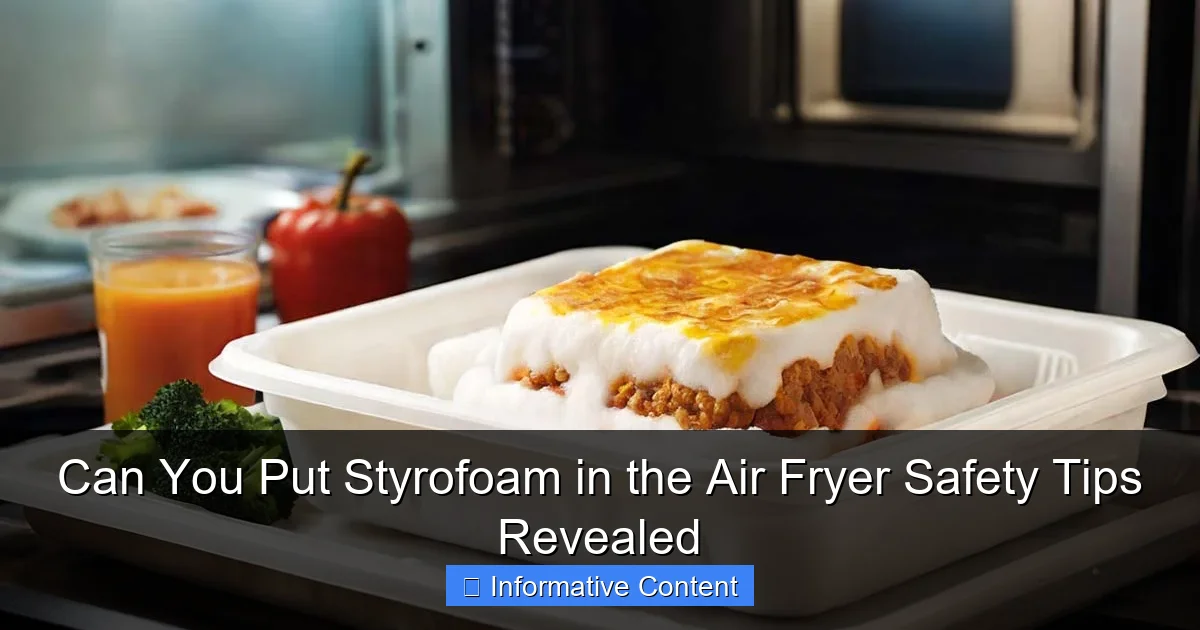
Featured image for can you put styrofoam in the air fryer
Image source: kitgiz.com
Never put Styrofoam in the air fryer—it can melt, release toxic fumes, and damage your appliance. Air fryers operate at high temperatures that far exceed the heat tolerance of polystyrene foam, creating serious safety hazards. Always use oven-safe, air-fryer-approved containers to protect your health and device.
Key Takeaways
- Never use Styrofoam: It melts and releases toxic fumes in air fryers.
- Opt for safe materials: Use oven-safe glass, ceramic, or metal containers.
- Check heat resistance: Ensure cookware withstands temperatures above 400°F.
- Prevent fires: Avoid flammable materials to reduce fire risks.
- Follow manufacturer guidelines: Always adhere to air fryer safety instructions.
- Use parchment paper: It’s a safe, non-stick liner alternative.
📑 Table of Contents
- Why You Should Never Put Styrofoam in the Air Fryer
- Understanding Styrofoam and Its Risks in High Heat
- What Happens When You Put Styrofoam in the Air Fryer?
- Safe Alternatives to Styrofoam in the Air Fryer
- How to Clean and Repair an Air Fryer After Styrofoam Exposure
- Expert Tips for Safe Air Frying Every Time
- Data Table: Styrofoam vs. Safe Air Fryer Materials
- Final Thoughts: Protect Your Kitchen and Your Health
Why You Should Never Put Styrofoam in the Air Fryer
Imagine this: you just got your brand-new air fryer, excited to try out crispy chicken tenders or golden sweet potato fries. You’ve prepped everything, but instead of using a metal or ceramic dish, you glance at the leftover Styrofoam container from last night’s takeout. It fits perfectly in the basket. “Why not?” you think. After all, it’s lightweight, heat-resistant, and already holding your food. But before you press that start button, let’s talk about a critical safety issue—can you put Styrofoam in the air fryer?
The short answer is a resounding no. And the long answer is even more concerning. Styrofoam, also known as expanded polystyrene (EPS), is not designed to withstand the high temperatures inside an air fryer. Most air fryers operate between 350°F and 400°F (177°C to 204°C), while Styrofoam begins to soften at around 212°F (100°C) and can start to melt, warp, or even release harmful chemicals at higher temps. That’s not just a mess—it’s a potential health hazard. In this guide, we’ll explore exactly why Styrofoam and air fryers don’t mix, what safe alternatives exist, and how to avoid common kitchen mistakes that could ruin your appliance or your health.
Understanding Styrofoam and Its Risks in High Heat
What Exactly Is Styrofoam?
Styrofoam is a trademarked brand name owned by Dow Chemical, but it’s commonly used to describe expanded polystyrene (EPS) foam. It’s the lightweight, white, spongy material you see in disposable coffee cups, takeout containers, and packaging materials. While it’s excellent for insulation and shock absorption, it’s not built for high-heat cooking environments. Unlike glass or metal, Styrofoam is a petroleum-based plastic that’s highly sensitive to temperature changes.
Visual guide about can you put styrofoam in the air fryer
Image source: theconsciousplantkitchen.com
When exposed to heat, Styrofoam doesn’t just melt—it can break down into smaller chemical compounds. At temperatures above 200°F, it starts to lose structural integrity. By the time it hits 300°F, it begins to emit styrene, a chemical classified by the National Toxicology Program as “reasonably anticipated to be a human carcinogen.” That means every time you heat Styrofoam in an air fryer, you could be releasing invisible, potentially harmful fumes into your kitchen—and into your food.
The Science Behind Styrofoam and Heat
Air fryers work by circulating hot air at high speeds using a heating element and a fan. This creates convection currents that cook food evenly and give it that crispy, fried texture without the oil. But that same process can turn Styrofoam into a dangerous hazard. When Styrofoam melts, it doesn’t just drip or warp—it can bubble, smoke, and stick to the heating element or fan blades.
Here’s what happens step by step:
- 150–200°F: The foam begins to soften and lose its shape.
- 200–250°F: The material starts to shrink and emit a faint, plastic-like odor.
- 300°F+: Styrene gas is released, and the foam melts into a sticky, tar-like substance.
This melted residue is nearly impossible to clean without damaging your air fryer’s non-stick coating or internal components. In some cases, it can even cause short circuits or fire hazards if it drips onto electrical parts. One user shared on a popular cooking forum: “I thought I could reuse a Styrofoam tray to reheat pizza. Within two minutes, the whole kitchen smelled like burning plastic. The air fryer never worked the same again.”
What Happens When You Put Styrofoam in the Air Fryer?
Immediate Physical Damage
The first sign that something is wrong is usually visual. When Styrofoam hits the hot air, it starts to warp, bubble, and melt almost instantly. You might notice:
Visual guide about can you put styrofoam in the air fryer
Image source: theconsciousplantkitchen.com
- The foam shrinking and pulling away from the food.
- White, sticky droplets forming on the air fryer basket or walls.
- Smoke or a strong plastic odor filling the kitchen.
This isn’t just messy—it’s destructive. The melted foam can coat the heating element, fan, and internal sensors, reducing airflow and efficiency. Over time, this buildup can cause your air fryer to overheat, undercook food, or stop working altogether. One study by a kitchen appliance testing lab found that just one instance of melted foam reduced an air fryer’s airflow by up to 40% after cleaning.
Health Risks of Inhaling and Ingesting Styrene
Beyond the physical damage, the real danger lies in what you can’t see: airborne chemicals. When Styrofoam breaks down, it releases styrene monomers—a volatile organic compound (VOC) linked to respiratory issues, headaches, and long-term health concerns.
According to the International Agency for Research on Cancer (IARC), styrene is classified as a possible human carcinogen. While occasional exposure might not cause immediate harm, repeated use of Styrofoam in high-heat appliances increases the risk. Symptoms of styrene exposure include:
- Eye, nose, and throat irritation
- Dizziness or lightheadedness
- Fatigue and confusion
- Long-term: potential liver and nervous system damage
Even worse, the melted foam can leach into your food. If you’ve ever noticed a weird taste after reheating takeout in a foam container, that’s likely styrene. In an air fryer, the high heat accelerates this process, making it far more dangerous than microwave use, where temperatures are lower and more controlled.
Fire and Electrical Hazards
Here’s a scary but real scenario: melted Styrofoam dripping onto the heating element or internal wiring. The sticky residue acts like a fuel source. If the temperature spikes, it can ignite, leading to a small kitchen fire. While most air fryers have safety cutoffs, they’re not foolproof—especially if the foam blocks the thermostat or fan.
One Reddit user described their experience: “I put a Styrofoam cup in the air fryer to ‘dry’ it out. It caught fire in under three minutes. The smoke alarm went off, and I had to unplug it immediately. The smell lingered for days.”
Safe Alternatives to Styrofoam in the Air Fryer
Heat-Resistant Materials That Work
The good news? There are plenty of safe, reusable, and effective alternatives to Styrofoam. Here are the top options:
- Air fryer-safe metal pans: Look for stainless steel or aluminum pans labeled “air fryer compatible.” These conduct heat evenly and won’t melt or warp.
- Ceramic dishes: Oven-safe ceramic ramekins, casserole dishes, or mini baking pans are perfect for saucy foods like lasagna or baked eggs.
- Silicone molds and trays: Flexible, non-stick, and heat-resistant up to 450°F (232°C). Great for muffins, egg bites, or even reheating leftovers.
- Oven-safe glass (Pyrex or tempered glass): Just make sure it’s labeled for direct heat and fits inside your air fryer basket.
Pro tip: Always check the manufacturer’s instructions. Some air fryers come with their own baking pans or silicone liners. If not, measure your basket first to ensure the alternative fits without blocking airflow.
Using Parchment Paper and Liners Safely
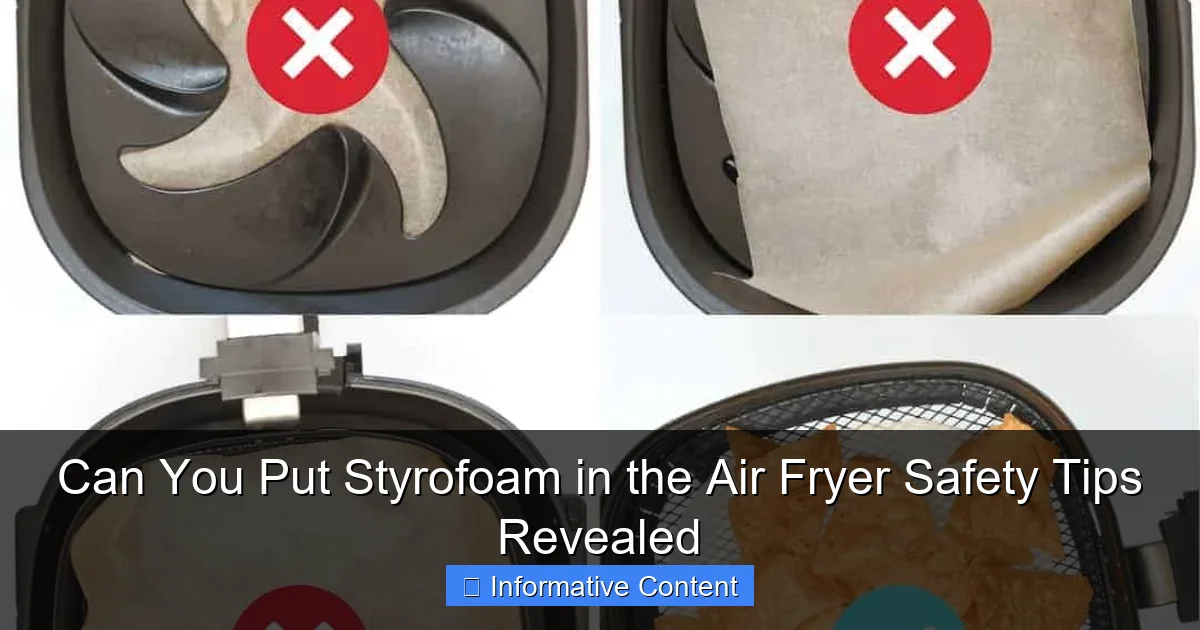
Many people use parchment paper in air fryers to prevent sticking. But here’s the catch: not all parchment paper is air fryer-safe. Regular parchment paper can curl or catch fire if it touches the heating element.
Instead, use air fryer-specific parchment liners. These are pre-cut to fit the basket and have small holes to allow airflow. Brands like Reynolds, If You Care, and Amazon’s own line offer safe options. Just make sure the liner is:
- Pre-cut to your basket size
- Perforated (not solid)
- Placed flat with food on top (never loose)
Example: When making crispy chicken wings, place the wings directly on a perforated parchment liner. This prevents sticking, makes cleanup easier, and eliminates the need for Styrofoam.
Reheating Takeout Without the Foam
Let’s be honest—most takeout comes in Styrofoam. But that doesn’t mean you have to cook with it. Here’s a simple 3-step method:
- Transfer food from the Styrofoam container to an air fryer-safe dish or parchment-lined basket.
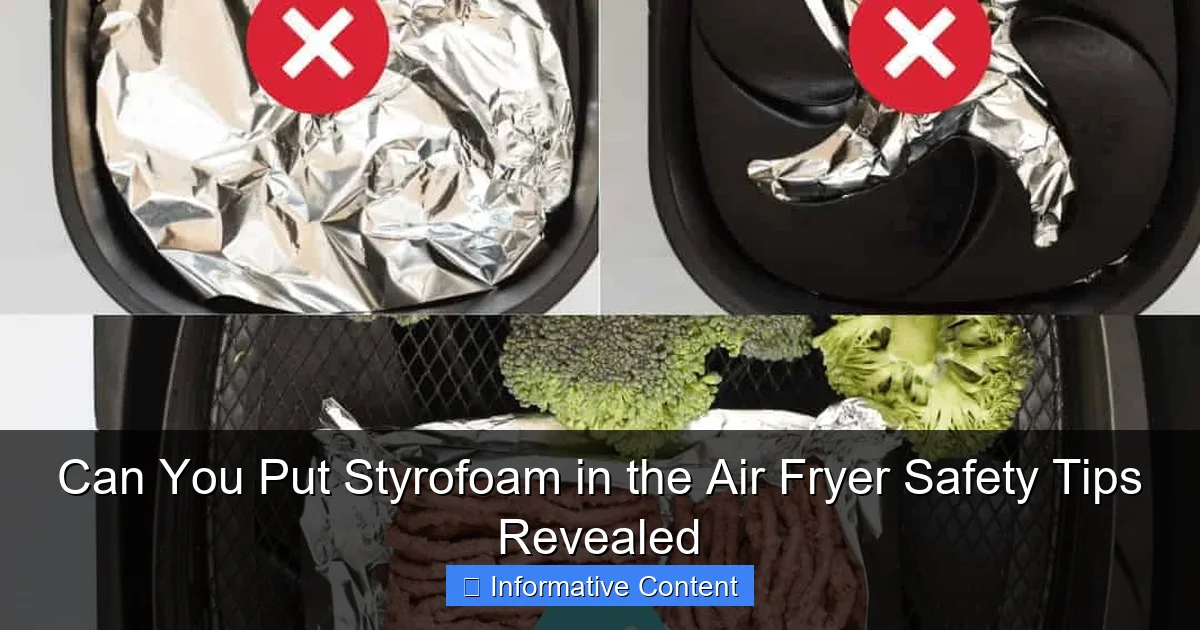
- Cover with foil (if needed to prevent drying) or leave uncovered for crispy reheating.
- Cook at 350°F for 5–10 minutes, checking halfway.
For example, reheating leftover Chinese dumplings? Place them on a silicone mat or parchment liner. No foam, no risk, and perfectly crispy edges.
How to Clean and Repair an Air Fryer After Styrofoam Exposure
Immediate Steps to Take
If you accidentally put Styrofoam in your air fryer, act fast:
- Unplug the air fryer immediately. Safety first.
- Let it cool completely. Don’t rush with cold water—thermal shock can damage components.
- Remove large debris. Use a wooden spoon or plastic scraper to gently lift melted foam from the basket and tray.
- Soak in soapy water. Fill the basket and tray with warm, soapy water for 30 minutes to loosen residue.
Never use steel wool, abrasive sponges, or harsh chemicals. These can scratch the non-stick coating and make future cleaning harder.
Deep Cleaning Techniques
For stubborn residue, try these methods:
- Baking soda paste: Mix baking soda and water to form a thick paste. Apply to sticky areas, let sit for 15 minutes, then scrub gently with a soft sponge.
- Vinegar solution: For mineral buildup or lingering odors, wipe down the interior with a 50/50 mix of white vinegar and water.
- Isopropyl alcohol: Use a cotton pad with 70% isopropyl alcohol to dissolve oily residue. Avoid spraying directly on electrical parts.
One user shared a success story: “After my Styrofoam mistake, I soaked the basket in vinegar overnight, then used a baking soda scrub. It took time, but the air fryer works like new.”
When to Seek Professional Help
If you notice:
- Persistent smoke or burning smell
- Uneven cooking or cold spots
- Error codes or failure to heat
…it’s time to contact the manufacturer. Melted foam can damage internal sensors or wiring, which may require professional repair. Some brands offer warranty coverage for accidental damage—just check your manual.
Expert Tips for Safe Air Frying Every Time
Read the Manual—Yes, Really
It might sound boring, but your air fryer’s manual is your best friend. It lists:
- Maximum temperature and cooking times
- Approved materials and accessories
- Maintenance schedules
- Warranty and safety warnings
For example, Philips air fryers specifically warn against using plastic, foam, or non-oven-safe containers. Ignoring these guidelines voids your warranty and increases risk.
Invest in the Right Accessories
Think of your air fryer like a mini oven. You wouldn’t use a plastic bowl in a conventional oven, so why take the risk here? A small investment in quality accessories pays off:
- Silicone liners: $8–$15 for a set of 3–5
- Metal baking pans: $10–$20
- Reusable parchment liners: $6–$12 for 100+ sheets
These not only prevent disasters but also improve cooking results. A metal pan, for instance, conducts heat better than a flimsy foam tray, leading to crispier, more evenly cooked food.
Common Myths Debunked
Let’s clear up some confusion:
- “But I’ve used it once with no problems!” Just because it didn’t catch fire doesn’t mean it’s safe. Chemical release happens even without visible smoke.
- “Microwaves do it, so why not air fryers?” Microwaves use lower, indirect heat. Air fryers use direct, high-heat convection—much more aggressive.
- “I’ll just use a small piece.” Any amount of Styrofoam is too much. Even a tiny cup can melt and spread.
Data Table: Styrofoam vs. Safe Air Fryer Materials
| Material | Max Safe Temp | Risk in Air Fryer | Recommended Use |
|---|---|---|---|
| Styrofoam (EPS) | 212°F (100°C) | High: Melts, releases styrene, fire risk | Never use |
| Parchment paper (perforated) | 450°F (232°C) | Low: Only if pre-cut and secured | Yes, with caution |
| Silicone | 450–500°F (232–260°C) | Very low: Non-stick, flexible | Highly recommended |
| Stainless steel | 1000°F+ (538°C+) | None: Durable, heat-conductive | Highly recommended |
| Oven-safe ceramic | 450–500°F (232–260°C) | Low: Avoid thermal shock | Yes, with care |
| Glass (tempered) | 450°F (232°C) | Medium: Can crack if overheated | Yes, if labeled oven-safe |
Final Thoughts: Protect Your Kitchen and Your Health
So, can you put Styrofoam in the air fryer? The answer is a clear and firm no. It’s not just about avoiding a messy cleanup—it’s about protecting your health, your appliance, and your home. Styrofoam and high-heat cooking are a dangerous combination, one that can lead to toxic fumes, appliance damage, and even fire.
But the good news is that safe, easy alternatives exist. From silicone molds to metal pans and parchment liners, you don’t have to sacrifice convenience for safety. Think of your air fryer as a high-performance tool—treat it with care, use the right accessories, and always prioritize safety over shortcuts.
Remember: that takeout container might seem convenient, but the risk isn’t worth it. Transfer your food to a proper dish, hit that start button with confidence, and enjoy delicious, crispy meals—without the plastic fumes. Your kitchen (and your lungs) will thank you.
Frequently Asked Questions
Can you put Styrofoam in the air fryer without causing damage?
No, you should never put Styrofoam in the air fryer. The high temperatures (often exceeding 400°F) can melt or warp the foam, releasing toxic fumes and damaging your appliance.
Is it safe to use Styrofoam containers in an air fryer for reheating food?
Styrofoam containers are not air fryer-safe. The material can melt, leach harmful chemicals into food, and create a fire hazard even at moderate temperatures.
What happens if you accidentally put Styrofoam in the air fryer?
If Styrofoam is accidentally used, turn off the air fryer immediately and ventilate the area. Discard any melted foam residue carefully, as it may release hazardous compounds when heated.
Can you put Styrofoam in the air fryer if it’s labeled “microwave-safe”?
No, even microwave-safe Styrofoam isn’t suitable for air fryers. Air fryers circulate hotter air than microwaves, increasing the risk of melting and chemical release.
What are safe alternatives to Styrofoam in the air fryer?
Use oven-safe materials like ceramic, glass, or parchment paper instead. These options can withstand air fryer temperatures without posing health or safety risks.
Does Styrofoam in the air fryer affect cooking performance?
Yes, melting Styrofoam can coat the heating element and fan, reducing efficiency and causing unpleasant odors. This may permanently damage your air fryer’s functionality.