
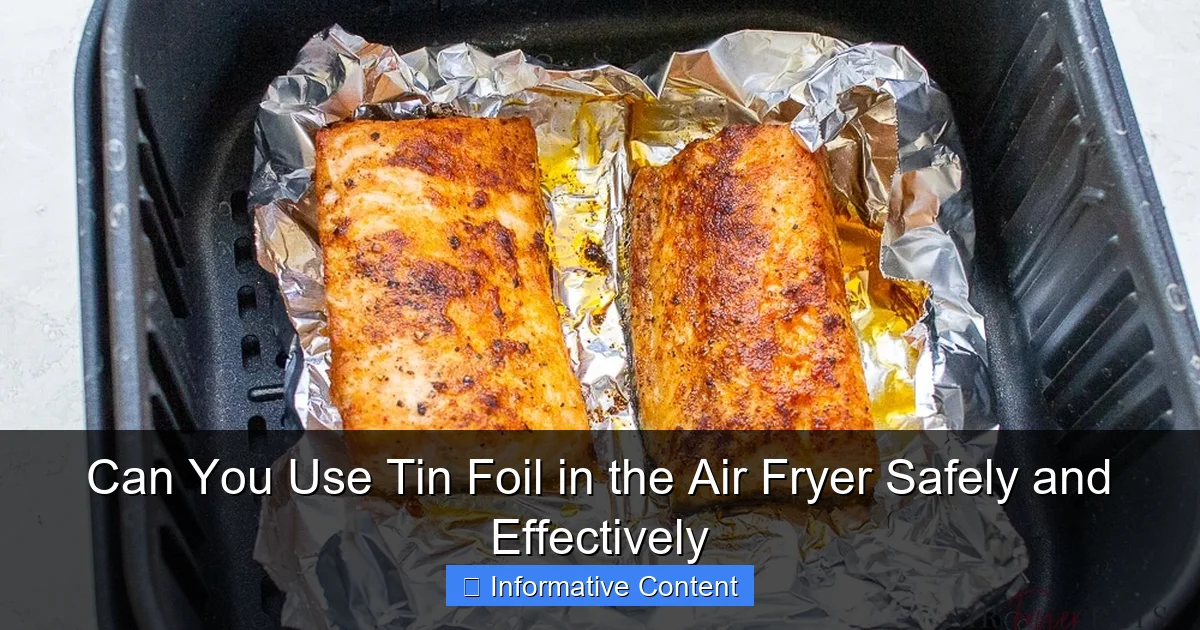
Featured image for can you use tin foil in the air fryer
Image source: airfryereats.com
Yes, you can use tin foil in the air fryer safely—but only when used correctly to avoid hazards. Always ensure the foil is weighed down with food to prevent it from blocking airflow or touching heating elements, which can cause sparks. For best results, use foil sparingly and opt for perforated or air-fryer-safe liners when possible to maintain optimal cooking performance.
Key Takeaways
- Yes, you can use tin foil in most air fryers if done correctly and safely.
- Always leave space around foil for proper airflow to prevent fire hazards.
- Never cover the heating element—it can cause overheating and damage the unit.
- Use foil for easy cleanup but avoid acidic foods that react with metal.
- Secure loose edges tightly to prevent foil from touching the fan or walls.
- Opt for parchment paper when possible for safer, non-reactive air frying.
📑 Table of Contents
- Can You Use Tin Foil in the Air Fryer Safely and Effectively?
- Understanding How Air Fryers Work (And Why Foil Matters)
- When It’s Safe to Use Tin Foil in Your Air Fryer
- When You Should Avoid Using Tin Foil
- Best Practices for Using Tin Foil in the Air Fryer
- Alternatives to Tin Foil: When to Use Other Materials
- Data Table: Foil vs. Alternatives in Air Frying
- Final Thoughts: Use Foil Wisely, Not Wildly
Can You Use Tin Foil in the Air Fryer Safely and Effectively?
Let’s face it: air fryers have become the kitchen superhero we didn’t know we needed. They crisp up leftovers, cook frozen snacks to golden perfection, and even roast veggies like a pro. But as we push the limits of what our air fryers can do, one question keeps popping up: Can you use tin foil in the air fryer? If you’ve ever stood in front of your appliance, foil in hand, wondering whether it’s a genius hack or a fire hazard, you’re not alone. I’ve been there too—especially when trying to cook salmon without it sticking or reheating pizza without the crust going soggy. The answer isn’t as simple as a yes or no, and that’s exactly why we’re diving deep into this topic.
Using tin foil in your air fryer isn’t just about convenience. It’s about safety, performance, and getting the most out of your appliance without damaging it or risking a kitchen mishap. Over the years, I’ve experimented with foil—sometimes with great success, other times with a little too much smoke and a slightly singed dinner. Through trial, error, and a few helpful tips from appliance experts, I’ve learned how to use tin foil safely and effectively. In this guide, we’ll explore when it’s okay to use foil, when you should avoid it, and how to do it right every time. Whether you’re a beginner or a seasoned air fryer user, this post will help you make informed decisions—no more guessing, no more smoke alarms.
Understanding How Air Fryers Work (And Why Foil Matters)
Before we jump into whether you can use tin foil, it’s important to understand how your air fryer actually works. Unlike traditional ovens that rely on radiant heat, air fryers use rapid air circulation—often called convection—to cook food. A powerful fan at the top pushes hot air down and around the food, creating that signature crispy texture we love. This airflow is the secret sauce behind everything from crunchy chicken wings to perfectly roasted sweet potatoes.

Visual guide about can you use tin foil in the air fryer
Image source: airfryereats.com
Why Airflow Is Everything
The key to air frying is consistent, unobstructed airflow. If something blocks that flow—like a crumpled ball of foil or a tightly packed basket—the heat can’t circulate properly. This leads to uneven cooking, longer cook times, and sometimes, undercooked or burnt spots. Think of it like a fan blowing through a room: if you put a big pillow in front of it, the airflow gets disrupted. The same principle applies in your air fryer.
For example, I once tried wrapping a whole chicken breast in foil to keep it juicy. It cooked, but the outside was pale and rubbery, while the inside was still a little pink. Why? The foil trapped steam and blocked the hot air from crisping the surface. Lesson learned: foil can be a double-edged sword if not used correctly.
How Foil Interacts with Heat and Air
Tin foil (also known as aluminum foil) is a great conductor of heat—it heats up quickly and distributes warmth evenly. That sounds like a win, right? Well, yes and no. While foil can help prevent food from sticking or catching fire, it can also create hot spots if it’s not placed properly. If foil touches the heating element (which is often exposed at the top of the air fryer), it can spark or even catch fire. I’ve seen it happen once when I got lazy and didn’t tuck the edges in. A small spark, a quick panic, and a lesson in caution.
Another thing to consider: foil doesn’t breathe. If you wrap food too tightly, moisture builds up, turning what should be a crispy result into a steamed mess. That’s why using foil strategically—not wrapping everything like a burrito—is the name of the game.
When It’s Safe to Use Tin Foil in Your Air Fryer
Now that we know how air fryers work, let’s talk about when foil is actually a good idea. Used correctly, tin foil can be a helpful tool—especially for certain foods and situations. The key is to use it in a way that supports, rather than disrupts, the cooking process.

Visual guide about can you use tin foil in the air fryer
Image source: weeatatlast.com
Preventing Sticking and Mess
One of the most common reasons people use foil is to prevent food from sticking to the basket. This is especially helpful with delicate items like fish, shrimp, or marinated meats. For example, I love making salmon in the air fryer, but the skin tends to stick and tear when I pull it out. A quick fix? Line the basket with foil, poke a few small holes to allow airflow, and place the salmon on top. The result? Crispy skin, no mess, and easy cleanup.
Pro tip: Use a non-stick spray or a light brush of oil on the foil to further reduce sticking. Just don’t overdo it—too much oil can cause smoke or splatter.
Protecting Delicate or Flaky Foods
Foods like breaded chicken tenders, fish fillets, or even homemade spring rolls can fall apart during air frying. A small piece of foil placed under or around them can help keep them intact. I once tried air frying store-bought fish sticks without foil—half of them broke apart and got stuck in the basket. The next time, I used a foil liner with small slits, and they came out perfectly golden and whole.
Just remember: don’t cover the entire basket. Leave space around the edges so air can still circulate. Think of it like a “foil mat,” not a full liner.
Reducing Smoke and Grease Splatter
High-fat foods like bacon, sausages, or marinated ribs can drip grease and cause smoke. Placing a piece of foil under these items can catch the drips and make cleanup easier. I use this trick all the time when cooking bacon—it’s a game-changer. Instead of scrubbing the basket for 20 minutes, I just toss the foil and wipe down the basket in seconds.
Bonus: foil can also help prevent grease from reaching the heating element, which reduces the risk of smoke or fire. Just make sure the foil doesn’t touch the top of the air fryer where the heating element is located.
Creating a “Tray” for Small or Loose Items
Got a batch of diced potatoes, chopped veggies, or even frozen dumplings? These small pieces can fall through the basket holes. A foil “tray” (folded up on the sides) can keep everything contained while still allowing air to flow through the top. I use this method when roasting a mix of bell peppers and onions—they stay in place, cook evenly, and don’t end up at the bottom of the drawer.
When You Should Avoid Using Tin Foil
As helpful as foil can be, there are definitely times when it’s better to skip it. Using foil in the wrong way can not only ruin your food but also damage your air fryer or create a safety hazard. Here’s what to avoid.
Don’t Cover the Entire Basket
This is the #1 mistake I see. Some people line the entire basket with foil, thinking it’ll make cleanup easier. But doing this blocks airflow, leading to uneven cooking and longer cook times. I once tried this with a batch of fries—half were crispy, the other half were soggy and undercooked. The foil trapped steam and prevented hot air from reaching all the potatoes.
Instead, use foil only where needed—under food, around edges, or as a partial liner with plenty of space for air to move.
Never Let Foil Touch the Heating Element
The heating element in most air fryers is exposed at the top. If foil makes contact with it, it can spark, melt, or even catch fire. I learned this the hard way when I didn’t tuck the foil edges in properly. A small spark flew out, and I had to unplug the unit immediately. Not fun.
Always check: before starting, make sure no part of the foil is near or touching the top of the air fryer. Tuck edges down or fold them under the food to keep them secure.
Avoid Using Foil for High-Heat Cooking
While foil can handle high temperatures, prolonged exposure to extreme heat (especially above 400°F/205°C) can cause it to degrade, warp, or even release small amounts of aluminum into food. Most air fryers max out at 400°F, but some recipes call for longer cook times at high heat—like roasting nuts or dehydrating fruits. In these cases, it’s safer to use parchment paper or a silicone liner instead.
For example, I tried roasting almonds at 375°F for 15 minutes with foil. They cooked fine, but the foil was brittle and started to tear. The next time, I used a silicone baking mat, and it worked much better.
Don’t Use Foil for Foods That Need Crisping on All Sides
If you’re cooking something that needs to be crispy all over—like chicken wings, onion rings, or hash browns—foil can prevent the bottom from browning. The foil reflects heat instead of allowing it to penetrate, which means the underside stays soft and pale. For these foods, it’s better to use the basket as-is or invest in a reusable air fryer liner (like silicone or mesh) that allows airflow from all sides.
Best Practices for Using Tin Foil in the Air Fryer
Now that we know when to use and avoid foil, let’s talk about how to use it right. These best practices will help you get the benefits of foil without the risks.
Use the Right Amount of Foil
Less is more. Only use foil where necessary—under food, around the edges, or as a small tray. Cut it to fit the basket size, and leave at least 1 inch of space around the sides for airflow. I usually cut a piece slightly smaller than the basket and fold up the edges by about 1 inch to create a lip. This keeps food contained without blocking air.
Poke Holes or Use a Crinkled Surface
To improve airflow, poke small holes (about the size of a pencil) in the foil before placing food on it. Alternatively, crinkle the foil slightly—this creates tiny air pockets that help heat circulate. I do this when cooking marinated chicken thighs: crinkled foil, a few holes, and the skin turns out perfectly crispy.
Secure the Foil Properly
Make sure the foil stays in place during cooking. If it shifts, it could touch the heating element or block airflow. I like to tuck the edges under the food or use the weight of the food to hold it down. For extra security, you can use a small piece of foil to “pin” the edges down (just don’t let it touch the top).
Check Your Air Fryer’s Manual
Some air fryer brands specifically warn against using foil, while others give guidelines. For example, my Philips air fryer manual says foil is okay as long as it’s not blocking airflow or touching the heating element. Always check your model’s instructions—don’t assume all air fryers are the same.
Clean Up Promptly
Foil can leave residue or small tears in the basket coating over time. After using foil, clean the basket with warm, soapy water and a soft sponge. Avoid abrasive scrubbers, which can scratch the non-stick surface.
Alternatives to Tin Foil: When to Use Other Materials
While foil is handy, it’s not the only option. In some cases, other materials work better—especially for long-term use or high-heat cooking.
Parchment Paper (Perforated or Air Fryer-Specific)
Perforated parchment paper is designed for air fryers and allows excellent airflow. It’s great for baking, reheating, or cooking sticky foods like honey-glazed chicken. I use it when making air fryer cookies or reheating pizza—no sticking, no smoke, and easy cleanup.
Just make sure to use parchment labeled for high heat (up to 450°F) and avoid letting it hang over the edges, where it could catch fire.
Silicone Liners and Mats
Reusable silicone liners are a fantastic eco-friendly alternative. They’re non-stick, heat-resistant, and allow air to circulate from all sides. I have a set of silicone “baskets” that fit perfectly in my air fryer—they’re great for roasting veggies or cooking small items like meatballs.
They’re also dishwasher-safe, which makes cleanup a breeze.
Mesh Liners
Mesh liners are another reusable option. They’re made of fine stainless steel or silicone mesh and let air flow freely while catching drips. I use them when cooking greasy foods like bacon or sausages. They’re a bit pricier, but they last for years.
DIY Solutions
If you’re in a pinch, you can use a small heat-safe plate or ramekin to elevate food and catch drips. Just make sure it’s oven-safe and fits securely in the basket. I’ve used this trick when cooking stuffed peppers—the plate catches the liquid, and the peppers stay upright.
Data Table: Foil vs. Alternatives in Air Frying
| Material | Heat Resistance | Airflow | Reusability | Best For | Risks |
|---|---|---|---|---|---|
| Tin Foil | Up to 400°F (205°C) | Moderate (if perforated) | Single use | Sticky foods, drip catching | Fire risk if near heating element |
| Parchment Paper | Up to 450°F (230°C) | High (if perforated) | Single use | Baking, reheating | Can catch fire if overhangs |
| Silicone Liner | Up to 480°F (250°C) | High | Multiple uses (100+) | All-purpose, eco-friendly | Can retain odors if not cleaned |
| Mesh Liner | Up to 500°F (260°C) | Very high | Multiple uses | Greasy foods, small items | Harder to clean |
Final Thoughts: Use Foil Wisely, Not Wildly
So, can you use tin foil in the air fryer? The answer is a cautious yes—but only when used correctly. Foil can be a helpful tool for preventing sticking, catching drips, and protecting delicate foods. But it’s not a one-size-fits-all solution. Misuse can lead to uneven cooking, smoke, or even safety hazards.
Through my own experiences—both good and not-so-good—I’ve learned that the best approach is intentional use. Use foil where it makes sense: under food, with holes for airflow, and never near the heating element. And when in doubt, consider alternatives like parchment paper or silicone liners, which offer similar benefits with less risk.
At the end of the day, your air fryer is a powerful little appliance, and how you use it matters. Whether you’re cooking for one or feeding a family, using tin foil (or not) should be a thoughtful choice—not a last-minute guess. So go ahead, experiment safely, and enjoy all the crispy, delicious results your air fryer can deliver. Just remember: a little foil can go a long way—but only if you use it right.
Frequently Asked Questions
Can you use tin foil in the air fryer without causing damage?
Yes, you can use tin foil in the air fryer safely, but avoid letting it touch the heating element or block airflow. Crumple the edges to prevent it from flying around during cooking.
Is it safe to use tin foil in the air fryer for all foods?
It’s safe for most foods, but avoid highly acidic ingredients like tomatoes or citrus, as they can react with the foil. Always leave space around the foil for proper air circulation.
Does using tin foil in the air fryer affect cooking results?
Tin foil can help with cleanup and even cooking, but it may slightly reduce crispiness if overused. For best results, use it sparingly and ensure airflow isn’t obstructed.
Can you use tin foil in the air fryer basket or tray?
Yes, line the basket or tray with foil, but don’t cover the entire surface—leave gaps for hot air to circulate. This makes cleanup easier while maintaining cooking efficiency.
Are there alternatives to tin foil for air fryer cooking?
Silicone liners or parchment paper with holes are great alternatives to tin foil. They’re reusable, non-reactive, and promote even airflow for consistent results.
What are common mistakes when using tin foil in the air fryer?
Avoid covering the entire basket, letting foil touch the heating element, or using sharp utensils that can tear the foil. These errors can cause smoke or uneven cooking.