

Featured image for emeril lagasse air fryer user guide
Image source: fryerhouse.com
Master your Emeril Lagasse Air Fryer with expert tips and time-saving tricks from this comprehensive user guide, designed to help you achieve perfectly crisp, flavorful meals every time. From preheating secrets to pro-level seasoning techniques, unlock the full potential of your appliance and cook like a celebrity chef with minimal effort.
Key Takeaways
- Preheat your air fryer for crispier, evenly cooked meals every time.
- Use minimal oil—just a light spray for healthier, golden results.
- Arrange food in a single layer to maximize airflow and crispiness.
- Shake or flip halfway through cooking for uniform browning and texture.
- Clean the basket after each use to maintain performance and avoid odors.
- Experiment with Emeril’s settings to master presets for perfect doneness.
- Let food rest briefly post-cooking for juicier, evenly heated dishes.
📑 Table of Contents
- Getting to Know Your Emeril Lagasse Air Fryer
- Setting Up and Getting Started
- Mastering Cooking Techniques for Perfect Results
- Cleaning, Maintenance, and Longevity
- Common Issues and Troubleshooting
- Pro Tips, Recipes, and Hacks for Everyday Use
- Final Thoughts: Making the Most of Your Emeril Lagasse Air Fryer
Getting to Know Your Emeril Lagasse Air Fryer
Imagine pulling a golden-brown, crispy chicken wing out of your kitchen appliance without the guilt of deep frying. That’s the magic of the Emeril Lagasse air fryer, a kitchen gadget that’s taken home cooking by storm. Whether you’re a busy parent, a health-conscious eater, or someone who just loves crunchy food (who doesn’t?), this air fryer delivers on its promise: delicious, crispy meals with up to 70% less oil. But like any kitchen tool, it takes a little getting used to. That’s where this Emeril Lagasse air fryer user guide comes in.
I’ll never forget the first time I used mine. I was skeptical—could a machine really replace my deep fryer? I tossed in some frozen fries, set the timer, and within 15 minutes, I had perfectly crispy, evenly cooked fries that tasted like they came from a restaurant. No greasy mess. No smoke alarm. Just pure, simple satisfaction. That’s the kind of experience I want to help you have. This guide isn’t about flashy marketing claims or over-the-top hype. It’s about real, practical tips, tricks, and insights from someone who’s used the Emeril Lagasse air fryer almost every day for over a year. We’ll cover setup, cooking techniques, cleaning, troubleshooting, and even some secret hacks to get the most out of your appliance.
Setting Up and Getting Started
Unboxing and First Impressions
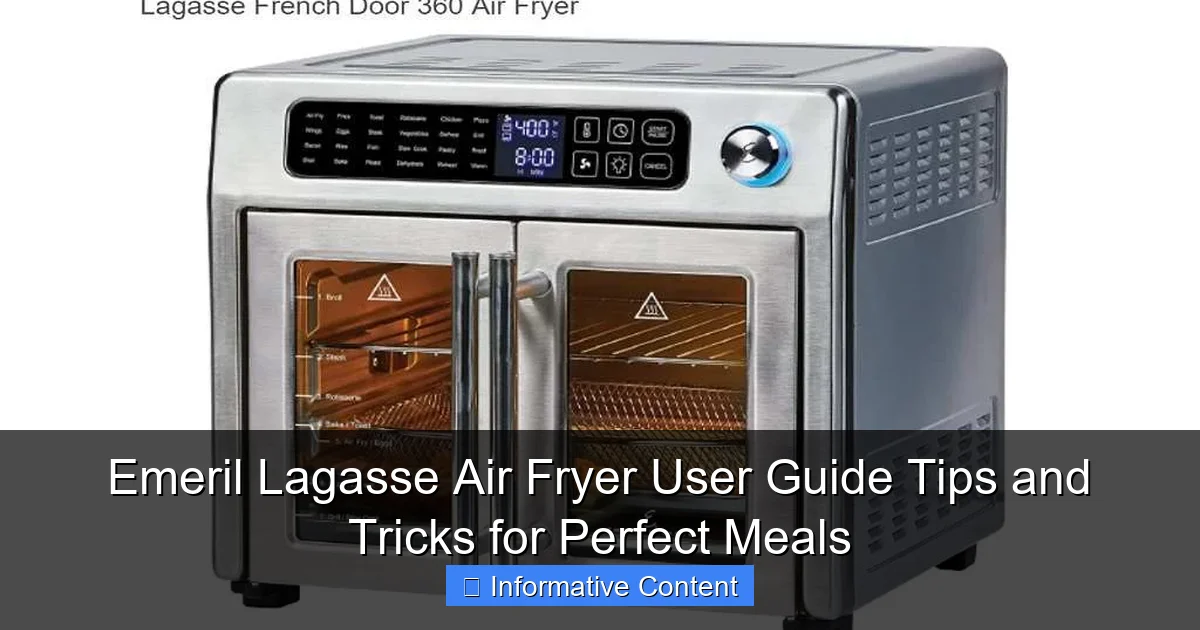
When you first open the box, you’ll find the air fryer unit, a removable basket, a crisper plate (the perforated tray that sits inside), a user manual, and sometimes a recipe booklet. The design is sleek and modern—usually stainless steel or black with a digital display. The controls are intuitive, with preset buttons for common foods like fries, chicken, and fish. The basket slides in and out easily, and the crisper plate lifts out for cleaning.
Visual guide about emeril lagasse air fryer user guide
Image source: bestinfohub.com
One thing I love: the non-stick coating on both the basket and crisper plate. It makes cleanup a breeze. But don’t be fooled—non-stick doesn’t mean “indestructible.” Avoid metal utensils and abrasive sponges. Stick to silicone, wood, or plastic tools to keep the coating intact.
Initial Setup and Safety Tips
Before your first use, wash the basket, crisper plate, and outer unit (not the main body) with warm, soapy water. Dry thoroughly. This removes any factory residue and ensures your first meal tastes clean, not plasticky.
- Place the air fryer on a flat, heat-resistant surface—at least 6 inches away from walls or cabinets. Air circulation is key, and blocking the vents can cause overheating.
- Plug it into a grounded outlet. Avoid extension cords if possible.
- Never operate the air fryer with the basket open or removed. The safety interlock prevents operation unless the basket is fully inserted.
- Always preheat for 3–5 minutes when cooking from scratch (more on that later).
One rookie mistake I made early on: I didn’t preheat the air fryer. My first batch of chicken tenders came out soggy on the outside and undercooked inside. Lesson learned. Preheating ensures even cooking and that perfect crispiness.
Understanding the Control Panel
The digital display shows time, temperature, and preset modes. Most models have:
- Temperature range: 180°F to 400°F (80°C to 200°C)
- Timer: Up to 60 minutes
- Presets: Fries, chicken, fish, steak, shrimp, reheat, and sometimes bake or dehydrate
- Start/Pause and Power buttons
Here’s a pro tip: don’t rely solely on presets. They’re great for beginners, but they’re often set to “safe” temperatures and times. For example, the “chicken” preset might cook at 360°F for 20 minutes, but if you’re doing boneless chicken breasts, they’ll be dry. Use presets as a starting point, then adjust based on your ingredients and preferences.
Mastering Cooking Techniques for Perfect Results
Preheating: The Secret to Crispiness
Preheating isn’t optional if you want restaurant-quality results. It heats the air inside the chamber, so food starts cooking immediately when it goes in. Think of it like preheating your oven—just faster.
How to preheat: Set the temperature (usually 360°F–400°F for most foods), press Start, and let it run for 3–5 minutes. You’ll hear the fan whir and feel warm air when you open the basket. Then add your food.
Example: I make sweet potato fries every Sunday. I preheat to 380°F for 4 minutes. Then I toss the fries in 1 tsp of oil, season, and cook for 12–14 minutes, shaking the basket halfway. They come out crispy on the outside, tender inside—no soggy middle.
Oil, Seasoning, and Breading Tips
Air fryers use hot air, not oil, to cook. But a little oil goes a long way in enhancing flavor and crispiness.
- Use high-smoke-point oils: Avocado, grapeseed, or light olive oil (1–2 tsp per pound of food).
- Season before cooking: Salt draws out moisture, so add it after cooking if you want crispier results. For meats, salt just before air frying.
- Lightly coat breaded items: Spray or toss in oil to help the breading turn golden and crunchy.
Here’s a game-changer: use a spray bottle. A quick spritz of oil over chicken wings or veggies gives you even coverage without overdoing it. I keep a reusable oil spray bottle filled with avocado oil—no propellants, just oil.
Shaking and Flipping for Even Cooking
Unlike ovens, air fryers circulate hot air from the top down. That means food on the top gets more direct heat. To prevent uneven cooking, shake the basket or flip food halfway through.
Example: When I cook frozen mozzarella sticks, I set the timer for 10 minutes. At 5 minutes, I pause, shake the basket, and resume. This ensures all sides get crispy—no burnt tops and soft bottoms.
For larger items like chicken breasts or fish fillets, use tongs to flip them. Be gentle—don’t scratch the non-stick surface.
Batch Cooking and Layering
Don’t overcrowd the basket. Air needs to circulate. As a rule of thumb: food should be in a single layer with space between pieces. If you’re cooking a lot, do it in batches.
Example: I once tried to cook 2 lbs of chicken nuggets at once. They steamed instead of crisped. Now I do 1 lb at a time. Yes, it takes longer, but the results are worth it.
For veggies, you can layer them slightly, but stir every 5 minutes. Dense veggies (like potatoes) need more space than leafy ones (like green beans).
Cleaning, Maintenance, and Longevity
Daily Cleaning Routine
After each use, clean the basket, crisper plate, and any removable parts. Here’s my routine:
- Let the basket cool for 10–15 minutes (hot metal can warp or damage non-stick coating).
- Wash with warm, soapy water and a soft sponge. Avoid steel wool or abrasive pads.
- Rinse and dry immediately.
- Wipe the inside of the air fryer body with a damp cloth. Never submerge the main unit.
Pro tip: soak stubborn residue. If cheese or batter is stuck, fill the basket with hot, soapy water and let it sit for 15–20 minutes. The food softens and wipes off easily.
Deep Cleaning Every Few Weeks
Over time, grease and food particles can build up inside the heating element and fan. This affects performance and can cause smoke or odors.
- Once a month, unplug the unit and use a soft brush (like a toothbrush) to clean around the heating coil and fan.
- Wipe the interior walls with a vinegar-water solution (1:1 ratio) to cut through grease.
- For stubborn stains, make a paste of baking soda and water. Apply, wait 10 minutes, then wipe with a damp cloth.
I learned this the hard way. After six months of heavy use, my air fryer started smoking when I cooked bacon. A quick deep clean with vinegar fixed it instantly.
Storing and Protecting Your Air Fryer
Store the air fryer in a dry, cool place. If you’re short on space, keep the basket and crisper plate inside the unit (but not while it’s hot). Cover with a dust cloth to prevent buildup.
One thing I do: label my oil spray bottle and keep it near the air fryer. It saves time and keeps my kitchen organized.
Common Issues and Troubleshooting
Food Isn’t Crispy
Possible causes and fixes:
- Not preheated: Always preheat for 3–5 minutes.
- Too much oil: Excess oil can cause steaming. Use 1–2 tsp max per batch.
- Overcrowded basket: Cook in smaller batches.
- Food is too wet: Pat chicken, fish, or veggies dry before cooking.
Example: I once made “crispy” tofu, but it was chewy. I realized I hadn’t pressed the tofu to remove moisture. Now I press it for 30 minutes, then air fry at 400°F for 15 minutes. Perfection.
Smoke or Strange Odors
Smoke usually means grease buildup or food residue on the heating element.
- Clean the basket and interior thoroughly.
- Run the air fryer empty at 400°F for 10 minutes to burn off residue (do this in a well-ventilated area).
- Never cook fatty foods (like bacon) at high temps without a liner or tray to catch drips.
Odors? Try placing a slice of bread with 1 tbsp of vinegar or lemon juice in the basket and running it at 350°F for 5 minutes. It neutralizes smells.
Uneven Cooking or Hot Spots
Air fryers can have hot spots, especially older models. To fix:
- Rotate the basket halfway through cooking.
- Use the crisper plate (it helps distribute heat).
- Check that the basket is fully seated—if it’s loose, heat escapes unevenly.
One trick: use a silicone liner. It protects the basket and helps food cook more evenly. Just make sure it’s heat-safe (up to 450°F).
Pro Tips, Recipes, and Hacks for Everyday Use
Time-Saving Hacks
Life gets busy. These hacks help you cook fast without sacrificing quality:
- Freeze prepped meals: Chop veggies, season chicken, and freeze in single-serve bags. When ready, thaw slightly and air fry.
- Use parchment paper liners: They prevent sticking and make cleanup instant. Just cut to fit the basket.
- Batch-cook proteins: Cook 4 chicken breasts at once, then slice for salads, wraps, or stir-fries.
Example: I prep “air fryer breakfast burritos” on Sundays. I scramble eggs, add sausage and cheese, roll in tortillas, and freeze. In the morning, I air fry for 8 minutes—crispy outside, hot inside.
Unexpected Foods You Can Cook
Air fryers aren’t just for fries and chicken. Try these:
- Hard-boiled eggs: 12 minutes at 270°F. Easy to peel!
- Reheating pizza: 3 minutes at 350°F. No more soggy microwave slices.
- Baking cookies: 10 minutes at 320°F. Use parchment paper.
- Dehydrating fruit: Slice apples or bananas, lay on crisper plate, cook at 180°F for 4–6 hours.
One of my favorites: air fryer garlic bread. I butter a baguette, add garlic and herbs, wrap in foil, and cook at 375°F for 8 minutes. Crispy, garlicky, and ready in under 10 minutes.
Customizing Presets and Temperature Settings
Presets are helpful, but don’t be afraid to tweak them. Here’s a quick reference:
| Food | Recommended Temp | Time | Notes |
|---|---|---|---|
| French Fries (frozen) | 400°F | 12–15 min | Shake halfway |
| Chicken Wings | 380°F | 20–25 min | Flip at 12 min |
| Salmon Fillet | 375°F | 10–12 min | Pat dry first |
| Broccoli | 360°F | 8–10 min | Toss in 1 tsp oil |
| Reheat Leftovers | 320°F | 3–5 min | Use crisper plate |
Remember: thicker cuts need lower temps and longer times. A 1-inch chicken breast might need 15 minutes at 375°F, while a 1/2-inch fillet cooks in 8 minutes.
One last tip: use a meat thermometer. It takes the guesswork out of cooking. Chicken should reach 165°F, pork 145°F, and steak 135°F (medium-rare).
Final Thoughts: Making the Most of Your Emeril Lagasse Air Fryer
After using my Emeril Lagasse air fryer for over a year, I can honestly say it’s one of the most useful tools in my kitchen. It’s not perfect—no appliance is—but with the right techniques, it delivers consistently delicious results. Whether you’re cooking for one or feeding a family, this Emeril Lagasse air fryer user guide is designed to help you avoid common pitfalls and unlock its full potential.
The key takeaway? Think of your air fryer as a high-tech convection oven, not a magic box. It needs your attention—preheating, shaking, flipping, and cleaning. But once you get into a rhythm, it becomes second nature. You’ll find yourself reaching for it for everything from quick weeknight dinners to weekend snacks.
I’ve saved so much time, reduced my oil intake, and discovered new ways to enjoy my favorite foods. And honestly, the best part is seeing my family’s faces when they bite into perfectly crispy, juicy chicken or golden-brown veggies—no deep fryer required.
So go ahead. Preheat that basket. Toss in some seasoned chicken. Shake it halfway. And enjoy the crunch. With these tips, tricks, and a little practice, you’ll be an air fryer pro in no time. Here’s to healthier, tastier meals—one crispy bite at a time.
Frequently Asked Questions
What is the best way to use the Emeril Lagasse Air Fryer for crispy results?
For crispy results, preheat the air fryer for 3-5 minutes before adding food, and lightly coat items with oil or cooking spray. Avoid overcrowding the basket to ensure even air circulation. Refer to the Emeril Lagasse Air Fryer User Guide for recommended time and temperature settings.
How do I clean my Emeril Lagasse Air Fryer properly?
Always unplug the unit and let it cool before cleaning. The basket and tray are dishwasher-safe, but wiping the interior with a damp cloth and mild detergent works well for quick cleanup. Never submerge the main unit in water.
Can I cook frozen foods in the Emeril Lagasse Air Fryer?
Yes! The Emeril Lagasse Air Fryer User Guide recommends adding 2-3 minutes to standard cooking times for frozen items like fries or nuggets. No preheating is needed, but shake the basket halfway through for even cooking.
Why is my food not cooking evenly in the air fryer?
Overfilling the basket or stacking food too high can block airflow. For best results, cook in batches and shake or flip food halfway through. Check the user guide for portion size recommendations.
What accessories work with the Emeril Lagasse Air Fryer?
Most standard air fryer accessories like silicone liners, metal racks, and grill inserts are compatible. The user guide suggests using accessories that fit without touching the heating element for safety.
Is the Emeril Lagasse Air Fryer suitable for baking or roasting?
Absolutely! Beyond frying, it’s great for baking cookies, roasting vegetables, or reheating leftovers. Use oven-safe dishes and adjust temperatures as needed—details are included in the Emeril Lagasse Air Fryer User Guide.