
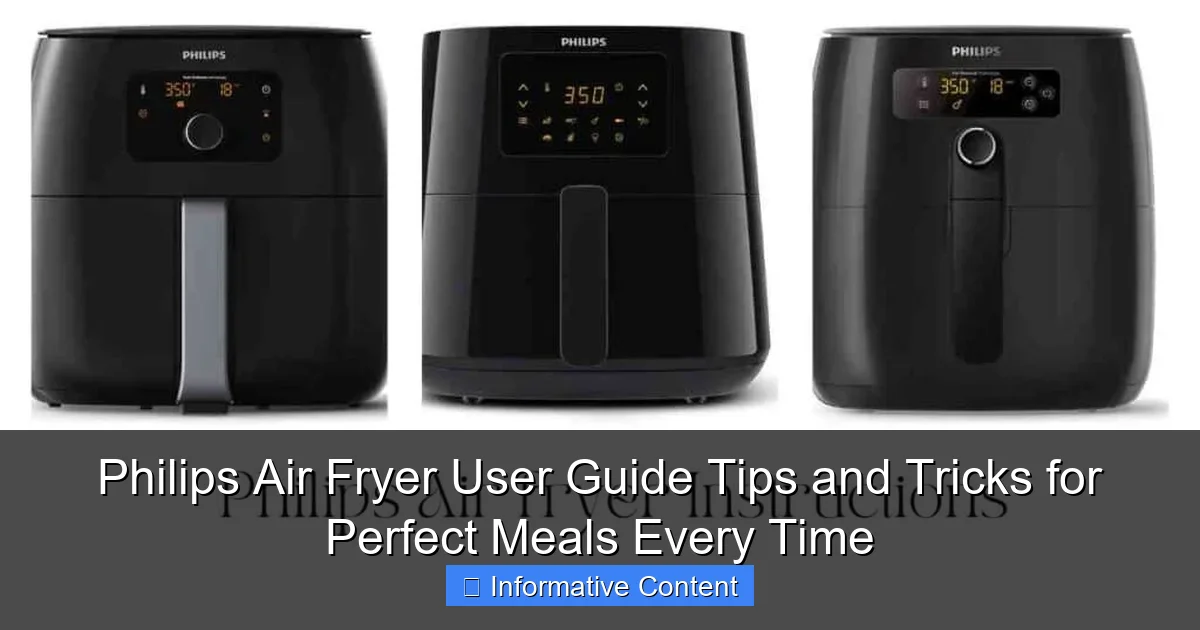
Featured image for philips air fryer user guide
Image source: fryerhouse.com
Maximize your Philips Air Fryer’s potential with expert tips from the official user guide to achieve crispy, delicious meals every time. From preheating hacks to ideal basket loads, this guide unlocks foolproof techniques that save time, reduce oil, and enhance flavor—making every dish a success.
Key Takeaways
- Preheat your air fryer for consistent, crispy results every time.
- Shake the basket halfway to ensure even cooking and browning.
- Use minimal oil—just a light spray enhances flavor without excess fat.
- Don’t overcrowd the basket to allow proper air circulation and crispiness.
- Clean after every use to maintain performance and prevent lingering odors.
- Experiment with cooking times to perfect textures for different ingredients.
📑 Table of Contents
- Getting Started with Your Philips Air Fryer
- Unboxing and Setting Up Your Philips Air Fryer
- Mastering Cooking Times and Temperatures
- Essential Philips Air Fryer Accessories and Tools
- Common Mistakes and How to Avoid Them
- Advanced Techniques for Next-Level Cooking
- Conclusion: Your Philips Air Fryer, Your Way
Getting Started with Your Philips Air Fryer
So, you’ve just unboxed your shiny new Philips air fryer, and you’re probably buzzing with excitement—or maybe a little overwhelmed. Trust me, I’ve been there. When I first got mine, I thought, “Okay, it’s like a mini convection oven, right?” But after a few burnt sweet potatoes and undercooked chicken tenders, I realized there’s a bit more to it. The good news? Once you get the hang of it, your Philips air fryer becomes your kitchen’s MVP—saving time, cutting calories, and making meals taste like they came from a fancy restaurant (without the hefty price tag).
Whether you’re a seasoned home cook or a kitchen newbie, this Philips air fryer user guide is your go-to resource for mastering the art of air frying. We’ll cover everything from setup and safety to pro tips for crispy fries, juicy meats, and even baked desserts. And don’t worry—no tech jargon or overly complicated instructions. Just simple, practical advice to help you cook perfect meals every single time.
Unboxing and Setting Up Your Philips Air Fryer
What’s in the Box?
Let’s start at the beginning. When you open your Philips air fryer box, you’ll typically find:
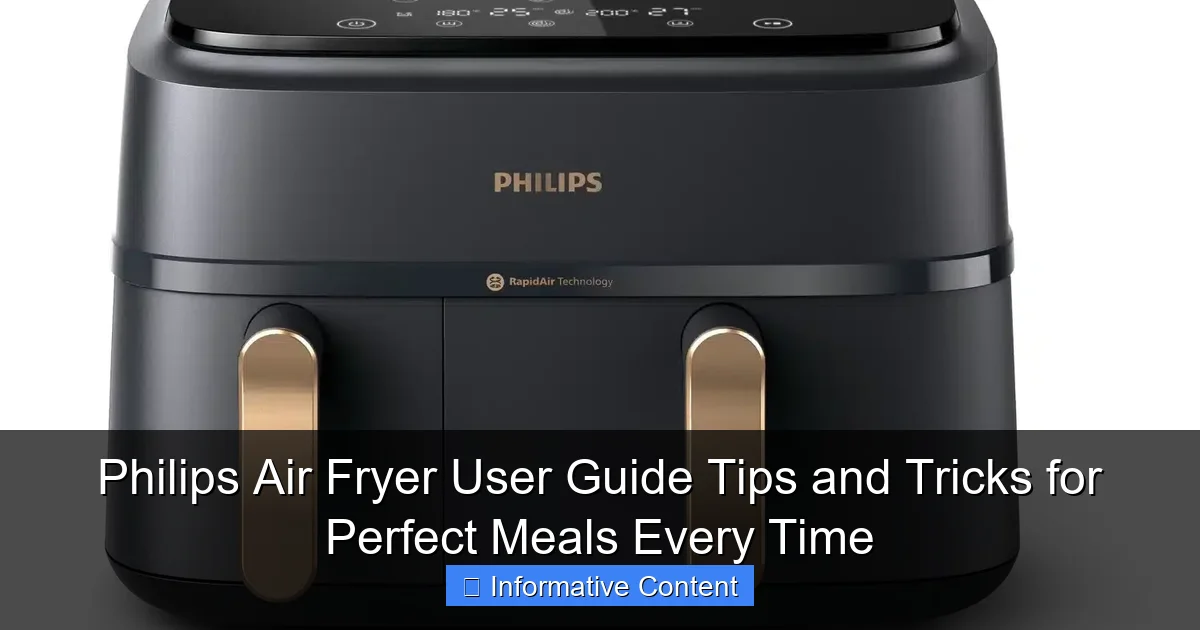
Visual guide about philips air fryer user guide
Image source: air-fryers.fr
- The main air fryer unit
- A removable frying basket (with a handle)
- A crisper plate or tray (sometimes called a “crisping insert”)
- An instruction manual (keep this handy!)
- Optional accessories (like a grill pan or skewer rack, depending on the model)
Pro tip: Don’t toss the manual. It includes model-specific details, safety warnings, and cooking charts you’ll reference later. I once skipped this step and ended up preheating my air fryer without the basket—yep, that’s a mistake you only make once.
Initial Setup and Cleaning
Before your first cook, you’ll need to clean the basket, tray, and any removable parts. Here’s how:
- Wash the basket and tray with warm, soapy water (they’re usually dishwasher-safe, but check your manual).
- Wipe the interior and exterior of the unit with a damp cloth. Never submerge the main unit in water—this isn’t a soup pot!
- Let everything dry completely before assembling.
Now, plug it in and place it on a flat, heat-resistant surface. Make sure there’s at least 5 inches of space around it for ventilation. I learned this the hard way when I placed mine too close to the wall—smoke detector, anyone?
First-Time Use: The “Dry Run”
Philips recommends a “dry run” to burn off any manufacturing residues. Here’s how:
- Insert the empty basket into the unit.
- Set the temperature to 400°F (200°C) and timer to 10 minutes.
- Let it run. You might see a bit of smoke or a plastic smell—this is normal. Open a window or turn on a fan.
After the cycle, wipe the basket with a damp cloth. You’re now ready to cook!
Mastering Cooking Times and Temperatures
Understanding the Basics
The magic of the Philips air fryer lies in rapid hot air circulation. Unlike traditional ovens, it preheats quickly and cooks food faster. But here’s the catch: air fryers aren’t one-size-fits-all. Cooking times vary based on:
- Food type (e.g., frozen vs. fresh, meat vs. veggies)
- Quantity (overcrowding = soggy results)
- Model (some Philips models have dual baskets or smart sensors)
For example, 1 pound of frozen French fries might take 12 minutes at 400°F, while fresh asparagus could need just 8 minutes at 375°F. Always start with the lower end of the time range and check early—air fryers are fast!
General Cooking Guidelines
Here’s a quick reference for common foods (adjust based on your model and preferences):
| Food | Temperature (°F) | Time (minutes) | Tips |
|---|---|---|---|
| Frozen fries | 400 | 10–15 | Shake basket halfway |
| Chicken tenders | 375 | 12–15 | Spray with oil for crispiness |
| Salmon fillet | 380 | 10–12 | Season generously; don’t flip |
| Broccoli | 390 | 8–10 | Toss with oil and salt |
| Hard-boiled eggs | 270 | 15 | Peel after cooling in ice water |
| Brownies | 325 | 20–25 | Use a small cake pan |
Note: These are starting points. Always check food for doneness.
Pro Tips for Perfect Results
- Don’t overcrowd: Leave space between items for air to circulate. For 1 pound of fries, use 2–3 batches instead of one.
- Shake or flip halfway: This ensures even cooking. Use tongs for delicate items like fish.
- Use a light oil spray: A spritz of avocado or olive oil adds crispiness without excess fat. (I use a $5 spray bottle—works like a charm.)
- Adjust for frozen foods: Add 2–5 minutes to the time, but reduce temperature by 10–20°F to avoid burning.
Essential Philips Air Fryer Accessories and Tools
Built-In vs. Third-Party Accessories
Many Philips models come with a crisper plate (great for small items like shrimp or nuts). But you can expand your toolkit with:
- Silicone liners: Prevents sticking and makes cleanup a breeze. I use mine for baking or sticky foods like honey-glazed chicken.
- Grill pan: Perfect for searing meats or grilling veggies. Look for a Philips-branded one to ensure fit.
- Skewer rack: Ideal for kebabs or chicken wings. (I once made teriyaki skewers—game-changer!)
- Stackable racks: Double your cooking space for items like chicken wings or veggies.
Third-party accessories (like silicone molds or cake pans) work too, but always check that they’re heat-resistant up to 400°F and fit your basket size.
Cleaning and Maintenance Tools
Keep your air fryer in top shape with:
- Non-abrasive sponge: Avoid steel wool—it scratches non-stick coatings.
- Dishwasher-safe basket: If your model allows, toss it in the dishwasher weekly.
- Soft brush: For hard-to-reach crevices. I use an old toothbrush for crumbs.
- White vinegar: Soak the basket in a 1:1 vinegar-water solution to remove stubborn grease.
Clean the basket and tray after every use. Trust me, dried-on gunk is a nightmare to scrub later.
Storage Solutions
To save space, store the basket inside the unit when not in use. Keep accessories in a labeled bin or drawer. I use a clear plastic container—no more hunting for the skewer rack at dinnertime!
Common Mistakes and How to Avoid Them
Mistake 1: Overcrowding the Basket
This is the #1 error. When you pile in too much food, hot air can’t circulate, leading to soggy, uneven results. Solution: Cook in batches. For example, 12 chicken wings? Do two rounds of 6. Your taste buds will thank you.
Mistake 2: Skipping the Shake or Flip
Food on the bottom of the basket gets crispier than the top. Solution: Pause halfway through cooking and shake the basket (for fries) or flip items with tongs (for chicken). I set a phone reminder so I don’t forget.
Mistake 3: Using Too Much Oil
Air fryers are designed to crisp food with minimal oil. Overdoing it creates smoke and greasy results. Solution: Use a spray bottle with 1–2 tsp of oil. For marinades, pat food dry before cooking—excess moisture = steam, not crispiness.
Mistake 4: Ignoring Preheating
While not always required, preheating (5 minutes at your target temp) ensures even cooking. Solution: Preheat for meats, frozen foods, or delicate items like fish. Skip it for quick-cook veggies.
Mistake 5: Not Adjusting for Frozen Foods
Frozen fries or nuggets often cook faster than fresh. Solution: Start with 80% of the recommended time, then add minutes as needed. I once burned a batch of mozzarella sticks—lesson learned!
Advanced Techniques for Next-Level Cooking
Cooking Multiple Foods at Once
Got picky eaters or a big family? Use a divider (like a silicone one) to cook two foods in one basket. Example:
- Half basket: Brussels sprouts (390°F, 10 min)
- Other half: Chicken breasts (375°F, 15 min)
Pro tip: Start with the longer-cooking item, then add the other halfway through.
Reheating Leftovers Like a Pro
Air fryers reheat food better than microwaves. For:
- Pizza: 350°F, 3–4 minutes (crispy crust, melty cheese)
- Fried chicken: 360°F, 5–6 minutes (no soggy skin!)
- Pasta: Add 1 tbsp water to the basket, then air fry at 325°F for 5 minutes to steam.
Baking and Desserts
Yes, you can bake in your air fryer! Use a small cake pan or silicone mold. Try:
- Brownies: 325°F, 20–25 minutes (test with a toothpick)
- Apple chips: Thinly slice apples, sprinkle with cinnamon, and air fry at 350°F for 10–12 minutes.
- Banana bread: 325°F, 25–30 minutes (cover with foil to prevent over-browning).
Tip: Grease the pan lightly and avoid overfilling—air needs to circulate!
Marinating and Seasoning Hacks
Boost flavor with:
- Marinades: 30+ minutes for meats (e.g., soy sauce + garlic + ginger for chicken).
- Seasoning blends: Toss veggies with smoked paprika, cumin, or everything bagel seasoning.
- Finishing touches: Sprinkle fresh herbs or parmesan after cooking.
Conclusion: Your Philips Air Fryer, Your Way
By now, you’re not just following a Philips air fryer user guide—you’re thinking like a pro. Remember, every air fryer (and cook!) has a learning curve. That first batch of slightly overcooked sweet potatoes? It’s part of the journey. The key is to experiment, adjust, and keep notes. I keep a little notebook with cooking times and tweaks—it’s saved me from many kitchen disasters.
The best part? Your air fryer isn’t just for “fried” foods. It’s a versatile tool for roasting, baking, reheating, and even steaming (with a little water in the basket). Whether you’re cooking for one or feeding a crowd, it’s all about finding what works for you. So go ahead—try that recipe you’ve been eyeing, invite friends over for crispy wings, or bake a batch of chocolate chip cookies. With these tips and tricks, every meal will be a win. And hey, if you ever get stuck, just think: “What would my air fryer do?” The answer is usually “crisp it up.” Happy cooking!
Frequently Asked Questions
How do I use the Philips Air Fryer for the first time?
Before first use, wash the basket and pan with warm soapy water, then wipe dry. Preheat the air fryer for 5 minutes at 180°C (350°F) to eliminate any manufacturing odors. Always refer to your Philips Air Fryer user guide for model-specific settings.
What are the best settings for crispy fries in a Philips Air Fryer?
For golden, crispy fries, use 200°C (390°F) for 12–15 minutes, shaking the basket halfway. Lightly coat frozen or fresh fries with oil and avoid overcrowding for even airflow.
Can I cook raw meat in my Philips Air Fryer?
Yes! The Philips Air Fryer user guide recommends cooking raw meat (like chicken wings or steak) at 180–200°C (350–390°F). Use a meat thermometer to ensure safe internal temperatures (e.g., 75°C/165°F for poultry).
How do I clean my Philips Air Fryer properly?
Remove the basket and pan after cooling, then wash with a non-abrasive sponge and mild detergent. Wipe the heating element with a damp cloth—never immerse the main unit in water.
Why is my food not cooking evenly in the air fryer?
Overfilling the basket blocks airflow. Cook in small batches and shake the basket every 5–10 minutes. Consult your Philips Air Fryer user guide for recommended quantities per food type.
Can I use aluminum foil or parchment paper in my Philips Air Fryer?
Yes, but ensure foil/parchment doesn’t cover the entire basket—leave space for air circulation. Always weigh down paper with food to prevent it from flying into the heating element.