

Featured image for what bowls can i put in air fryer
Image source: bellyfull.net
Only use oven-safe, heat-resistant bowls made of ceramic, glass, or metal in your air fryer to avoid melting, cracking, or releasing harmful chemicals. Always check for air fryer-safe labels and ensure the bowl fits without blocking airflow for even cooking and optimal performance.
Key Takeaways
- Use oven-safe bowls: Only choose bowls labeled for oven or air fryer use.
- Avoid plastic: Never put plastic bowls in air fryers—they can melt or warp.
- Check heat resistance: Ensure bowls withstand temperatures up to 400°F (205°C).
- Pick the right size: Choose bowls that fit without blocking air circulation.
- Prefer ceramic or glass: These materials are safest and distribute heat evenly.
- Skip metal bowls: Metal can damage air fryer baskets or cause sparks.
- Always verify manufacturer guidelines: Follow instructions for your specific air fryer model.
📑 Table of Contents
- Why You Should Know What Bowls Can Go in Your Air Fryer
- Understanding Air Fryer Heat and Safety Basics
- Safe Bowl Materials You Can Use in Your Air Fryer
- Size, Shape, and Airflow: The Practical Considerations
- Top 5 Air Fryer Bowl Recommendations (With Real-World Use)
- Creative Ways to Use Bowls in Your Air Fryer
- Final Thoughts: Choosing the Right Bowl for Your Air Fryer
Why You Should Know What Bowls Can Go in Your Air Fryer
Let’s be honest—air fryers have become the kitchen MVP for a reason. They make crispy fries, juicy chicken, and even desserts in a fraction of the time it takes to use a conventional oven. But here’s a question I’ve asked myself more than once: What bowls can I put in air fryer without setting off the smoke alarm or ruining my meal?
I remember the first time I tried to cook a frittata in my air fryer. I grabbed a pretty ceramic bowl from my cabinet, poured in the eggs and veggies, and set the timer. Ten minutes later, I was met with a strange smell and a slightly warped bowl. Not exactly the breakfast of champions. That experience taught me a hard lesson: not all bowls are created equal when it comes to air fryer safety. The intense heat and rapid air circulation inside your air fryer can turn a simple cooking shortcut into a kitchen disaster if you’re using the wrong materials.
Understanding Air Fryer Heat and Safety Basics
How Air Fryers Work (And Why It Matters for Bowls)
Air fryers use convection heating—meaning they blow super-hot air around your food at high speed to create that crispy, fried-like texture. This process can reach temperatures between 300°F and 400°F (149°C to 204°C), depending on your model and settings. Unlike a slow oven, the air fryer heats up fast and keeps the heat consistent throughout cooking.
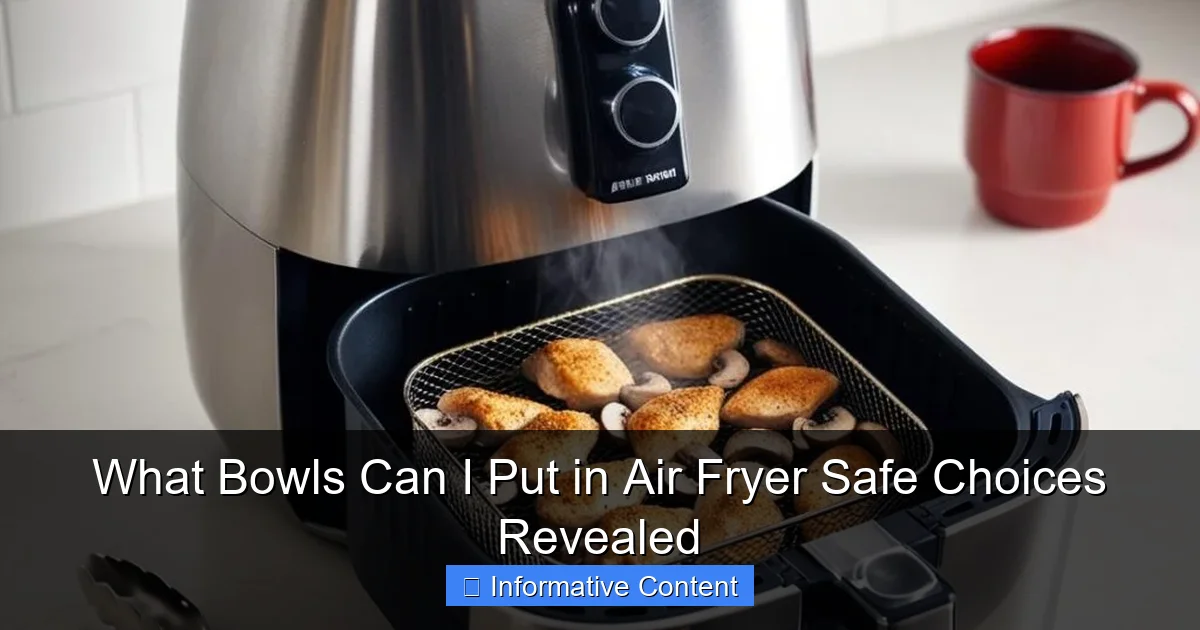
Visual guide about what bowls can i put in air fryer
Image source: unboxedzone.com
Because of this intense, direct heat, the bowl you place inside must be able to:
- Withstand high temperatures without cracking or melting
- Resist thermal shock (sudden temperature changes)
- Not leach chemicals into your food
- Allow even heat distribution
Think of it like this: you wouldn’t put a plastic takeout container in a 400°F oven, right? The same rule applies here. The what bowls can I put in air fryer question isn’t just about convenience—it’s about safety, food quality, and protecting your appliance.
Common Materials That Are a No-Go
Before we dive into the safe options, let’s clear up what you should never use in your air fryer:
- Plastic bowls: Most plastics melt or warp at high heat. Even “microwave-safe” plastic isn’t designed for 400°F environments.
- Paper or cardboard: These can catch fire, especially near heating elements.
- Non-heat-resistant glass: Regular glass (like a drinking glass) can shatter from thermal shock.
- Aluminum foil (loose or crumpled): While foil is sometimes used, loose or crumpled foil can block airflow or touch the heating element and cause sparks.
- Styrofoam or polystyrene: These melt instantly and release toxic fumes.
I once saw a friend try to cook a mini lasagna in a plastic food storage container. Needless to say, the container deformed, and the lasagna had a strange, melted-plastic taste. Not a repeat experience.
Safe Bowl Materials You Can Use in Your Air Fryer
1. Oven-Safe Ceramic and Stoneware
Ceramic and stoneware bowls are among the safest and most versatile options for air fryers. These materials are designed to handle high heat and are commonly used in conventional ovens. Look for bowls labeled “oven-safe” or “heat-resistant up to 450°F (232°C).”
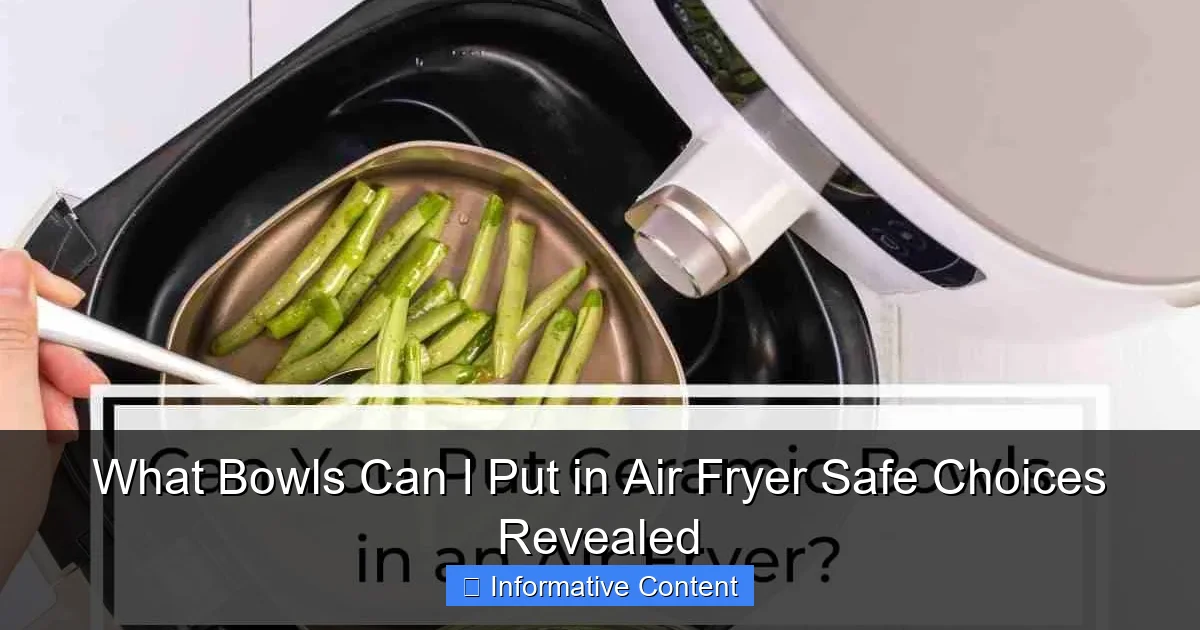
Visual guide about what bowls can i put in air fryer
Image source: orbitkitchen.com
Why they work:
- Even heat distribution prevents hot spots
- Non-porous surfaces won’t absorb odors or flavors
- Sturdy and durable when used correctly
Tips for using ceramic bowls:
- Always check the bottom for oven-safe symbols (like a square with wavy lines)
- Preheat the bowl slightly by placing it in the air fryer during the preheat cycle (if your model has one)
- Avoid sudden temperature changes—don’t place a cold bowl directly into a preheated air fryer
Real-life example: I love making mini casseroles in my 2-quart ceramic baking dish. It fits perfectly in my 5.8-quart air fryer basket, and the results are golden and bubbly every time.
2. Heat-Resistant Glass (Borosilicate or Tempered)
Glass bowls made from borosilicate (like Pyrex) or tempered glass are excellent choices. These types of glass are specifically engineered to withstand high temperatures and thermal shock.
Key benefits:
- You can see your food cooking—no need to open the basket
- Non-reactive, so they won’t affect the taste of acidic foods like tomatoes or citrus
- Easy to clean and dishwasher-safe
Important precautions:
- Never use cold glass in a hot air fryer. Always let the glass warm up gradually.
- Avoid sudden temperature changes—don’t place a hot glass bowl on a cold countertop.
- Check for cracks or chips before use. Damaged glass can shatter under heat.
One of my favorite uses is making individual oatmeal cups with fruit and nuts. I use 10-ounce tempered glass ramekins, and they come out perfectly cooked with no sticking.
3. Silicone Bowls and Baking Molds
Silicone is a game-changer for air fryers. It’s flexible, heat-resistant (usually up to 428°F/220°C or higher), and non-stick. Silicone muffin tins, mini loaf pans, and round bowls are perfect for portion-controlled meals.
Advantages of silicone:
- Easy to remove food—just pop it out
- Lightweight and won’t scratch your air fryer basket
- Collapsible for easy storage
What to watch for:
- Only use food-grade silicone (look for “100% silicone” labels)
- Low-quality silicone can have a chemical taste or smell
- Silicone is less rigid, so it may tip over if not placed carefully
I use silicone muffin cups to make egg bites for breakfast. They’re perfect for meal prep, and cleanup takes seconds.
4. Stainless Steel and Metal Bowls (With Caution)
Yes, you can use metal in your air fryer—but with important caveats. Stainless steel bowls, especially those designed for baking (like cake pans or loaf tins), are generally safe. However, there are a few things to keep in mind:
- Never use metal with sharp edges or corners that could scratch your air fryer basket’s non-stick coating.
- Ensure the metal is thick enough to prevent warping. Thin aluminum or tin can bend under high heat.
- Don’t let metal touch the heating element—this can cause sparks or damage.
Best uses for metal:
- Baking small cakes or brownies
- Making frittatas or quiches
- Roasting small batches of vegetables in a metal bowl
I have a 6-inch stainless steel cake pan that I use for mini cheesecakes. It holds its shape and gives a beautiful golden crust.
Size, Shape, and Airflow: The Practical Considerations
Why Size Matters More Than You Think
Your air fryer needs space for air to circulate. That’s the whole point! If your bowl is too big, it can block airflow, leading to uneven cooking and longer cook times. If it’s too small, your food might overflow or cook too quickly.
General guidelines:
- Leave at least 1 inch (2.5 cm) of space between the bowl and the air fryer basket walls
- Ensure the bowl doesn’t cover more than 70% of the basket’s surface area
- For round air fryers, use round bowls; for square/rectangular models, square bowls work best
I learned this the hard way when I tried to use a 4-cup ceramic bowl in my 3.5-quart air fryer. The bowl blocked too much airflow, and the top of my lasagna was dry while the bottom was undercooked. Now I stick to 2-cup bowls for most recipes.
Shape and Depth: Getting the Balance Right
The shape of your bowl affects how heat reaches your food. Here’s what works best:
- Shallow bowls (1–2 inches deep): Great for casseroles, frittatas, and layered dishes. Heat penetrates evenly.
- Medium-depth bowls (2–3 inches): Ideal for soufflés, puddings, and cakes. They hold shape without overcooking the top.
- Deep bowls (over 3 inches): Use sparingly. They can trap heat and lead to soggy bottoms unless you stir or flip halfway.
For example, I make a mean spinach and cheese strata in a 2-inch deep ceramic dish. The bread stays fluffy, and the cheese gets perfectly golden.
Airflow Hacks for Better Results
To maximize airflow around your bowl, try these tips:
- Use a baking rack or trivet to elevate the bowl slightly
- Place the bowl on an air fryer silicone mat (designed to allow air circulation)
- Rotate the bowl halfway through cooking (if your model allows it)
- Use perforated parchment paper under the bowl if needed
One of my favorite tricks is placing a silicone muffin cup on a small metal trivet. This keeps it stable and ensures hot air reaches all sides.
Top 5 Air Fryer Bowl Recommendations (With Real-World Use)
Based on years of testing and kitchen mishaps, here are my top picks for bowls that work safely and effectively in air fryers:
| Product | Material | Best For | Max Temp | My Experience |
|---|---|---|---|---|
| Pyrex 2-Cup Glass Measuring Cup | Borosilicate Glass | Oatmeal, egg dishes, mini casseroles | 425°F (218°C) | Perfect size, easy to see food, no warping after 50+ uses |
| Silicone Muffin Cups (12-pack) | Food-Grade Silicone | Egg bites, muffins, cupcakes | 428°F (220°C) | Flexible, non-stick, great for meal prep |
| Le Creuset Mini Cocotte | Oven-Safe Ceramic | Individual soufflés, desserts, dips | 500°F (260°C) | Expensive but worth it—durable and beautiful |
| OXO Good Grips 3-Cup Stainless Steel Bowl | Stainless Steel | Roasting veggies, baking small cakes | 500°F (260°C) | Sturdy, no warping, easy to clean |
| Silicone Round Baking Dish (8-inch) | Food-Grade Silicone | Brownies, quiches, casseroles | 450°F (232°C) | Collapsible for storage, great for small batches |
These aren’t just “safe” options—they’re ones I use weekly. The what bowls can I put in air fryer question isn’t just about safety; it’s about finding tools that make cooking easier and more enjoyable.
Creative Ways to Use Bowls in Your Air Fryer
Breakfast: Egg Dishes and Oatmeal Cups
Start your day right with these air fryer bowl ideas:
- Mini Frittatas: Whisk eggs with spinach, cheese, and diced ham. Pour into silicone muffin cups. Cook at 350°F for 12–15 minutes.
- Overnight Oats: Combine oats, milk, chia seeds, and fruit in a glass bowl. Chill overnight, then warm in the air fryer at 300°F for 10 minutes.
- Egg and Veggie Scramble: Mix scrambled eggs with bell peppers, onions, and cheese in a ceramic ramekin. Cook at 375°F for 10 minutes.
Lunch and Dinner: Mini Casseroles and One-Bowl Meals
Who says you need multiple pans for a full meal?
- Chicken and Rice Casserole: Layer cooked rice, shredded chicken, cream of mushroom soup, and cheese in a 2-cup ceramic bowl. Cook at 375°F for 20 minutes.
- Stuffed Peppers (Mini Version): Hollow out small bell peppers and fill with ground turkey, rice, and tomato sauce. Place in a silicone baking dish. Cook at 360°F for 25 minutes.
- Mac and Cheese Cups: Make a small batch of mac and cheese, pour into silicone muffin cups, top with breadcrumbs. Cook at 350°F for 15 minutes.
Desserts: From Brownies to Cheesecakes
Yes, you can bake desserts in your air fryer!
- Single-Serve Brownies: Use a silicone 4-inch round pan. Pour batter and cook at 325°F for 18–20 minutes.
- Mini Cheesecakes: Use a 6-inch stainless steel springform pan. Cook at 325°F for 25 minutes, then chill.
- Fruit Crumbles: Combine fruit, oats, butter, and sugar in a ceramic ramekin. Cook at 350°F for 20 minutes.
Final Thoughts: Choosing the Right Bowl for Your Air Fryer
When it comes to the what bowls can I put in air fryer question, the answer is both simple and flexible: use materials designed for high heat and proper airflow. Ceramic, tempered glass, food-grade silicone, and sturdy stainless steel are your best friends. Avoid anything plastic, paper, or fragile.
Remember, your air fryer is a powerful tool—but it’s not magic. The right bowl makes all the difference between a kitchen disaster and a delicious, perfectly cooked meal. Think about what you cook most often, choose a few versatile bowls, and start experimenting.
I’ve had my share of melted plastic and cracked glass, but those mistakes led me to discover some of my favorite cooking hacks. Whether you’re making breakfast, lunch, dinner, or dessert, there’s a safe, effective bowl waiting to help you get the most out of your air fryer. So go ahead—try that recipe, test a new bowl, and enjoy the crispy, juicy, golden results you’ve been dreaming of. Your air fryer (and your taste buds) will thank you.
Frequently Asked Questions
What bowls can I put in air fryer without damaging it?
You can safely use oven-safe ceramic, glass (like Pyrex), and heat-resistant silicone bowls in your air fryer. Avoid plastic, melamine, or any bowl not labeled for high-heat cooking to prevent warping or toxic fumes.
Can I use metal bowls in an air fryer?
Yes, stainless steel or aluminum metal bowls are safe for air fryers since they withstand high temperatures. Ensure the bowl doesn’t touch the heating element or basket edges to avoid sparking or damage.
Are silicone bowls safe for air fryer cooking?
Food-grade, heat-resistant silicone bowls (rated for 400°F+) are a great choice for air fryers. They’re lightweight and flexible, but avoid low-quality silicone that may melt or leach chemicals.
What bowls can I put in air fryer if they’re not oven-safe?
Stick to bowls explicitly labeled oven-safe or heat-resistant—never use regular plastic, paper, or styrofoam in an air fryer. These materials can melt, catch fire, or release harmful toxins when exposed to high heat.
Can I use a ceramic bowl in my air fryer?
Ceramic bowls are safe for air fryers as long as they’re labeled oven-safe and free of metallic paint or decorations. Preheat the bowl slightly to prevent thermal shock and cracking.
Do I need special bowls for air fryer recipes?
While not mandatory, using oven-safe or air fryer-specific bowls ensures even cooking and prevents damage. Look for bowls made of ceramic, glass, or metal to match the air fryer’s intense, direct heat.