
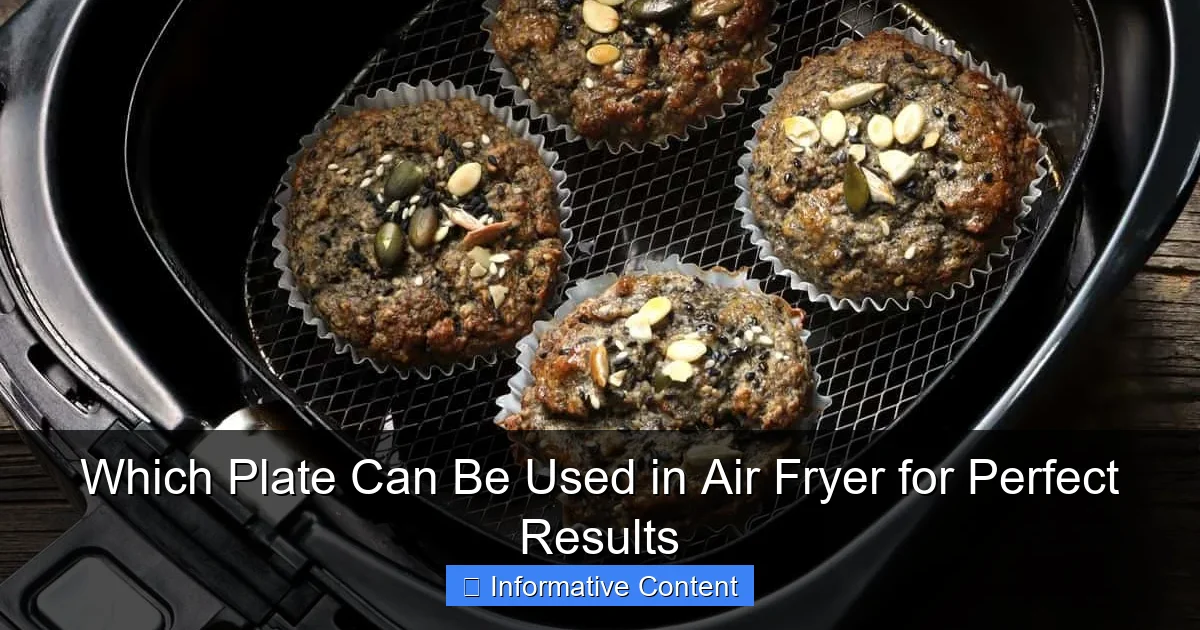
Featured image for which plate can be used in air fryer
Image source: plattertalk.com
Only use oven-safe, heat-resistant plates made of materials like ceramic, silicone, or tempered glass in your air fryer to ensure safety and perfect results. Avoid metal or plastic plates, as they can damage the basket or release harmful fumes under high heat. Always check manufacturer guidelines to confirm compatibility and prevent warping or cracking during cooking.
Key Takeaways
- Use oven-safe plates: Only use ceramic, glass, or metal plates labeled oven-safe.
- Avoid plastic: Plastic plates melt or warp under high heat.
- Check size: Ensure the plate fits without blocking air circulation.
- Prefer perforated plates: Holes improve airflow for even cooking.
- Skip non-stick coatings: High heat can damage non-stick surfaces.
- Test stability: Secure the plate to prevent tipping during cooking.
📑 Table of Contents
- Why the Right Plate Matters in Your Air Fryer
- Understanding Air Fryer Heat and Airflow
- Safe and Compatible Plate Materials
- Specialty Air Fryer Plates and Accessories
- Tips for Using Plates in Your Air Fryer
- Real-World Examples and Plate Recommendations
- Final Thoughts: Choosing the Right Plate for Perfect Results
Why the Right Plate Matters in Your Air Fryer
Let’s be honest—air fryers have changed the way we cook. They promise crispy fries without the guilt, juicy chicken with less oil, and even reheated leftovers that taste fresh. But here’s the catch: not all cookware plays nice with your air fryer. I learned this the hard way when I tried to crisp up some leftover pizza on a ceramic plate. Spoiler alert: it didn’t end well. The plate cracked, the pizza stuck, and I was left with a mess and a lesson learned. That moment made me realize just how important it is to use the right plate in your air fryer—not just for safety, but for flavor, texture, and longevity of your appliance.
Whether you’re roasting veggies, baking small desserts, or reheating a sandwich, the plate you choose can make or break your air frying experience. The wrong material can warp, crack, or even release harmful chemicals under high heat. On the other hand, the right plate can enhance airflow, promote even cooking, and make cleanup a breeze. In this guide, we’ll walk through exactly which plate can be used in air fryer setups, why some materials work better than others, and how to get the most out of your air frying adventures—without the kitchen disasters.
Understanding Air Fryer Heat and Airflow
How Air Fryers Work (And Why Plates Matter)
Before we dive into specific plate types, it’s important to understand how your air fryer actually works. Unlike conventional ovens, which rely on radiant heat from elements above or below, air fryers use a powerful convection fan to circulate hot air rapidly around food. This rapid airflow creates a crispy, golden exterior—think deep-fried texture, but with up to 80% less oil.
Visual guide about which plate can be used in air fryer
Image source: pngimg.com
Now, here’s where plates come in: airflow is everything. If your plate is too thick, too wide, or blocks the sides, it disrupts the circulation. That’s why a plate that works in a microwave or toaster oven might fail in an air fryer. The goal is to allow hot air to move freely around all sides of the food. A plate that’s too tall, too wide, or made from a dense material can create hot spots or cold zones, leading to uneven cooking.
Ideal Plate Dimensions and Design
So what’s the sweet spot? Most standard air fryer baskets are around 6 to 7 inches in diameter, though sizes vary. To ensure proper airflow, your plate should be:
- Smaller than the basket’s interior (leave at least 0.5 inches of space on all sides)
- Low-profile (under 1 inch tall) to avoid blocking the fan
- Lightweight and designed for convection cooking
- Flat-bottomed to sit securely without wobbling
For example, I once tried using a large dinner plate in my 5.8-quart air fryer. It covered the entire basket, blocking airflow. The result? Soggy chicken wings on top, slightly burned on the edges. Lesson learned: size and shape matter just as much as material.
Safe and Compatible Plate Materials
Oven-Safe Ceramic and Stoneware
Ceramic and stoneware plates are a popular choice—especially if you already own oven-safe dishes. The key is making sure they’re labeled “oven-safe” and can withstand temperatures up to 450°F (232°C), which is the max most air fryers reach. I use a small ceramic pie plate for baking mini quiches and it works beautifully. The even heat distribution helps cook the eggs perfectly without drying them out.

Visual guide about which plate can be used in air fryer
Image source: airfryermasterchef.com
But here’s the catch: not all ceramic is created equal. Avoid decorative plates with metallic glazes or painted finishes—these can contain lead or other toxic substances that may leach under high heat. Also, sudden temperature changes can cause thermal shock, leading to cracks. Always preheat the air fryer first, and never go from fridge to hot basket with a ceramic plate.
Tip: Look for labels like “dishwasher-safe,” “microwave-safe,” and “oven-safe to 450°F.” These are good indicators that the plate can handle air fryer temps.
Heat-Resistant Glass (Borosilicate)
Glass plates made from borosilicate (like Pyrex or tempered glass) are another excellent option. They’re non-reactive, easy to clean, and allow you to monitor cooking progress through the sides. I love using a small glass ramekin for reheating garlic bread—the crust stays crisp, and the inside stays warm without drying out.
However, glass can be heavy and may block airflow if the dish is too tall. Choose shallow glass containers—like soufflé ramekins or small casserole dishes—and avoid those with plastic lids, as plastic isn’t air fryer-safe.
One thing to watch: older glass dishes may not be rated for convection heat. Check the bottom for temperature ratings. If it only says “microwave-safe,” it might not survive the air fryer’s intense airflow and heat.
Food-Grade Silicone Molds and Trays
Silicone is a game-changer for air fryers. It’s lightweight, flexible, and designed to handle extreme temperatures—usually from -40°F to 450°F or higher. I use silicone muffin molds to make mini meatloaves, and they come out perfectly shaped and easy to pop out.
The best part? Silicone doesn’t stick (especially if lightly oiled), and it allows air to circulate around each portion. Plus, it’s collapsible, so it stores easily. Just make sure your silicone is 100% food-grade and free from fillers. Cheap silicone can melt or emit a strange odor when heated.
Pro tip: Place silicone molds on a metal tray or rack to stabilize them, especially if they’re floppy. This prevents spills and ensures even cooking.
Metal Pans and Dishes (Stainless Steel, Aluminum, Cast Iron)
Metal is one of the best materials for air fryers—because it conducts heat well and doesn’t interfere with airflow. Stainless steel, aluminum, and even small cast iron skillets work great, as long as they fit properly.
I keep a small stainless steel loaf pan for making banana bread in my air fryer. It browns evenly and holds its shape. Aluminum foil pans (like those used for takeout) are also handy for single-use cooking—perfect for camping or quick meals. Just don’t let them touch the heating element or fan, as they can melt or catch fire if too close.
Cast iron is a bit trickier. While it holds heat beautifully, it’s heavy and can scratch your air fryer basket. I’d recommend only using a small, well-seasoned cast iron skillet if your air fryer has a metal basket. And never use it in a non-stick basket—those coatings can chip under the weight and friction.
What to Avoid: Unsafe Plate Materials
Not all plates are air fryer-friendly. Here are a few to steer clear of:
- Plastic: Melts, warps, and can release toxic fumes. Never use plastic containers, even if labeled “microwave-safe.”
- Paper or cardboard: Can catch fire or disintegrate under high heat. Not safe for air frying.
- Non-oven-safe ceramics: These may contain lead or other heavy metals that leach when heated.
- Decorative or painted plates: Metallic finishes or hand-painted designs can chip or release chemicals.
- Thin glass or tempered glass not rated for convection: Risk of cracking or shattering.
I once used a plastic container to reheat soup in my air fryer—don’t ask why. The bottom melted, the soup spilled, and the smoke alarm went off. Not my finest moment. Stick to safe, tested materials.
Specialty Air Fryer Plates and Accessories
Air Fryer-Specific Baking Pans and Racks
Many brands now make accessories designed specifically for air fryers. These include:
- Mini loaf pans (great for breads, meatloaf, or casseroles)
- Egg bite molds (perfect for mini frittatas or cheesecakes)
- Silicone trivets or racks (elevate food for better airflow)
- Stackable metal trays (for cooking multiple items at once)
I bought a silicone egg bite mold after seeing it on a cooking blog. Now I make 6 mini quiches in one go, and they cook evenly thanks to the open design. The mold is small, flexible, and fits perfectly in my 5.8-quart basket. No more guessing which plate can be used in air fryer—it’s made for it.
Brands like Instant Vortex, Ninja, and Cosori offer compatible accessories. Check your air fryer model before buying—some are brand-specific.
Silicone Liners and Mats
Silicone mats are like non-stick shields for your air fryer basket. They’re reusable, easy to clean, and prevent food from sticking—especially useful for sticky items like marinated chicken or gooey desserts.
I use a silicone liner for baking cookies. It keeps them from sticking, and the holes in the liner allow air to pass through. Just make sure the mat is perforated or has airflow channels. A solid mat can block heat and defeat the purpose of air frying.
These mats also protect your basket from scratches and make cleanup easier. After cooking, I just rinse the mat and toss it in the dishwasher. No scrubbing burnt cheese off the basket!
Metal Racks and Skewers
Metal racks elevate food, allowing air to circulate underneath. This is ideal for cooking whole chickens, roasting veggies, or even making “air fryer” kebabs. I use a small metal skewer rack to make shrimp skewers—they cook evenly on all sides, and the marinade doesn’t pool at the bottom.
Just ensure the rack is made from stainless steel or another high-heat-safe metal. Avoid chrome-plated or painted racks, which can chip or release toxins.
Tips for Using Plates in Your Air Fryer
Preheating and Placement
Always preheat your air fryer before adding your plate and food. This ensures consistent cooking from the start. I usually preheat for 3–5 minutes at the desired temperature. Then, place the plate gently in the basket—don’t force it. A wobbly plate can tip over or block the fan.
For best results, center the plate in the basket. Avoid touching the sides or the heating element. If your plate is too tall, consider using a lower rack or splitting the recipe into smaller portions.
Greasing and Oil Use
Even with non-stick plates, a light spray of oil can improve browning and prevent sticking. I use a mister with olive oil or avocado oil—just a quick spritz. Avoid aerosol sprays with propellants, as they can leave a residue on the basket.
For sticky foods like fish or marinated chicken, I lightly coat the plate with oil or use parchment paper (see below). But remember: too much oil can drip and smoke, so use sparingly.
Using Parchment Paper or Perforated Liners
Parchment paper is a safe and effective option—but only if it’s perforated or has holes. Solid parchment blocks airflow and can cause uneven cooking or even fire hazards.
I use precut, perforated parchment liners for baking muffins or roasting salmon. They’re convenient, prevent sticking, and make cleanup easy. Just don’t let the paper touch the heating element. If you’re cutting your own, poke holes every inch or so to allow air to pass through.
Cleaning and Maintenance
After cooking, let the plate cool before removing. Hot plates can crack when exposed to cold water. Most silicone, glass, and ceramic plates are dishwasher-safe, but check the manufacturer’s instructions.
For metal pans, hand-washing is often best to prevent warping or rust. And always clean your air fryer basket after use—residue from oils or food can smoke during the next cook.
Real-World Examples and Plate Recommendations
Top 5 Plates I Use in My Air Fryer (And Why)
After years of trial and error, here are the five plates I reach for most:
| Plate Type | Best For | Pros | Cons |
|---|---|---|---|
| Silicone Muffin Mold | Mini quiches, egg bites, muffins | Non-stick, flexible, easy to clean | Needs support (use metal tray) |
| Oven-Safe Ceramic Pie Plate (6″) | Baking, reheating, casseroles | Even heat, dishwasher-safe | Can crack if temperature changes fast |
| Small Stainless Steel Loaf Pan | Bread, meatloaf, casseroles | Durable, conducts heat well | Can scratch basket if not careful |
| Perforated Silicone Liner | Cookies, fish, sticky foods | Prevents sticking, reusable | Must have holes for airflow |
| Glass Ramekin (8 oz) | Individual portions, reheating | See-through, microwave-safe | Can be heavy; check heat rating |
These have become my go-to tools. The silicone mold is especially versatile—I’ve used it for everything from chocolate lava cakes to mini shepherd’s pies. The ceramic pie plate is perfect for reheating a slice of lasagna without drying it out.
What I Learned From My Biggest Air Fryer Mistake
Remember that cracked ceramic plate I mentioned earlier? I was in a rush, grabbed the first plate I saw, and tossed it in with cold pizza. The sudden heat caused the plate to crack in half, and the pizza stuck to the basket. I had to scrub for 20 minutes.
That taught me two things: always use a plate rated for high heat, and never go from cold to hot without preheating. Now, I keep a small collection of air fryer-safe plates on a shelf near my appliance. It’s saved me time, money, and a lot of frustration.
Final Thoughts: Choosing the Right Plate for Perfect Results
Finding the right plate to use in your air fryer isn’t just about convenience—it’s about safety, flavor, and getting the most out of your appliance. Whether you’re baking, roasting, or reheating, the material, size, and design of your plate directly impact the outcome.
Stick to oven-safe ceramic, heat-resistant glass, food-grade silicone, and high-quality metal. Avoid plastic, paper, and decorative ceramics. Prioritize airflow, fit, and ease of cleaning. And don’t be afraid to invest in a few specialty accessories—they can open up a whole new world of air frying possibilities.
At the end of the day, your air fryer is only as good as the tools you use with it. With the right plate, you’ll get crispier fries, fluffier muffins, and juicier meats—every single time. So take a look at your kitchenware, pick a few safe, compatible plates, and get cooking. Your taste buds (and your air fryer) will thank you.
Frequently Asked Questions
What type of plate can be used in an air fryer safely?
You can use oven-safe plates made of materials like ceramic, glass (e.g., Pyrex), or metal in an air fryer. Avoid plastic or melamine, as they can melt or release harmful fumes under high heat.
Can I use a regular dinner plate in my air fryer?
Regular dinner plates are often not air fryer-safe unless labeled oven-safe. Thinner materials may crack from rapid temperature changes, so opt for heat-resistant options designed for high-heat cooking.
Which plate materials are best for even cooking in an air fryer?
Metal and dark-coated plates conduct heat best for crispy results, while ceramic or glass retains heat evenly for gentle cooking. Ensure the plate fits without blocking the air fryer’s airflow for optimal performance.
Are disposable paper plates safe to use in an air fryer?
No, disposable paper or cardboard plates are flammable and should never be used in an air fryer. Stick to non-flammable, oven-safe materials to avoid fire hazards and ensure safety.
Can I use a silicone plate or mat in an air fryer?
Yes, food-grade silicone plates or mats are safe for air fryers, as they withstand high temperatures. They’re ideal for delicate foods like fish or baked goods, but may reduce crispiness slightly.
Which plate can be used in an air fryer to avoid sticking?
Non-stick metal plates or silicone mats work best to prevent food from sticking. Lightly oil ceramic or glass plates if needed, but avoid aerosol sprays to protect the air fryer’s non-stick coating.