
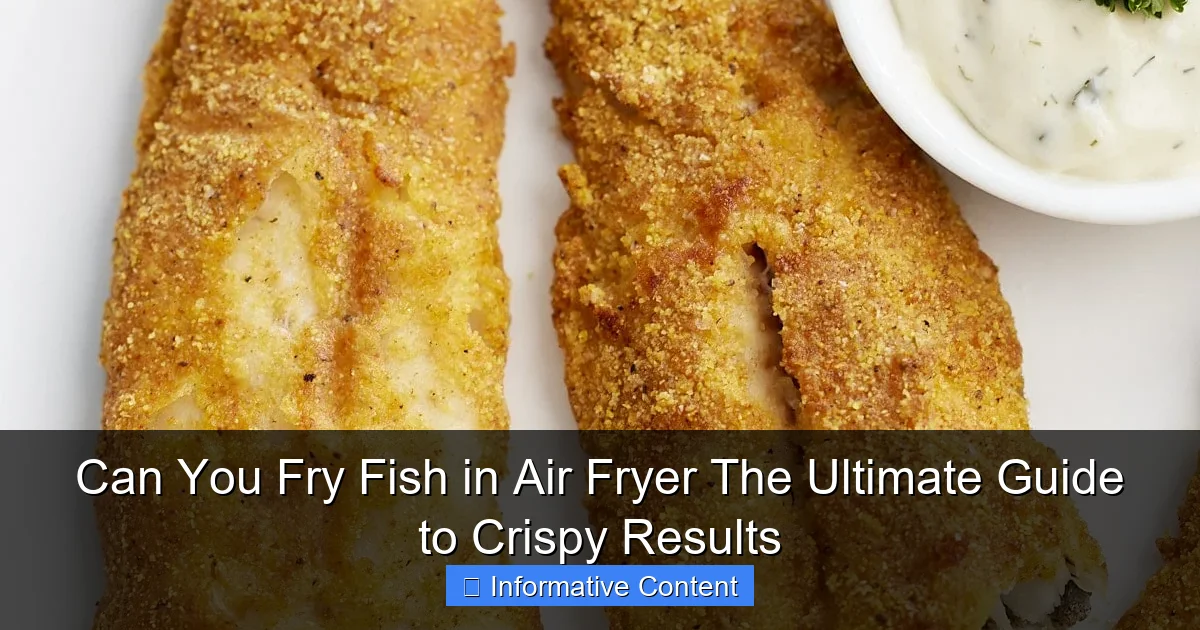
Featured image for can fry fish in air fryer
Image source: airfryerdelights.com
Yes, you can fry fish in an air fryer—and it delivers crispy, golden results with less oil and hassle than traditional frying. This guide reveals how to perfectly season, coat, and cook fish for a healthier, mess-free meal that’s ready in minutes.
Key Takeaways
- Yes, you can fry fish in an air fryer for crispy, healthier results with minimal oil.
- Preheat the air fryer to ensure even cooking and optimal crispiness every time.
- Use a light oil spray on battered fish to enhance texture without excess fat.
- Cook in batches to avoid overcrowding and achieve uniformly golden, crispy fillets.
- Season or batter properly—flavorful coatings stay intact and crisp up beautifully in air fryers.
- Check internal temperature—fish is done at 145°F for safe, flaky perfection.
📑 Table of Contents
- Can You Fry Fish in Air Fryer? The Ultimate Guide to Crispy Results
- Why Air Frying Fish Is a Game-Changer
- Choosing the Right Fish for Air Frying
- Preparing Fish for the Air Fryer: Breading, Seasoning, and Oil
- Step-by-Step: How to Fry Fish in Air Fryer
- Common Mistakes and How to Fix Them
- Creative Air Fryer Fish Recipes and Variations
Can You Fry Fish in Air Fryer? The Ultimate Guide to Crispy Results
Picture this: it’s a Friday night, and you’re craving that golden, crispy fish you usually get from your favorite seafood joint. But you don’t want to deal with the mess of deep frying or the guilt of all that oil. That’s when it hits you—what if you could get that same crunchy texture using just your air fryer? I’ve been in that exact spot more times than I can count. And after testing countless batches, tweaking temperatures, and even burning a few pieces along the way, I’ve discovered that yes, you absolutely can fry fish in an air fryer—and get results that rival deep-fried perfection.
This guide is for anyone who’s ever wondered, “Can you fry fish in air fryer?” Maybe you’re a health-conscious cook looking to cut down on oil, a busy parent wanting quick weeknight meals, or a kitchen newbie just trying to avoid another soggy disappointment. Whatever your reason, I’ve got you covered. We’ll walk through everything from choosing the right fish to nailing the perfect crisp, all while keeping things simple, safe, and delicious. No fancy jargon, no over-the-top claims—just honest, practical advice based on real kitchen experience.
Why Air Frying Fish Is a Game-Changer
Gone are the days when “frying” meant a vat of bubbling oil and a kitchen that smells like a fish market. The air fryer has changed the game, and for good reason. It uses rapid hot air circulation to crisp up food with a fraction of the oil—usually just a light spray or drizzle. For fish, this means you can enjoy that satisfying crunch without the greasiness or the cleanup.
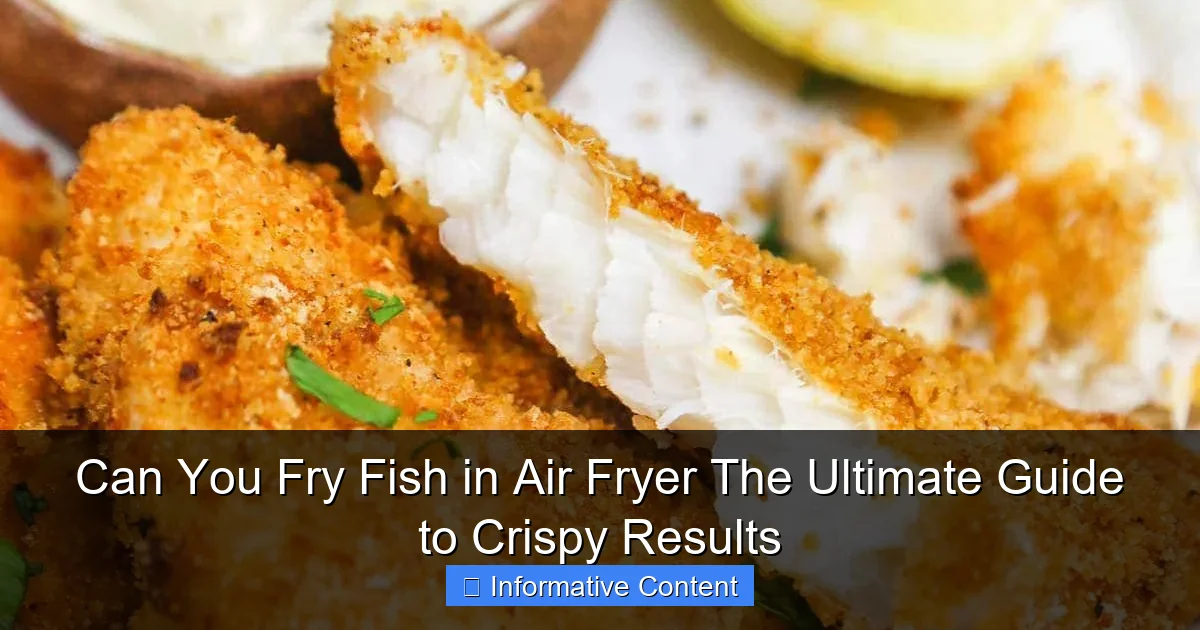
Visual guide about can fry fish in air fryer
Image source: littlesunnykitchen.com
Healthier Without Sacrificing Flavor
One of the biggest wins with air frying is the health factor. Traditional deep-fried fish can absorb up to 20% of its weight in oil. That’s a lot of unnecessary fat and calories. In contrast, air frying uses 70–80% less oil. A 4-ounce fillet of cod, for example, might soak up 15 grams of fat when deep-fried, but with an air fryer, you’re looking at just 2–3 grams with a light coating of oil. That’s a win for your heart and your waistline.
But here’s the best part: you don’t have to give up flavor. With the right seasoning and technique, air-fried fish can be just as savory and satisfying. I remember the first time I made air-fried salmon for my skeptical brother. He took one bite and said, “Wait… this tastes like the real thing?” That moment sealed the deal for me.
Speed, Convenience, and Less Mess
Let’s be honest—deep frying is a hassle. You need a deep pot, a thermometer, oil that takes forever to heat, and a cleanup that feels like a chemistry experiment gone wrong. The air fryer, on the other hand, preheats in minutes, cooks faster (usually 10–15 minutes), and leaves your kitchen smelling fresh. Plus, most air fryer baskets are non-stick and dishwasher-safe. No scrubbing, no oil splatter, no lingering fish smell.
I’ve even started using my air fryer for fish tacos on busy weeknights. I prep the fish in the morning, pop it in the air fryer after work, and in less than 15 minutes, dinner’s ready. It’s become my go-to for quick, healthy meals that still feel indulgent.
Versatility Across Fish Types
Not all fish are created equal, but the air fryer handles a wide range beautifully. From delicate white fish like tilapia and cod to richer varieties like salmon and mackerel, the air fryer adapts well. I’ve even had success with frozen breaded fish sticks (yes, the kind from the freezer aisle)—just spray them lightly and cook for 10 minutes at 390°F. They come out crisp on the outside, tender inside, and don’t stick to the basket.
Choosing the Right Fish for Air Frying
Not every fish will give you the same results in the air fryer. Some work better than others, and a few require special handling. Here’s what you need to know before you start.
Best Fish for Air Frying
For beginners, I always recommend starting with thick, firm white fish like:
- Cod: Mild flavor, flaky texture, holds up well to breading.
- Haddock: Similar to cod, slightly sweeter, great for fish and chips.
- Pollock: Budget-friendly, mild, and widely available.
- Tilapia: Very mild, easy to find, but can dry out if overcooked.
These fish are forgiving and crisp up beautifully with a light breading or panko crust. I’ve had the best results with cod—especially when I coat it in seasoned flour, then a light egg wash, and finish with panko. The air fryer gives it that golden, restaurant-style finish without the oil bath.
Oily and Rich Fish: Salmon, Mackerel, and More
Fatty fish like salmon, mackerel, and rainbow trout are excellent in the air fryer, but they behave differently. Because they have more natural oils, you often don’t need to add much (or any) extra oil. A simple brush of olive oil or avocado oil is enough.
One tip: salmon skin crisps up beautifully in the air fryer. I always cook it skin-side down first for 6–7 minutes, then flip and cook another 5–6 minutes. The skin becomes almost like bacon—crispy, rich, and delicious. Just make sure the skin is dry before cooking; pat it with paper towels to prevent steaming instead of crisping.
Fish to Avoid or Handle with Care
Some fish don’t work well in the air fryer. Very thin fillets (like sole or flounder) can dry out or overcook in minutes. Fish with high water content (like catfish) may steam instead of crisp. And fish with delicate, flaky textures can fall apart if not handled gently.
That said, you can still cook these—just adjust your approach. For thin fillets, reduce cooking time and temperature. For catfish, try a thicker breading or use a fish basket liner to prevent sticking. I once tried air-frying a thin piece of catfish without a liner—it stuck and tore. Lesson learned: use parchment paper or a silicone liner for delicate fish.
Preparing Fish for the Air Fryer: Breading, Seasoning, and Oil
This is where many people go wrong. The air fryer isn’t just a “set it and forget it” appliance. A few small steps can make the difference between soggy and spectacular.
Prepping the Fish: Dry Is Key
Before you even think about breading, pat your fish dry. Use paper towels to remove all surface moisture. Water is the enemy of crispiness—it causes steaming instead of browning. I learned this the hard way when my first batch of air-fried cod came out rubbery and pale. The second time, I dried it thoroughly, and boom—golden, crispy perfection.
Breading Techniques That Work
There are several ways to bread fish for the air fryer, and each gives a different texture:
- Flour-only coating: Simple, light, and great for a quick sear. Use seasoned flour (paprika, garlic powder, salt) for flavor.
- Egg wash + breadcrumbs: Classic fish and chips style. Dip in beaten egg, then seasoned breadcrumbs or panko.
- Double breading: Flour → egg → flour again. Adds extra crunch and helps the coating stick.
- Gluten-free option: Use almond flour or cornstarch for a crisp, allergy-friendly crust.
I love using panko breadcrumbs—they’re lighter and crispier than regular breadcrumbs. A trick I picked up from a Japanese restaurant: mix panko with a little grated Parmesan. It adds a savory depth and helps the coating brown faster.
Oil: How Much and What Kind?
You don’t need a lot, but you do need some. A light spray or brush of oil helps the coating brown and prevents sticking. I prefer avocado oil (high smoke point, neutral flavor) or olive oil spray (low in saturated fat).
Pro tip: don’t drench the fish. Too much oil can cause the coating to slip off or create smoke in the air fryer. I use a reusable oil sprayer—just fill it with your oil of choice and give the fish a quick mist. It’s more controlled than a spray can and cheaper in the long run.
Step-by-Step: How to Fry Fish in Air Fryer
Now for the fun part—actually cooking the fish. This method works for most breaded or seasoned fillets, but I’ll include adjustments for different types.
Step 1: Preheat the Air Fryer
Preheat to 375°F–390°F (190°C–200°C). This ensures the fish starts cooking immediately and crisps up faster. I usually preheat for 3–5 minutes. Some models have a preheat setting; others you just set the temp and let it run.
Step 2: Prepare the Fish
Dry the fillets, season with salt, pepper, and any spices you like (I love a mix of garlic powder, smoked paprika, and lemon zest). Then bread them using your chosen method. Place the breaded fish on a plate—don’t stack them, or the coating will stick together.
Step 3: Lightly Oil and Arrange
Spray or brush both sides of the fish with oil. Place in the air fryer basket in a single layer, leaving space between each piece. Overcrowding causes uneven cooking and steam buildup. If you have a lot of fish, cook in batches.
For skin-on fish like salmon, place skin-side down first. For breaded fish, it doesn’t matter as much, but I usually start with the breaded side down to get that golden crust.
Step 4: Cook and Flip
Cook for 6–8 minutes, then carefully flip using tongs or a fish spatula. This helps both sides crisp evenly. Cook another 4–6 minutes, depending on thickness.
Internal temperature should reach 145°F (63°C) for most fish. Use a meat thermometer if you’re unsure. For thinner fillets (like tilapia), reduce total time to 10–12 minutes. For thicker cuts (like salmon steaks), go up to 14–16 minutes.
Step 5: Rest and Serve
Let the fish rest for 2–3 minutes after cooking. This allows the juices to settle and prevents the coating from getting soggy when you cut into it. Serve immediately with lemon wedges, tartar sauce, or your favorite side.
Quick Reference: Cooking Times by Fish Type
| Fish Type | Thickness | Temp (°F) | Cook Time (Minutes) | Notes |
|---|---|---|---|---|
| Cod (breaded) | ½ inch | 375 | 10–12 | Flip halfway |
| Salmon (skin-on) | 1 inch | 390 | 12–14 | Skin down first |
| Tilapia (flour-coated) | ¼ inch | 375 | 8–10 | Watch for overcooking |
| Frozen breaded fish sticks | ⅜ inch | 390 | 10 | No preheat needed |
| Mackerel (oiled, no breading) | ¾ inch | 375 | 14–16 | Brush with oil only |
Common Mistakes and How to Fix Them
Even with the best intentions, things can go wrong. Here are the most common issues I’ve seen—and how to avoid them.
Soggy Coating
Cause: Too much moisture (wet fish, too much oil, overcrowding).
Fix: Dry the fish thoroughly, use a light oil spray, and never overcrowd the basket. If your coating is still soggy, try adding a little cornstarch to the flour—it absorbs moisture and crisps better.
Fish Sticks to the Basket
Cause: Not enough oil or cooking too long without flipping.
Fix: Use a non-stick basket or line it with parchment paper with holes cut in it (so air can circulate). I cut small slits in the paper to mimic a perforated tray. It works like a charm.
Uneven Cooking
Cause: Overcrowding, uneven thickness, or not flipping.
Fix: Cook in batches, trim fillets to even thickness, and always flip halfway. If one side is browning too fast, pause the air fryer and rearrange the pieces.
Overcooked or Dry Fish
Cause: Cooking too long or at too high a temp.
Fix: Use a meat thermometer. Fish cooks fast! And remember: residual heat continues to cook the fish after you remove it. Take it out when it’s just shy of 145°F, and let it rest.
Smoke or Burnt Smell
Cause: Oil dripping onto the heating element or using oil with a low smoke point (like butter).
Fix: Use high-smoke-point oils (avocado, canola, grapeseed). Line the basket if needed, and wipe up any drips after cooking.
Creative Air Fryer Fish Recipes and Variations
Once you’ve mastered the basics, it’s time to get creative. The air fryer is perfect for experimenting with flavors and textures.
Spicy Cajun Fish Tacos
Coat tilapia fillets in a mix of flour, cayenne, paprika, garlic powder, and a pinch of cumin. Air fry at 375°F for 10 minutes. Serve in corn tortillas with cabbage slaw, avocado, and a lime crema. I made this for a family BBQ and got more compliments than I expected!
Honey-Soy Glazed Salmon
Marinate salmon in soy sauce, honey, garlic, and ginger for 30 minutes. Air fry skin-side down at 390°F for 7 minutes, flip, and cook another 6 minutes. Brush with extra glaze at the end. Sweet, salty, and perfectly crisp.
Beer-Battered Cod (Air Fryer Style)
Mix flour, cornstarch, beer, and a little baking powder for a light batter. Dip cod, shake off excess, and spray lightly with oil. Air fry at 375°F for 12 minutes. It’s not *exactly* like deep-fried, but it’s 90% there—and way healthier.
Fish ‘n’ Chips with a Twist
Use sweet potato fries and air fry them first (12 minutes at 400°F). Then cook breaded cod in the same basket. Serve with malt vinegar and a side of mushy peas. A nostalgic favorite, made modern.
The key is to balance moisture and crisp. If you’re using a sauce or marinade, pat the fish dry again before breading. And don’t be afraid to try new coatings—like crushed cornflakes for extra crunch or coconut flakes for a tropical twist.
After years of experimenting, one thing is clear: you can fry fish in air fryer—and do it well. It’s not just a substitute for deep frying; it’s a smarter, cleaner, and often tastier way to enjoy your favorite seafood. Whether you’re cooking for one or feeding a crowd, the air fryer delivers crispy, flavorful results with minimal effort. So go ahead—ditch the oil, embrace the breeze, and enjoy fish the way it’s meant to be: golden, tender, and absolutely delicious.
Frequently Asked Questions
Can you fry fish in an air fryer without oil?
Yes, you can fry fish in an air fryer with little to no oil. The air fryer circulates hot air to create a crispy texture, mimicking deep frying while using up to 80% less oil.
What type of fish works best for air frying?
Firm, white fish like cod, haddock, or tilapia are ideal for air frying because they hold their shape and crisp up well. Avoid delicate fish like flounder, which may fall apart during cooking.
How do you prevent fish from sticking to the air fryer basket?
Lightly coat the basket with cooking spray or use parchment paper with holes for airflow. Brushing the fish with a thin layer of oil or egg wash also helps prevent sticking and enhances crispiness.
Can you cook frozen fish in an air fryer?
Absolutely! You can air fry frozen fish directly—just add 2–4 minutes to the cooking time. For best results, lightly spray the fish with oil to improve browning and texture.
How long does it take to fry fish in an air fryer?
Most fish fillets take 8–12 minutes at 375°F (190°C) to fry in an air fryer. Thicker cuts may require flipping halfway for even cooking and optimal crispiness.
Do you need to preheat the air fryer for fish?
Preheating the air fryer for 3–5 minutes ensures even cooking and a crispier crust. While not mandatory, it helps achieve restaurant-quality results, especially for breaded or battered fish.