Can I Put Aluminum Foil in an Air Fryer
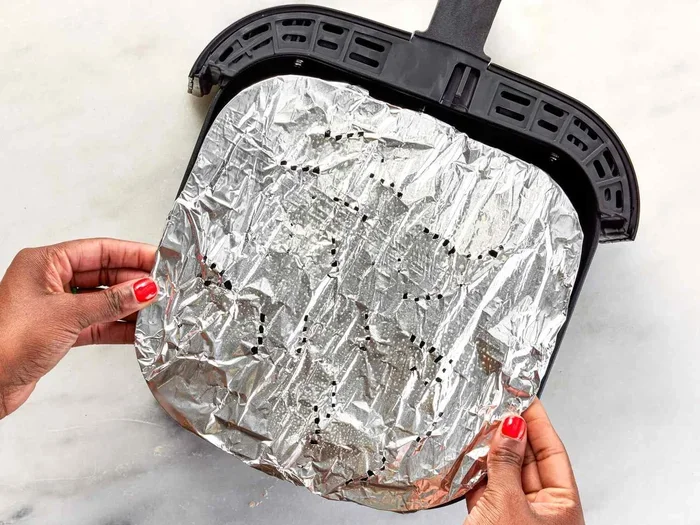
Featured image for aluminum foil air fryer basket
Image source: seriouseats.com
Yes, you can put aluminum foil in an air fryer as long as you follow a few simple rules. Keep the foil away from the heating element, avoid covering the entire basket, and never use it with acidic foods.
If you have ever wondered can i put aluminum foil in an air fryer, the short answer is yes — but only when you respect the airflow that makes the appliance work. Air fryers rely on a powerful fan that pushes hot air around food, creating a crisp exterior without deep‑fat frying. Anything that blocks that circulation defeats the purpose and can even become a fire hazard.
In this guide we break down the science, the safety rules, and the practical tips you need to get golden‑brown results every time. You’ll also learn when foil is the wrong tool and what to use instead.
Key Takeaways
- Foil is safe when used correctly: It must not block airflow or touch the heating coil.
- Never line the whole basket: Covering the entire surface stops hot air from circulating.
- Acidic foods react with foil: Tomatoes, citrus, and vinegar‑based marinades can cause a metallic taste and leach aluminum.
- Use heavy‑duty foil for high heat: Standard kitchen foil may tear at 400 °F (200 °C) and create hot spots.
- Parchment paper or silicone liners are alternatives: They provide non‑stick benefits without the reactivity concerns.
- Pre‑heat the air fryer before adding foil: This reduces the chance of the foil shifting during cooking.
- Clean the basket after each use: Residual foil fragments can cause smoke or fire on the next run.
📑 Table of Contents
Understanding How an Air Fryer Works
The Convection Principle
An air fryer is essentially a compact convection oven. A heating element warms the air, and a high‑speed fan forces that air through the basket at speeds up to 70 mph. The rapid movement strips moisture from the food surface, producing the Maillard reaction that gives you crunch.
Why Airflow Matters
When you place a solid sheet of foil across the entire basket, you create a wall. The fan can no longer reach the food underneath, so the heat stays trapped above the foil. The result? Soggy, unevenly cooked food and a higher risk of overheating the element.
Did You Know?
Studies from the Food Safety Lab at the University of Illinois show that blocking just 30 % of the basket’s surface can increase cooking time by up to 25 % and reduce crispness scores by 40 %.
The Short Answer: Yes, But With Rules
When Foil Helps
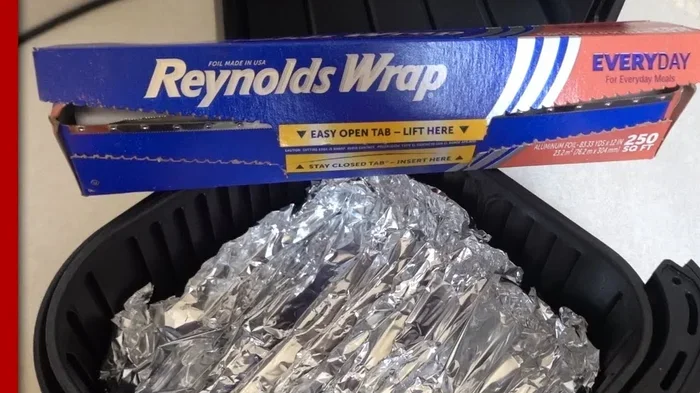
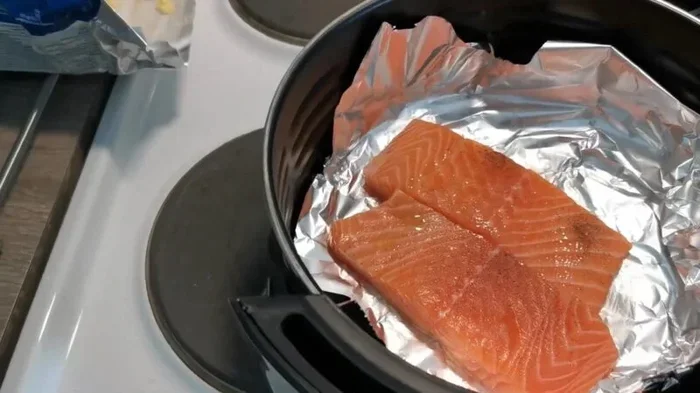
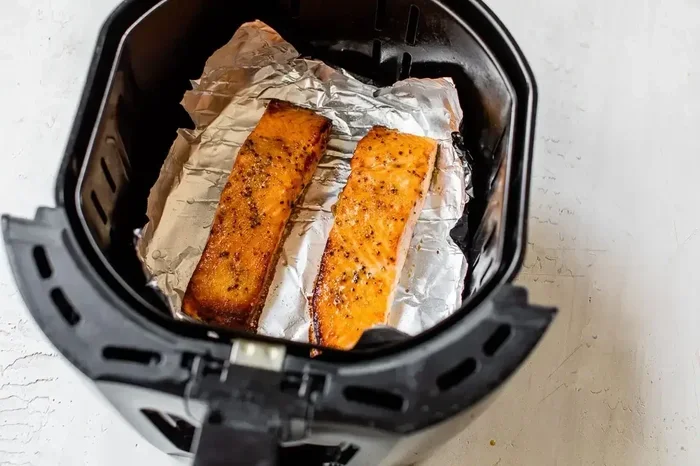
Foil is handy for three main tasks: catching drips from marinated meats, shaping a small “boat” for delicate items like fish fillets, and preventing cheese from burning on top of a casserole. In each case the foil covers only a portion of the basket, leaving plenty of open space for air to flow.
Visual guide about aluminum foil air fryer basket
Image source: alfoilcontainers.com
When Foil Hurts
Covering the whole basket, wrapping food tightly in a sealed packet, or placing foil directly on the heating element are all no‑gos. The sealed packet traps steam, turning your air fryer into a mini pressure cooker — something it was never designed to be.
Quick Decision Checklist
- Does the foil cover less than 50 % of the basket surface?
- Is there at least a 1‑inch gap between foil and the heating coil?
- Are you cooking non‑acidic food?
- Is the foil heavy‑duty or rated for 400 °F?
If you answered “yes” to all four, you’re good to go.
Safety Guidelines for Using Foil
Keep Distance From the Heating Element
Most air fryers have the heating coil at the top of the cooking chamber. Foil that touches or comes within a quarter‑inch of that coil can melt, spark, or ignite. Always leave a visible gap.
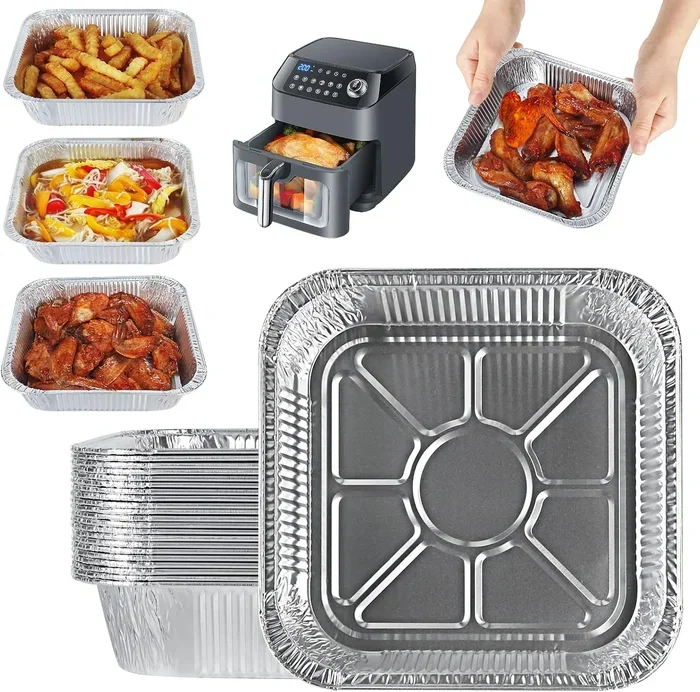
Visual guide about aluminum foil air fryer basket
Image source: m.media-amazon.com
Don’t Use Foil With Acidic Foods
Tomato sauce, lemon‑juice marinades, and vinegar‑based dressings react chemically with aluminum. The reaction can produce a metallic off‑flavor and, in rare cases, increase aluminum intake. The World Health Organization sets a provisional tolerable weekly intake of 2 mg per kilogram of body weight; a single acidic cook‑off can push you close to that limit if you do it often.
Secure the Foil So It Doesn’t Fly
The fan’s force can lift a loose sheet of foil and send it into the heating element. Tuck the edges under the basket’s rim or use a small piece of food (like a potato wedge) as a weight.
Pre‑Heat Before Adding Foil
Running the air fryer empty for 3‑5 minutes at your target temperature stabilizes the airflow. When you then place the foil, it’s less likely to shift because the air currents are already established.
Inspect After Every Use
Tiny foil fragments can lodge in the fan housing. A quick visual check and a wipe‑down prevent smoke on the next cycle.
Best Practices for Crispy Results
Shape a Foil “Boat” for Delicate Proteins
Fold a 6‑inch square of heavy‑duty foil into a shallow bowl. Place a seasoned salmon fillet inside, drizzle with oil, and cook at 380 °F for 10‑12 minutes. The foil holds the juices while the open top lets hot air crisp the surface.
Use a Foil Sling for Easy Removal
Cut a 12‑inch strip, fold it lengthwise twice, and lay it across the basket. Put your food on top. When cooking finishes, grab the sling ends and lift the whole portion out — no tongs needed.
Layer Foil Under a Wire Rack
If your model includes a rack, place a sheet of foil on the basket, then set the rack on top. The foil catches drippings; the rack lifts the food into the airflow. This combo is perfect for chicken wings.
Combine Foil With Parchment for Double Protection
Lay parchment paper first, then a small foil piece on top. Parchment handles the non‑stick duty; foil shields the parchment from direct heat, extending its life.
Monitor Cooking Time
Foil can reflect heat, sometimes cooking the top faster than the bottom. Check halfway through and rotate the basket if your model doesn’t have a rotating paddle.
Common Mistakes to Avoid
Covering the Entire Basket
We’ve said it before, but it’s the number‑one error. Full coverage stops convection dead in its tracks.
Using Thin “Sandwich” Foil
Standard household foil tears at 350 °F. Invest in heavy‑duty or “grill” foil rated to 450 °F.
Wrapping Food Airtight
A sealed packet creates steam, not crisp. Leave at least one vent hole the size of a pencil eraser.
Placing Foil Directly on the Heating Coil
Even a brief contact can cause a flare‑up. Always verify clearance.
Reusing Crumpled Foil
Creases create hot spots. Flatten a fresh sheet each time for even heat distribution.
Ignoring Manufacturer Warnings
Some brands (e.g., certain Ninja and Cosori models) explicitly forbid foil in the manual. Disregarding that voids the warranty.
Alternative Liners and Accessories
Parchment Paper Rounds
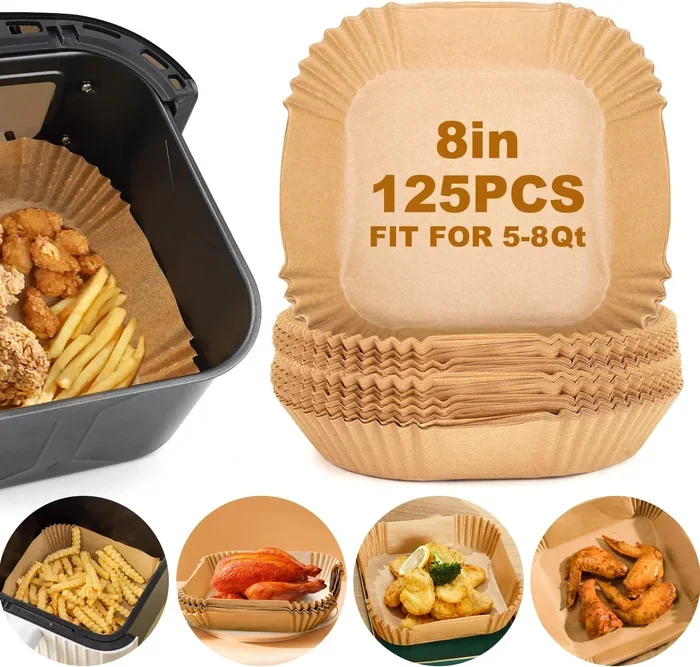
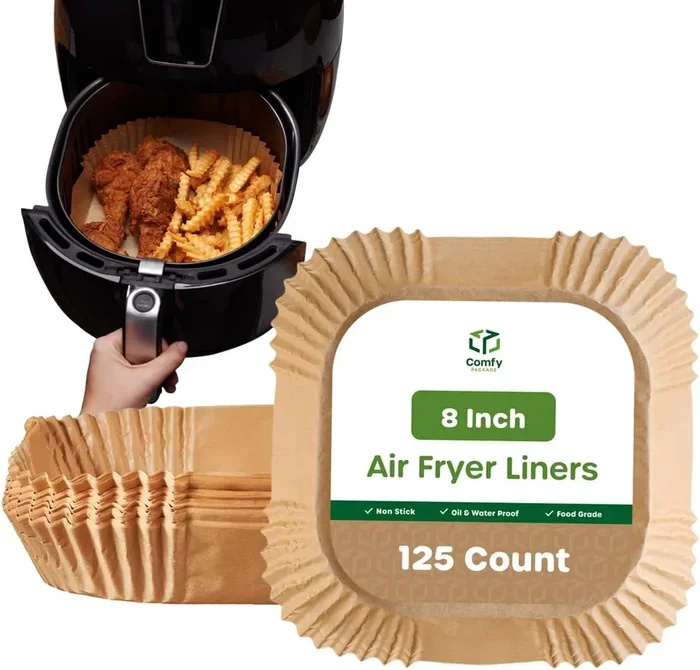
Pre‑cut parchment circles fit most 5‑quart baskets. They’re heat‑safe to 420 °F, non‑reactive, and disposable.
Silicone Baking Mats
Reusable, dishwasher‑safe, and flexible. They conform to the basket shape and can be trimmed with scissors.
Perforated Air Fryer Liners
These look like parchment but have tiny holes that let air through while catching grease. They’re a middle ground between foil and bare basket.
Metal Mesh Baskets
Stainless‑steel mesh inserts sit inside the original basket. They improve airflow and are easy to clean — no liner needed.
When to Choose Which
- Foil: heavy drippings, shaped boats, short cooks.
- Parchment: baked goods, sticky glazes, acidic foods.
- Silicone mat: frequent use, eco‑friendly, high‑temp roasting.
- Perforated liner: everyday frying, easy cleanup.
- Mesh basket: maximum crisp, minimal accessories.
Conclusion
Aluminum foil can be a useful ally in your air fryer — provided you respect the machine’s need for unrestricted airflow. Keep the foil small, keep it away from the heating element, and never pair it with acidic ingredients. When in doubt, reach for parchment or a silicone mat; they give you non‑stick convenience without the reactivity risk. Follow the checklist, watch the cooking window, and you’ll enjoy perfectly crisp results every time you fire up the fryer.
Frequently Asked Questions
Can I put aluminum foil in an air fryer?
Yes, you can use aluminum foil as long as it does not cover the entire basket, stays clear of the heating element, and is not used with acidic foods.
Is it safe to cook acidic foods on foil in an air fryer?
No. Acidic ingredients like tomatoes, citrus, or vinegar react with aluminum, creating off‑flavors and potentially increasing aluminum intake.
What type of foil works best for high‑heat air frying?
Heavy‑duty or grill‑rated foil that can withstand at least 400 °F (200 °C) is recommended; standard kitchen foil may tear or melt.
Can I line the whole air fryer basket with foil?
Covering the full basket blocks airflow, leading to uneven cooking and a fire hazard. Only use foil on a portion of the surface.
How do I keep foil from blowing around in the air fryer?
Tuck the edges under the basket rim or weigh the foil down with a piece of food such as a potato wedge.
What are good alternatives to aluminum foil for air fryers?
Parchment paper rounds, silicone baking mats, perforated air fryer liners, and stainless‑steel mesh baskets all provide non‑stick benefits without the reactivity concerns of foil.