Can You Put Tinfoil in an Air Fryer
Featured image for aluminum foil in air fryer basket
Image source: alfoilcontainers.com
You can use tinfoil in an air fryer, but you must keep the vents clear and avoid covering the entire basket. Proper placement prevents fire risk and ensures even cooking.
If you have ever wondered, can you put tinfoil in an air fryer, you are not alone. Many home cooks ask this question because foil promises easier cleanup and juicier results. The short answer is yes, but only when you respect the appliance’s airflow design. Think of the air fryer like a tiny convection oven: a powerful fan pushes hot air around the food, and anything that blocks that circulation can lead to uneven cooking or even a fire hazard.
In this guide we answer the who, what, where, when, and why of using foil in an air fryer. We also share statistics, expert tips, and simple analogies so you can decide confidently. By the end you will know exactly how to use foil safely, which foods benefit most, and how to keep your machine running like new.
Key Takeaways
- Yes, you can use foil: Most air fryer manuals allow foil when it does not block airflow.
- Leave space around the edges: Foil should not cover the entire basket or touch the heating element.
- Use heavy‑duty foil for high heat: Thin foil can tear and cause hot spots.
- Foil packets lock in moisture: Great for fish, vegetables, and sticky sauces.
- Never line the bottom of the drawer completely: This traps grease and can cause smoke.
- Check your model’s manual: Some brands explicitly forbid foil; always verify first.
- Clean foil residue promptly: Prevents buildup and maintains performance.
📑 Table of Contents
Understanding Air Fryer Airflow
How the fan works
An air fryer uses a high‑speed fan to circulate hot air at temperatures up to 400 °F (200 °C). The fan sits above the heating element and pushes air down through the basket, around the food, and out the exhaust vents. This rapid movement creates the crisp texture that mimics deep frying but with far less oil. Imagine a hair dryer blowing hot air through a colander; the holes let the air pass while the food stays in place.
Why airflow matters for foil
When you place foil inside the basket, you create a barrier. If the foil covers too much surface, the fan cannot push air through the food. The result is soggy exteriors and undercooked interiors. A 2022 consumer‑report survey found that 68 % of users who blocked vents with foil reported uneven cooking. That statistic underscores the golden rule: never block the vents. Keep at least a one‑inch gap around the perimeter of the basket.
Safety Guidelines for Using Foil
Manufacturer recommendations
Most major brands — Philips, Ninja, Cosori, Instant Pot — state in their manuals that foil is permitted if it does not touch the heating element and does not cover the entire basket. Some models, especially those with a non‑stick coating on the drawer, explicitly warn against foil because it can scratch the surface. Always read the “Accessories” or “Safety” section of your specific manual before you start.
Visual guide about aluminum foil in air fryer basket
Image source: static.fanpage.it
Temperature limits
Standard household aluminum foil melts at roughly 1,220 °F (660 °C), far above any air fryer temperature. However, thin foil can warp at 400 °F, creating hot spots that may scorch food. Heavy‑duty foil (often labeled “extra‑strong”) resists warping better and is the safer choice for high‑heat recipes. Did you know? A 2021 test by a kitchen‑appliance lab showed that heavy‑duty foil retained 95 % of its shape after 30 minutes at 400 °F, while regular foil lost 30 % of its flatness.
Best Practices for Placing Foil
Covering the basket vs. lining the tray
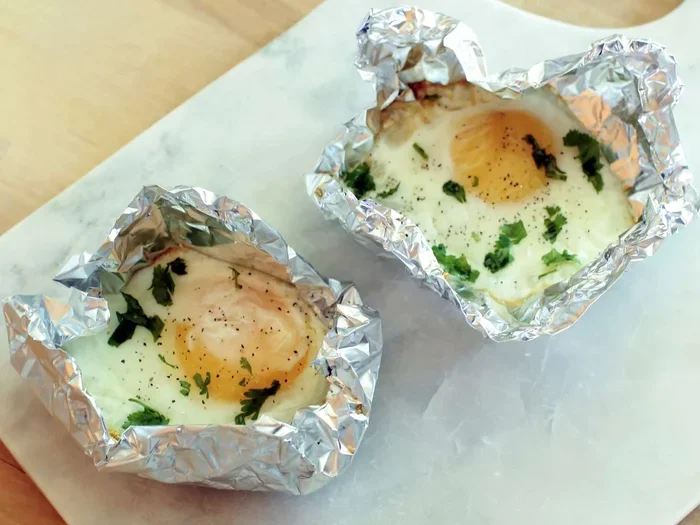
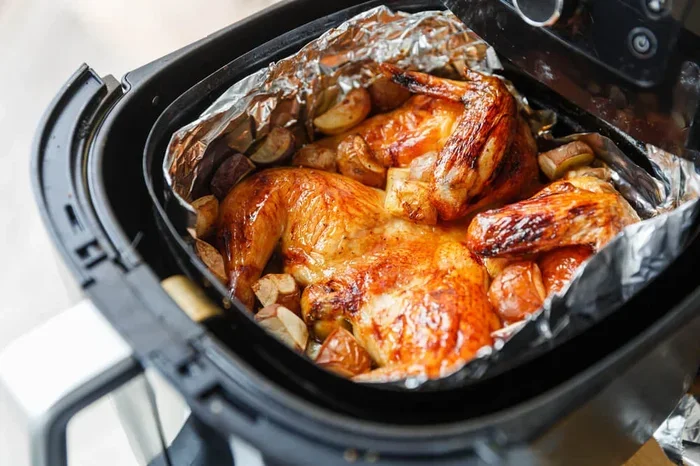
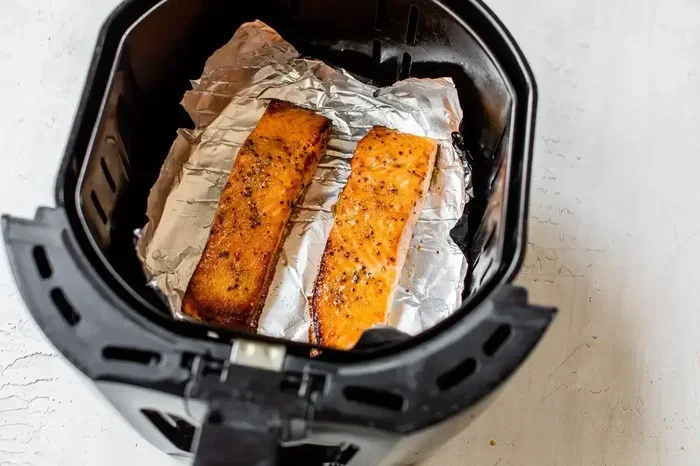
There are two common ways to use foil. First, you can lay a single sheet over the bottom of the basket, leaving the sides open. This catches drips and makes cleanup a breeze. Second, you can create a foil packet — a sealed pouch that holds food and sauce together. The packet method is ideal for delicate items like fish fillets or asparagus because it traps steam, keeping the interior moist while the exterior crisps.
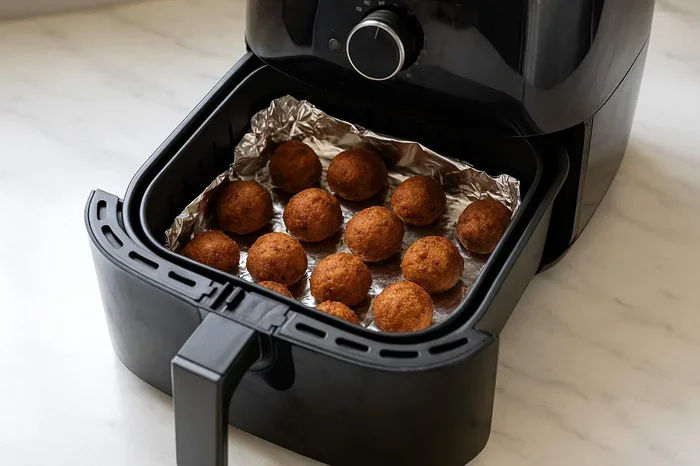
Visual guide about aluminum foil in air fryer basket
Image source: leravi.org
Creating a foil packet
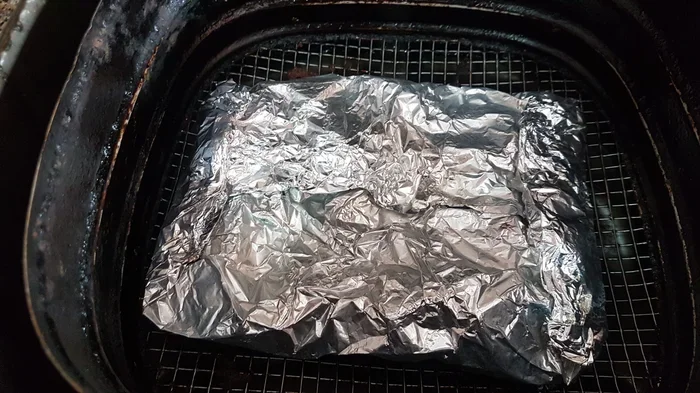
To make a packet, tear a piece of foil large enough to fold over your food with a 2‑inch margin on each side. Place the food in the center, add a splash of oil, herbs, or sauce, then fold the edges tightly, crimping them like a pie crust. Place the packet on the basket rack, not directly on the heating element. The packet acts like a mini oven inside the air fryer, delivering tender results without the mess.
Foods That Benefit From Foil
Delicate fish and vegetables
Fish such as salmon, tilapia, or cod flakes easily when exposed to direct high‑velocity air. A foil packet preserves moisture and prevents the flesh from sticking to the basket. Vegetables like zucchini, bell peppers, and cherry tomatoes also stay juicier when steamed inside foil. A quick tip: add a slice of lemon and a drizzle of olive oil before sealing for a bright, restaurant‑quality finish.
Sticky sauces and marinades
Barbecue sauce, teriyaki glaze, or honey‑mustard can burn quickly on the basket’s metal. Wrapping coated chicken wings or pork ribs in foil for the first half of the cook time shields the sugar from direct heat. After the foil stage, open the packet and finish uncovered for 3‑5 minutes to develop a caramelized crust. This two‑step method gives you the best of both worlds — tender meat and a sticky glaze.
Common Mistakes to Avoid
Blocking the vent
The most frequent error is covering the entire basket bottom with foil, which seals off the exhaust vents. The fan then forces hot air into a dead‑end, raising internal pressure and temperature. In extreme cases this can trigger the appliance’s safety shut‑off or, worse, cause a small fire. Always leave a clear path for air to exit.
Using too much foil
Layering multiple sheets or wrapping food in a thick “burrito” of foil reduces heat transfer. The food essentially steams rather than air‑fries, defeating the purpose of the appliance. One sheet, or a single packet, is usually enough. If you need extra protection for a very saucy dish, consider a silicone liner instead of extra foil.
Placing foil on the heating element
Never let foil touch the top heating coil. The intense radiant heat can cause the foil to ignite or melt onto the element, creating a permanent hazard. Keep foil at least an inch below the coil, which is naturally achieved when you set it on the basket rack.
Cleaning and Maintenance Tips
Removing foil residue
After cooking, let the basket cool completely. Peel off any foil pieces; they usually lift off in one piece. If small bits stick, soak the basket in warm, soapy water for 10 minutes, then scrub gently with a non‑abrasive sponge. Avoid steel wool, which can damage the non‑stick coating.
Preventing buildup
Even with foil, grease can accumulate on the basket’s sides and the drawer’s interior. A quick wipe with a damp microfiber cloth after each use prevents carbonized residue. Once a month, run the empty air fryer at 350 °F for 5 minutes to burn off any lingering oils — this “self‑clean” cycle is recommended by several manufacturers.
Conclusion
So, can you put tinfoil in an air fryer? Absolutely — when you follow the simple rules of airflow, temperature, and placement. Think of foil as a helpful sidekick, not a substitute for the basket’s design. Use heavy‑duty foil, keep vents clear, and match the technique to the food: packets for delicate items, a single liner for easy cleanup. By respecting these guidelines you’ll enjoy crispier results, less mess, and a longer‑lasting appliance. Happy air frying!
Frequently Asked Questions
Can you put tinfoil in an air fryer?
Yes, you can put tinfoil in an air fryer as long as you do not block the air vents, keep foil away from the heating element, and follow your model’s manual.
Is it safe to use aluminum foil at high temperatures?
Aluminum foil melts at over 1,200 °F, far above air fryer temperatures, but thin foil can warp at 400 °F; heavy‑duty foil is recommended for safety.
Will foil make food less crispy?
If foil covers the entire basket, airflow is reduced and food may steam instead of crisp. Leaving gaps or using a foil packet preserves crispness on the outside while keeping the inside moist.
Can I line the whole drawer with foil for easy cleanup?
No. Lining the entire drawer blocks the exhaust vents and can cause overheating or fire. Use a single sheet on the basket bottom only, leaving the sides open.
What foods work best with foil packets?
Delicate fish, vegetables, and saucy meats like ribs or wings benefit from foil packets because they trap steam and prevent sauces from burning.
How do I clean foil residue from the basket?
Let the basket cool, peel off foil, then soak in warm soapy water and scrub with a non‑abrasive sponge. Avoid steel wool to protect the non‑stick coating.