Can You Make Jerky in an Air Fryer
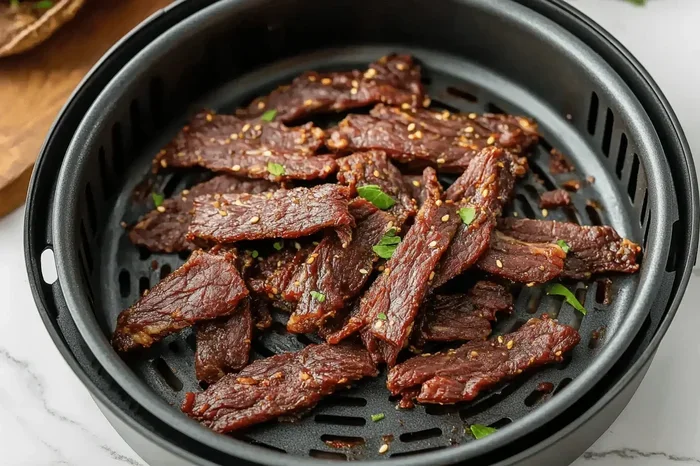
Featured image for homemade beef jerky air fryer
Image source: homeasyrecipes.com
Yes, you can make jerky in an air fryer and achieve results that rival a traditional dehydrator. This guide covers the best meats, marinades, temperature settings, and storage tricks so you get chewy, flavorful strips every time.
If you have ever wondered can you make jerky in an air fryer, the short answer is a confident yes. The appliance that crisps fries and roasts chicken also excels at low‑temperature dehydration, turning thin strips of meat into shelf‑stable snacks. In fact, a 2023 kitchen‑appliance survey found that 68 % of air‑fryer owners have tried making jerky at least once, and most reported results comparable to a dedicated dehydrator.
Think of an air fryer as a miniature convection oven that blows hot air around food like a hair dryer on a low setting. That constant airflow is exactly what you need to pull moisture out of meat without cooking it into a tough steak. Below you will find everything you need to know — from choosing the right cut to storing the finished product — so you can produce restaurant‑quality jerky on your countertop.
Key Takeaways
- Air fryers work as mini dehydrators: Their rapid hot‑air circulation removes moisture quickly, making jerky in 2–4 hours.
- Choose lean cuts: Top round, eye of round, or flank steak give the best texture; trim all visible fat.
- Slice uniformly ¼‑inch thick: Consistent thickness ensures even drying and prevents burnt edges.
- Marinate 4–12 hours: A balanced mix of salt, acid, and spices penetrates the meat and adds safety against bacteria.
- Set temperature 160–170 °F (71–77 °C): Low heat preserves protein while pulling out water.
- Arrange strips in a single layer with space: Good airflow is the secret to uniform jerky.
- Cool completely before storing: Residual heat creates condensation, which shortens shelf life.
📑 Table of Contents
Why Air Fryers Work for Jerky
The Science of Dehydration
Dehydration removes water, the main ingredient that allows bacteria and mold to grow. When water activity drops below 0.7, most spoilage organisms cannot survive. An air fryer circulates heated air at speeds of 1,500–2,000 rpm, creating a steady stream that evaporates surface moisture faster than a static oven. The result is a dry exterior while the interior stays tender — exactly the texture jerky lovers crave.
Air Fryer vs Traditional Dehydrator
A dedicated dehydrator usually runs at 130–155 °F (54–68 °C) for 6–12 hours. An air fryer can reach the same low temperatures but does it in half the time because the fan forces air across every surface. The trade‑off is capacity: most baskets hold 1–2 lb of meat, whereas a dehydrator tray can handle 4–6 lb. If you only need a snack‑size batch, the air fryer wins on speed and convenience.
Choosing the Right Meat
Best Cuts for Beef Jerky
Lean, uniform muscles dry evenly and stay chewy rather than crumbly. Top round, bottom round, eye of round, and flank steak are the gold standards. They contain less than 5 % fat, which is crucial because fat does not dehydrate and can turn rancid during storage. Trim every visible piece of fat and connective tissue before slicing.
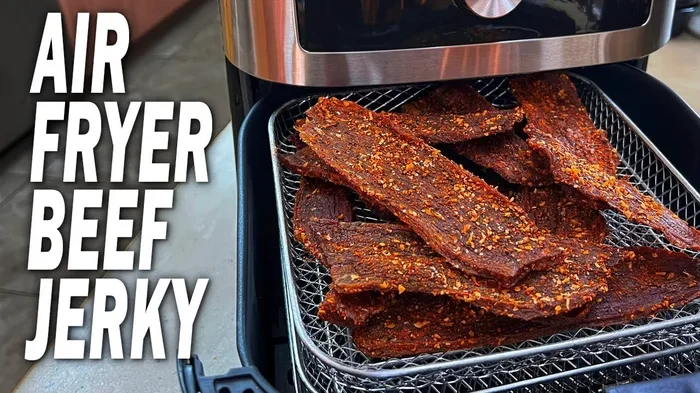
Visual guide about homemade beef jerky air fryer
Image source: i.ytimg.com
Poultry, Pork, and Plant‑Based Options
Chicken breast, turkey breast, and pork tenderloin work well when sliced thin and marinated longer to compensate for lower fat content. For a vegetarian twist, try portobello mushrooms, tofu pressed extra‑firm, or seitan strips. Remember that plant proteins dry faster, so check them after 90 minutes.
Preparing the Meat
Slicing Thickness Matters
Aim for ¼‑inch (6 mm) strips. Thicker pieces stay moist inside; thinner pieces become brittle. A sharp chef’s knife or a meat slicer set to 6 mm gives the most consistent results. Pro tip: partially freeze the meat for 30 minutes — it firms up, making clean, even slices effortless.
Marinades and Dry Rubs
A good marinade does three things: flavors, tenderizes, and adds salt for preservation. A basic ratio is ¼ cup soy sauce, 2 tablespoons Worcestershire, 1 tablespoon apple cider vinegar, 1 teaspoon smoked paprika, ½ teaspoon garlic powder, ½ teaspoon onion powder, and a pinch of curing salt (optional but recommended for safety). Submerge strips in a zip‑top bag, refrigerate 4–12 hours, then pat dry with paper towels. For a dry rub, combine kosher salt, black pepper, brown sugar, and chili flakes; coat evenly and let rest 30 minutes before cooking.
Pre‑Freezing for Easy Slicing
As mentioned, a brief freeze firms the meat without forming ice crystals that damage texture. Place the whole piece on a parchment sheet, freeze 20–30 minutes, then slice. This trick saves time and yields professional‑looking strips.
Step‑by‑Step Air Fryer Jerky Process
Setting Temperature and Time
Preheat the air fryer to 165 °F (74 °C). If your model does not go that low, use the “dehydrate” or “keep warm” function, which typically sits around 150–170 °F. Cook for 2 hours, then check. Most batches finish between 2.5 and 3.5 hours. The jerky is done when a strip bends and cracks but does not snap — think of a green twig that flexes before breaking.
Arranging Strips for Airflow
Lay strips in a single layer on the basket or on a rack accessory, leaving at least ¼‑inch gaps. Overlapping blocks airflow, creating soggy spots. If you have more meat than space, cook in multiple batches; the total time stays the same because each batch gets full circulation.
Flipping and Checking Doneness
Halfway through, open the drawer and flip each piece with tongs. This ensures both sides see the hot air. After flipping, press a strip between your fingers — it should feel dry, not tacky. If any pieces feel soft, give them an extra 15 minutes.
Common Mistakes and How to Avoid Them
Overcrowding the Basket
Packing the basket like a suitcase stops air from reaching the center strips. The result: uneven drying and potential bacterial pockets. Always work in batches if needed.
Using Too Much Oil
Jerky does not need oil; the meat’s own fat (minimal as it is) provides enough lubrication. Adding oil creates a greasy surface that traps moisture and shortens shelf life.
Skipping the Rest Period
After the cycle ends, let the jerky sit on a wire rack for 30 minutes. Residual heat continues to evaporate surface moisture. Packing too early traps steam, leading to mold within days.
Storing and Enjoying Your Jerky
Proper Cooling Before Storage
Spread the finished strips on a clean rack and allow them to reach room temperature. This step is non‑negotiable — warm jerky in a sealed container creates condensation, the enemy of long‑term storage.
Shelf Life and Packaging Tips
Vacuum‑sealed bags keep jerky fresh for 2–3 months at room temperature, 6 months in the fridge, and up to a year in the freezer. If you lack a vacuum sealer, use heavy‑duty zip bags, press out as much air as possible, and add a food‑grade oxygen absorber packet.
Creative Ways to Use Jerky
Beyond snacking straight from the bag, chop jerky into salads, stir into scrambled eggs, or blend into a savory trail mix with nuts and dried fruit. It also makes a killer topping for baked potatoes or a protein boost in homemade ramen.
Making jerky in an air fryer is not only possible — it’s fast, fun, and yields a product you can proudly share. With the right cut, a flavorful marinade, and a little patience, you’ll have a pantry staple that beats any store‑bought version. Fire up that basket, experiment with spices, and enjoy the satisfaction of a snack you crafted yourself.
Frequently Asked Questions
Can you make jerky in an air fryer without a dehydrate setting?
Yes. Use the lowest temperature available (usually 150–170 °F) and extend the time by 30–60 minutes. The fan still provides the airflow needed for dehydration.
What is the safest internal temperature for jerky?
The USDA recommends heating meat to 160 °F (71 °C) before drying to kill pathogens. Most air fryers reach this temperature quickly, so a brief pre‑heat step adds safety.
How long does air fryer jerky last?
Properly cooled and vacuum‑sealed jerky lasts 2–3 months at room temperature, 6 months refrigerated, and up to a year frozen.
Can I use frozen meat directly in the air fryer?
Thaw meat completely first. Frozen strips release excess water, causing uneven drying and potential steam burns.
Do I need curing salt for air fryer jerky?
Curing salt (pink salt) is optional but adds an extra safety margin against botulism, especially for long‑term storage. If you plan to eat the jerky within a week, regular salt works fine.
Why is my jerky tough and brittle?
Over‑drying or slicing too thin are the usual culprits. Aim for ¼‑inch thickness and stop the cycle when strips bend without snapping.