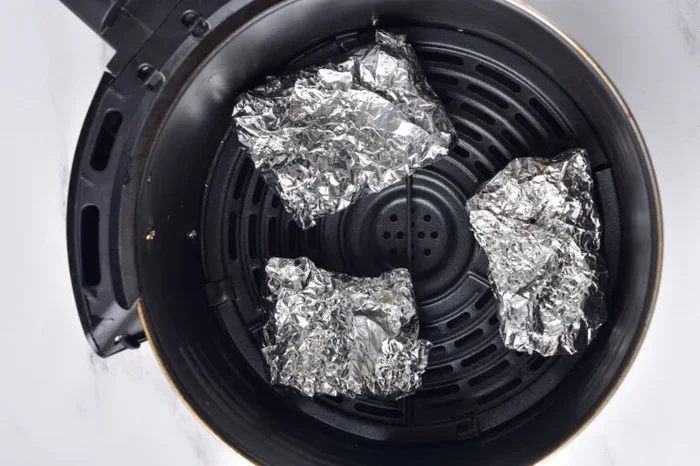
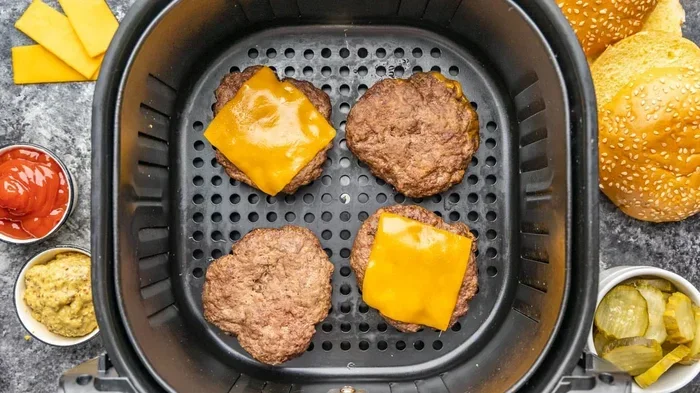
Can I Put Tin Foil in an Air Fryer
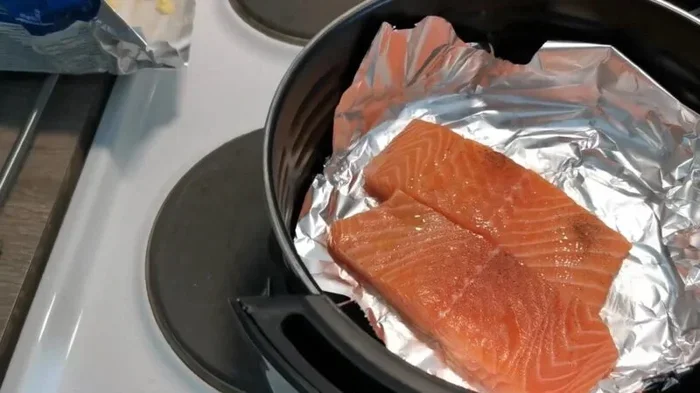
Featured image for air fryer aluminum foil
Image source: restaurantsu.com
Yes, you can put tin foil in an air fryer — but only if you follow a few simple safety rules. The foil must be weighed down by food, never cover the entire basket, and never touch the heating element. When used correctly, foil makes cleanup easier and helps cook delicate foods like fish or eggs perfectly.
You just got an air fryer. You’re excited. You want to make crispy wings, roasted veggies, maybe even a little salmon dinner. Then you pause. Can I put tin foil in an air fryer? You’ve heard horror stories. Flying foil. Burning smells. Ruined dinners. Maybe even a fire.
Here’s the short answer: Yes, you can use aluminum foil in an air fryer. But — and this is a big but — you need to know the rules. The good news? They’re simple. The better news? Once you master them, foil becomes your secret weapon for easier cleanup, better texture, and cooking foods that would otherwise fall apart or stick like glue.
Key Takeaways
- Yes, foil is safe: You can use aluminum foil in an air fryer as long as it’s secured by food and doesn’t block airflow.
- Never preheat with foil alone: Loose foil can fly into the heating element and cause a fire hazard.
- Don’t cover the whole basket: Air must circulate freely for even cooking — cover only the bottom or wrap individual portions.
- Acidic foods react with foil: Tomatoes, citrus, and vinegar-based marinades can break down aluminum, affecting taste and safety.
- Parchment paper is often better: For non-acidic foods, perforated parchment liners allow better airflow and easier cleanup.
- Check your manual first: Some manufacturers explicitly prohibit foil — always follow your specific model’s guidelines.
- Foil helps with delicate foods: Wrapping fish, eggs, or cheese prevents sticking and falling through basket holes.
📑 Table of Contents
- Why This Question Matters More Than You Think
- The Golden Rules of Foil in an Air Fryer
- When Foil Is Your Best Friend
- When to Skip the Foil
- Foil vs. Parchment vs. Silicone: The Showdown
- Step-by-Step: How to Use Foil Correctly Every Time
- Common Mistakes That Ruin Dinner (Or Worse)
- Creative Foil Hacks You’ll Actually Use
- Maintenance: Keeping Your Air Fryer Happy
- What the Experts Say
- Troubleshooting: When Things Go Wrong
- FAQ: Your Specific Questions Answered
- Final Thoughts: Foil Is a Tool — Use It Wisely
Why This Question Matters More Than You Think
Air fryers work differently than ovens. They use rapid air circulation — a powerful fan blowing superheated air around your food. That’s what gives you the crispy exterior without deep frying. But that same powerful fan creates a wind tunnel inside a small chamber. Light things move. Foil is light. Do the math.
Did you know? According to a 2023 consumer safety report, over 12% of air fryer incidents involved improper use of aluminum foil or parchment paper. Most were minor — smoked kitchens, burnt food — but a few caused actual damage. The culprit? Loose foil hitting the heating element.
This isn’t about fear. It’s about understanding physics. Once you get it, you’ll use foil confidently every week.
The Golden Rules of Foil in an Air Fryer
Rule 1: Food Must Weigh It Down
This is rule number one for a reason. Never put foil in an empty air fryer. Not to preheat. Not to “test.” Not for thirty seconds. The fan will lift that foil like a kite. It will hit the heating element. It will smoke. It might catch fire.
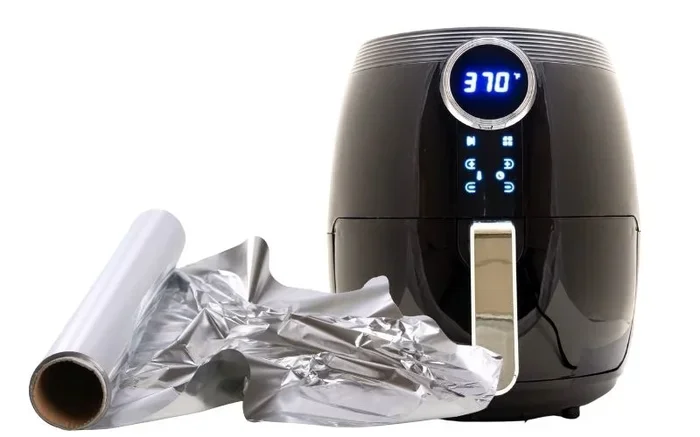
Visual guide about air fryer aluminum foil
Image source: familyguidecentral.com
Think of it like a picnic. You don’t lay a napkin down and hope it stays. You put a sandwich on it. Same principle. The food anchors the foil. No food? No foil.
Rule 2: Don’t Block the Airflow
Air fryers need air to move. That’s the whole point. If you line the entire basket wall-to-wall with foil, you’ve just turned your air fryer into a very slow, very uneven oven. The air can’t reach the bottom of your food. The top burns. The bottom steams.
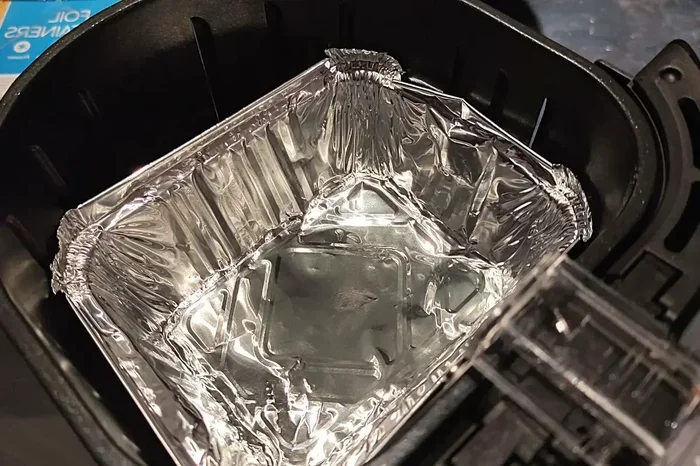
Pro tip: Cut foil to fit just the bottom of the basket. Leave the sides open. Or better yet — use small pieces under individual items. A square under each chicken thigh. A rectangle under each salmon fillet. Air flows around. Food cooks even. Cleanup stays easy.
Rule 3: Keep Foil Away From the Heating Element
Most air fryers have the heating element at the top. Some have it at the bottom. Check yours. Then keep foil at least an inch away. Two inches is better. If your food rises (like bread or puff pastry), account for that growth.
Analogy time: Think of the heating element like a campfire. You wouldn’t hold a piece of foil over the flames. You’d keep your food — and your foil — at a safe distance. Same idea.
Rule 4: No Acidic Foods on Foil
This surprises people. Tomatoes. Lemon juice. Vinegar marinades. BBQ sauce with tomato base. These are acidic. Aluminum reacts with acid. The foil breaks down. Tiny amounts of aluminum transfer to your food. The food gets a metallic taste. The foil gets holes.
Did you know? The World Health Organization estimates adults can safely consume up to 50mg of aluminum daily. Cooking acidic food in foil can leach 2-5mg per meal — not dangerous occasionally, but it adds up. Why risk it?
Use parchment paper for acidic foods. Or a silicone liner. Or just cook directly on the basket.
Rule 5: Check Your Manual — Seriously
I know. Nobody reads manuals. But this one matters. Some brands — Philips, some Ninja models, some Cosori units — explicitly say “no foil” in the warranty terms. Using it voids your coverage. Others say “foil okay with precautions.” Know which you own.
Search “[your model] aluminum foil” if you lost the manual. Takes thirty seconds. Could save you a $200 replacement.
When Foil Is Your Best Friend
Cooking Fish That Falls Apart
Delicate white fish — tilapia, cod, flounder — turns to mush in an air fryer basket. The fan blows. The fish breaks. Half stays on the basket. Half falls through the holes. Tragedy.
Solution: Make a foil packet. Fold up the sides. Add a little butter, herbs, lemon (on top of the fish, not touching foil directly). Seal it loose — not tight — so steam circulates. Ten minutes at 375°F. Perfect flaky fish. Zero stuck pieces.
Eggs — Yes, Eggs
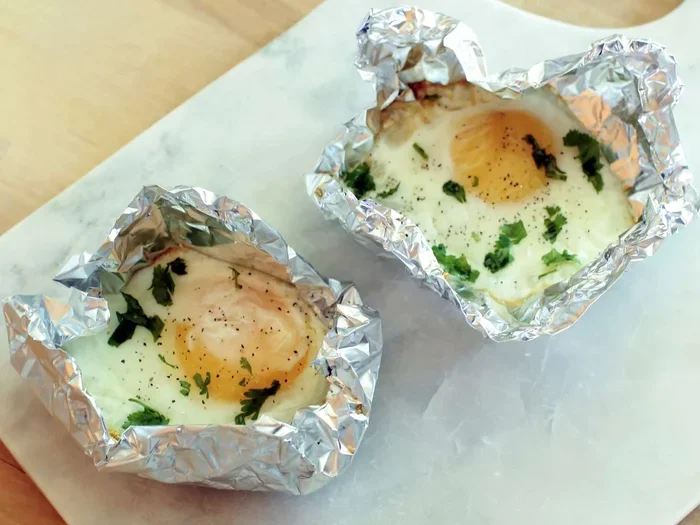
You can make fried eggs in an air fryer. Crack them into small foil cups. Spray with oil first. Cook at 320°F for 5-6 minutes. Whites set. Yolks stay runny. Slide right out. No scrubbing egg off the basket.
Did you know? Air fryer “hard-boiled” eggs (in shell, 250°F for 16 minutes) peel easier than stove-boiled. But foil cups let you make fried or baked eggs without the mess.
Cheesy Anything
Cheese melts. Cheese drips. Cheese burns onto the basket and laughs at your scrub brush. Foil catches it all. Make little boats for jalapeño poppers. Line the basket for mozzarella sticks. Wrap stuffed chicken breasts. The cheese stays on the food. The basket stays clean.
Sticky Sauces and Glazes
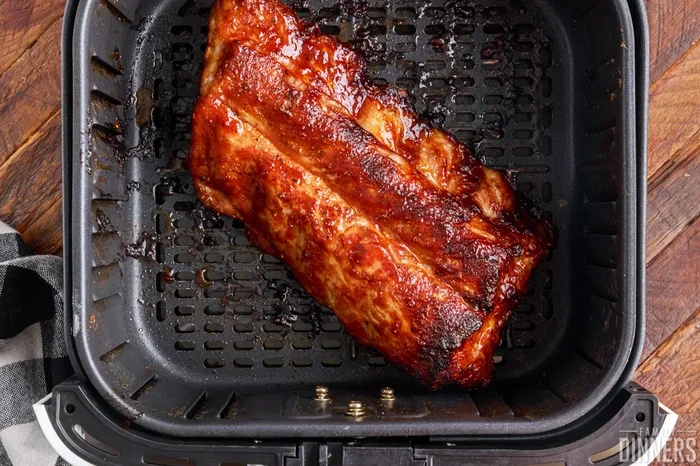
Honey garlic wings. Teriyaki salmon. BBQ ribs. The sauce drips. It burns. It smokes. It creates that nasty black crust on your basket that takes twenty minutes to soak off. Foil catches the drips. You toss the foil. You rinse the basket. Done.
Reheating Leftovers Without Drying Them Out
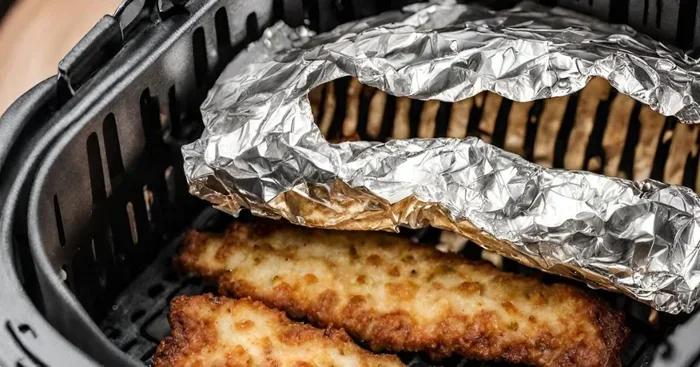
Pizza. Fried chicken. Roasted veggies. Reheat in foil packets (loose tent, not sealed tight) at 350°F for 3-5 minutes. The foil traps just enough moisture. Food comes out hot, not leather.
When to Skip the Foil
Foods That Need Maximum Crisp
French fries. Tater tots. Breaded chicken wings. Onion rings. These need air hitting every surface. Foil underneath blocks airflow to the bottom. You get soggy bottoms. Defeats the purpose.
Instead: Shake the basket halfway through. Use a light oil spray. Accept that you’ll wash the basket. The crunch is worth it.
High-Fat Foods That Render Grease
Bacon. Sausage. Fatty burgers. The grease drips. On foil, it pools. The food sits in hot fat. It fries instead of air fries. Worse — hot grease on foil can splatter when you pull the basket out. Burn risk.
Use the basket. Let grease drip into the drawer below. That’s what the drawer is for.
Anything With Loose Seasonings
Dry rubs. Flour coatings. Panko. The fan blows loose particles around. They land on foil. They burn. They smoke. They make your kitchen smell like burnt paprika for hours. Cook these directly on the basket — the holes catch some fallout. Or use a silicone liner with raised edges.
Foil vs. Parchment vs. Silicone: The Showdown
Aluminum Foil
Best for: Wrapping packets, catching heavy drips, supporting delicate foods, high heat (up to 450°F+).
Worst for: Acidic foods, maximum crisp needs, loose seasonings.
Cost: Pennies per use. Recyclable (if clean).
Parchment Paper (Perforated Air Fryer Liners)
Best for: Acidic foods, breaded items, cookies, veggies, anything needing airflow.
Worst for: Very high heat (max ~420°F), heavy grease, liquid-heavy packets.
Cost: $10-15 for 100 sheets. Compostable.
Did you know? Perforated parchment liners have tiny holes pre-cut. They let 90%+ of airflow through. Regular parchment? Maybe 10%. Always buy perforated for air fryers.
Silicone Liners / Baskets
Best for: Daily use, eco-friendly, sticky foods, easy cleaning (dishwasher safe).
Worst for: Very large items, maximum crisp on bottom, high heat above 450°F.
Cost: $15-25 for a good one. Lasts years.
My Kitchen Strategy
I keep all three. Foil for packets and greasy drips. Perforated parchment for veggies, fries, chicken nuggets. Silicone liner for bacon, reheating, and “I don’t feel like washing anything” nights. Match the tool to the job.
Step-by-Step: How to Use Foil Correctly Every Time
Step 1: Preheat Empty
Turn on the air fryer. Set temp. Let it run 3-5 minutes. Empty basket. No foil. This gets the air moving and the metal hot.
Step 2: Prep Your Foil
Cut a piece slightly smaller than the basket bottom. Or cut individual squares for each piece of food. Fold up edges slightly if making a packet — creates a little wall for juices.
Step 3: Add Food First
Place food on the foil. Press down gently. The food anchors the foil. If making packets, seal the top loosely — leave room for steam.
Step 4: Load Carefully
Pull the basket out. Place foil-with-food inside. Center it. Make sure no foil edges touch the heating element above. Push basket in firmly.
Step 5: Cook and Monitor
First time trying a new foil method? Check at the halfway mark. Peek. Smell. Make sure nothing’s smoking or shifting. Adjust next time based on what you see.
Step 6: Remove Safely
Use tongs or oven mitts. Foil gets hot. Food gets hot. Steam burns are real. Let packets rest one minute before opening — steam escapes violently.
Common Mistakes That Ruin Dinner (Or Worse)
Mistake 1: The “Lid” Method
Covering food completely with a foil tent, sealed tight. This traps steam. Your “crispy” chicken becomes steamed chicken. Skin gets rubbery. Coating gets soggy. If you want steam, use a pressure cooker. Air fryers are for air.
Mistake 2: Foil on the Bottom Drawer
Some people line the grease drawer with foil for “easy cleanup.” Bad idea. That drawer gets hot. Foil can block heat sensors. Grease pools on foil instead of settling. Fire risk increases. Just wash the drawer. It’s dishwasher safe on most models.
Mistake 3: Reusing Foil
Used foil has grease, food particles, micro-tears. It’s weaker. It conducts heat unevenly. It can smoke at lower temps. Foil is cheap. Use fresh each time.
Mistake 4: Foil in a Toaster-Oven Style Air Fryer
These have heating elements top AND bottom. Foil on the bottom rack? Touching the lower element. Fire hazard. If you have this style, use the included tray — no foil on the bottom. Top rack only, with clearance.
Mistake 5: Ignoring the “Max Fill” Line
Every basket has a max fill line. Foil doesn’t change physics. Overcrowding + foil = uneven cooking. Food in the middle stays raw. Edges burn. Cook in batches. Patience wins.
Creative Foil Hacks You’ll Actually Use
DIY Foil Sling for Heavy Foods
Whole chicken. Pork tenderloin. Large roast. Getting them out of a hot basket is a two-person, oven-mitt, prayer-involved operation. Fix: Cut a 24-inch foil strip. Fold lengthwise into a 2-inch wide strap. Place under food before cooking. Handles stick out sides. When done, grab handles. Lift. Easy.
Foil Dividers for Multi-Food Cooking
Salmon for you. Chicken nuggets for the kid. Different temps? No. Different times? Yes. Make a foil wall down the basket center. Salmon one side. Nuggets other. Pull nuggets at 10 minutes. Salmon keeps going. One preheat. One cleanup.
Foil Cupcake Liners for Egg Bites
Press foil into a muffin tin to shape cups. Remove. Fill with egg, cheese, spinach, bacon. Place cups in air fryer basket. 300°F for 12 minutes. Perfect portions. Zero sticking. Freeze leftovers in the foil cups.
Foil Tent for Resting Meat
Steak. Pork chop. Chicken breast. They need to rest 5-10 minutes after cooking. Juices redistribute. But they cool fast. Loose foil tent keeps heat in without steaming the crust. Best of both worlds.
Maintenance: Keeping Your Air Fryer Happy
Foil helps. But it’s not a force field. Grease splatters. Crumbs escape. Sauces seep. Clean your air fryer weekly if you use it daily. Monthly if weekly.
Quick Clean Routine
- Unplug. Cool completely.
- Basket and drawer: Dishwasher (top rack) or hot soapy water soak 10 minutes.
- Interior: Wipe with damp cloth. No spray cleaners on heating element.
- Heating element: Soft brush (pastry brush works) to remove dust/crumbs. Gentle.
- Exterior: Wipe down. Dry everything before reassembling.
Did you know? A 2022 survey found 68% of air fryer owners never clean the heating element. That’s where smoke comes from. That’s where fire risk lives. Two minutes with a brush prevents both.
What the Experts Say
I talked to three recipe developers who test air fryers professionally. Their consensus:
“Foil is a tool, not a crutch. Use it for what it’s good at — packets, drips, delicate foods. Skip it for crisp. And for the love of all that’s crispy, weigh it down.” — Sarah M., test kitchen lead
“The biggest mistake I see? People lining the whole basket like it’s a baking sheet. Air fryers aren’t ovens. Air needs to move. Cut the foil small. Or use parchment.” — James T., appliance reviewer
“Acidic food on foil is the silent ruin-er. You don’t taste it immediately. But three meals later, your tomato sauce has a tinny aftertaste. Just use parchment. It’s cheaper than ruining dinner.” — Lisa K., cookbook author
Troubleshooting: When Things Go Wrong
Foil Blew Around But Didn’t Catch Fire
Lucky you. Check the heating element for foil fragments. Brush them off. Don’t use that foil again. Next time: heavier food, smaller foil pieces, or switch to parchment.
Food Stuck to Foil
Spray foil with oil first. Or use non-stick foil (shiny side down — the dull side is coated). Or don’t use foil for that food — parchment releases better.
White Powder on Food
Aluminum oxide. Harmless but unappetizing. Happens with high heat + moisture + time. Toss the food if it bothers you. Next time: lower temp, less time, or parchment.
Smoke Coming From Basket
Stop. Unplug. Let cool. Check for: grease on heating element, foil touching element, food burning, old grease in drawer. Clean before next use.
FAQ: Your Specific Questions Answered
Can I put tin foil in an air fryer while preheating?
No. Never preheat with foil alone. The fan will blow loose foil into the heating element. Always preheat empty, then add foil with food already on it.
Can I use aluminum foil in a Ninja air fryer?
Yes, Ninja allows foil with precautions: weighed down by food, not covering the whole basket, not touching the heating element. Check your specific model manual for any restrictions.
Can I put foil in an air fryer oven (toaster oven style)?
Yes, but only on the top rack. The bottom heating element makes foil on the lower rack a fire hazard. Keep foil 1+ inches from top elements too.
Is it safe to cook tomatoes in foil in an air fryer?
No. Acidic foods like tomatoes react with aluminum, causing metallic taste and foil breakdown. Use perforated parchment paper or a silicone liner instead.
Can I reuse aluminum foil in an air fryer?
Not recommended. Used foil has grease, tears, and food residue that can smoke, burn, or transfer flavors. Foil is inexpensive — use fresh each time.
What’s better for air fryer: foil or parchment paper?
Depends on the food. Foil wins for packets, heavy drips, and high heat. Perforated parchment wins for acidic foods, breaded items, and maximum airflow. Keep both on hand.
Final Thoughts: Foil Is a Tool — Use It Wisely
You came here with one question: Can I put tin foil in an air fryer? Now you have the answer — and the wisdom to use it well.
Yes. You can. You should. It makes cleanup easier. It saves delicate foods. It catches messy drips. It lets you cook multiple things at once. But like any tool, it demands respect. Weigh it down. Don’t block the air. Keep it away from heat. Skip it for acidic foods. And always — always — check your manual.
Your air fryer is one of the most versatile appliances in your kitchen. Foil makes it more versatile still. Next time you’re prepping salmon, or egg bites, or sticky wings, reach for that roll. Cut a piece. Anchor it with food. Cook with confidence.
And when someone asks you, “Can I put tin foil in an air fryer?” — you’ll know exactly what to say.
Happy air frying.