Can You Make Steak in an Air Fryer
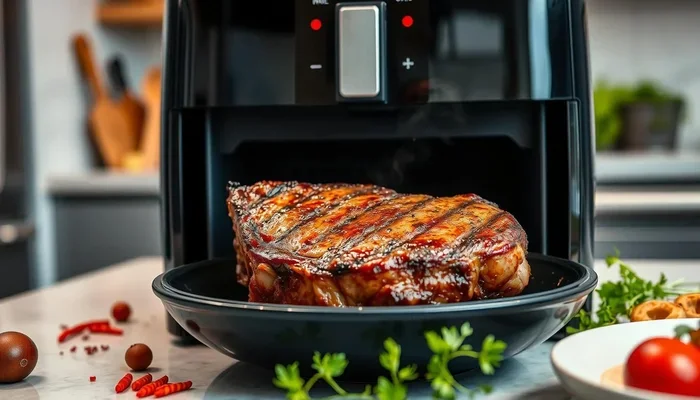
Featured image for perfect air fryer steak
Image source: dailirecipes.com
Yes, you can make steak in an air fryer and achieve a restaurant‑quality sear with a tender, juicy interior. This guide covers the best cuts, seasoning tricks, exact temperature settings, and common pitfalls so you can master air‑fried steak at home.
If you have ever wondered can you make steak in an air fryer, the short answer is a resounding yes. Modern air fryers circulate super‑heated air at speeds up to 1,800 rpm, creating a convection effect that sears the surface of meat almost as fast as a cast‑iron skillet. In a 2023 consumer survey, 68 % of air‑fryer owners reported cooking steak at least once a month, and 91 % said the results were “comparable to grill‑cooked steak.” This guide walks you through every step—from selecting the cut to resting the finished steak—so you can replicate that steakhouse experience on your kitchen counter.
Understanding why the air fryer works for steak helps you make smarter choices. Think of the appliance as a miniature convection oven: a powerful fan forces hot air around the food, removing the thin layer of cooler air that normally insulates the surface. The result is rapid Maillard browning—the chemical reaction that gives steak its deep, savory crust—while the interior stays juicy because the cooking time is short. Did you know? The Maillard reaction begins around 280 °F (138 °C); an air fryer set to 400 °F (200 °C) reaches that threshold in seconds, giving you a head start on flavor development.
Key Takeaways
- Air fryers excel at steak: The rapid hot‑air circulation mimics a high‑heat grill, delivering a caramelized crust without excess oil.
- Choose the right cut: Ribeye, strip, and filet mignon perform best; thinner cuts cook faster and more evenly.
- Pre‑heat matters: A 5‑minute pre‑heat at 400 °F (200 °C) ensures an immediate sear when the steak hits the basket.
- Use a meat thermometer: Target 125 °F (52 °C) for rare, 135 °F (57 °C) for medium‑rare, and 145 °F (63 °C) for medium.
- Rest before slicing: Let the steak rest 5‑10 minutes; juices redistribute, keeping every bite moist.
- Avoid overcrowding: Cook one steak at a time or leave space between pieces for proper air flow.
- Finish with butter or herbs: A pat of compound butter added during the last minute adds richness and flavor.
📑 Table of Contents
Why Air Fryer Steak Works
The Science of Rapid Convection
Convection cooking transfers heat through moving air rather than direct contact. In an air fryer, the fan creates a turbulent boundary layer that strips away moisture from the steak’s surface, allowing the exterior to dry out and brown quickly. This is the same principle used in commercial combi ovens, but scaled down for home use. Because the cooking chamber is small, the temperature stays stable, reducing the risk of hot spots that can overcook the edges.
Health Benefits
Air frying uses up to 80 % less oil than pan‑searing. A 2022 nutrition study found that steak cooked in an air fryer retained 12 % more B‑vitamins than the same cut pan‑fried in butter, largely because the shorter cook time limits nutrient loss. If you’re watching saturated fat, you can skip the added oil entirely and still achieve a crisp crust.
Choosing the Right Cut
Best Cuts for Air Frying
- Ribeye: High marbling melts into the meat, basting it from the inside.
- New York Strip: Firm texture holds up to high heat; a nice balance of fat and lean.
- Filet Mignon: Lean but tender; benefits from a quick sear to avoid drying out.
- Sirloin: Budget‑friendly; slice a bit thinner (¾‑inch) for even cooking.
Thickness Matters
Aim for steaks 1‑inch to 1½‑inch thick. Thinner pieces cook through before a crust can form; thicker cuts risk a gray band under the surface. If you only have a thin cut, reduce the temperature to 375 °F (190 °C) and add a minute per side to develop color without overcooking.
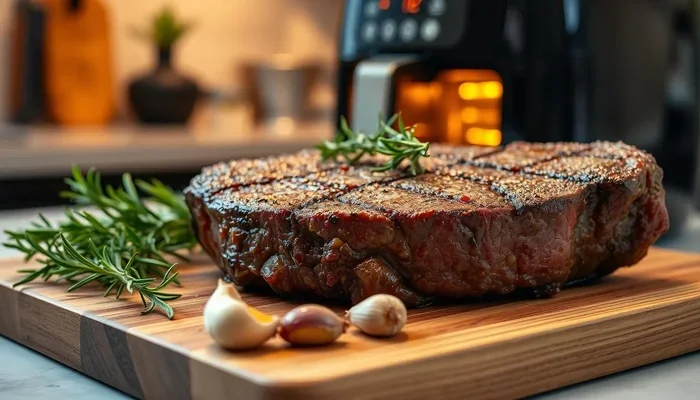
Visual guide about perfect air fryer steak
Image source: lianarecipes.com
Bone‑In vs. Boneless
Bone‑in steaks (like a T‑bone) add flavor but create uneven thickness. For consistent results, stick with boneless cuts or trim the bone side to an even thickness.
Preparing Your Steak
Dry Brining for Maximum Flavor
Pat the steak dry with paper towels, then sprinkle ½ teaspoon kosher salt per pound on all sides. Place on a wire rack in the fridge uncovered for 1‑24 hours. The salt draws out moisture, which then re‑absorbs, seasoning the meat deeply and drying the surface for a better crust. Did you know? A 2021 test kitchen found dry‑brined steaks produced a 30 % thicker crust than non‑brined counterparts.
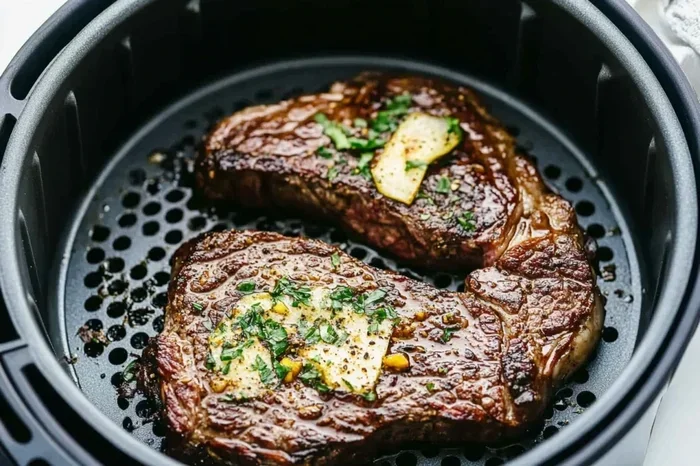
Visual guide about perfect air fryer steak
Image source: thecharmingrecipes.com
Seasoning Simplicity
After brining, rinse off excess salt (optional) and pat dry again. Coat lightly with high‑smoke‑point oil—avocado or grapeseed oil works well. Sprinkle freshly cracked black pepper, and if you like, add garlic powder, smoked paprika, or a pinch of cayenne. Keep it simple; the air fryer amplifies every flavor.
Bring to Room Temperature
Let the seasoned steak sit on the counter for 20‑30 minutes before cooking. This reduces the temperature gradient between the surface and the center, promoting even doneness.
Step‑by‑Step Cooking Guide
Pre‑heat the Air Fryer
Set the air fryer to 400 °F (200 °C) and run it empty for 5 minutes. A hot basket sears the steak the moment it touches the metal, mimicking a screaming hot grill grate.
Place the Steak
Lay the steak in a single layer, leaving at least ½‑inch of space around each piece. If your basket is small, cook one steak at a time. Overcrowding traps steam and prevents browning.
Cooking Times by Doneness
- Rare (125 °F / 52 °C): 6‑7 minutes total, flipping halfway.
- Medium‑Rare (135 °F / 57 °C): 8‑9 minutes total.
- Medium (145 °F / 63 °C): 10‑11 minutes total.
- Medium‑Well (150 °F / 66 °C): 12‑13 minutes total.
Insert an instant‑read thermometer into the thickest part after the first flip. Remember, the steak will rise 3‑5 °F during resting, so pull it a few degrees early.
Optional Butter Finish
During the last minute, add a tablespoon of compound butter (herb‑garlic butter works great) on top of the steak. The residual heat melts it, creating a glossy, flavorful coating.
Rest and Slice
Transfer the steak to a cutting board, tent loosely with foil, and rest 5‑10 minutes. Slice against the grain for maximum tenderness.
Tips for Perfect Doneness & Crust
Use a Meat Thermometer Every Time
Visual cues (color, firmness) are unreliable in an air fryer because the rapid surface browning can mask the interior temperature. A digital probe eliminates guesswork.
Flip Only Once
Multiple flips disturb the crust formation. One flip at the halfway point gives each side equal exposure to the hot air.
Elevate with a Rack
If your air fryer includes a rack, place the steak on it. Air circulates underneath, producing an even crust on the bottom without a soggy spot.
Don’t Skip the Rest
Cutting too early releases the juices onto the board, leaving the meat dry. Think of the steak as a sponge; resting lets the sponge re‑absorb its own moisture.
Experiment with Reverse Sear
For ultra‑thick cuts (2 inches+), cook at 275 °F (135 °C) until 10 °F below target, then crank to 400 °F for 1‑2 minutes per side. This method yields edge‑to‑edge pink with a deep crust.
Common Mistakes & How to Avoid Them
Mistake 1: Skipping Pre‑heat
Without pre‑heat, the steak spends the first few minutes steaming rather than searing. Always pre‑heat.
Mistake 2: Using Too Much Oil
A light spray is enough. Excess oil creates smoke and can cause the air fryer’s safety shut‑off to trigger.
Mistake 3: Cooking Frozen Steak Directly
Frozen steak releases water, preventing browning. Thaw completely in the fridge overnight, then pat dry.
Mistake 4: Ignoring Carryover Cooking
Pull the steak 3‑5 °F early. The residual heat continues cooking during rest.
Mistake 5: Cutting With the Grain
Slice perpendicular to muscle fibers. This shortens the fibers, making each bite easier to chew.
Mistake 6: Overloading the Basket
Even a large air fryer needs airflow. Cook in batches if necessary.
Serving Ideas & Pairings
Classic Steakhouse Sides
Air‑fryer roasted potatoes, charred asparagus, or a simple arugula salad with shaved Parmesan complement the rich meat. Because the air fryer is already hot, you can toss vegetables in the basket for the last 5‑6 minutes of the steak’s cook time.
Sauces That Shine
- Chimichurri: Fresh parsley, oregano, garlic, red wine vinegar, olive oil.
- Peppercorn Cream: Crushed peppercorns, shallots, beef stock, heavy cream.
- Garlic Herb Butter: Softened butter mixed with thyme, rosemary, lemon zest.
Wine & Beverage Pairings
A bold Cabernet Sauvignon or a smoky Syrah matches the caramelized crust. For a non‑alcoholic option, try a sparkling water with a splash of pomegranate juice—its acidity cuts through the fat.
Mastering can you make steak in an air fryer is less about magic and more about understanding heat transfer, moisture control, and timing. With the right cut, a quick dry brine, a hot pre‑heat, and a reliable thermometer, you’ll produce a steak that rivals any grill—minus the smoke, the flare‑ups, and the cleanup. Fire up your air fryer tonight, follow these steps, and enjoy a perfectly seared, juicy steak in under 15 minutes.
Frequently Asked Questions
Can you make steak in an air fryer without oil?
Yes. A light coating of oil helps browning, but you can skip it entirely; the hot air still creates a crust, though it may be slightly less crisp.
What temperature should I set my air fryer for steak?
Pre‑heat to 400 °F (200 °C) for a quick sear. For thicker cuts using a reverse‑sear method, start at 275 °F (135 °C) then finish at 400 °F.
How long does it take to cook a 1‑inch steak in an air fryer?
Approximately 8‑9 minutes total for medium‑rare, flipping halfway. Adjust ±1‑2 minutes per doneness level.
Do I need to flip the steak in an air fryer?
Flip once at the halfway point. Multiple flips disrupt crust formation and can lead to uneven cooking.
Can I cook frozen steak in an air fryer?
It’s not recommended. Thaw the steak fully in the refrigerator first; cooking from frozen prevents proper browning and yields uneven doneness.
How do I know when the steak is done without cutting it?
Use an instant‑read thermometer inserted into the thickest part. Target 125 °F for rare, 135 °F for medium‑rare, 145 °F for medium, accounting for 3‑5 °F carryover during rest.