Can I Make a Baked Potato in the Air Fryer
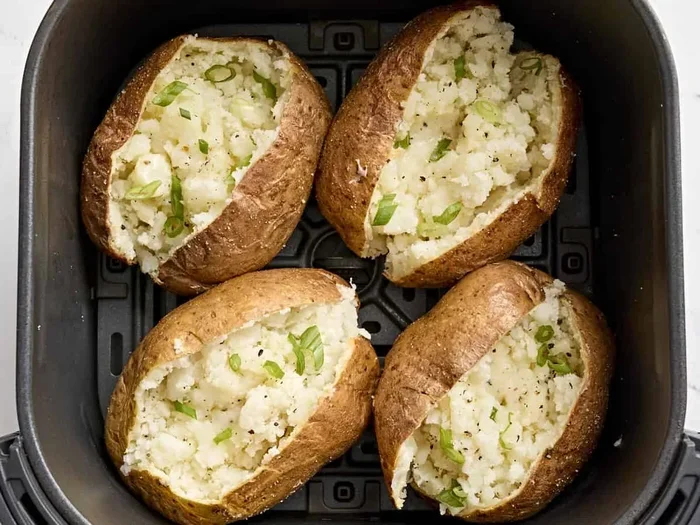
Featured image for crispy air fryer baked potato
Image source: budgetbytes.com
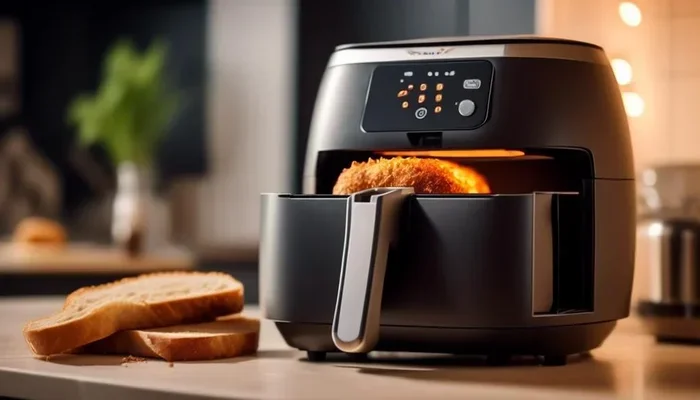
Yes, you can absolutely make a baked potato in the air fryer — and it might just become your new favorite way to cook them. The air fryer delivers that coveted crispy skin and fluffy interior in about half the time of a conventional oven, with zero preheating hassle.
[FEATURED_IMAGE_PLACEHER]
The short answer is a resounding yes. If you have been wondering can i make a baked potato in the air fryer, you are about to discover a game-changing kitchen hack. The air fryer does not just work for this classic side dish — it arguably perfects it. You get that shatteringly crisp, salt-crusted skin and a light, fluffy interior that steals the show at any dinner table. Best of all, you skip the hour-long oven wait and the soggy microwave disappointment.
Think of your air fryer as a miniature convection oven with a turbo button. It circulates superheated air around the potato from every angle. This rapid airflow dehydrates the skin fast, creating that crave-worthy crunch, while the intense heat penetrates the center evenly. No flipping halfway through, no hot spots, no guessing games. Just set the timer and walk away.
Key Takeaways
- Faster cooking time: Air fryer baked potatoes cook in 35-45 minutes compared to 60-75 minutes in a traditional oven.
- Crispier skin guaranteed: The circulating hot air creates a shatteringly crisp skin that rivals any steakhouse version.
- No preheating required: Most air fryers heat up almost instantly, saving you 10-15 minutes of waiting.
- Russet potatoes work best: Their high starch content and thick skin create the ideal fluffy interior and crispy exterior.
- Oil and salt are non-negotiable: A light coating of oil and coarse salt draws out moisture for that perfect crunch.
- Don’t overcrowd the basket: Air circulation is key — cook in batches if needed for even results.
- Internal temperature matters: Aim for 205-210°F (96-99°C) for the fluffiest, most fully cooked interior.
📑 Table of Contents
- Why the Air Fryer Changes the Baked Potato Game
- What You Need Before You Start
- Step-by-Step: How to Make the Perfect Air Fryer Baked Potato
- Topping Ideas and Serving Suggestions
- Common Mistakes and How to Fix Them
- Storage, Reheating, and Meal Prep Tips
- Air Fryer Models and Basket Styles: What Changes
- Nutrition Perspective: Why This Method Wins
- Troubleshooting Your Specific Scenario
- Frequently Asked Questions From Real Home Cooks
- Final Thoughts: Your New Weekend Ritual
Why the Air Fryer Changes the Baked Potato Game
Speed Meets Quality
Let us talk numbers. A traditional oven takes 60 to 75 minutes at 400°F to bake a large russet. A microwave “bakes” one in 8 to 10 minutes but leaves you with rubbery skin and uneven texture. The air fryer splits the difference beautifully: 35 to 45 minutes at 400°F delivers oven-quality results in microwave-adjacent time. Did you know? According to a 2023 consumer survey by the National Potato Council, 68% of home cooks who own an air fryer say it has replaced their oven for baking potatoes entirely.
The secret lies in the fan. Convection heat transfers energy to food roughly 25% faster than radiant heat alone. That means the starch granules inside the potato swell and burst — creating fluffiness — before the exterior burns. It is the same principle that makes air fryer french fries crispier than oven fries, just applied to a whole vegetable.
Energy Efficiency That Adds Up
Heating a full-size oven to 400°F for a single potato is like firing up a freight train to deliver a letter. An air fryer uses a fraction of the electricity — typically 1,400 to 1,700 watts versus 2,400 to 5,000 watts for an electric oven. If you bake potatoes once a week, the energy savings over a year could power your phone for months. Did you know? The U.S. Department of Energy estimates that countertop convection appliances use up to 50% less energy than full-size ovens for small-portion cooking.
Consistency You Can Count On
Ovens have hot spots. Microwaves have cold spots. Air fryers? The forced-air design creates a remarkably uniform temperature zone. Every potato in the basket gets the same treatment. This matters when you are cooking for a crowd — four potatoes come out identical, not “two perfect, one hard, one exploded.”
What You Need Before You Start
The Right Potato Makes All the Difference
Not all potatoes are created equal for baking. You want high starch, low moisture, and thick skin. That is the russet — also called Idaho or baking potato — hands down. Yukon Golds work in a pinch but yield a denser, creamier interior (great for mash, less ideal for the classic baked experience). Red potatoes and fingerlings? Save them for roasting. Their waxy texture stays firm instead of turning fluffy.
Look for potatoes that are similar in size so they finish together. A 10- to 12-ounce potato is the sweet spot. Much larger and the center lags; much smaller and the skin over-crisps before the inside cooks through. Did you know? The average American eats about 110 pounds of potatoes per year, but only 30% of those are fresh russets — the rest are processed into fries, chips, and frozen products.
Oil and Salt: The Dynamic Duo
You need fat to conduct heat into the skin and salt to draw out surface moisture. Olive oil, avocado oil, or even melted butter work. Use about one teaspoon per potato. Rub it all over — get into the nooks. Then sprinkle generously with coarse salt. Kosher salt or sea salt flakes are ideal; table salt dissolves too fast and can taste harsh.
Think of the oil-salt combo as a tiny spa treatment for the potato. The oil creates a thermal bridge. The salt pulls water to the surface where it evaporates, leaving microscopic crystals that shatter between your teeth. Skip either one and you lose the magic.
Tools That Make Life Easier
- Instant-read thermometer: Takes the guesswork out of doneness. Target 205-210°F.
- Tongs: Essential for flipping and removing hot potatoes safely.
- Parchment liner or silicone mat: Optional, but makes cleanup effortless.
- Fork or skewer: For the classic steam vents and doneness test.
Step-by-Step: How to Make the Perfect Air Fryer Baked Potato
Prep Like a Pro
Scrub the potatoes under running water. A vegetable brush works great. Pat them thoroughly dry — surface moisture is the enemy of crisp skin. Now, the great debate: to poke or not to poke? Traditional wisdom says stab each potato 6-8 times with a fork to let steam escape and prevent explosions. Modern testing shows explosions are extremely rare in air fryers because the skin dries and tightens so fast. Still, poking takes three seconds and hurts nothing. Do it.
Rub each potato with oil. Use your hands — it ensures even coverage. Sprinkle salt all over, pressing lightly so it adheres. Place potatoes in the air fryer basket in a single layer with at least half an inch between them. Air must circulate freely. If your basket is small, cook in batches. Crowding creates steam pockets and soggy spots.
The Cooking Protocol
Set the air fryer to 400°F (200°C). No preheat needed for most models. Cook for 35 minutes for medium potatoes (8-10 oz), 40-45 minutes for large (10-12 oz), up to 50 minutes for extra-large. At the halfway mark — around 20 minutes — give the basket a shake or flip the potatoes with tongs. This promotes even browning, though honestly, the forced air does a pretty great job solo.
How do you know they are done? Three ways. First, the skin looks deeply golden, almost burnished, and feels crisp when you tap it. Second, a fork slides into the center with zero resistance — like butter. Third, your instant-read thermometer reads 205-210°F at the geometric center. If they need more time, add 3-5 minute increments. You cannot really overcook a baked potato in an air fryer; the skin just gets crunchier.
The Rest Is Critical
Pull the potatoes out and let them rest on a wire rack or cutting board for 5 minutes. This finishing rest lets the internal steam redistribute, finishing the cooking gently and preventing a gummy texture when you cut in. Think of it like resting a steak — same principle, lower stakes. While they rest, the skin actually crisps further as surface moisture evaporates.
Topping Ideas and Serving Suggestions
The Classics Done Right
Butter, sour cream, chives, bacon bits, shredded cheddar. You know the drill. But technique matters. Slice the potato lengthwise, not all the way through. Pinch the ends to push the flesh up into a fluffy mound. Add a pat of cold butter first — it melts into the steam channels. Then sour cream, then cheese (so it melts slightly), then bacon and chives. Layer in that order for maximum flavor distribution.
Loaded Skins: The Appetizer Hack
Scoop out most of the flesh, leaving a ¼-inch shell. Mix the flesh with cheese, bacon, green onions, and a dollop of sour cream. Refill the skins, top with more cheese, and pop back in the air fryer at 375°F for 3-4 minutes until bubbly. You just made restaurant-quality potato skins with zero deep frying.
Global Twists
- Greek style: Greek yogurt, dill, lemon zest, cucumber, feta, olive oil drizzle.
- Mexican street corn: Mayo, cotija, chili powder, lime, cilantro, charred corn kernels.
- Indian spiced: Ghee, cumin seeds, turmeric, cilantro, yogurt, pickled onions.
- Breakfast baked: Scrambled eggs, cheese, chives, hot sauce, crumbled sausage.
Meal Prep Powerhouse
Bake a batch on Sunday. Store whole, uncut potatoes in the fridge for up to 5 days. Reheat at 350°F for 8-10 minutes — skin re-crisps beautifully. Slice, top, and you have lunch or dinner in 2 minutes. Did you know? Cooked and cooled potatoes develop resistant starch, a prebiotic fiber that feeds beneficial gut bacteria and lowers the glycemic response by up to 25% compared to freshly cooked hot potatoes.
Common Mistakes and How to Fix Them
Mistake: Wet Potatoes Going In
Surface water creates steam. Steam prevents crisping. Fix: Dry thoroughly. Like, really thoroughly. Paper towels, clean kitchen towel, even a salad spinner if you are fancy. Let them air dry for 10 minutes after washing if you have time.
Mistake: Skipping the Oil
“I’m watching calories.” The teaspoon of oil per potato adds 40 calories. It also creates the texture that makes you want to eat the skin — where half the fiber and nutrients live. Fix: Use an oil mister for ultra-thin, even coverage if you want to minimize amount.
Mistake: Crowding the Basket
Four large russets in a 4-quart basket touch each other. The contact points stay pale and soft. Fix: Cook two at a time. Or invest in a rack accessory that creates a second layer with airflow. The extra 15 minutes total cook time is worth the texture payoff.
Mistake: Cutting Too Soon
You are hungry. You slice it open immediately. Steam billows out, taking moisture and fluffiness with it. The interior turns dense. Fix: Wait 5 minutes. Set a timer. Scroll your phone. The potato will still be piping hot.
Mistake: Wrong Temperature
350°F gives you a roasted potato — tasty, but not a baked potato. 425°F risks burning the skin before the center cooks. Fix: 400°F is the goldilocks zone. If your air fryer runs hot (many do), drop to 390°F and add 3 minutes.
Mistake: Using Foil
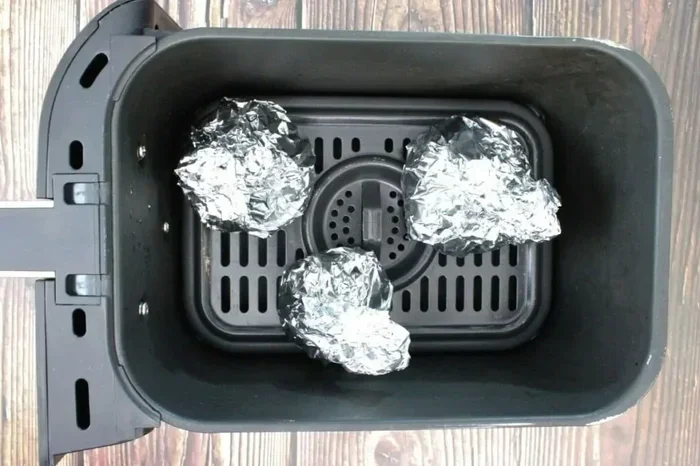
Some recipes say wrap in foil. Don’t. Foil traps steam, giving you a steamed potato with soft skin. The air fryer’s superpower is dry heat. Fix: Naked potato, oiled and salted, directly on the basket or rack.
Storage, Reheating, and Meal Prep Tips
Short-Term Storage
Cool completely at room temperature (no more than 2 hours for food safety). Store whole in an airtight container or zip-top bag in the refrigerator for up to 5 days. Do not cut before storing — exposed flesh dries out and absorbs fridge odors.
Freezing for the Long Game
Yes, you can freeze baked potatoes. Cool completely, wrap each tightly in plastic wrap, then foil, then place in a freezer bag. They keep 3 months. Thaw overnight in fridge, then reheat. Texture suffers slightly — a bit denser — but still beats a microwave potato by miles.
Reheating Like a Pro
Air fryer at 350°F for 8-10 minutes for refrigerated, 15-18 minutes for frozen. The skin re-crisps. The interior steams back to life. Microwave reheating works in a pinch (2-3 minutes) but sacrifices the skin. Oven reheating at 350°F takes 20 minutes — fine if the oven is already on.
Repurposing Leftovers
- Potato salad: Cube cold baked potatoes. The skin adds texture and color.
- Hash browns: Grate cold potato, pan-fry in butter until golden.
- Gnocchi: Rice the flesh, mix with flour and egg, boil. The low moisture of baked potatoes makes superior gnocchi.
- Thickener: Blend leftover potato into soups for creaminess without cream.
Air Fryer Models and Basket Styles: What Changes
Basket vs. Oven-Style
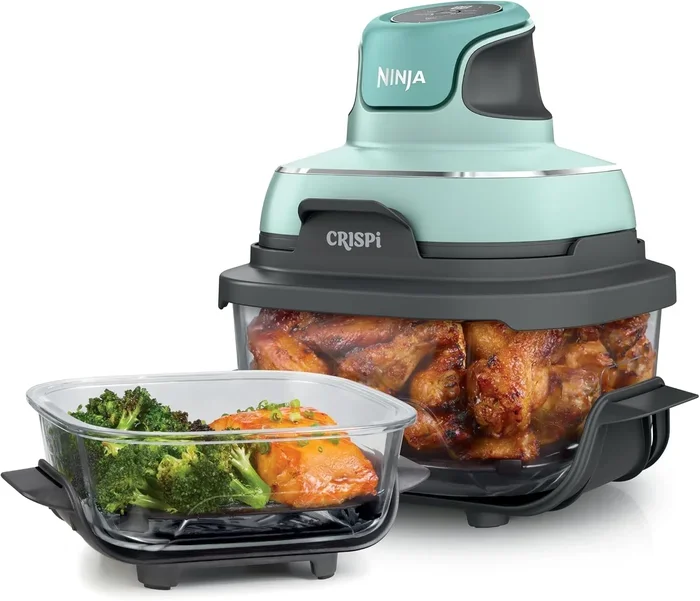
Basket-style air fryers (the pull-out drawer) cook slightly faster due to more concentrated airflow. Oven-style (with racks and a glass door) may need 3-5 extra minutes but fit more potatoes at once — often 6-8 on two racks. Rotate racks halfway through for even results. Both work beautifully.
Wattage Matters
Higher wattage (1,700W+) cooks faster and crisps better. Lower wattage (1,300W) may need 5-10 extra minutes. Check your manual. If you don’t know your wattage, start checking doneness at the 30-minute mark and adjust.
Preheat Function
Some models beep when preheated. For potatoes, you can ignore it. Put them in cold. The gradual heat-up actually helps the interior cook more evenly. If you do preheat, subtract 3-4 minutes from cook time.
Nutrition Perspective: Why This Method Wins
Preserving Nutrients
Water-soluble vitamins (C, B6) leach into boiling water. The air fryer uses zero water. The rapid cook time also minimizes heat degradation. A 2021 study in the Journal of Food Science found that air frying preserved 85-90% of vitamin C in potatoes versus 65-70% for boiling and 75-80% for oven baking.
Glycemic Impact
Cooling cooked potatoes creates resistant starch, as mentioned earlier. But even hot, air-fried potatoes have a lower glycemic index than mashed or instant potatoes because the intact cell structure slows digestion. The skin adds fiber — about 4 grams per medium potato — which further moderates blood sugar response.
Acrylamide Awareness
High-heat cooking of starchy foods can produce acrylamide, a potential carcinogen. The air fryer’s shorter cook time and lower oil volume reduce formation compared to deep frying. Did you know? Soaking cut potatoes in water for 30 minutes before air frying reduces acrylamide by up to 48% — but for whole baked potatoes, the skin protects the flesh, and total exposure is minimal.
Troubleshooting Your Specific Scenario
My Potato Is Still Hard in the Middle
It was too large, or your air fryer runs cool. Put it back in for 5-minute increments at 400°F. Pierce with a skewer to create heat channels. If the skin is already very dark, lower to 375°F to finish gently.
My Skin Burned But Inside Is Raw
Your air fryer runs hot. Drop temperature to 380°F and extend time. Or start at 375°F for 20 minutes, then finish at 400°F for 10 minutes for color.
My Potato Exploded
Rare, but happens with very large, very moist potatoes that weren’t poked. Clean the basket, poke the remaining potatoes deeply, continue cooking. The exploded one is still edible — just messy.
I Want to Cook Sweet Potatoes Too
Same method, but sweet potatoes cook faster (30-35 minutes) and burn easier due to higher sugar content. Check at 25 minutes. Oil and salt still apply. Skip the foil trap.
Frequently Asked Questions From Real Home Cooks
Can I cook potatoes directly on the air fryer rack without the basket?
Yes, if your model has a rack accessory. This maximizes airflow for the crispiest possible skin. Place a drip tray or foil on the bottom to catch oil drips.
Do I need to flip the potatoes halfway through?
Not strictly necessary — the fan circulates heat evenly. But flipping once promotes more uniform browning, especially on the bottom where the basket mesh can leave marks.
Can I bake potatoes at 350°F instead?
You can, but they will take 50-60 minutes and the skin won’t get as crisp. The higher heat is what drives moisture out of the skin fast enough to crisp before the interior overcooks.
What size air fryer do I need for 4 potatoes?
A 5-quart basket fits 3-4 medium russets comfortably. A 4-quart fits 2-3. Oven-style with two racks can do 6-8. Always leave space between potatoes.
Can I use cooking spray instead of rubbing oil?
Spray works but often applies unevenly and can leave sticky residue on the basket over time. Hand-rubbing with a teaspoon of oil gives better coverage and control.
Why do restaurant baked potatoes taste better?
Three reasons: they use massive russets (14+ oz), they oil and salt heavily, and they bake on salt beds or wire racks for 360° airflow. The air fryer replicates the rack effect beautifully at home.
Final Thoughts: Your New Weekend Ritual
Once you make a baked potato in the air fryer, the oven method feels archaic. The microwave method feels like a compromise you no longer need to make. You get steakhouse-quality results with weeknight convenience. The skin shatters. The interior clouds. The toppings melt into every crevice.
Start with one perfect potato. Master the timing for your specific machine. Then scale up. Meal prep a batch. Invent new topping combos. Turn leftovers into gnocchi or hash. The humble russet, transformed by a countertop appliance, becomes the most versatile canvas in your kitchen.
So the next time someone asks can i make a baked potato in the air fryer, you will not just say yes. You will say: “Let me show you how.” And you will hand them a potato with skin like glass and steam rising like a promise.