Can I Put Aluminum Foil in the Air Fryer
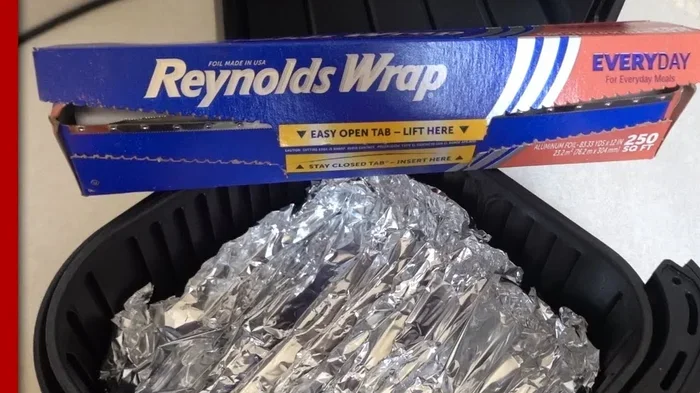
Featured image for aluminum foil air fryer basket
Image source: i.ytimg.com
Yes, you can use aluminum foil in an air fryer as long as you follow a few simple rules. Never cover the entire basket or block the heating element, and always secure the foil so it doesn’t fly around. Proper use keeps food moist, makes cleanup easy, and prevents damage to your appliance.
Air fryers have become a kitchen staple because they deliver crispy texture with a fraction of the oil. Many home cooks wonder whether a sheet of aluminum foil can join the party. The short answer is yes, but only when you respect the machine’s need for unrestricted hot air. Think of the air fryer like a tiny convection oven: a powerful fan pushes heated air around the food, and anything that interrupts that flow can lead to uneven cooking or even a fire hazard.
In this guide we break down the science, the safety rules, and the practical tricks that let you harness foil without risking your appliance or your dinner. You’ll learn when foil shines, when it’s better to skip it, and what alternatives keep cleanup simple. By the end you’ll feel confident deciding whether to reach for that roll of shiny metal the next time you fire up the fryer.
Key Takeaways
- Airflow is king: Foil must never block the fan or heating element.
- Secure the foil: Tuck edges under food or use a foil packet to keep it in place.
- Size matters: Cut foil to fit the basket, leaving space around the edges.
- Acidic foods react: Avoid wrapping tomatoes, citrus, or vinegar‑based marinades directly in foil.
- Cleanup is easier: Lining the basket with foil catches drips and reduces scrubbing.
- Alternatives exist: Parchment paper, silicone mats, and perforated liners work well too.
- Check your manual: Some manufacturers forbid foil; always verify before use.
📑 Table of Contents
Understanding How an Air Fryer Works
The Convection Principle
An air fryer is essentially a compact convection oven. A heating element warms the air, and a high‑speed fan circulates that hot air around the food at speeds up to 70 mph. This rapid movement creates the Maillard reaction on the surface, giving you that golden‑brown crunch without deep‑frying. Because the fan is the engine of the process, any obstruction reduces efficiency.
Why Airflow Matters
When airflow is blocked, hot spots form and some pieces stay soggy while others burn. The fan also helps evaporate surface moisture, which is essential for crispness. If you cover the entire basket with foil, you create a sealed chamber that traps steam. The result is steamed food, not air‑fried food. Keeping at least 25 percent of the basket surface open preserves the convection cycle.
The Role of Aluminum Foil in Cooking
Heat Conduction vs. Reflection
Aluminum foil is an excellent conductor of heat, meaning it spreads warmth quickly across its surface. At the same time, its shiny side reflects radiant heat back toward the food. In a conventional oven this can help brown the top of a casserole. In an air fryer the fan already delivers intense convective heat, so the reflective property is less critical, but the conductive property can help cook the bottom of delicate items more evenly.
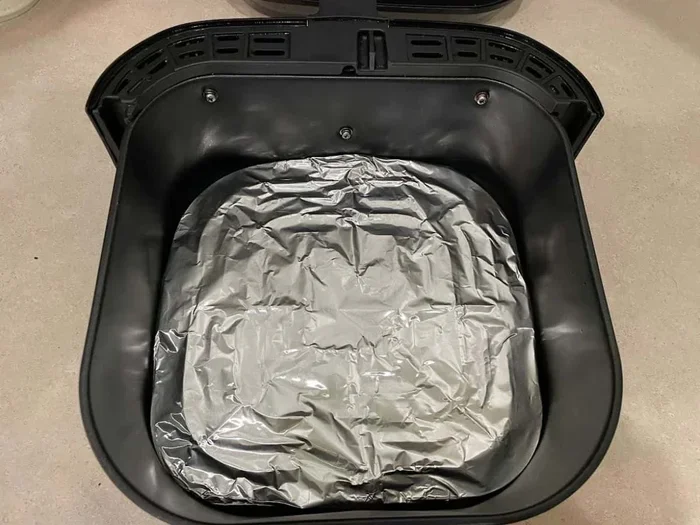
Visual guide about aluminum foil air fryer basket
Image source: alsothecrumbsplease.com
Common Uses for Foil
Cooks typically reach for foil to: create packets that steam vegetables or fish; line the basket to catch drippings from marinated meats; shield the tops of foods that brown too fast, such as cheese‑topped dishes; and separate flavors when cooking multiple items at once. Each use works only when the foil stays put and leaves room for air to travel.
Safety Guidelines for Using Foil in an Air Fryer
Do Not Block the Fan
The fan sits either at the top or the back of the unit, depending on the model. Foil that drapes over the fan intake or exhaust will choke the airflow. Always keep a clear path of at least one inch around the fan vents. If you’re unsure where the vents are, consult the user manual or shine a flashlight through the basket while the machine is off.
Keep Foil Away From the Heating Element
The heating element can reach 450 °F (232 °C). Direct contact between foil and the element can cause the metal to melt, spark, or even ignite. Position foil only on the basket floor or wrapped around food, never draped over the element housing. A good rule: if you can see the element, the foil is too close.
Secure the Foil
Loose foil becomes a projectile when the fan spins up. Tuck the edges under the food, crimp the corners, or use a small piece of parchment paper as a weight. Some users place a silicone mat on top of the foil to hold it down. Whatever method you choose, give the basket a gentle shake before starting; if the foil moves, re‑secure it.
Use the Right Size
Cut a piece that covers the bottom of the basket plus a half‑inch lip up the sides. Oversized sheets that hang over the rim can catch on the drawer mechanism and tear. Undersized pieces leave gaps where drippings fall through, defeating the purpose of a liner. A kitchen scissors makes quick work of custom sizing.
Best Practices and Tips for Foil Success
Creating a Foil Packet
Lay a sheet of foil flat, place seasoned protein and vegetables in the center, drizzle with a splash of oil or broth, then fold the edges over and crimp tightly. The packet traps steam, cooking the contents gently while the surrounding air crisps the exterior. This technique works beautifully for salmon, chicken breasts, and mixed veggies. Remember to poke a few tiny holes with a fork to let excess steam escape, preventing a pressure buildup.
Lining the Basket for Easy Cleanup
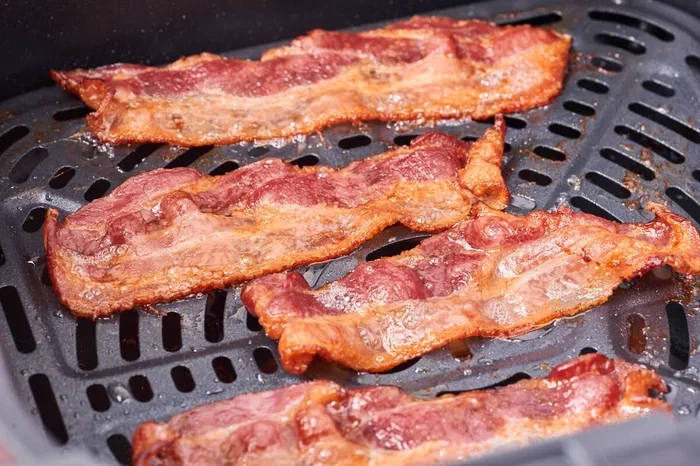
Cut a liner that matches the basket’s footprint. Press it gently into the corners so it conforms to the shape. The foil catches oil, crumbs, and marinades, turning a ten‑minute scrub into a thirty‑second wipe. After cooking, let the basket cool, then lift the foil out and discard. For extra protection, double‑layer the foil if you’re cooking very greasy items like bacon.
Cooking Delicate Foods
Fish fillets, thin asparagus, and soft tofu can fall apart when tossed by the fan. A loose foil “cradle” — a shallow bowl shape — holds them together while still exposing the top surface to hot air. The cradle also prevents small pieces from slipping through the basket mesh.
Avoiding Acidic Foods
Tomatoes, lemon juice, vinegar, and wine react with aluminum, creating a metallic taste and potentially leaching tiny amounts of metal into the food. If your recipe calls for a high‑acid marinade, line the foil with parchment paper first, or skip foil altogether and use a silicone mat.
Common Mistakes and How to Fix Them
Foil Blowing Around
If you hear a rattling sound, the foil is loose. Pause the cycle, open the drawer, and press the foil down firmly. Adding a light weight — a silicone baking mat or a second piece of foil folded into a strip — usually solves the problem. Never run the fryer with foil flapping; it can tear and contact the heating element.
Uneven Cooking
When foil covers too much of the basket, the lower layer of food steams while the top browns. The fix: cut the foil into a ring shape, leaving the center open, or use a perforated foil liner that lets air pass through. Rotating the basket halfway through the cook time also evens out results.
Foil Tearing
Thin, cheap foil tears easily under the weight of heavy food or when you pull the basket out. Upgrade to heavy‑duty foil (often labeled “extra strong”) for durability. If a tear occurs mid‑cook, carefully remove the damaged piece with tongs and replace it; do not continue with a torn liner that could fragment.
Alternatives to Aluminum Foil
Parchment Paper
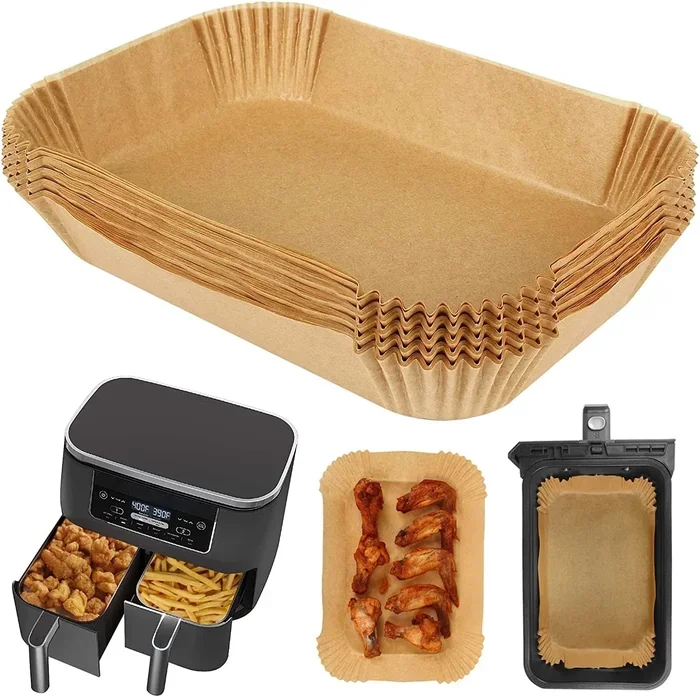
Parchment paper is heat‑resistant up to 450 °F and non‑reactive with acids. Pre‑cut rounds with perforations are made specifically for air fryers. They allow airflow while catching drips, and they’re compostable in many municipalities.
Silicone Mats
Food‑grade silicone mats are reusable, dishwasher‑safe, and flexible enough to conform to any basket shape. They withstand temperatures up to 500 °F and provide a non‑stick surface without any risk of metal leaching.
Perforated Liners
Commercial perforated liners combine the convenience of a disposable sheet with built‑in holes that preserve airflow. They’re often made from parchment or a thin food‑grade plastic. Check the packaging for maximum temperature rating before use.
Conclusion
Using aluminum foil in an air fryer is perfectly safe when you respect the machine’s need for free‑flowing hot air. Keep the foil small, secure, and away from the heating element, and you’ll enjoy easier cleanup, moister proteins, and the ability to cook delicate items without them flying around. If you ever feel uncertain, a quick glance at the manufacturer’s manual or a switch to parchment or silicone will keep your cooking on track. Happy air frying!
Frequently Asked Questions
Can I put aluminum foil in the air fryer?
Yes, you can use aluminum foil as long as you do not block the fan or heating element, keep the foil secured, and leave space for air to circulate.
Will foil damage my air fryer?
Foil can cause damage only if it contacts the heating element or obstructs airflow, which may lead to overheating or a fire hazard.
What foods should not be wrapped in foil?
Highly acidic foods like tomatoes, citrus, and vinegar‑based marinades react with aluminum and can impart a metallic taste.
How do I keep foil from blowing around?
Tuck the edges under the food, crimp the corners, or place a silicone mat on top of the foil to weigh it down.
Are there better alternatives to foil?
Parchment paper, silicone mats, and perforated liners are excellent alternatives that allow airflow and are non‑reactive.
Do all air fryer brands allow foil?
Most brands permit foil with the same safety guidelines, but always check your specific model’s manual for any restrictions.