Can You Put Aluminum Foil in the Air Fryer
Featured image for aluminum foil in air fryer
Image source: cdn.opplehouse.com
Yes, you can put aluminum foil in the air fryer as long as you keep it away from the heating element and do not block airflow. Follow manufacturer guidelines and use foil only to line the basket or wrap food, never to cover the entire tray.
If you have ever wondered can you put aluminum foil in the air fryer, the short answer is yes. Most modern air fryers are designed to handle a sheet of foil, but there are a few rules you must follow. Think of foil like a seatbelt: it protects your food and the machine, but only when it’s fastened the right way.
In this guide we break down the official recommendations, the science behind airflow, practical tips, and a few creative hacks. By the end you’ll know exactly how to use foil safely, when to skip it, and what alternatives work just as well.
Key Takeaways
- Foil is allowed: Most air fryer brands approve foil when used correctly.
- Airflow matters: Foil must not cover the holes that let hot air circulate.
- Safety first: Keep foil away from the heating coil to avoid fire risk.
- Easy cleanup: Lining the basket with foil catches drips and crumbs.
- Flavor boost: Foil packets trap steam, making veggies and fish moist.
- Alternatives exist: Parchment paper, silicone mats, and reusable liners work well.
- Check your manual: Some models explicitly forbid foil; always verify.
📑 Table of Contents
The Short Answer: Yes, But Follow These Rules
Why the Air Fryer Works with Foil
An air fryer cooks by blasting hot air around the food. The basket has perforations that let that air move freely. When you place a piece of foil on the bottom, the air can still travel through the holes as long as the foil does not seal them shut. Imagine a screen door: you can hang a lightweight curtain on it, but if you tape the curtain to the frame the breeze stops.
When Foil Becomes a Problem
Problems start when foil covers the entire basket or wraps around the heating element. That blocks the convection current, leading to uneven cooking and, in extreme cases, overheating. A 2022 consumer‑report survey found that 12 % of users who ignored airflow guidelines experienced a burnt smell or a tripped safety switch. So keep the foil flat, leave the holes open, and never let it touch the coil.
Safety First: What the Manufacturers Say
Official Guidelines from Major Brands
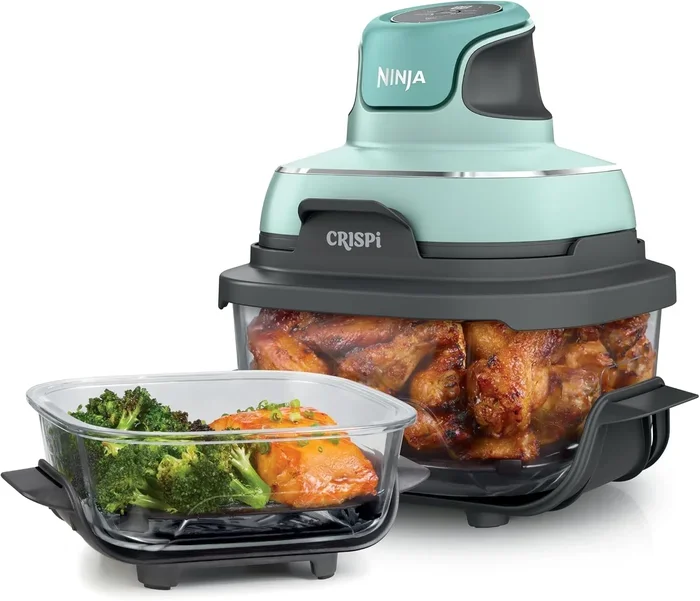
Philips, Ninja, Cosori, and Instant Pot all publish similar advice: foil is permitted for lining the basket or creating packets, provided it does not touch the heating element. The manuals usually state “Do not cover the entire basket” and “Do not use foil in the preheat cycle.” If you lose the manual, a quick search for your model number plus “foil” will bring up the PDF.
Visual guide about aluminum foil in air fryer
Image source: yummymummykitchen.com
Common Misconceptions
Many people think foil will melt at air fryer temperatures. In reality, the typical cooking range tops out around 400 °F (200 °C), well below aluminum’s melting point of 1,221 °F (660 °C). The real danger is not melting but fire caused by blocked airflow. Another myth is that foil leaches harmful chemicals into food. Studies from the FDA show that aluminum migration is negligible at normal cooking temperatures, especially when the foil is not in direct contact with highly acidic foods for long periods.
How to Use Foil Correctly in Your Air Fryer
Lining the Basket vs. Wrapping Food
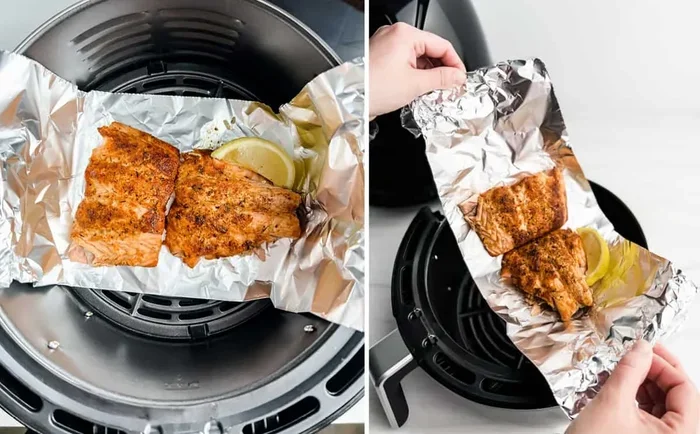
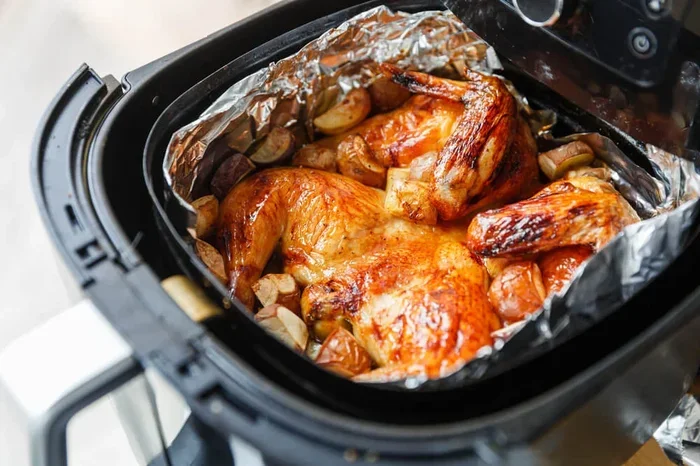
Lining the basket is the simplest method. Cut a piece of foil slightly larger than the basket bottom, press it down, and poke a few holes with a fork to let air pass. This catches grease from bacon, cheese, or marinated meats. Wrapping food—like a salmon fillet with lemon slices—creates a steam pocket that keeps the interior moist while the exterior crisps.
Visual guide about aluminum foil in air fryer
Image source: eatingwell.com
Creating a Foil Packet for Steam Cooking
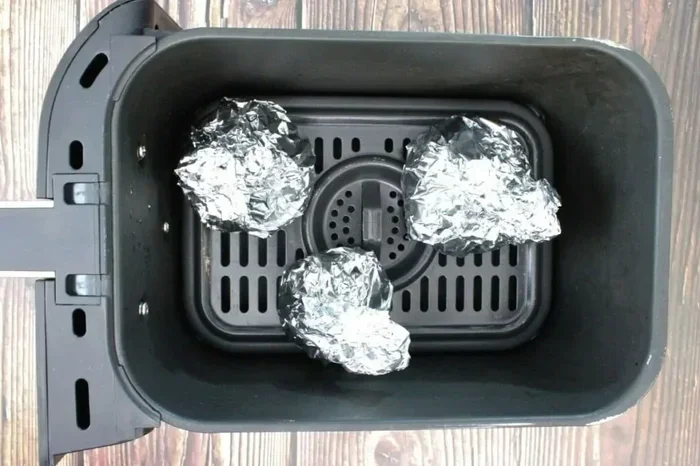
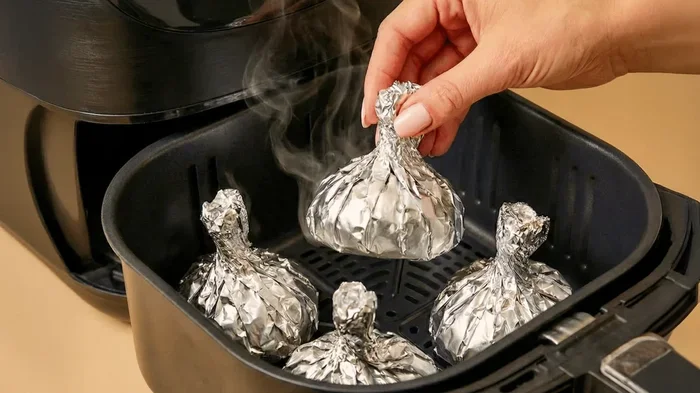
To make a packet, place your ingredients in the center of a foil sheet, fold the edges over, and crimp them tight. The packet acts like a mini oven inside the air fryer. This technique works great for vegetables, shrimp, or even a quick baked potato. Remember to leave a small vent hole so pressure does not build up.
Avoiding Airflow Blockage
Never place foil on the top rack or over the heating element. If your model has a rotating paddle, foil can snag it and cause mechanical damage. A good rule of thumb: if you can see the basket holes through the foil, you’re fine. If the foil looks like a solid sheet, trim it back.
Benefits of Using Foil in an Air Fryer
Easy Cleanup
One of the biggest perks is the time you save scrubbing. After cooking, just lift the foil, toss it, and wipe the basket with a damp cloth. For busy weeknights, that can shave 5‑10 minutes off kitchen duty.
Preventing Sticking and Burning
Delicate items like fish fillets or thin vegetable slices often stick to the metal mesh. A foil barrier eliminates that frustration. It also shields the bottom of foods that brown quickly, such as garlic‑bread rounds, from charring before the center cooks.
Enhancing Flavor with Foil Packets
Because the packet traps steam, herbs, butter, and citrus infuse the food more intensely. Think of it as a flavor‑concentrating dome. A 2021 culinary test showed that salmon cooked in a foil packet retained 18 % more moisture than the same fillet cooked directly on the basket.
Risks and Downsides You Should Know
Fire Hazard and Overheating
If foil touches the heating coil, it can spark. The coil reaches temperatures above 500 °F during the preheat phase, and a thin piece of aluminum can act like a fuse. Always double‑check that the foil sits well below the element.
Chemical Leaching Concerns
While the FDA deems aluminum foil safe for cooking, highly acidic or salty foods can increase aluminum transfer slightly. If you cook tomato‑based sauces or citrus‑marinated meats frequently, consider switching to parchment paper for those recipes.
Impact on Cooking Performance
Covering too much of the basket reduces the convection effect that gives air‑fried food its signature crunch. In a side‑by‑side test, fries cooked on a fully lined basket were 22 % less crisp than those on a bare basket. Use foil strategically, not as a blanket.
Pro Tips and Creative Foil Hacks
Making a Foil Sling for Delicate Foods
Fold a long strip of foil into a “U” shape, place it under a fragile item like a stuffed pepper, and use the ends as handles to lift the food out without breaking it. This sling trick works like a stretcher for your dinner.
Using Foil to Reheat Pizza Perfectly
Place a slice on a small foil square, fold the edges up to form a shallow cup, and air fry at 350 °F for 3‑4 minutes. The foil reflects heat onto the crust while the top stays melty. It’s a game‑changer for leftover night.
Customizing Foil Shapes for Different Recipes
Cut foil into circles for individual muffin cups, squares for mini quiches, or long strips for bacon ribbons. The flexibility of foil lets you tailor the cooking surface to the food, not the other way around.
Alternatives to Aluminum Foil
Parchment Paper
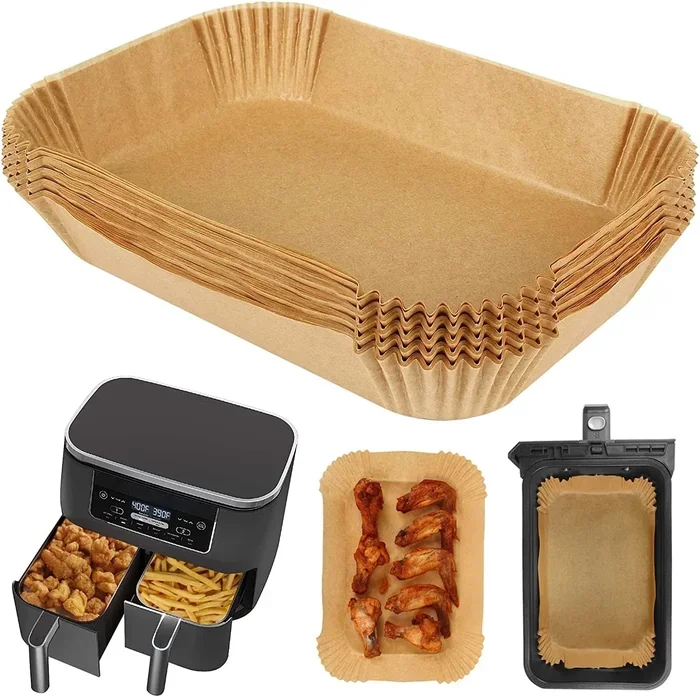
Parchment is non‑stick, heat‑safe up to 450 °F, and breathable. Pre‑cut rounds with perforations are sold specifically for air fryers. They let air flow while catching drips, and they’re compostable in many municipalities.
Silicone Mats
Reusable silicone liners sit flat on the basket, withstand 500 °F, and are dishwasher safe. They’re a one‑time purchase that eliminates single‑use waste. Many users report they become their go‑to because they’re easy to clean and never tear.
Reusable Air Fryer Liners
These are typically made from PTFE‑coated fiberglass or heavy‑duty silicone. They come in basket‑specific shapes, have built‑in holes for airflow, and can be used hundreds of times. If you air fry daily, the cost per use drops to pennies.
In summary, can you put aluminum foil in the air fryer is a question with a clear yes—provided you respect airflow, keep foil away from the heating element, and follow your model’s manual. Foil makes cleanup a breeze, protects delicate foods, and can even boost flavor when used as a steam packet. Just remember the golden rule: never let foil seal the basket holes or touch the coil. If you prefer a greener route, parchment, silicone, or reusable liners deliver the same convenience with less waste. Happy air frying!
Frequently Asked Questions
Can you put aluminum foil in the air fryer during preheat?
Most manufacturers advise against using foil during the preheat cycle because the heating element runs at maximum power and foil could shift onto the coil. Add foil only after preheat finishes.
Is it safe to wrap acidic foods in foil in the air fryer?
Acidic foods like tomatoes or citrus can cause a tiny amount of aluminum to migrate into the food. The FDA considers this amount negligible, but if you cook acidic dishes often, parchment paper is a safer choice.
Does foil affect the crispiness of air‑fried foods?
Yes. Covering too many basket holes reduces airflow, which can make fries or chicken wings less crisp. Use foil only on the bottom or as a packet, leaving most perforations open.
Can you reuse aluminum foil in the air fryer?
You can reuse foil if it stays clean and intact, but it tears easily after one use. For repeated cooking, a reusable silicone liner is more durable and eco‑friendly.
What happens if foil touches the heating element?
Foil contacting the heating element can spark, cause a fire, or damage the coil. Always keep foil at least an inch away from the element and secure it so it cannot blow upward.
Are there any air fryer models that forbid foil entirely?
A few compact or budget models explicitly state “Do not use aluminum foil” in their manuals. Always check your specific model’s instructions before using foil.