
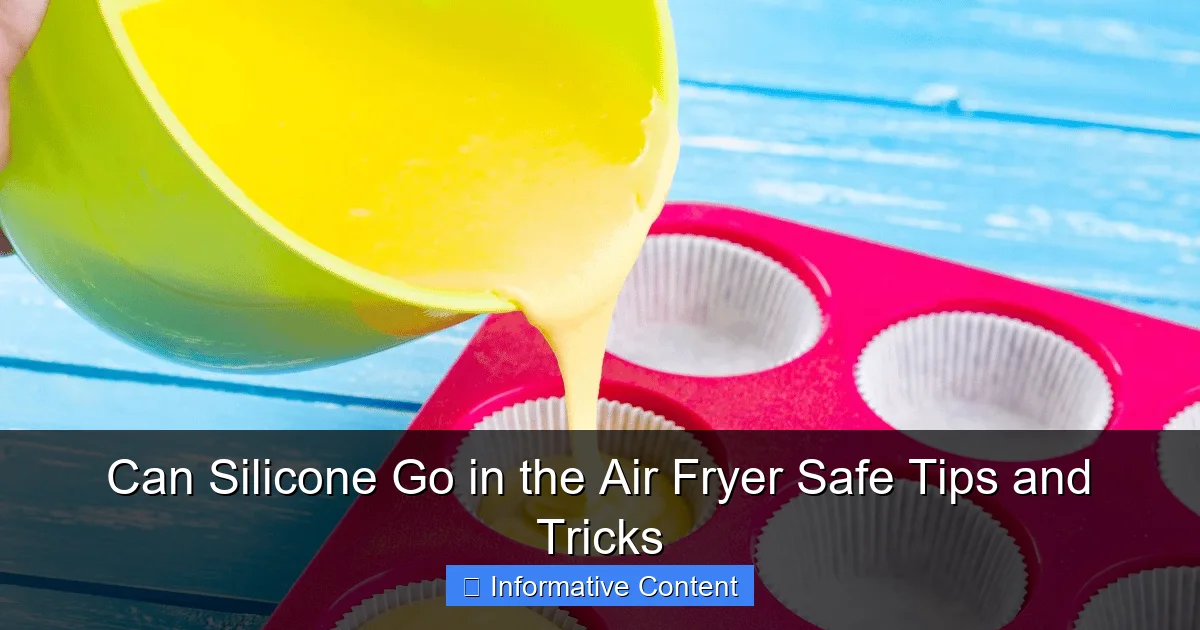
Featured image for can silicone go in the air fryer
Image source: cookeryspace.com
Yes, silicone can safely go in the air fryer as long as it’s labeled food-grade and heat-resistant up to 400°F (204°C). Avoid low-quality or decorative silicone that may melt or release harmful chemicals under high heat—always check manufacturer guidelines before use.
Key Takeaways
- Silicone is air fryer-safe: Use only oven-safe, high-quality silicone accessories.
- Check heat resistance: Ensure silicone withstands temperatures above 400°F.
- Prevent melting: Avoid direct contact with heating elements or hot surfaces.
- Clean thoroughly: Wash silicone before first use to remove manufacturing residues.
- Use proper sizes: Choose molds/baskets that fit without blocking airflow.
- Inspect regularly: Discard silicone with cracks, warping, or discoloration.
📑 Table of Contents
- Can Silicone Go in the Air Fryer? Safe Tips and Tricks
- Why Silicone Is a Popular Choice for Air Frying
- How to Choose the Right Silicone for Air Frying
- Safe Ways to Use Silicone in Your Air Fryer
- Common Mistakes and How to Avoid Them
- Data: Silicone Temperature Ratings and Air Fryer Safety
- Final Thoughts: Can Silicone Go in the Air Fryer?
Can Silicone Go in the Air Fryer? Safe Tips and Tricks
So, you just bought a shiny new air fryer and you’re ready to cook everything from crispy fries to juicy chicken wings. But wait—what about your favorite silicone baking molds, cupcake liners, or even that handy silicone spatula? You’ve heard mixed things: some people swear by using silicone in air fryers, while others warn it’s a one-way ticket to melted disaster. You’re not alone if you’ve stood in front of your air fryer, holding a silicone tray, wondering, “Can silicone go in the air fryer?”
Let me tell you—I’ve been there. A few years ago, I tossed a silicone muffin tin into my air fryer to make mini quiches. The result? A perfectly golden crust… and a slightly warped tray that now looks like it survived a volcano. That moment taught me the hard way that not all silicone is created equal, and temperature matters more than you’d think. But here’s the good news: yes, silicone can go in the air fryer—but only if you follow a few key safety rules. In this guide, I’ll walk you through everything you need to know, from choosing the right silicone to avoiding kitchen mishaps. Whether you’re a beginner or a seasoned air fryer pro, these safe tips and tricks will help you cook smarter, not harder.
Why Silicone Is a Popular Choice for Air Frying
What Makes Silicone So Versatile?
Silicone has become a kitchen staple for a reason. It’s flexible, non-stick, easy to clean, and doesn’t absorb odors. Unlike metal or glass, it won’t scratch your air fryer basket or break when dropped. Plus, it comes in so many forms: baking cups, loaf pans, trivets, mats, and even tongs. That versatility makes it tempting to use silicone in your air fryer—especially since air fryers work by circulating hot air, which can be harsh on certain materials.
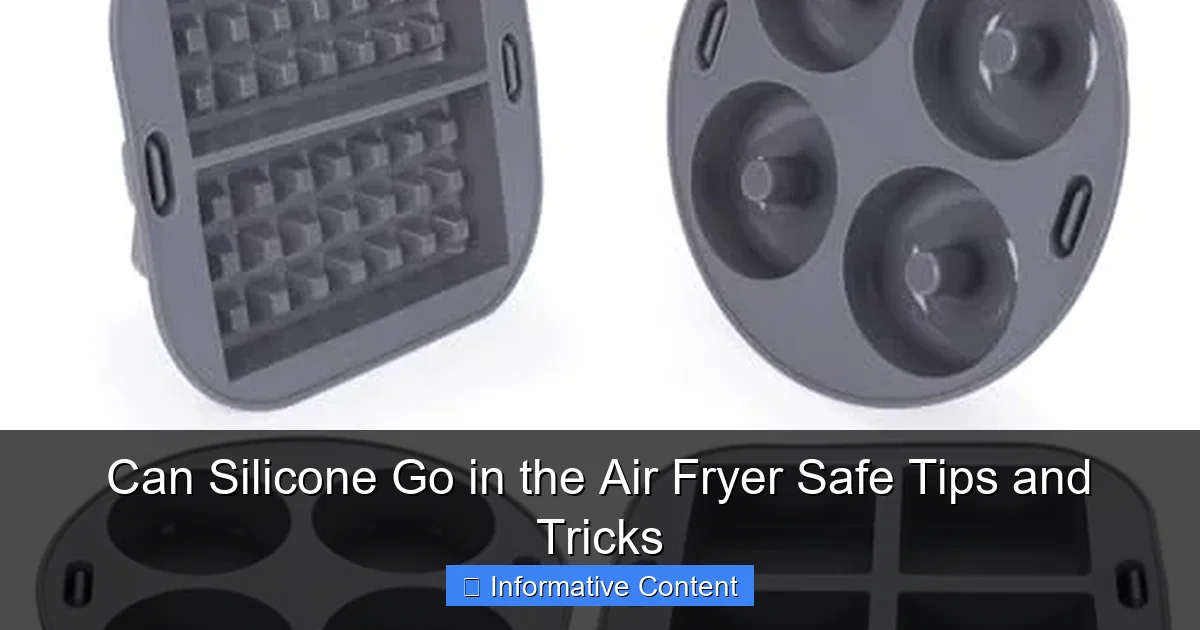
Visual guide about can silicone go in the air fryer
Image source: m.media-amazon.com
I remember when I first started air frying. I tried using a regular metal muffin pan, and while it worked, cleaning the stuck-on batter was a nightmare. Then I switched to silicone baking cups, and suddenly, cleanup was a breeze. The food popped out with zero effort. That’s the magic of food-grade silicone: it’s designed to handle high heat without leaching chemicals or sticking to food.
Benefits of Using Silicone in Your Air Fryer
- Non-stick surface: No need for extra oil or parchment paper—your food releases easily.
- Heat resistance: High-quality silicone can withstand temperatures up to 428°F (220°C) or more.
- Flexible and lightweight: Easy to store and won’t scratch your air fryer basket.
- Dishwasher safe: Most silicone items clean up in minutes.
- Reusable: Unlike paper liners, silicone molds last for years with proper care.
For example, I use silicone egg molds to make perfect little omelets in my air fryer. They hold their shape, don’t stick, and I can reuse them dozens of times. But here’s the catch: not all silicone products are built the same. That’s why understanding which silicone is safe is crucial.
Common Misconceptions About Silicone and Air Fryers
One myth I often hear is that “all silicone is heat-safe.” Not quite. While pure, food-grade silicone is excellent for high-heat cooking, some cheaper silicone blends or decorative items (like colorful spatulas with plastic cores) can’t handle the intense heat of an air fryer. Another myth? That silicone will melt at 350°F. In reality, most air fryers max out at around 400°F—and high-quality silicone can handle that easily.
But here’s the real issue: air fryers create a dry, intense heat environment. Unlike an oven, where heat is more evenly distributed, air fryers use rapid air circulation, which can cause hot spots. If your silicone isn’t rated for that kind of heat, it might warp, discolor, or even emit a strange smell (a sign of off-gassing).
How to Choose the Right Silicone for Air Frying
Look for 100% Food-Grade Silicone
Not all silicone is created equal. The safest option is 100% food-grade silicone, which is free from fillers, plasticizers, or other additives. You can usually tell by the packaging or product description—look for terms like “food-safe,” “LFGB certified,” or “BPA-free.” I always check for a “100% pure silicone” label. If it says “silicone blend” or doesn’t specify, it might contain fillers that break down at high temperatures.
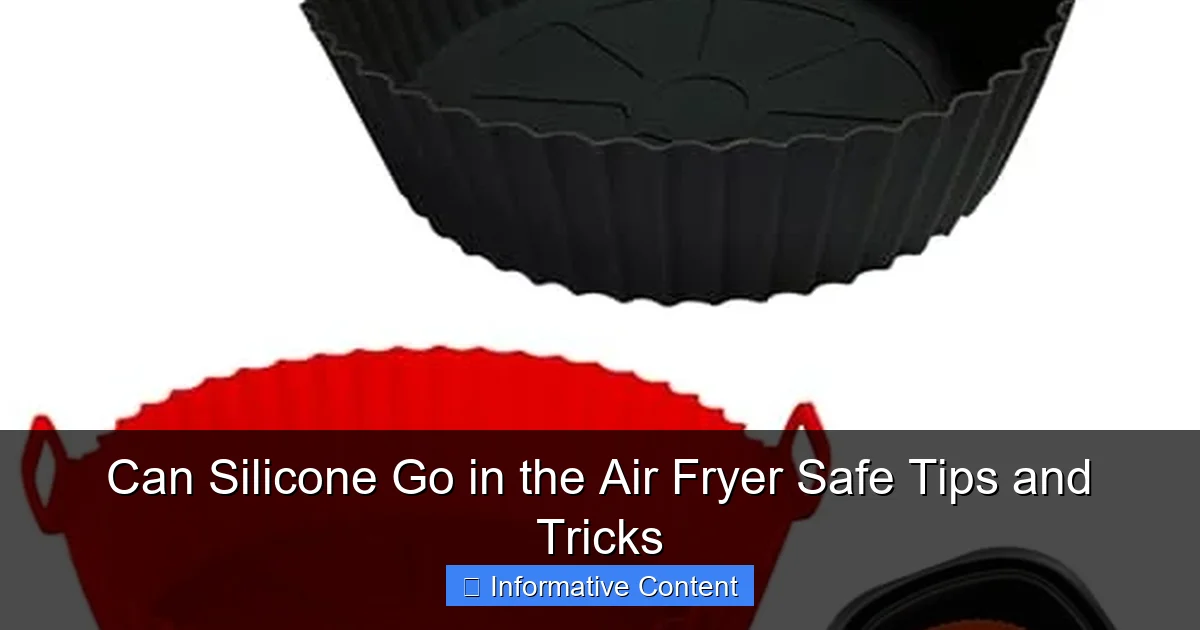
Visual guide about can silicone go in the air fryer
Image source: m.media-amazon.com
For example, I once bought a set of cheap silicone cupcake liners from a discount store. They looked identical to my high-end ones, but after just one use in the air fryer at 375°F, they started to warp and smell funny. I tossed them immediately. Lesson learned: invest in quality.
Check the Temperature Rating
This is non-negotiable. Always check the maximum temperature rating on your silicone product. Most air fryers operate between 300°F and 400°F, with some reaching 425°F. Your silicone should be rated for at least 428°F (220°C) to be safe. If it’s only rated for 350°F, it’s a no-go.
Here’s a quick tip: flip the product over or check the packaging. Many silicone items list the temperature range right on the bottom. If it’s missing, contact the manufacturer. I’ve had brands reply within a day with detailed specs.
Choose the Right Shape and Size
Silicone molds and pans should fit comfortably in your air fryer basket without touching the heating element or fan. For most basket-style air fryers, that means staying at least 1 inch away from the walls and bottom. If your silicone mold is too large, it can block airflow, leading to uneven cooking or overheating.
I use a 6-cup silicone muffin tin that fits perfectly in my 5.8-quart air fryer. But when I tried a larger 12-cup tray, it blocked the air vents and caused the silicone to overheat on the edges. Now I stick to smaller, single-serving molds or mini loaf pans.
Avoid Silicone with Metal or Plastic Components
Some silicone products—like spatulas, tongs, or molds with metal cores—are not safe for air fryers. The metal can get extremely hot and damage your basket, while plastic parts may melt or emit fumes. Only use all-silicone tools that are labeled as oven-safe or air fryer-safe.
I made the mistake of using a silicone-tipped spatula with a plastic handle to flip chicken wings. The silicone part was fine, but the plastic handle got so hot I dropped it—and it melted slightly on the basket. Oops. Now I only use 100% silicone utensils.
Safe Ways to Use Silicone in Your Air Fryer
Using Silicone Molds and Pans
Silicone baking molds are fantastic for making mini quiches, egg bites, brownies, or even meatloaf. Here’s how to do it safely:
- Preheat your air fryer for 3–5 minutes before adding the silicone mold. This helps prevent warping from sudden heat exposure.
- Place the mold in the center of the basket, away from the walls and heating element.
- Add a small amount of oil or non-stick spray if your recipe calls for it—though most foods release easily from silicone.
- Check the mold halfway through cooking to ensure it’s not melting or discoloring.
I make silicone egg bites every weekend. I fill the cups with a mix of eggs, cheese, and veggies, then cook at 320°F for 12 minutes. They come out fluffy, golden, and never stick. Plus, I can pop the whole tray in the dishwasher afterward.
Using Silicone Mats and Liners
Silicone baking mats (like those from Silpat) can be used in air fryers, but with caution. They’re great for preventing small foods (like fries or nuggets) from falling through the basket. However:
- Don’t cover the entire basket—blocking airflow can cause overheating.
- Cut the mat to size so it fits with at least 1 inch of space around the edges.
- Use it for low-to-medium heat (under 375°F) to reduce the risk of warping.
I use a cut-to-size silicone mat to air fry frozen dumplings. It keeps them from sticking and makes cleanup a breeze. But I never use it at 400°F—just 350°F for 10 minutes, then flip and cook another 5.
Using Silicone Baking Cups and Liners
Silicone cupcake liners are a game-changer for air fryer desserts. They’re perfect for making mini muffins, chocolate lava cakes, or even single-serve brownies. Just remember:
- Place them in a metal tray or silicone mold for stability—they can tip over if loose in the basket.
- Don’t overfill—leave room for the food to rise.
- Remove them carefully—silicone retains heat and can burn your fingers if touched too soon.
My kids love air fryer chocolate chip cookies in silicone liners. I scoop the dough, cook at 325°F for 10 minutes, and they come out gooey in the middle and crisp on the edges.
What NOT to Use in Your Air Fryer
- Silicone with metal cores or plastic handles (e.g., some tongs or spatulas)
- Cheap, unbranded silicone with no temperature rating
- Silicone oven gloves or trivets not labeled for high heat
- Silicone storage containers meant for cold or room-temperature use
I learned this the hard way when I tried using a silicone trivet as a base for a casserole. It melted into a gooey mess. Now I only use trivets labeled “oven-safe up to 450°F.”
Common Mistakes and How to Avoid Them
Using Silicone at Too High a Temperature
Even high-quality silicone can degrade if exposed to temperatures above its rating. Most air fryers can reach 400°F, but if your silicone is only rated for 350°F, it’s a recipe for disaster. Always match the silicone’s max temp to your cooking needs.
I once cranked my air fryer to 450°F to crisp up some chicken wings. I used a silicone mold to make a side of mac and cheese. The mold didn’t melt, but it turned slightly yellow and lost some of its flexibility. After that, I stick to 375°F or lower for silicone items.
Ignoring Airflow
Air fryers rely on rapid air circulation to cook food evenly. If your silicone mold or mat blocks the vents, you risk uneven cooking, overheating, or even a fire hazard. Always leave space around the silicone.
I tried using a large silicone loaf pan once. It touched the sides of the basket, and the edges of the bread burned while the center was undercooked. Now I use mini loaf pans that fit with room to spare.
Not Preheating the Air Fryer
Sudden exposure to high heat can cause silicone to warp or crack. Always preheat your air fryer for 3–5 minutes before adding silicone items. This helps the material adjust gradually to the heat.
I skip preheating when I’m in a rush, and it shows—my silicone molds often come out slightly warped. Preheating makes a big difference.
Cleaning Silicone Improperly
Silicone is durable, but it can absorb oils and odors if not cleaned properly. After air frying, wash silicone items with warm, soapy water or run them through the dishwasher. Avoid abrasive scrubbers that can scratch the surface.
I once left a silicone mold with greasy residue overnight. The next day, it had a faint fried food smell that took a few washes to remove. Now I clean everything right after use.
Data: Silicone Temperature Ratings and Air Fryer Safety
| Silicone Type | Max Temp (°F) | Air Fryer Safe? | Notes |
|---|---|---|---|
| 100% Food-Grade Silicone | 428–500°F | Yes | Best choice; look for LFGB or FDA certification |
| Silicone Blend (with fillers) | 300–350°F | No | May warp or emit odors at high heat |
| Silicone with Metal Core | 400°F (metal may overheat) | No | Metal can damage basket or cause sparks |
| Silicone with Plastic Handle | 250–300°F (plastic melts) | No | Handle may melt; use only all-silicone tools |
| Silicone Baking Mats (cut to size) | 428°F | Yes (with caution) | Do not cover entire basket; leave airflow space |
Final Thoughts: Can Silicone Go in the Air Fryer?
So, can silicone go in the air fryer? Absolutely—if you choose the right kind and use it wisely. High-quality, 100% food-grade silicone rated for 428°F or higher is not only safe but incredibly useful for air frying. From baking cups to molds to mats, silicone makes cooking easier, cleaner, and more fun.
But remember: not all silicone is created equal. Avoid cheap blends, mixed-material tools, and products without clear temperature ratings. And always keep airflow in mind—your air fryer needs to breathe to work its magic. With these safe tips and tricks, you can enjoy perfectly cooked, non-stick meals without the risk of melting, warping, or kitchen disasters.
At the end of the day, silicone is a fantastic tool for air fryer cooking—but only when used with care. I’ve learned to read labels, preheat properly, and keep an eye on temperatures. Now, my silicone molds last for years, and my air fryer meals turn out better than ever. So go ahead, try that silicone muffin tin or egg mold. Just do it the safe way, and you’ll never look back.
Frequently Asked Questions
Can silicone go in the air fryer without melting?
Yes, most food-grade silicone is heat-resistant up to 428°F (220°C), making it safe for typical air fryer temperatures. Always check your silicone product’s temperature rating to avoid damage.
Are all silicone accessories safe for the air fryer?
Not all silicone is created equal—only use air fryer-safe silicone accessories labeled for high-heat cooking. Avoid low-quality silicone that may degrade or leach chemicals under high heat.
Can I use a silicone mat or liner in the air fryer?
Absolutely! Silicone mats and liners are excellent for preventing food from sticking and simplifying cleanup. Ensure they’re designed for air fryers and leave space around edges for proper air circulation.
Is silicone safer than parchment paper in the air fryer?
Silicone is reusable and heat-resistant, while parchment paper can burn if exposed to heating elements. For long-term use, silicone in the air fryer is a safer, eco-friendly choice.
How do I clean silicone air fryer accessories?
Most silicone accessories are dishwasher-safe, but handwashing with warm, soapy water works well too. Avoid abrasive scrubbers to maintain the material’s integrity over time.
Can silicone affect the taste of my food in the air fryer?
High-quality food-grade silicone is odorless and won’t alter flavors. Low-quality silicone may retain smells or transfer an off-taste, so invest in trusted brands.