

Featured image for can tinfoil go in air fryer
Image source: img.ltwebstatic.com
Yes, you can safely use tinfoil in your air fryer—but only when used correctly to prevent hazards like fire or restricted airflow. Always ensure the foil is tightly secured, doesn’t cover the heating element, and leaves space for proper air circulation to maintain cooking efficiency and safety. Avoid acidic or sugary foods that may react with the foil and damage your air fryer over time.
Key Takeaways
- Use tinfoil safely: Always keep it away from heating elements to prevent fires.
- Prevent food sticking: Line the basket with tinfoil for easy cleanup and better results.
- Avoid acidic foods: Wrap high-acid dishes in parchment to avoid metallic taste.
- Don’t fully cover: Allow airflow by leaving space around tinfoil for crisp cooking.
- Secure loose edges: Tuck foil tightly to prevent it from flying into the fan.
📑 Table of Contents
- Can Tinfoil Go in Air Fryer? Let’s Set the Record Straight
- Understanding How Air Fryers Work (And Why Foil Matters)
- When Can Tinfoil Go in Air Fryer? The Safe Scenarios
- When You Should NEVER Use Tinfoil in Your Air Fryer
- Best Alternatives to Foil (And When to Use Them)
- Pro Tips and Tricks for Using Foil (Safely)
- Data Table: Foil vs. Alternatives in Air Fryers
- Final Thoughts: Yes, But Do It Right
Can Tinfoil Go in Air Fryer? Let’s Set the Record Straight
You’ve just pulled your favorite chicken wings out of the air fryer—crispy, golden, and smelling amazing. But as you reach for the tinfoil to line the basket for easier cleanup, a tiny voice in your head whispers: Wait… can tinfoil go in air fryer? It’s a question I asked myself years ago, after a particularly messy cleanup session left me wondering if there was a better way.
Air fryers have revolutionized home cooking. They promise crispy, delicious meals with less oil and less mess. But with convenience comes confusion—especially when it comes to using everyday kitchen tools like aluminum foil. I’ve been there: standing in the kitchen, foil in hand, wondering if it’s safe, if it affects cooking, or if I’m about to ruin my appliance. The good news? The answer isn’t a simple yes or no. It depends on how you use it, when you use it, and what you’re cooking. In this guide, I’ll walk you through everything you need to know—so you can cook smarter, cleaner, and with peace of mind.
Understanding How Air Fryers Work (And Why Foil Matters)
Before we dive into whether can tinfoil go in air fryer, let’s take a quick look under the hood. Air fryers don’t actually “fry” food. Instead, they use rapid hot air circulation—like a mini convection oven—to crisp the outside of food while cooking the inside evenly. A fan blows hot air (usually 300°F to 400°F) around the food in a perforated basket, creating that signature crunch we all love.
Visual guide about can tinfoil go in air fryer
Image source: img.ltwebstatic.com
The Science Behind Hot Air Circulation
The key to air frying is airflow. The basket’s holes allow hot air to move freely around the food, ensuring even cooking. When you block this airflow—say, with a solid piece of foil—you disrupt the convection process. That’s why simply lining the entire basket with foil (like you might with a baking sheet) can lead to uneven cooking, soggy results, or even damage to your machine.
For example, I once wrapped an entire piece of salmon in foil and placed it in the air fryer, thinking it would keep the fish moist. Instead, the foil trapped too much steam, the salmon steamed instead of crisped, and the air fryer fan struggled to maintain temperature. Lesson learned: foil isn’t a substitute for proper air fryer technique.
Why Foil Can Be a Double-Edged Sword
Aluminum foil has a high thermal conductivity, meaning it heats up quickly and transfers heat efficiently. That sounds good, right? But here’s the catch: when foil touches the heating element or blocks airflow, it can cause hot spots, overheating, or even a fire hazard. Plus, if foil is loose or crinkled near the heating element, it can spark—especially in older or lower-quality models.
So while foil can be useful, it must be used thoughtfully. Think of it like salt in a recipe: a little enhances the dish, but too much ruins it.
When Can Tinfoil Go in Air Fryer? The Safe Scenarios
Now that we understand the risks, let’s talk about the safe ways to use foil. Yes, can tinfoil go in air fryer in certain situations? Absolutely—when done correctly, it can be a game-changer for cleanup and cooking performance.
Visual guide about can tinfoil go in air fryer
Image source: img.ltwebstatic.com
Using Foil to Line the Bottom (With Gaps)
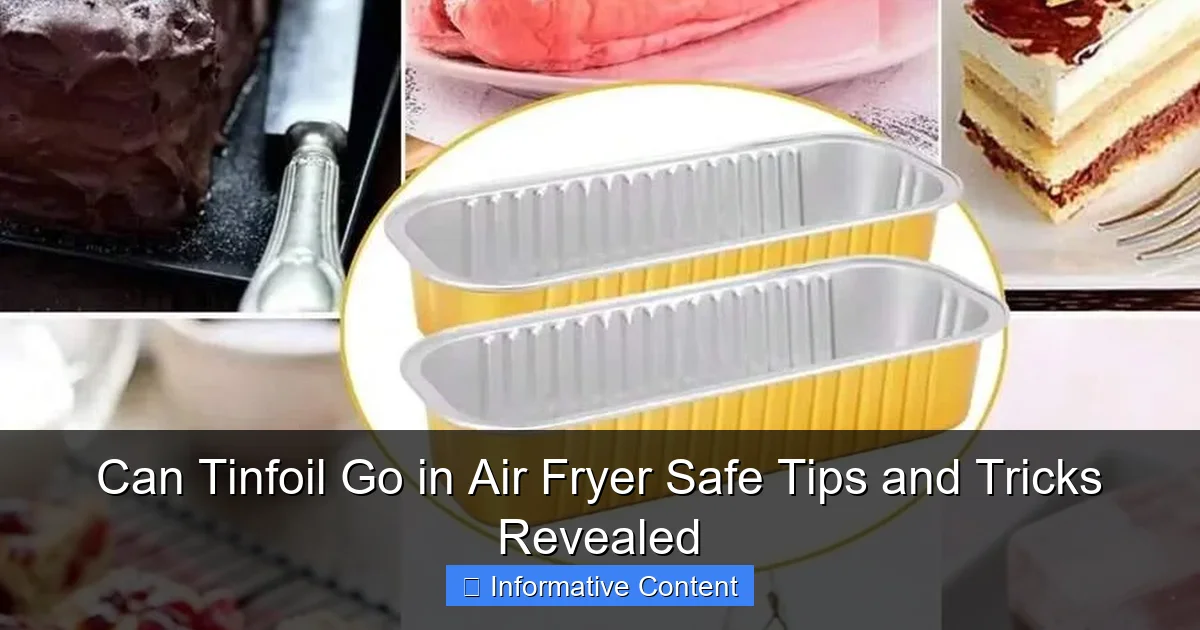
One of the most common and safe uses of foil is to line the bottom of the air fryer basket—but not the sides. The goal is to catch drips and grease without blocking airflow. Here’s how:
- Cut a piece of foil slightly smaller than the basket’s base.
- Place it flat on the bottom, ensuring it doesn’t touch the heating element (usually located above or around the basket).
- Leave the sides open so hot air can circulate freely.
- Use a fork or skewer to poke small holes in the foil (about 5–6 per square inch) to allow steam and air to escape.
I use this trick for fatty foods like bacon, sausages, or marinated chicken. It keeps the basket cleaner and reduces smoke from grease splatter. Just don’t forget the holes—otherwise, you’re trapping moisture and defeating the purpose.
Wrapping Individual Items (With Caution)
You can wrap small or delicate foods in foil—like fish fillets, stuffed peppers, or even baked potatoes—but only if the foil doesn’t touch the heating element and allows some airflow. Here’s my go-to method:
- Use a small piece of foil (just big enough to wrap the food).
- Leave the top slightly open or poke a few holes to let steam escape.
- Place the foil packet directly on the basket, not touching the sides or heating area.
- Cook at a slightly lower temperature (e.g., 375°F instead of 400°F) to prevent overheating the foil.
I once made foil-packet salmon with lemon, dill, and cherry tomatoes. I left the top open just a crack, and the fish cooked perfectly—moist inside, slightly crisp at the edges where it peeked out. The foil caught the juices, and cleanup was a breeze.
Foil as a Drip Tray (For Oily Foods)
For foods that release a lot of oil (think: chicken wings, sausages, or marinated meats), placing a foil drip tray under the basket can be a lifesaver. Some air fryer models come with a removable crisper plate or drip tray—but if yours doesn’t, a foil liner works well.
Just make sure the foil is flat and doesn’t interfere with the basket’s ability to sit securely. I use this trick every time I cook wings, and it’s saved me from scrubbing greasy residue more times than I can count.
When You Should NEVER Use Tinfoil in Your Air Fryer
Now for the “don’ts.” There are several scenarios where using foil is a bad idea—and could even damage your appliance or create a safety hazard.
Blocking the Heating Element
This is the #1 no-no. If foil touches the heating element (usually a coil or rod near the top or back of the unit), it can overheat, melt, or spark. In worst-case scenarios, it could cause a fire. Always check your air fryer’s manual to see where the heating element is located—and never let foil get near it.
I learned this the hard way when I used a large piece of foil to line the entire basket. It curled up at the edges and brushed against the heating coil. The result? A small spark, a burning smell, and a very nervous moment. I immediately turned it off and removed the foil. Lesson: never let foil touch the heating element.
Completely Sealing the Basket
Wrapping your entire air fryer basket in foil (like a present) blocks airflow and traps steam. This turns your air fryer into a steamer or pressure cooker—defeating the whole purpose. You’ll end up with soggy, unevenly cooked food and a machine that works harder than it should.
Think of it like trying to breathe through a plastic bag. The air fryer needs to “breathe” to work properly.
Using Foil with Acidic or Salty Foods
Aluminum reacts with acidic ingredients (like tomatoes, citrus, or vinegar) and high-salt foods. This reaction can leach small amounts of aluminum into your food—though the health risks are debated. More importantly, it can cause the foil to corrode, break down, or leave metallic-tasting residue.
I once made foil-packet shrimp with lemon juice, garlic, and olive oil. The next day, I noticed the foil had tiny holes and the shrimp tasted faintly metallic. From then on, I switched to parchment paper or silicone liners for acidic dishes.
Using Damaged or Crinkled Foil Near the Fan
Sharp edges or crumpled foil near the fan can scratch the interior or get caught in the blades. This can reduce efficiency, create noise, or even damage the motor. Always use smooth, flat pieces—and double-check that nothing is loose or flapping.
Best Alternatives to Foil (And When to Use Them)
Sometimes, foil isn’t the best choice. Luckily, there are safer, more effective alternatives that work just as well—or better.
Parchment Paper (The MVP)
Parchment paper is my go-to for most air fryer tasks. It’s non-stick, heat-resistant (up to 450°F), and doesn’t block airflow. Plus, it won’t react with acidic foods. I use it for:
- Lining the basket (with holes poked in it).
- Wrapping fish or vegetables.
- Preventing sticking for sticky foods like marinated chicken.
Just make sure it doesn’t touch the heating element—same rule as foil. I cut mine to fit the basket and secure it with food clips if needed.
Silicone Liners and Mats
Silicone air fryer liners are reusable, easy to clean, and perfect for frequent users. They’re non-stick, don’t react with food, and allow airflow. I have a set of silicone “cups” that I use for small items like meatballs or veggies—they keep them from falling through the holes.
Downside? They cost a bit more upfront, but they last for years. I’ve had mine for three years and they’re still like new.
Perforated Air Fryer Liners (Store-Bought)
These are pre-cut, non-stick paper liners designed specifically for air fryers. They’re perforated to allow airflow and come in various sizes. I keep a pack in my pantry for quick meals. Just place one in the basket, add your food, and toss it after cooking.
They’re not reusable, but they’re a great middle ground between foil and silicone.
Pro Tips and Tricks for Using Foil (Safely)
If you decide to use foil, here are some expert-level tips to get the best results—without the risks.
Pre-Cut Your Foil for Speed
I keep a roll of foil on a cutting board with a knife nearby. I pre-cut 6–8 pieces (one for each meal I cook in the air fryer that week). This saves time and reduces the chance of cutting too much foil and creating a hazard.
Use a “Foil Tent” for Even Cooking
For large items like a whole chicken breast or thick pork chop, I use a foil “tent.” I place the food in the center, then gently shape the foil over it—like a dome—without sealing the edges. This protects delicate edges from burning while still allowing air to circulate. It’s like giving your food a little umbrella.
Check for Hot Spots
After using foil, I always check the basket for discoloration or warping. If the foil was too close to the heating element, you might see scorch marks. If this happens, stop using foil until you can adjust your method.
Combine Foil with a Trivet or Rack
For extra airflow, I sometimes place a metal trivet or rack on top of the foil. This lifts the food slightly, allowing hot air to move under and around it. I use this trick for roasting vegetables or baking small casseroles.
Clean the Basket After Every Use
Even with foil, grease can build up. I wash the basket with warm, soapy water after every use. If there’s residue, I soak it for 10 minutes. A clean basket = better airflow = better cooking.
Data Table: Foil vs. Alternatives in Air Fryers
| Material | Safe for Air Fryer? | Reacts with Acidic Foods? | Blocks Airflow? | Reusable? | Best For |
|---|---|---|---|---|---|
| Aluminum Foil | Yes (with caution) | Yes | Yes (if misused) | No | Drip trays, wrapping non-acidic foods |
| Parchment Paper | Yes | No | No (if perforated) | No | Lining, wrapping, sticky foods |
| Silicone Liners | Yes | No | No | Yes | Frequent use, small items |
| Perforated Liners | Yes | No | No | No | Quick meals, mess-free cooking |
Final Thoughts: Yes, But Do It Right
So, can tinfoil go in air fryer? The answer is a cautious yes—but only when used correctly. Foil can be a helpful tool for catching drips, simplifying cleanup, and protecting delicate foods. But it’s not a free pass to line, wrap, or seal everything.
Think of it like a power tool: useful when handled with care, dangerous when misused. The key is to respect the airflow, avoid the heating element, and never use foil with acidic or salty foods. When in doubt, reach for parchment paper or silicone instead.
I’ve used my air fryer hundreds of times, with and without foil. The meals are tastier, the cleanup is easier, and I’ve never had a fire (knock on wood). With these safe tips and tricks, you can enjoy all the benefits of your air fryer—without the risks. So go ahead, line that basket, wrap that fish, and cook with confidence. Just remember: a little foil goes a long way.
Frequently Asked Questions
Can tinfoil go in an air fryer safely?
Yes, tinfoil can go in an air fryer, but it must be used correctly to avoid safety hazards. Always ensure the foil is weighed down with food and doesn’t block airflow or touch the heating element.
Is it safe to put tinfoil in an air fryer basket?
It’s safe to line the air fryer basket with tinfoil, but leave space around the edges for proper air circulation. Avoid crumpling or folding the foil tightly to prevent hot spots or arcing.
What are the risks of using tinfoil in an air fryer?
The main risks include blocking airflow, causing uneven cooking, or the foil touching the heating element and sparking. Always secure the foil with food and never cover the entire basket.
Can I use tinfoil in an air fryer to prevent mess?
Yes, lining the basket with tinfoil can help catch drips and make cleanup easier. Just ensure the foil is flat, doesn’t cover the air vents, and is weighed down by food.
Does tinfoil in an air fryer affect cooking performance?
Improper use of tinfoil can disrupt airflow, leading to uneven cooking. However, when used correctly (e.g., for small or sticky foods), it can enhance results without compromising safety.
Can tinfoil go in an air fryer with acidic foods?
It’s not recommended to use tinfoil with acidic foods (like tomatoes or citrus), as the reaction can cause the foil to leach into food. Opt for parchment paper or silicone liners instead.