

Featured image for can we use foil in air fryer
Image source: airfryanytime.com
Yes, you can safely use foil in an air fryer as long as it’s properly secured and doesn’t block airflow—this prevents damage and ensures even cooking. Use heavy-duty foil, keep it away from heating elements, and always weigh it down with food to avoid hazards while enjoying easier cleanup and better heat distribution.
Key Takeaways
- Yes, you can use foil in air fryers if it’s weighted down properly.
- Always avoid covering the air fryer basket’s sides to ensure airflow.
- Use foil for easy cleanup but never let it touch heating elements.
- Prevent fire hazards by keeping foil at least 1 inch from heating coils.
- Opt for parchment paper as a safer alternative for delicate foods.
- Never preheat with foil alone—always add food to avoid overheating.
📑 Table of Contents
- Can We Use Foil in Air Fryer Safely and Effectively
- How Air Fryers Work: Understanding the Basics
- Can We Use Foil in Air Fryer? The Safety Perspective
- When and How to Use Foil in Air Fryer (Safely)
- Alternatives to Foil: Safer or More Effective Options
- Real-World Examples: When Foil Helps (and When It Hurts)
- Data Table: Foil vs. Alternatives in Air Fryers
- Final Thoughts: Can We Use Foil in Air Fryer?
Can We Use Foil in Air Fryer Safely and Effectively
Let’s be honest—air fryers have become the kitchen MVP for many of us. Whether you’re crisping up leftover pizza, roasting veggies, or making guilt-free French fries, this little appliance promises speed, convenience, and that satisfying crunch we all crave. But here’s the thing: as we get more comfortable with our air fryers, we start asking the big questions. Like, *can we use foil in air fryer*? It’s a natural curiosity. After all, foil is a staple in the kitchen—great for lining pans, trapping moisture, and preventing mess. So why not use it in the air fryer?
You’re not alone in wondering. A quick search reveals thousands of people asking the same thing. Some swear by it, others warn against it. I remember the first time I thought about it: I had a sticky chicken thigh recipe that kept falling apart when I tried to flip it. I reached for the aluminum foil without a second thought—just like I always did in the oven. Then I paused. *Wait, is this safe?* That moment sparked a deep dive into the dos and don’ts, the science, and the real-world experiences of home cooks just like you. So, let’s explore together: can we use foil in air fryer safely and effectively? And more importantly, *should* we?
How Air Fryers Work: Understanding the Basics
The Science Behind the Crisp
Before we answer “can we use foil in air fryer,” it helps to understand *how* air fryers do their magic. Unlike traditional ovens that rely on radiant heat from heating elements, air fryers use **rapid air circulation**. A heating element warms the air, and a powerful fan blows it across your food at high speed. This creates convection—similar to a convection oven but in a much smaller, more focused space. The result? Food cooks faster, with a crispy exterior, while using little to no oil.
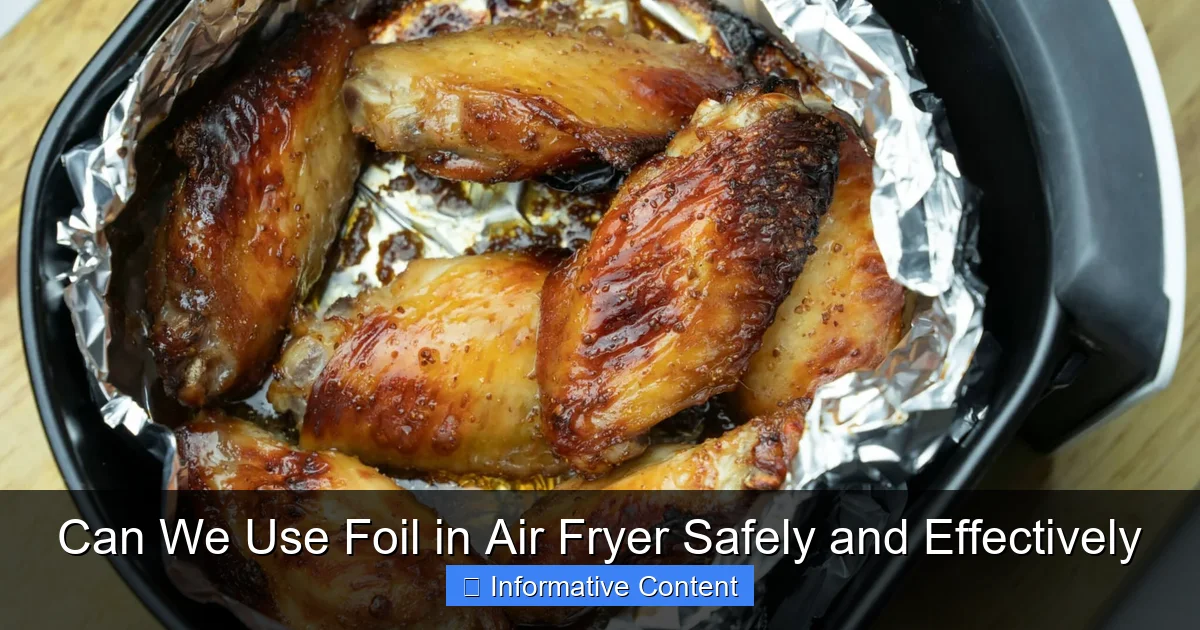
Visual guide about can we use foil in air fryer
Image source: blogchef.net
Think of it like a mini tornado of hot air swirling around your chicken nuggets or Brussels sprouts. For this system to work properly, airflow is *everything*. If something blocks that airflow—like a poorly placed piece of foil—the air fryer can’t do its job. Food may cook unevenly, take longer, or worse, overheat.
Why Airflow Matters So Much
Air fryers are designed with perforated trays or baskets to allow air to pass through. That’s why you’ll notice small holes or slots in the bottom. When you block these with foil, you disrupt the airflow pattern. Imagine trying to blow through a straw with your fingers pinching it—air can’t move freely. The same thing happens inside your air fryer.
This isn’t just about cooking time. Poor airflow can cause hot spots. Some parts of the food may burn while others remain undercooked. In rare cases, trapped heat can lead to overheating of the appliance itself, which is a safety concern. So, while using foil might seem harmless, it can interfere with the core function of the air fryer.
Pro tip: If you’re ever unsure whether an accessory or method will work, ask: *Does this help or hinder airflow?* That simple question can guide most of your air fryer decisions.
Can We Use Foil in Air Fryer? The Safety Perspective
Is It Actually Dangerous?
The short answer: **yes, foil can be used in an air fryer, but with caution**. It’s not inherently *dangerous*, but it *can* be risky if misused. The main concerns revolve around fire hazards, damage to the appliance, and uneven cooking.
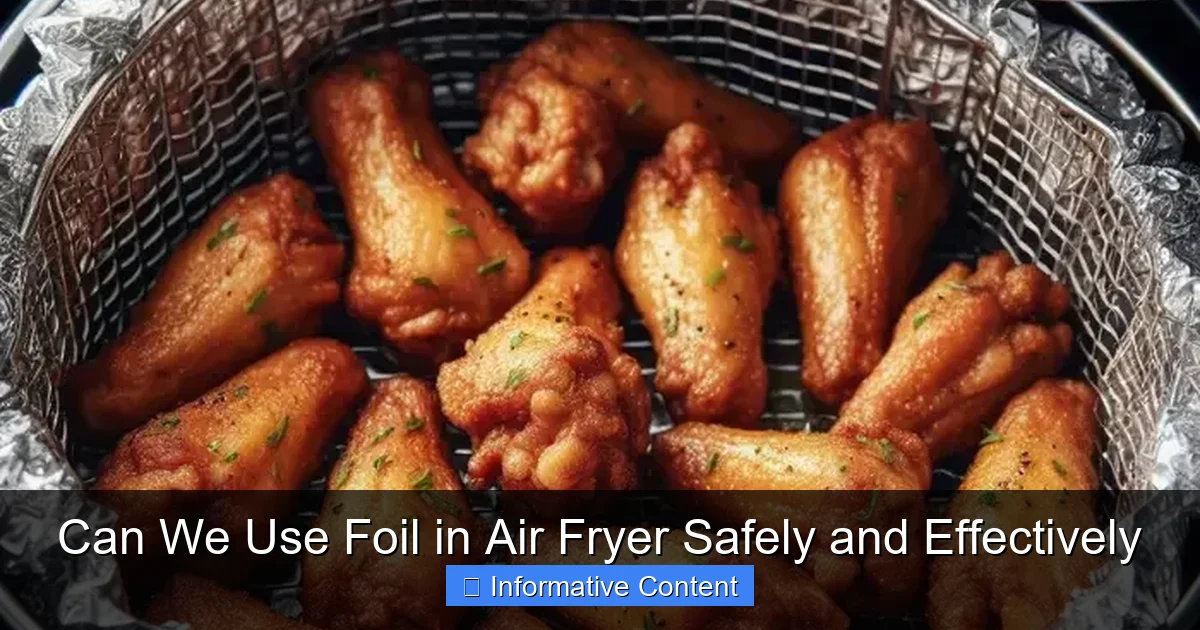
Visual guide about can we use foil in air fryer
Image source: beautifulkitchenguide.com
One of the biggest fears is that foil could touch the heating element. In most air fryers, the heating element sits at the top, behind a protective mesh. If you crumple foil into a ball or let it drape over the edge of the basket, it might come too close. When the heating element turns on, the foil can overheat, spark, or even catch fire. That’s not a scare tactic—there are documented cases of users reporting smoke or small flames from foil misuse.
Manufacturer Guidelines: What the Brands Say
Here’s where things get interesting. Not all air fryer brands have the same stance on foil. Let’s look at a few popular ones:
- Instant Pot (Vortex models): “Do not place aluminum foil or other metal objects directly on the heating element.” However, they allow foil on the tray *if* it doesn’t block airflow.
- Philips (original air fryer inventors): Recommend against using foil entirely, citing airflow disruption.
- Ninja Foodi: “You can use foil or parchment paper, but do not cover the bottom of the basket. Leave space around the edges for air circulation.”
- Cosori: “Aluminum foil is safe if used properly. Avoid covering the entire basket or placing it near the heating element.”
As you can see, there’s no universal rule. But the common thread? **Don’t block airflow, and never let foil touch the heating element.**
When Foil Could Be a Fire Hazard
Fire risk increases when:
- Foil is crumpled and placed loosely in the basket (it can shift and touch the top).
- Foil covers the entire bottom of the basket, blocking airflow and creating a “hot pocket” of trapped heat.
- You use foil to wrap food completely, especially if it’s near the top of the basket during cooking.
I once tried wrapping a marinated chicken breast in foil to keep it juicy. I placed it near the edge of the basket. After a few minutes, I smelled something burning. Turns out, the foil had shifted and brushed the mesh near the heating element. No fire, but a strong warning smell. Lesson learned: **if you use foil, monitor it closely and keep it away from the top.**
When and How to Use Foil in Air Fryer (Safely)
Smart Ways to Use Foil Without Compromising Safety
So, can we use foil in air fryer? Yes—but only when done *strategically*. Here are safe, effective ways to use aluminum foil without turning your kitchen into a hazard zone:
1. Use Foil as a Tray Liner (Partial Coverage)
Cut a piece of foil to fit the *bottom* of the air fryer basket, but leave at least a 1-inch border around the edges. This allows air to flow through the side vents. Think of it like a “drip pan” for messy foods—like marinated meats, saucy wings, or sticky glazed vegetables.
Example: When I make honey-soy chicken wings, I line the basket with foil (edges folded up slightly), cook the wings, and then toss them in sauce afterward. Cleanup is a breeze, and the wings still get crispy because air circulates around the sides.
2. Create a Foil “Boat” for Delicate Foods
For foods that fall apart easily—like salmon fillets, shrimp, or soft veggies—form a shallow foil boat. Place it in the basket, but again, don’t cover the entire surface. The boat keeps the food contained while allowing air to pass underneath and around the sides.
Tip: Lightly spray the foil with oil to prevent sticking, especially with fish or tofu.
3. Use Foil to Prevent Dripping (Not Covering)
Some foods, like bacon or fatty sausages, release a lot of grease. Instead of letting it pool in the basket, place a foil “drip guard” under the tray. You can even place a crumpled foil ball beneath the tray to catch drips—just make sure it doesn’t touch the heating element.
4. Wrap Only the Bottom of Food (Not Fully)
Want to keep a meatloaf or burger patty from drying out? Wrap just the *bottom* in foil, leaving the top exposed. This protects the base from burning while still letting the top crisp up. Remove the foil halfway through cooking for extra browning.
What to Avoid When Using Foil
- Don’t cover the entire basket bottom. This blocks airflow and can cause overheating.
- Don’t use foil to wrap food completely. This traps steam and prevents crisping—defeating the purpose of an air fryer.
- Don’t use foil near the top of the basket. Even if it’s not touching the element, hot air can cause it to warp or shift.
- Don’t use foil with acidic foods. Lemon juice, tomatoes, or vinegar can react with aluminum, causing a metallic taste or discoloration. Use parchment paper instead.
Bonus tip: If you’re worried about cleanup, consider using **air fryer silicone liners**. They’re reusable, non-stick, and don’t interfere with airflow. But if you prefer foil, just use it mindfully.
Alternatives to Foil: Safer or More Effective Options
Parchment Paper: The Foil Alternative You Might Prefer
If you’re using foil mainly to prevent sticking or catch drips, **parchment paper** might be a better choice. It’s heat-resistant, non-stick, and doesn’t react with acidic foods. Plus, it’s easier to cut to size and won’t block airflow as easily.
How to use it: Cut a round piece that fits the basket, with small holes or slits to allow air circulation. You can even buy pre-cut air fryer parchment rounds.
Example: I use parchment when making garlic butter shrimp. The paper catches the juices, keeps the shrimp from sticking, and doesn’t interfere with the crisp. And no risk of sparks or smoke.
Silicone Liners: Reusable and Eco-Friendly
Silicone liners are becoming popular for a reason. They’re dishwasher-safe, don’t degrade over time, and come in various shapes (round, square, with or without holes). They’re especially great for sticky foods like chicken tenders or sweet potato fries.
Pros: Reusable, non-stick, safe at high temps, no airflow blockage.
Cons: Initial cost (around $10–$15 for a pack), but pays off over time.
Non-Stick Spray or Oil Brush
Sometimes, you don’t need anything at all. A light spray of avocado oil or a brush of olive oil can prevent sticking *and* enhance crispiness. This is my go-to for veggies and lean meats.
Tip: Use a high-smoke-point oil like avocado, grapeseed, or refined coconut oil. Avoid butter or olive oil for high-heat cooking.
Perforated Silicone Mats
These are like silicone liners but with built-in holes to promote airflow. They’re perfect for foods that need even cooking, like roasted potatoes or fish sticks.
While foil has its place, these alternatives often provide the same benefits—without the risks. And honestly, once you try them, you might find yourself reaching for foil less and less.
Real-World Examples: When Foil Helps (and When It Hurts)
Success Stories: When Foil Worked Wonders
Let’s talk about real situations where foil *helped*:
- Messy marinated ribs: I once made Korean-style ribs with a sticky gochujang glaze. Instead of letting the sauce drip and burn, I lined the basket with foil (with edges up). The ribs cooked evenly, the glaze caramelized perfectly, and cleanup took 30 seconds.
- Foil boat for stuffed bell peppers: When I made quinoa-stuffed peppers, I placed them in a foil boat to prevent the filling from spilling. The peppers stayed upright, and the air circulated around them for even roasting.
- Foil drip guard for bacon: I cooked bacon strips in my air fryer (yes, it’s amazing!). I placed a crumpled foil ball under the tray to catch the grease. No splatter, no smoke, and the bacon was perfectly crisp.
In each case, the key was **minimal coverage** and **airflow preservation**.
When Foil Backfired (And What I Learned)
- Full basket coverage: I once covered the entire basket with foil to cook a whole chicken breast. The bottom was soggy, the top was undercooked, and the air fryer took 20 minutes longer than usual. Lesson: don’t block airflow.
- Foil near the top: I wrapped a lemon-garlic chicken in foil and placed it near the edge. The foil warped and touched the mesh. Smoke alarm went off. Lesson: keep foil low and secure.
- Acidic food reaction: I used foil for a tomato-based sauce dish. The tomatoes turned slightly metallic in taste. Now I use parchment for anything acidic.
These weren’t disasters, but they were wake-up calls. Foil isn’t evil—it just needs respect.
Data Table: Foil vs. Alternatives in Air Fryers
| Method | Best For | Airflow Impact | Cleanup Ease | Fire Risk | Acidic Food Safe? |
|---|---|---|---|---|---|
| Aluminum Foil (partial) | Messy foods, drip catching | Low (if edges free) | Easy | Medium (if near element) | No |
| Parchment Paper | Sticky foods, acidic dishes | Low (with holes) | Very Easy | Very Low | Yes |
| Silicone Liner | Reusable, non-stick cooking | None (perforated) | Very Easy | None | Yes |
| Oil Spray | All foods (no liner) | None | Medium (basket cleaning) | None | Yes |
| Foil Boat | Delicate or falling-apart foods | Low (sides open) | Easy | Low (if secured) | No |
This table isn’t about picking a winner—it’s about matching the right tool to the job. Want easy cleanup? Foil or parchment. Cooking tomatoes? Skip the foil. Need reusable? Go silicone.
Final Thoughts: Can We Use Foil in Air Fryer?
So, can we use foil in air fryer safely and effectively? The answer is a cautious **yes**—but only when done right. Foil isn’t a villain. It’s a tool, like any other in your kitchen. When used thoughtfully, it can make cooking easier, cleaner, and more convenient. But when misused, it can disrupt airflow, create hot spots, or even pose a fire risk.
The key takeaways? Never cover the entire basket. Always leave space for air to flow. Keep foil away from the heating element. And avoid it with acidic foods. If you follow these rules, foil can be a helpful ally—especially for messy, sticky, or delicate dishes.
But don’t forget the alternatives. Parchment paper, silicone liners, and simple oil sprays can often do the same job—without the risks. Over time, I’ve found myself using foil less and less, not because it’s bad, but because better options exist.
At the end of the day, your air fryer is meant to make cooking faster, healthier, and more enjoyable. Whether you use foil or not, the goal is the same: delicious food with minimal hassle. So experiment, stay safe, and don’t be afraid to try new things—just do it with your eyes open.
And the next time someone asks, “Can we use foil in air fryer?” you’ll have the answer—and the stories to back it up.
Frequently Asked Questions
Can we use foil in air fryer without damaging it?
Yes, you can safely use foil in an air fryer as long as it’s placed properly and doesn’t block airflow. Avoid letting the foil touch the heating element to prevent damage or fire hazards.
Is it safe to use aluminum foil in an air fryer?
Aluminum foil is safe for air fryers when used correctly—just ensure it’s weighed down with food to prevent it from flying into the heating element. Never use it during preheating or for acidic foods to avoid leaching.
Can we use foil in air fryer to make cleanup easier?
Absolutely! Lining the basket with foil simplifies cleanup, especially for greasy or sticky foods. Just don’t cover the entire basket to maintain proper air circulation for even cooking.
Does using foil in an air fryer affect cooking performance?
Foil can slightly slow cooking by blocking some airflow, but poking holes in it helps. Always monitor cooking times and adjust if needed for best results.
Can we use foil in air fryer for all types of food?
Foil works well for most foods, but avoid using it with acidic ingredients (like tomatoes or citrus) to prevent chemical reactions. It’s ideal for meats, veggies, and baked dishes.
What are the risks of using foil in an air fryer?
The main risks include blocking airflow, causing uneven cooking, or creating a fire hazard if loose foil contacts the heating element. Always secure foil with food and keep it away from the top of the basket.