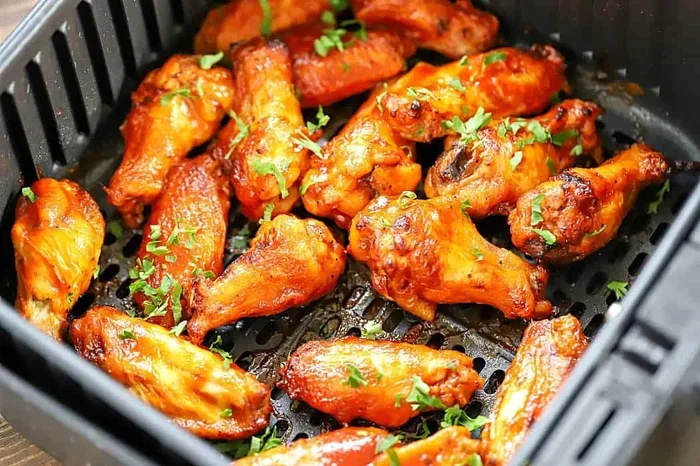
Featured image for Crispy air fryer chicken wings
Image source: yummyhealthyeasy.com
Yes, you absolutely can air fry frozen chicken wings, and the results are surprisingly delicious! Air fryers are specifically designed to handle frozen foods, transforming icy wings into crispy, golden perfection without the need for thawing. With the right temperature (typically 360-400°F) and timing (25-30 minutes), you’ll get restaurant-quality wings that are juicy inside and crispy outside. This guide covers everything you need to know to master frozen wings in your air fryer, from basic techniques to pro tips that will make your wings the star of any meal.
Picture this: It’s Tuesday evening, you’re starving, and you just remembered those frozen chicken wings buried in the back of your freezer. Your stomach growls as you imagine waiting hours for them to thaw, then longer for them to crisp up in the oven. Sound familiar? Here’s the good news—your air fryer is about to become your new best friend.
Air fryers have revolutionized how we cook frozen foods, and chicken wings are no exception. Think of an air fryer as a small, powerful tornado of hot air that cooks your food from all angles simultaneously. Instead of submerging wings in oil like traditional frying, this countertop appliance circulates superheated air around your food, creating that coveted crispy exterior we all crave. It’s like having a convection oven on steroids, but smaller, faster, and way more efficient.
The beauty of air fryer frozen chicken wings lies in their convenience. You literally grab them from the freezer, season them if desired, and pop them into your preheated air fryer. No planning ahead, no defrosting in the fridge overnight, no last-minute scramble to figure out dinner. Did you know that according to recent market research, air fryer ownership has skyrocketed by over 40% in the past three years, with frozen wings being one of the top five most-cooked items? That’s because this method delivers consistent, delicious results every single time.
Key Takeaways
- No Thawing Required: Air fryers excel at cooking frozen chicken wings directly from the freezer, saving you 30-60 minutes of prep time.
- Optimal Cooking Temperature: The sweet spot for frozen wings is 360-400°F, with 400°F producing the crispiest skin in about 25-30 minutes.
- Don’t Skip the Preheating: Preheating your air fryer for 3-5 minutes ensures even cooking and prevents sticking.
- Single Layer is Essential: Arranging wings in a single layer with space between them allows hot air to circulate, creating uniform crispiness.
- Internal Temperature Matters: Wings must reach 165°F internally to be safe to eat, regardless of how crispy they look on the outside.
- Seasoning After Cooking: For maximum flavor, toss your cooked wings in sauce or seasoning immediately after they come out of the air fryer.
- No Oil Spray Needed: Unlike traditional frying, frozen wings don’t require added oil since they contain enough natural fat to crisp up beautifully.
📑 Table of Contents
- Why Air Fryers Work So Well With Frozen Wings
- How to Air Fry Frozen Chicken Wings: Step-by-Step Guide
- Common Mistakes to Avoid When Air Frying Frozen Wings
- Seasoning and Sauce Ideas for Air Fryer Wings
- Nutritional Benefits and Considerations
- Tips for Different Air Fryer Brands and Models
- Serving Suggestions and Pairing Ideas
- Storage and Reheating Leftover Air Fryer Wings
- Final Thoughts: Your New Go-To Cooking Method
Why Air Fryers Work So Well With Frozen Wings
You might be wondering how an air fryer can possibly cook something that’s frozen solid into something crispy and delicious. The answer lies in the science of rapid air circulation. Imagine standing in front of a fan on a hot day—now imagine that fan blowing air that’s 400°F. That’s essentially what’s happening inside your air fryer, but in a tiny, controlled space.
The Science Behind the Crisp
When frozen chicken wings enter a preheated air fryer, several things happen simultaneously. The intense heat immediately starts working on the outer layer, beginning the Maillard reaction (that’s the fancy term for the browning process that creates flavor). Meanwhile, the circulating hot air removes moisture from the surface, which is crucial for achieving crispiness. Think of it like this: moisture is the enemy of crisp. Your air fryer is constantly wicking away that moisture while applying heat, resulting in that perfect crunch.
The frozen state actually works in your favor here. As the wings slowly thaw during cooking, the water content evaporates gradually rather than pooling on the surface. This slow moisture release allows the skin to crisp up properly without becoming soggy—something that’s harder to achieve with thawed wings, which release all their moisture at once.
Why This Method Beats Other Cooking Techniques
Let’s compare air frying to traditional methods. Deep frying requires submerging wings in oil, which adds significant calories and fat. A typical deep-fried wing contains about 130 calories, while an air-fried wing contains roughly 90 calories for the same size. Baking in an oven takes 40-45 minutes and rarely achieves that satisfying crunch without additional oil. Grilling is weather-dependent and requires constant attention to prevent flare-ups from the fat dripping.
Air frying hits the sweet spot: it’s faster than baking, healthier than deep frying, more reliable than grilling, and hands-off enough that you can prep your sides while the wings cook. Plus, cleanup is a breeze since there’s no oil splatter to scrub off your stovetop.
How to Air Fry Frozen Chicken Wings: Step-by-Step Guide
Now that you understand why this works so well, let’s walk through the exact process. I’ll break it down into simple steps that even a complete beginner can follow successfully.
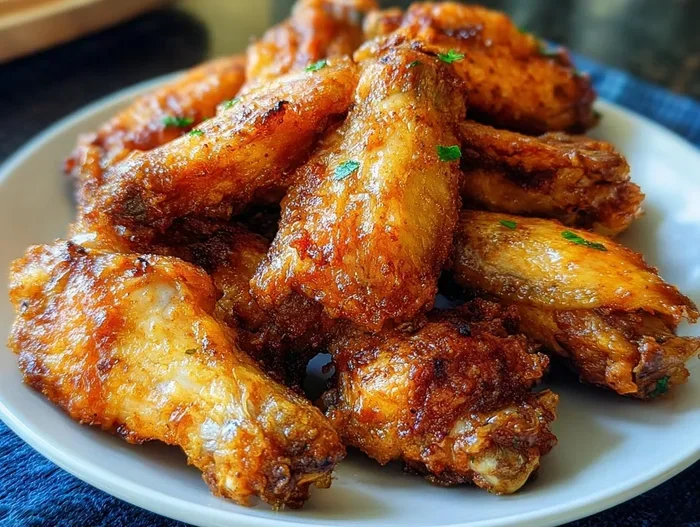
Visual guide about Crispy air fryer chicken wings
Image source: sarecipes.com
Step 1: Preheat Your Air Fryer
Always start by preheating your air fryer to 400°F (200°C) for about 3-5 minutes. Think of preheating like warming up your car before driving—it ensures everything works smoothly from the moment your food enters. Skipping this step can result in uneven cooking and wings that stick to the basket.
Most modern air fryers have a preheat function, but if yours doesn’t, simply run it empty at your target temperature for a few minutes. Some air fryer models, like certain Ninja or Instant Pot versions, recommend 380°F for frozen foods, so check your specific model’s manual.
Step 2: Prepare Your Wings
Remove your frozen wings from the packaging. There’s no need to rinse them or do anything special—just take them out and you’re ready to go. If your wings are stuck together in clumps (this happens often with IQF, or Individually Quick Frozen wings), separate them as much as possible while still frozen.
At this stage, you have two options for seasoning. You can either season them before cooking with dry rubs (salt, pepper, garlic powder, paprika), or wait until after cooking and toss them in sauce. I personally prefer seasoning after cooking because dry spices on frozen wings can burn during the long cooking process.
Step 3: Arrange in a Single Layer
Place your wings in the air fryer basket in a single layer, making sure they don’t overlap or touch each other. This is crucial—the hot air needs to circulate around each wing for even cooking. If you have a smaller air fryer, you might need to cook in two batches rather than overcrowding the basket.
A helpful analogy: think of your wings as people at a crowded concert. If everyone’s packed together, only the front row gets a good experience. But if you spread them out, everyone enjoys the show. Same principle applies to your wings and that hot air circulation.
Step 4: Cook at the Right Temperature and Time
Cook your frozen wings at 400°F for 25-30 minutes, flipping or shaking the basket halfway through (around the 12-15 minute mark). Here’s a general timing guide based on wing size:
- Small wings (drumettes): 22-25 minutes
- Medium wings (flat and drumette mix): 25-28 minutes
- Large wings: 28-32 minutes
Don’t be alarmed if you see some white ice crystals or steam during the first few minutes—that’s completely normal as the wings defrost and the moisture evaporates. The skin might look pale initially, but it will transform into golden-brown perfection as cooking progresses.
Step 5: Check Internal Temperature
Use an instant-read meat thermometer to verify your wings have reached an internal temperature of 165°F (74°C). This is the FDA-recommended safe temperature for poultry. Insert the thermometer into the thickest part of the wing, avoiding the bone for the most accurate reading.
The wings should look golden brown and crispy on the outside, with clear juices running when you cut into the thickest part. If the skin isn’t as crispy as you’d like, cook for an additional 3-5 minutes at 400°F.
Step 6: Season and Serve Immediately
Once your wings reach the proper temperature, remove them from the air fryer and let them rest for 2-3 minutes. Then toss them in your favorite sauce or seasoning blend while they’re still hot. The heat helps the sauce adhere better and allows the flavors to meld.
Popular sauce options include buffalo sauce, BBQ sauce, garlic parmesan, honey mustard, teriyaki, or Asian-inspired glazes. If you’re watching your calories, a simple squeeze of fresh lemon juice with a sprinkle of salt and pepper is incredibly satisfying.
Common Mistakes to Avoid When Air Frying Frozen Wings
Even though air frying frozen wings is relatively straightforward, there are some common pitfalls that can turn your crispy dream into a soggy nightmare. Let me share the mistakes I see most often so you can avoid them.
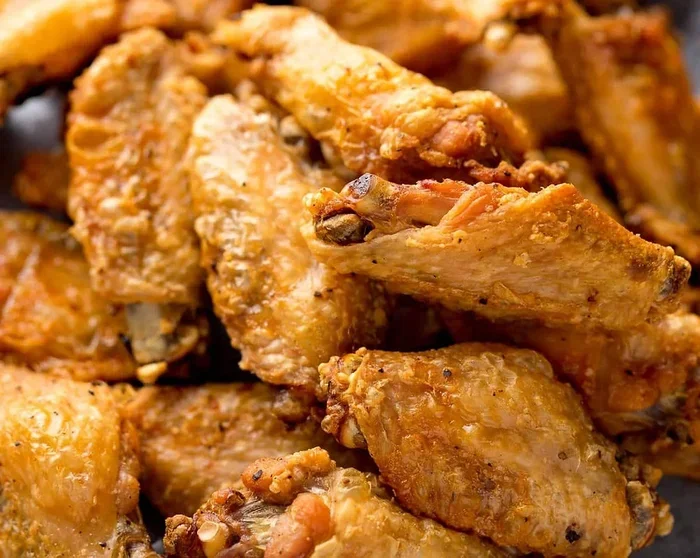
Visual guide about Crispy air fryer chicken wings
Image source: static.wixstatic.com
Mistake #1: Overcrowding the Basket
I know it’s tempting to throw all your wings in at once, especially when feeding a crowd. But overcrowding is the number one cause of unevenly cooked, soggy wings. When wings are piled on top of each other, the hot air can’t circulate properly, resulting in steamed rather than crispy skin. The fix is simple: cook in batches, or upgrade to a larger air fryer if you frequently cook for groups.
A good rule of thumb: if you can see the bottom of the basket through the wings, you have the right amount. If not, take some out.
Mistake #2: Skipping the Flip or Shake
Forgetting to shake or flip your wings halfway through cooking is another common error. The side facing down won’t get as crispy as the side facing up, so you need to redistribute them. Set a timer for halfway through your cooking time so you don’t miss this crucial step.
Mistake #3: Not Preheating the Air Fryer
We’ve already covered this, but it bears repeating: preheating matters. Putting frozen wings into a cold air fryer means they start steaming instead of crisping, and the skin will never achieve that perfect texture. Those 3-5 minutes of preheating make a world of difference.
Mistake #4: Using Too Much Oil or Sauce Before Cooking
If you decide to add oil or wet sauces before cooking, use restraint. A light spray of oil is fine, but heavy coating will prevent crisping. Similarly, sugary sauces like BBQ can burn during the long cooking process, so apply those after cooking instead.
Mistake #5: Cooking at Too Low a Temperature
Some recipes suggest cooking at 350°F, but this often results in wings that look done on the outside but are still frozen in the center. Stick with 380-400°F for the best results. The higher temperature ensures the outside gets crispy while the inside cooks through properly.
Seasoning and Sauce Ideas for Air Fryer Wings
One of the best things about making wings at home is the ability to customize flavors exactly to your liking. Here are some tried-and-true seasoning combinations that work beautifully with air-fried frozen wings.
Classic Buffalo Wings
Toss your cooked wings in a mixture of melted butter (2 tablespoons) and Frank’s RedHot sauce (1/4 cup) or your favorite hot sauce. Serve with celery sticks and blue cheese or ranch dressing. Did you know that Americans consume approximately 1.4 billion chicken wings during Super Bowl weekend alone? Buffalo wings are an American classic for good reason.
Garlic Parmesan
Mix melted butter with minced garlic (4-5 cloves), grated parmesan cheese (1/4 cup), and a pinch of Italian seasoning. Toss your hot wings in this mixture for a restaurant-quality appetizer that rivals anything you’d order out.
Honey Garlic Glaze
Combine honey (2 tablespoons), soy sauce (1 tablespoon), minced garlic (3 cloves), and a splash of rice vinegar in a small saucepan. Heat until slightly thickened, then toss with your cooked wings. This sweet and savory combination is universally loved.
Korean-Inspired Gochujang Wings
Mix gochujang paste (2 tablespoons), honey (1 tablespoon), soy sauce (1 tablespoon), sesame oil (1 teaspoon), and minced garlic (2 cloves). Toss with cooked wings and garnish with sesame seeds and chopped green onions for an Asian-fusion twist.
Dry Rub: Lemon Pepper
For a lighter option, combine lemon zest (1 tablespoon), black pepper (1 teaspoon), garlic powder (1 teaspoon), and salt (1/2 teaspoon). Sprinkle over your wings immediately after cooking. This bright, zesty seasoning is perfect for those who prefer their wings without sauce.
Old Bay or Cajun Seasoning
If you love bold, spicy flavors, toss your wings in Old Bay seasoning or a homemade Cajun blend (paprika, cayenne, garlic powder, onion powder, thyme, oregano). These seasoning blends add depth without extra calories from sauces.
Nutritional Benefits and Considerations
Air frying frozen chicken wings offers several nutritional advantages over traditional cooking methods, making it a smart choice for health-conscious food lovers.
Lower Fat Content
Compared to deep-fried wings, air-fried versions contain significantly less fat. A typical deep-fried chicken wing has about 8-9 grams of fat, while an air-fried wing has only 5-6 grams. Over a dozen wings, that’s a savings of 30-40 grams of fat—roughly 350-450 calories. This makes air frying an ideal cooking method for those monitoring their fat intake while still enjoying the foods they love.
Protein Power
Chicken wings are an excellent source of protein, with approximately 6-7 grams of protein per wing. They’re also rich in essential nutrients like selenium, phosphorus, and B vitamins. Air frying preserves these nutrients better than deep frying, which can degrade some heat-sensitive vitamins.
No Trans Fats or Acrylamides
Unlike deep frying, air frying doesn’t produce acrylamides, which are potentially harmful compounds that form when starchy foods are cooked at high temperatures in oil. This makes air frying a safer cooking method from a health perspective.
Watch the Sodium
One consideration: many frozen wings come pre-seasoned or brined, which can be high in sodium. Check the nutrition label and opt for unseasoned frozen wings when possible if you’re watching your salt intake. You can always add salt and seasonings to taste after cooking.
Tips for Different Air Fryer Brands and Models
Not all air fryers are created equal. Here’s how to adjust your technique based on common brands and models.
Ninja Air Fryers
Ninja air fryers tend to cook slightly faster than average due to their powerful heating elements. Reduce your cooking time by 2-3 minutes or check for doneness at the 22-minute mark. Ninja’s Max XL model is particularly excellent for wings because of its large capacity.
Instant Pot Air Fryers
The Instant Vortex and Air Fryer Lid models work beautifully with frozen wings. These models often have specific presets for chicken, but I’d recommend manual settings for the most control. Use 380°F for 25 minutes as a starting point.
Cosori Air Fryers
Cosori air fryers are popular and reliable. They typically run a bit cooler than other brands, so you might need to add 2-3 minutes to the cooking time. The square basket design also means you can fit more wings than in round models.
Philips Air Fryers
Philips air fryers are considered premium models. They cook very evenly and efficiently. Stick with the standard 400°F for 25-30 minutes, and you’ll get excellent results. The Philips Premium Airfryer XXL is large enough to cook 2-3 pounds of wings at once.
Budget or Generic Air Fryers
If you have a less expensive air fryer, don’t worry—you can still achieve great results. You may need to cook at a slightly lower temperature (380°F) for a longer time (28-32 minutes) to prevent the outside from burning before the inside cooks through. Always use a meat thermometer to verify doneness.
Serving Suggestions and Pairing Ideas
Now that you’ve mastered cooking air fryer frozen chicken wings, let’s talk about what to serve alongside them for a complete meal.
Classic Side Dishes
Traditional wing accompaniments include celery and carrot sticks with ranch or blue cheese dressing. For heartier sides, consider:
- Crispy french fries or sweet potato fries: Cook these in the air fryer after your wings for a complete meal
- Coleslaw: The cool, crunchy texture balances the spicy wings perfectly
- Mac and cheese: A comforting, crowd-pleasing side
- Corn on the cob: Easy to cook in the air fryer at 380°F for 12 minutes
- Potato salad or pasta salad: Make-ahead friendly options for parties
Beverage Pairings
Wings and beer are a classic combination, but consider these pairings too:
- Sparkling water with lemon for a healthier option
- Iced tea (sweet or unsweet) for a Southern-inspired meal
- Craft beer, especially IPAs or amber ales
- Hard seltzers for a lighter option
- Non-alcoholic options: lemonade, ginger ale, or your favorite soda
Game Day and Party Tips
If you’re cooking wings for a party or game day gathering, here are some pro tips:
- Cook in batches: Keep earlier batches warm in a 200°F oven while cooking later ones
- Offer multiple sauces: Set up a sauce bar with buffalo, BBQ, garlic parm, and honey mustard
- Prep your sides in advance: Have celery, carrots, and dipping sauces ready to go
- Plan for 6-8 wings per person: This is a good estimate for hungry guests
- Use parchment paper liners: They make cleanup even easier during big gatherings
Storage and Reheating Leftover Air Fryer Wings
If you somehow have leftover wings (which is rare because they’re so delicious), here’s how to store and reheat them properly.
Storage Guidelines
Store leftover wings in an airtight container in the refrigerator for up to 3-4 days. For longer storage, you can freeze them for up to 3 months. Make sure they’ve cooled completely before refrigerating to prevent condensation and sogginess.
If your wings are already sauced, store them with the sauce on—they’ll keep just fine. The sauce actually helps prevent the wings from drying out during refrigeration.
Reheating in the Air Fryer
The air fryer is also the best tool for reheating wings. Set it to 350°F and heat for 4-6 minutes until the wings are warmed through and the skin re-crisps. Avoid using the microwave, which will make the skin rubbery and unappetizing.
For frozen leftover wings, reheat at 350°F for 10-12 minutes, checking periodically to ensure they don’t overcook. You might need to add an extra minute or two if they’re still cold in the center.
Final Thoughts: Your New Go-To Cooking Method
Air frying frozen chicken wings isn’t just a convenient cooking method—it’s a game-changer that delivers consistently excellent results with minimal effort. Whether you’re cooking for yourself on a busy weeknight, hosting a game day party, or just craving some crispy wings at midnight (no judgment here), your air fryer is ready to deliver.
The combination of speed, ease, health benefits, and incredible taste makes this method superior to traditional cooking techniques. Once you try air fryer frozen chicken wings, you’ll never go back to waiting for wings to thaw or dealing with the mess of deep frying. It’s the kind of kitchen hack that makes you wonder how you ever lived without it.
So next time you’re staring at a bag of frozen wings in your freezer, remember: your air fryer is waiting to transform them into crispy, juicy perfection in less than 30 minutes. No thawing, no fuss, just delicious wings on demand. Happy cooking!
Frequently Asked Questions
Can I put frozen chicken wings directly in the air fryer?
Yes, absolutely! That’s one of the biggest advantages of air fryers—they’re designed to cook frozen foods without thawing. Just preheat your air fryer to 400°F, arrange the wings in a single layer, and cook for 25-30 minutes, flipping halfway through. No need to defrost first.
How long do you cook frozen wings in an air fryer at 400 degrees?
At 400°F, frozen chicken wings typically take 25-30 minutes to cook thoroughly. Smaller wings might be done in 22-25 minutes, while larger wings could need up to 32 minutes. Always check that the internal temperature reaches 165°F before serving.
Do I need to add oil when air frying frozen chicken wings?
No, you don’t need to add oil. Frozen wings contain enough natural fat to crisp up beautifully in the air fryer. Adding oil is unnecessary and can actually prevent proper crisping. If you want extra-crispy skin, a light spray of oil in the last 5 minutes of cooking is optional but not required.
Why aren’t my air fryer wings getting crispy?
The most common reasons for non-crispy wings are overcrowding the basket, not preheating the air fryer, cooking at too low a temperature, or not flipping the wings during cooking. Also, make sure your wings are dry before they go in—excess moisture prevents crisping. Cooking at 400°F in a single layer with proper air circulation should give you crispy results.
Can I cook sauced frozen wings in the air fryer?
It’s better to cook wings plain and add sauce afterward. Sugary sauces like BBQ or teriyaki can burn during the long cooking time. Cook the wings naked, then toss them in your favorite sauce immediately after they come out of the air fryer while they’re still hot. This gives you better flavor and prevents burning.
Is it safe to air fry frozen chicken wings without thawing?
Yes, it’s completely safe as long as the wings reach an internal temperature of 165°F. Use a meat thermometer to verify doneness by inserting it into the thickest part of the wing. Air fryers actually cook frozen meats safely because the high heat and circulating air ensure even cooking throughout, eliminating food safety concerns when done properly.