
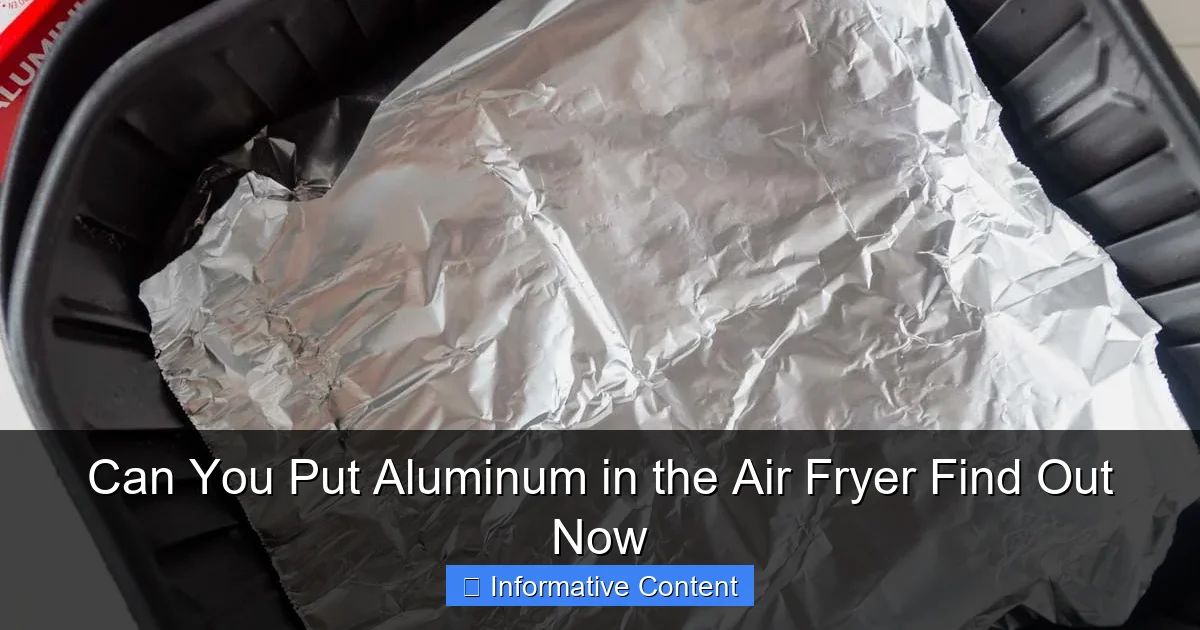
Featured image for can you out aluminum in the air fryer
Image source: loveandotherspices.com
Yes, you can safely put aluminum foil in the air fryer—but only when used correctly to prevent hazards. Always ensure the foil is weighed down by food and kept away from heating elements to avoid fire risks and maintain proper airflow. Never use crumpled or loose foil, and avoid acidic foods that can react with aluminum.
Key Takeaways
- Yes, you can use aluminum foil in air fryers, but avoid blocking airflow.
- Never cover the basket’s bottom—it restricts hot air circulation and causes uneven cooking.
- Use heavy-duty foil to prevent tearing and food leakage during cooking.
- Avoid acidic foods with foil to prevent chemical reactions and metallic tastes.
- Secure foil tightly to prevent it from blowing into heating elements.
- Prefer parchment paper for delicate foods to avoid sticking without risks.
📑 Table of Contents
- Can You Put Aluminum in the Air Fryer? Let’s Settle This Once and For All
- Understanding How Air Fryers Work (And Why It Matters)
- Is It Safe to Use Aluminum Foil in an Air Fryer?
- Can You Use Aluminum Trays or Pans in the Air Fryer?
- Common Myths and Misconceptions About Aluminum in Air Fryers
- Best Practices for Using Aluminum in Your Air Fryer (A Cheat Sheet)
- Data Table: Aluminum Use in Air Fryers – What Works and What Doesn’t
- Final Thoughts: Aluminum in the Air Fryer – Use It Wisely
Can You Put Aluminum in the Air Fryer? Let’s Settle This Once and For All
Let’s be honest—air fryers have become the kitchen MVP for so many of us. Whether you’re crisping up leftover pizza, roasting veggies, or making guilt-free fries, they’ve earned their spot on the countertop. But here’s a question that keeps popping up in my kitchen and in online forums: Can you put aluminum in the air fryer? Maybe you’ve seen people using aluminum foil or even aluminum trays in their air fryers and wondered, “Is that safe? Is it even necessary?”
I remember the first time I thought about wrapping chicken wings in foil before tossing them in the air fryer. It seemed like a great idea—less mess, easier cleanup. But then I paused. I’d heard mixed things about using metal in appliances, especially ones that use intense heat and air circulation. Was I risking a kitchen disaster? Was I damaging my brand-new air fryer? And more importantly, was I putting myself or my family at risk? If you’ve ever hesitated before reaching for that roll of foil, you’re not alone. This post is all about getting real, practical answers so you can use your air fryer safely, effectively, and without second-guessing every decision.
Understanding How Air Fryers Work (And Why It Matters)
The Science of Hot Air Circulation
Before we dive into whether aluminum belongs in your air fryer, let’s talk about how these gadgets actually work. Unlike traditional ovens that heat food from the outside in using radiant heat, air fryers use a powerful fan to circulate extremely hot air—usually between 350°F and 400°F—around your food. This rapid air movement creates a convection effect that crisps up the surface while cooking the inside. Think of it like a mini wind tunnel of heat, all focused on making your food golden and delicious.
Visual guide about can you out aluminum in the air fryer
Image source: i.ytimg.com
Because of this design, airflow is everything. If you block or disrupt the air, you lose that crispiness. That’s why most air fryers come with perforated baskets or trays—they’re built to let hot air pass through evenly. This is also why stacking food too high or overcrowding the basket leads to soggy, uneven results. So when we ask about aluminum, the first thing to consider is: Does it interfere with airflow? And the answer is… sometimes. We’ll get to that.
Why Material Choice Affects Performance
The materials you use in your air fryer aren’t just about safety—they’re about performance. The basket is usually made of non-stick coated metal or stainless steel, both of which handle high heat well and don’t react with food. But when you introduce something like aluminum foil or an aluminum tray, you’re changing the game. Aluminum is a great conductor of heat, which sounds good—but in an air fryer, that can lead to hot spots, uneven cooking, or even scorching if not used correctly.
Also, aluminum is lightweight. If you don’t secure it properly, the force of the circulating air could blow the foil around, potentially touching the heating element. That’s a fire hazard waiting to happen. So while aluminum isn’t inherently dangerous, how you use it matters a lot. It’s not a blanket “yes” or “no”—it’s about smart, safe application.
Is It Safe to Use Aluminum Foil in an Air Fryer?
Short Answer: Yes, But With Conditions
Here’s the good news: Yes, you can put aluminum foil in the air fryer—but only if you do it the right way. The key is to use it as a liner, not a barrier. That means placing a small piece of foil on the bottom of the basket, under the food, not wrapping it tightly around the food or covering the top. Why? Because wrapping food in foil (like in a pouch) traps steam and blocks airflow, turning your air fryer into a mini steam oven. You’ll get boiled, mushy food instead of crispy, golden perfection.
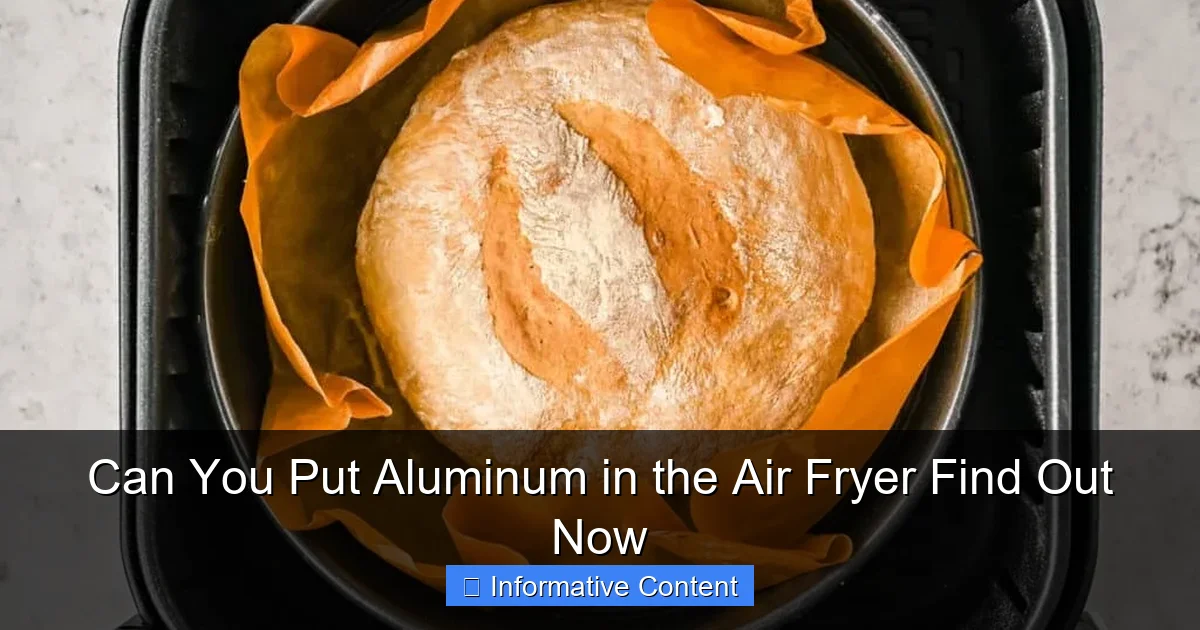
Visual guide about can you out aluminum in the air fryer
Image source: myairfryerkitchen.com
When used correctly, aluminum foil can actually be helpful. It catches drippings, making cleanup easier, especially when cooking greasy foods like bacon or sausages. I’ve used it for years to line the bottom of my basket when making chicken wings—just a small sheet tucked under the basket’s ridges, never touching the heating element. It works like a charm. But again, it’s all about placement and purpose.
Potential Risks and What to Avoid
Now, the not-so-great news: there are real risks if you misuse aluminum foil. Here’s what you should never do:
- Don’t wrap food tightly in foil. This blocks airflow and prevents crisping. Your food will steam instead of fry.
- Don’t let foil touch the heating element. The element gets extremely hot—over 400°F. Foil can melt, spark, or even ignite if it makes contact.
- Don’t use crumpled or loose foil that can fly around. The fan is powerful. Loose foil can be blown upward and hit the heating coil.
- Don’t use foil to cover the top of the basket. This disrupts airflow and can cause overheating.
I once saw a video online of someone making “air fryer baked potatoes” wrapped completely in foil. The result? Soggy, undercooked spuds. The air couldn’t reach the surface, so the skin never crisped. Lesson learned: if you want crispy skin, leave the foil behind or use it only to catch drips.
When Foil Makes Sense (Practical Examples)
So when should you actually use foil? Here are a few real-life scenarios where it’s not only safe but helpful:
- Greasy foods: Bacon, sausages, or marinated meats that drip a lot. A foil liner catches the grease and saves you from scrubbing the basket.
- Sticky sauces: If you’re making teriyaki chicken or honey-glazed ribs, foil prevents the sauce from burning onto the basket.
- Small items: Tiny foods like shrimp or diced veggies that might fall through the basket gaps. Use foil with small holes poked in it to let air circulate.
Pro tip: Use non-stick foil or lightly grease the foil to prevent food from sticking. And always tuck the edges under the basket so they don’t flap around during cooking.
Can You Use Aluminum Trays or Pans in the Air Fryer?
The Case for Aluminum Pans
What about those disposable aluminum pans you see at the grocery store? Can you pop one of those into your air fryer? The answer is: sometimes, yes—but with major caveats. Small, shallow aluminum pans (like those used for mini casseroles or single-serving dishes) can work, especially if they’re designed for high-heat cooking.
I’ve used a small aluminum pan to make individual portions of mac and cheese or mini quiches. The pan sits on the air fryer basket, and the food cooks evenly. But here’s the catch: the pan must be short enough to allow airflow above and around it. If it’s too tall, it blocks the fan and creates hot spots. Also, make sure the pan doesn’t touch the heating element or the sides of the basket.
What to Look For in an Air Fryer-Safe Pan
Not all aluminum pans are created equal. Here’s what to check before using one:
- Height: Keep it under 2 inches tall. Tall pans block airflow.
- Size: Must fit comfortably inside the basket with at least ½ inch of space around the edges for air circulation.
- Material thickness: Thin, flimsy pans can warp or melt. Look for pans labeled “oven-safe” or “heavy-duty.”
- No plastic lids: Never use a pan with a plastic cover. Plastic melts at high temps.
I once tried using a large lasagna pan in my 5.8-quart air fryer. It was too wide and too tall. The food on the outside burned while the center stayed cold. Not a win. Now I stick to small, shallow pans—no more than 6 inches in diameter.
Alternatives to Aluminum Pans
If you’re unsure about using aluminum, consider these safer, reusable options:
- Oven-safe silicone molds: Perfect for mini frittatas, brownies, or cupcakes. They’re flexible, non-stick, and don’t block airflow.
- Stainless steel pans: Durable and safe at high temps. Just make sure they’re not too tall.
- Cast iron skillets (small): Great for searing meats or making skillet cookies. Just avoid sudden temperature changes to prevent cracking.
These alternatives are more eco-friendly and last longer than disposable foil pans. Plus, they’re easier to clean and store.
Common Myths and Misconceptions About Aluminum in Air Fryers
Myth #1: Aluminum Causes Cancer
This one comes up a lot, and I get it—aluminum is in deodorant, cookware, and even some foods. But the truth is, there’s no strong scientific evidence linking aluminum foil to cancer. The World Health Organization and FDA have both stated that aluminum from cookware or foil is safe in normal amounts.
Yes, aluminum can leach into food, especially when cooking acidic foods like tomatoes or citrus. But the amount is tiny—far below the safety limits set by health agencies. If you’re concerned, avoid cooking highly acidic foods in foil for long periods. Or just use parchment paper instead.
Myth #2: Aluminum Foil Damages the Air Fryer
Another common fear: “Will foil scratch the non-stick coating?” If you’re careful, no. But if you scrape or crumple the foil aggressively, yes, it can damage the coating. That’s why I recommend using a smooth piece of foil and never scrubbing the basket with it. Also, avoid using foil if your basket’s coating is already chipped or worn—metal-on-metal contact can worsen the damage.
I’ve had my air fryer for three years, and I’ve used foil regularly. The basket still looks great because I handle it gently. No scratches, no peeling. Just common sense.
Myth #3: All Metal Is Dangerous in Air Fryers
This is a big misunderstanding. Unlike microwaves (where metal can spark and cause fires), air fryers are designed to handle metal—as long as it’s used properly. The heating element is at the top, and the basket is metal. So small, stable metal items like pans or foil are fine. The danger isn’t the metal itself—it’s how it’s used.
Think of it like a toaster. You don’t put metal in a toaster because it can short-circuit the wires. But you do put metal (the heating coils) inside it. Same logic applies here. Metal is safe if it’s not loose, not touching the element, and not blocking airflow.
Best Practices for Using Aluminum in Your Air Fryer (A Cheat Sheet)
Step-by-Step Guide to Safe Foil Use
Want a foolproof way to use aluminum without risk? Follow this simple method:
- Cut a small piece of foil (about 6×6 inches, depending on your basket size).
- Place it on the bottom of the basket, tucking the edges under the ridges to secure it.
- Optional: Poke a few small holes in the foil to help steam escape (great for veggies).
- Add your food directly on top—no wrapping.
- Cook as usual. Remove the foil when done and wipe or replace.
I use this method every time I cook fatty meats. The foil catches the grease, and the food stays crisp. Easy cleanup, no mess.
When to Skip the Aluminum Altogether
Sometimes, the best choice is to not use aluminum. Consider skipping it when:
- Cooking delicate foods: Fish fillets, tofu, or breaded items stick easily to foil. Use parchment paper instead.
- Making crispy skin: Chicken skin, roasted potatoes, or Brussels sprouts need direct airflow. Foil blocks it.
- Your basket is non-stick and in good condition: If cleaning isn’t a problem, why add foil?
For crispy chicken, I never use foil. I pat the skin dry, brush it with oil, and let the air fryer do its magic. The result? Crispy, golden skin every time—no foil needed.
Alternative Liners You Can Use
If you want easy cleanup without the risks of aluminum, try these:
- Parchment paper: Use perforated or unperforated sheets. Great for sticky foods. Just don’t let it touch the heating element.
- Silicone mats: Reusable, non-stick, and safe up to 450°F. Perfect for baking or roasting.
- Air fryer liners (silicone or paper): Pre-cut and basket-sized. Super convenient.
I keep a roll of parchment paper and a set of silicone mats in my kitchen. They’re my go-to for anything messy or sticky.
Data Table: Aluminum Use in Air Fryers – What Works and What Doesn’t
| Use Case | Recommended? | Why or Why Not | Tips |
|---|---|---|---|
| Foil liner (bottom of basket) | ✅ Yes | Reduces mess, doesn’t block airflow if used correctly | Tuck edges, don’t cover heating element |
| Foil-wrapped food (pouch) | ❌ No | Blocks airflow, leads to steaming instead of crisping | Use only for steaming, not frying |
| Aluminum pan (shallow) | ✅ Yes (with caution) | Safe if short, fits basket, and doesn’t touch element | Check height and size before use |
| Aluminum pan (tall) | ❌ No | Blocks airflow, causes uneven cooking | Use oven instead for tall dishes |
| Foil touching heating element | ❌ Never | Fire hazard, can damage appliance | Keep at least 2 inches away |
| Acidic food in foil (long cook) | ⚠️ Use sparingly | Aluminum can leach into food | Use parchment or reduce cook time |
Final Thoughts: Aluminum in the Air Fryer – Use It Wisely
So, can you put aluminum in the air fryer? Yes—but only when you use it smartly. Aluminum foil and pans aren’t enemies of your air fryer. In fact, they can be helpful tools for easier cooking and cleanup. The key is understanding how your air fryer works and respecting its design.
Remember: airflow is king. Anything that blocks it—whether it’s a tall pan, a foil pouch, or a crumpled sheet—will hurt your results. But when you use aluminum as a liner or a shallow pan, with attention to size, placement, and safety, it can be a game-changer. Just keep it away from the heating element, secure the edges, and never wrap food tightly.
At the end of the day, your air fryer is a tool—and like any tool, it works best when you know how to use it. Whether you’re a seasoned air fryer pro or just getting started, don’t let fear keep you from experimenting. Try foil for greasy foods, skip it for crispy skin, and explore alternatives like parchment or silicone for sticky dishes.
I’ve learned through trial, error, and a few kitchen lessons (like that one time I almost set off the smoke alarm). But now, I use my air fryer with confidence—and yes, sometimes with a little aluminum. Because when used right, it’s not a risk. It’s just another way to make delicious, easy meals with less mess.
So go ahead—grab that foil, but use it wisely. Your air fryer (and your taste buds) will thank you.
Frequently Asked Questions
Can you put aluminum in the air fryer safely?
Yes, you can put aluminum foil in the air fryer, but avoid letting it touch the heating element or block airflow. Always use it sparingly and ensure food is fully covered to prevent metal-to-metal contact.
Is it safe to use aluminum foil in an air fryer for all foods?
Aluminum foil works well for most foods, but avoid using it with acidic items (like tomatoes or citrus) to prevent metal leaching. It’s ideal for wrapping oily or delicate foods to reduce mess.
Does using aluminum in the air fryer affect cooking performance?
Aluminum foil can slightly slow cooking by trapping heat, but it helps crisp food evenly when used correctly. For best results, don’t cover the entire basket—leave space for airflow.
What’s the best way to use aluminum foil in an air fryer?
Crinkle the foil lightly to create a small barrier between food and the basket, or wrap food loosely. Ensure the foil doesn’t touch the heating element or obstruct the air fryer’s vents.
Can you put aluminum in the air fryer if it’s non-stick or coated?
Yes, but avoid scratching the coating with sharp foil edges. Use parchment paper with holes cut for airflow as a safer alternative to prevent damage to non-stick surfaces.
Are there risks to putting aluminum in the air fryer?
The main risks include sparks if foil touches the heating element or improper airflow leading to uneven cooking. Always monitor the first use and follow your air fryer’s manual guidelines.