
Featured image for can you poach eggs in an air fryer
Image source: cycookery.com
Yes, you can poach eggs in an air fryer using a simple method that delivers perfectly set whites and runny yolks with minimal effort. Just add water, use a heat-safe dish, and let the air fryer’s precise heat do the rest—no swirling or vinegar needed for foolproof results.
Key Takeaways
- Yes, you can poach eggs in an air fryer with minimal effort.
- Use a ramekin or silicone mold to hold eggs for perfect shape.
- Add water to the basket to create steam for even cooking.
- Cook at 300°F for 5-7 mins for soft, runny yolks every time.
- No oil or butter needed—air fryer poaching is low-fat and easy.
- Experiment with timing to adjust yolk firmness to your preference.
📑 Table of Contents
- Can You Poach Eggs in an Air Fryer? Discover the Easy Method
- Why Poaching Eggs in an Air Fryer Makes Sense
- What You Need to Poach Eggs in an Air Fryer
- Step-by-Step Guide to Poaching Eggs in an Air Fryer
- Common Mistakes and How to Fix Them
- Perfect Pairings: What to Serve with Air Fryer Poached Eggs
- Air Fryer Poached Eggs vs. Other Methods: A Comparison
- Final Thoughts: Is Air Fryer Poaching Worth It?
Can You Poach Eggs in an Air Fryer? Discover the Easy Method
Let’s be real—poaching eggs can feel like a kitchen high-wire act. You’ve probably been there: a pot of simmering water, swirling like a mini tornado, and you gently crack in the egg, only to watch it unravel into wispy strands that float away. It’s frustrating. I’ve ruined more poached eggs than I’d like to admit, and I know you have too. That’s why when I heard about poaching eggs in an air fryer, I was equal parts skeptical and intrigued. Could this countertop gadget really replace the finicky stovetop method? After testing it multiple times (and yes, eating a lot of eggs), I’m here to share the real deal—what works, what doesn’t, and how to get that perfect, silky, runny-yolked poached egg every single time.
The air fryer has quietly revolutionized how we cook—everything from crispy fries to juicy chicken breasts. But poaching? That’s a new one. Unlike traditional poaching, which relies on water and precise heat, the air fryer uses hot, circulating air. So how does that translate to a delicate, water-free poached egg? Spoiler: it’s not magic, but it’s close. If you’re tired of cloudy water, broken yolks, or eggs that stick to the bottom of the pot, this method might just be your new kitchen hack. Let’s dive into whether you can poach eggs in an air fryer, how to do it right, and why it might be the easiest way to get restaurant-quality results at home.
Why Poaching Eggs in an Air Fryer Makes Sense
Before we jump into the how, let’s talk about the why. Why would anyone want to poach eggs in an air fryer when the stovetop method has been around for centuries? The answer is simple: convenience, consistency, and control. Poaching eggs the traditional way requires constant attention—monitoring water temperature, swirling, timing, and praying the egg holds together. With an air fryer, you’re removing water from the equation entirely, which means less mess, fewer variables, and more predictability.
Visual guide about can you poach eggs in an air fryer
Image source: airfryingfoodie.com
No More Water Worries
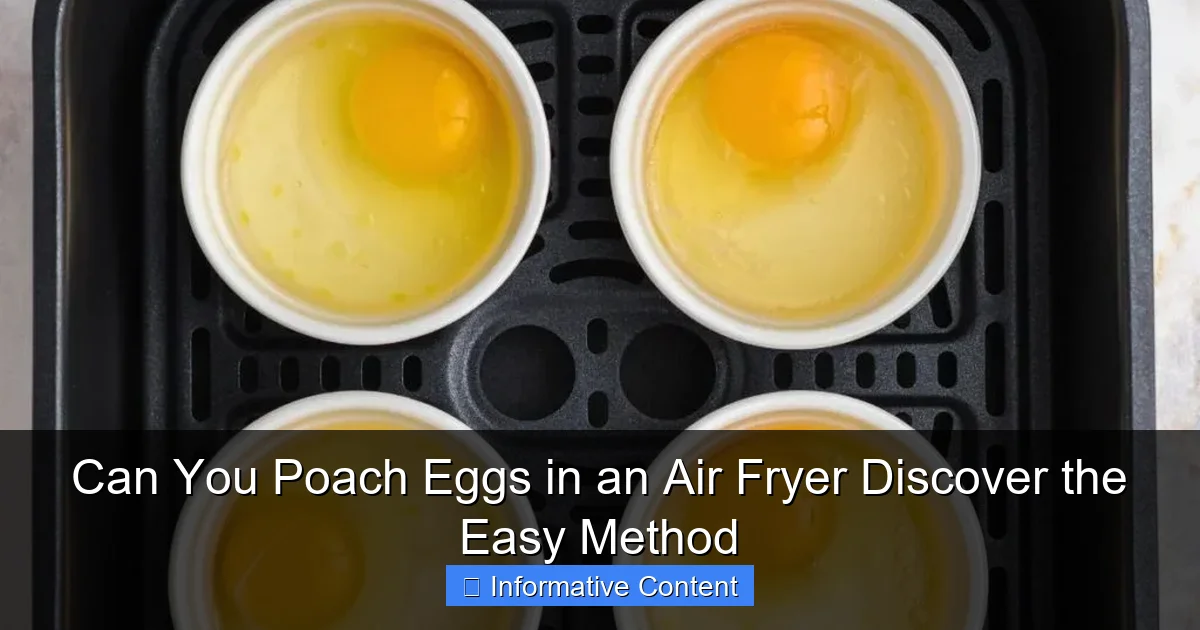
One of the biggest pain points of traditional poaching is the water. Too hot, and the egg cooks too fast, turning rubbery. Too cool, and the egg white doesn’t set properly, leaving you with a runny mess. Plus, you need enough water to submerge the egg, which means a large pot and more cleanup. In an air fryer, you skip the water entirely. Instead, you use a small dish or silicone mold to contain the egg, and the hot air does the rest. No swirling, no skimming, no risk of overcooking due to fluctuating water temps.
Perfect for Small Kitchens (or Lazy Mornings)
Let’s face it—some mornings, you just don’t want to deal with a pot, stove, and splashing water. The air fryer sits right on your counter, heats up fast, and doesn’t require you to hover over it. If you’re making breakfast for one or two, it’s way more efficient than boiling water for just a few eggs. Plus, you can use the same air fryer basket for bacon, toast, or hash browns, making it a true multitasking hero. I’ve even used mine to poach eggs while toasting bread in the same cycle—total time saver.
Consistency You Can Count On
Air fryers are known for their even, consistent heat distribution. Unlike stovetops, which can have hot spots or uneven burners, the fan-driven air circulation ensures every part of the egg cooks at the same rate. This means fewer surprises. Once you find your sweet spot for timing and temperature, you can replicate it every time. No more guessing whether the water is at the “right” simmer—just set it and forget it (well, almost).
What You Need to Poach Eggs in an Air Fryer
You don’t need a fancy setup to get started. In fact, the beauty of this method is how simple it is. Here’s what you’ll need—most of which you probably already have in your kitchen.
Visual guide about can you poach eggs in an air fryer
Image source: summeryule.com
Essential Tools
- Air fryer: Any model works, but larger baskets (5.8 quarts or more) give you more space and better airflow.
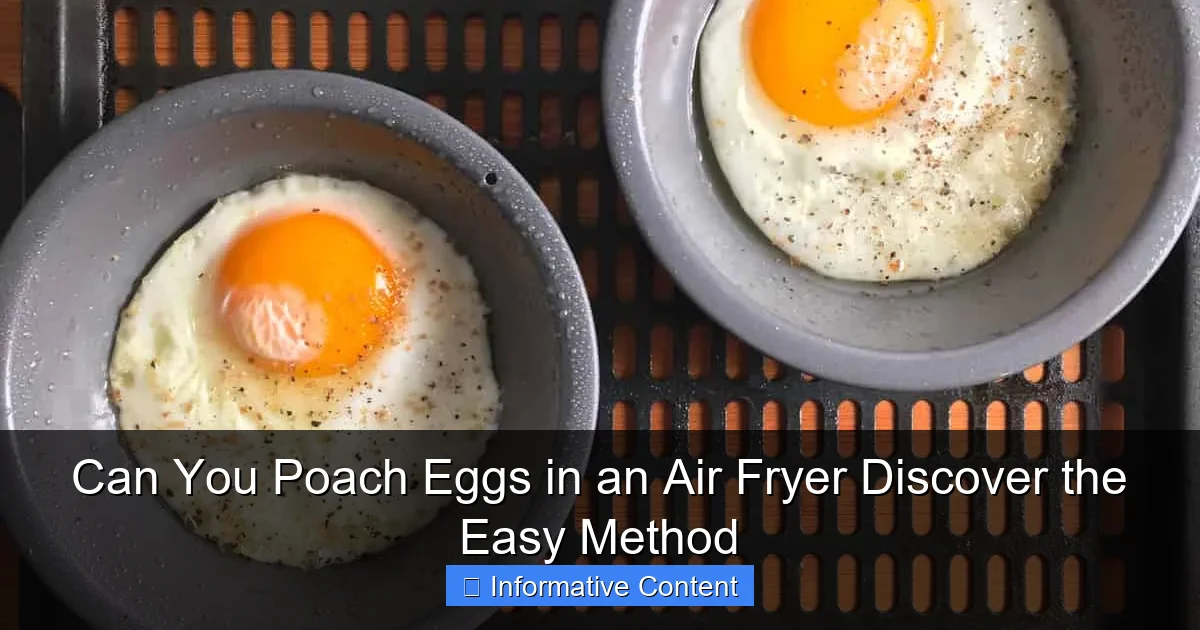
- Silicone poaching cups or small oven-safe ramekins: These hold the egg in place and prevent it from spreading out. Silicone is ideal because it’s non-stick and flexible, making removal easy. I use Silicone Egg Poachers that cost less than $10 on Amazon and work like a charm.
- Spray oil or a little butter: To lightly grease the cups so the eggs don’t stick. A quick spritz of avocado or olive oil spray does the trick.
- Fresh eggs
Optional (But Helpful) Add-ons
- Small ladle or spoon: To gently transfer the egg into the cup without breaking the yolk.
- Timer: Most air fryers have built-in timers, but a separate one helps if you’re multitasking.
- Slotted spoon or fork: For gently removing the cooked egg from the cup.
- Ice bath: If you’re making ahead and want to stop the cooking process, a bowl of ice water works great.
Pro Tip: Preheat Your Air Fryer
Just like with baking or roasting, preheating helps ensure even cooking. Set your air fryer to 320°F (160°C) and let it run for 3–5 minutes before adding the eggs. This mimics the stable environment of a simmering pot and reduces the risk of undercooked whites or overcooked yolks.
Step-by-Step Guide to Poaching Eggs in an Air Fryer
Now for the fun part—let’s walk through the actual process. I’ve tested this method dozens of times, tweaking temperature, time, and cup size to find the sweet spot. Here’s the step-by-step method I use every weekend for perfect air fryer poached eggs.
Step 1: Prep Your Cups
Start by lightly greasing your silicone cups or ramekins. A quick spray or brush with oil or butter is enough. This prevents sticking and makes removal easy. Place the cups in the air fryer basket. If you’re using ramekins, make sure they’re oven-safe and fit snugly without tipping.
Step 2: Preheat the Air Fryer
Set your air fryer to 320°F (160°C) and let it preheat for 3–5 minutes. This is crucial—starting with a hot environment ensures the egg begins cooking immediately, which helps the white set faster and the yolk stay runny.
Step 3: Crack the Egg
Crack a fresh egg into a small bowl or cup. This lets you check for shell fragments and ensures the yolk stays intact when transferring. Gently pour the egg into the greased silicone cup. If you’re nervous about breaking the yolk, use a spoon to guide it in.
Step 4: Cook the Egg
Close the air fryer and set the timer for 6–7 minutes for a runny yolk, 7–8 minutes for medium, and 8–9 minutes for a firmer yolk. The first time, I recommend starting with 6 minutes and adjusting based on your air fryer’s behavior. Some models run hotter than others.
Step 5: Remove and Serve
Carefully open the air fryer (watch for hot steam). Use a fork or slotted spoon to gently lift the egg from the cup. The silicone should release easily. If it sticks, a quick twist or tap on the edge helps. Place the egg directly on toast, a salad, or a breakfast sandwich. For a restaurant-style finish, lightly season with salt, pepper, or a dash of hot sauce.
Bonus Tip: Make Multiple Eggs at Once
Most air fryer baskets can fit 2–4 silicone cups at once. I’ve successfully poached 4 eggs simultaneously with no difference in cooking time. Just make sure the cups aren’t overcrowded—air needs to circulate for even cooking.
Common Mistakes and How to Fix Them
Even with the best intentions, things can go wrong. I’ve had my share of air fryer egg disasters—overcooked yolks, sticking eggs, and even a few that looked like scrambled messes. Here are the most common mistakes and how to avoid them.
Overcooking the Yolk
This is the #1 complaint I hear. The yolk turns chalky or hard, and that creamy, runny center is gone. The fix? Use a timer and start low. Begin with 6 minutes and check the egg. If the white is fully set but the yolk is still soft, it’s perfect. If it’s too runny, add 30 seconds next time. Every air fryer varies, so it’s about finding your model’s sweet spot.
Eggs Sticking to the Cup
Nothing’s worse than a stuck egg that breaks when you try to remove it. Prevention is key:
- Always grease the cup, even if it’s non-stick.
- Use silicone instead of metal or ceramic—it’s more flexible and less prone to sticking.
- Don’t skip the preheat. A hot environment helps the egg release more easily.
If an egg does stick, let it cool for 30 seconds—this often loosens it enough to slide out.
Uneven Cooking
Sometimes the edges of the white cook faster than the center. This usually happens if:
- The air fryer isn’t preheated enough.
- The cups are too large or too small (aim for 3–4 oz capacity).
- The egg is cracked too early, letting the white thin out.
To fix, use a fresh egg, preheat thoroughly, and keep the cup size consistent.
Water in the Basket
If you accidentally use a wet cup or spray too much oil, water can pool in the basket and affect cooking. Always pat the cup dry before adding the egg, and use minimal oil.
Perfect Pairings: What to Serve with Air Fryer Poached Eggs
A poached egg is more than just a breakfast item—it’s a flavor booster for all kinds of dishes. Here are some of my favorite ways to serve air fryer poached eggs, from classic to creative.
Classic Breakfasts
- Eggs Benedict: Swap the hollandaise for a lighter yogurt sauce if you’re watching calories. The runny yolk replaces the need for extra sauce.
- Avocado Toast: Top toasted sourdough with mashed avocado, a poached egg, and a sprinkle of chili flakes. Add smoked salmon for a gourmet twist.
- Breakfast Sandwiches: Place the egg on a toasted English muffin with cheese, ham, or turkey. The yolk acts as a built-in sauce.
Salads and Bowls
- Kale Salad: Toss chopped kale with lemon vinaigrette, cherry tomatoes, and a poached egg. The yolk wilts the greens slightly and adds richness.
- Grain Bowls: Add a poached egg to a quinoa or farro bowl with roasted veggies and tahini dressing. It’s protein-packed and satisfying.
- Warm Potato Salad: Toss warm potatoes with herbs, olive oil, and a poached egg. The yolk coats the potatoes for a creamy, comforting dish.
Comfort Food Upgrades
- Fried Rice: Stir a poached egg into warm fried rice just before serving. The yolk blends into the rice for a velvety texture.
- Roasted Vegetables: Top roasted Brussels sprouts, asparagus, or carrots with a poached egg and a sprinkle of Parmesan.
- Buttered Toast: Sometimes simple is best. A poached egg on buttered toast with a pinch of salt and pepper is pure comfort.
Pro Tip: Make Ahead and Reheat
Need to prep breakfast in advance? Poach the eggs, then transfer them to an ice bath to stop the cooking. Store in an airtight container in the fridge for up to 2 days. To reheat, place the egg in a greased silicone cup and air fry at 300°F for 2–3 minutes. The yolk stays runny, and the white reheats perfectly.
Air Fryer Poached Eggs vs. Other Methods: A Comparison
How does air fryer poaching stack up against traditional and modern methods? Let’s break it down with a quick comparison.
| Method | Time | Difficulty | Cleanup | Best For |
|---|---|---|---|---|
| Stovetop (Traditional) | 3–4 minutes | Medium (requires attention) | Moderate (pot, water, skimming) | Large batches, purists |
| Microwave (Mug Method) | 1–2 minutes | Easy | Easy (single mug) | Quick single servings |
| Air Fryer | 6–9 minutes | Easy (set and forget) | Very Easy (silicone cup) | Consistency, multitasking |
| Poaching Pans (with inserts) | 3–5 minutes | Easy | Moderate (pan + inserts) | Even cooking, presentation |
The air fryer isn’t the fastest method, but it’s the most hands-off. You don’t need to hover over a pot, and cleanup is minimal—just rinse the silicone cup. It’s also more forgiving than stovetop poaching, which can easily go wrong with temperature fluctuations. If you value consistency and ease over speed, the air fryer wins.
Final Thoughts: Is Air Fryer Poaching Worth It?
So, can you poach eggs in an air fryer? Absolutely. And after months of testing, I can say it’s one of the easiest, most reliable methods I’ve tried. It’s not perfect—there’s a slight learning curve, and it’s not the fastest option—but the benefits far outweigh the drawbacks. You get perfectly shaped, evenly cooked eggs with minimal effort, no water mess, and the freedom to multitask.
For busy mornings, small kitchens, or anyone who’s tired of failed poaching attempts, this method is a game-changer. It’s also a great way to get kids or cooking newbies involved—no need to worry about swirling water or broken yolks. Just grease a cup, crack an egg, and let the air fryer do the rest.
Is it better than traditional poaching? That depends on what you value. If you love the ritual of the stovetop method, keep doing it. But if you want consistency, ease, and a cleaner kitchen, give the air fryer a shot. I’ve converted several skeptical friends, and now they’re making poached eggs every weekend—without a pot in sight.
So next time you’re craving that runny, golden yolk, skip the stove. Grab your air fryer, a silicone cup, and a fresh egg. In under 10 minutes, you’ll have a poached egg that’s restaurant-quality, hassle-free, and absolutely delicious. Happy poaching!
Frequently Asked Questions
Can you poach eggs in an air fryer without water?
Yes, you can poach eggs in an air fryer without submerging them in water. Use a small heat-safe dish or silicone mold lightly greased to prevent sticking, and cook at 300°F (150°C) for 5–7 minutes.
How does air fryer poaching compare to traditional stovetop poaching?
Poaching eggs in an air fryer offers more consistent results and hands-off cooking, while stovetop poaching requires careful timing and swirling water. The air fryer method is less messy and easier for beginners.
What’s the best way to poach eggs in an air fryer?
For perfectly poached eggs, lightly coat a silicone egg cup or ramekin with oil, crack an egg inside, and air fry at 300°F (150°C) for 5–7 minutes, depending on desired doneness.
Can you poach multiple eggs at once in an air fryer?
Yes, you can poach multiple eggs in an air fryer if they fit without overcrowding. Use separate silicone molds or small dishes, and rotate their positions halfway for even cooking.
Do you need to preheat the air fryer to poach eggs?
Preheating isn’t strictly necessary but can help achieve more consistent results. If skipping preheat, add 1–2 minutes to the total cooking time for your poached eggs in an air fryer.
Are air fryer-poached eggs safe to eat?
Absolutely! As long as eggs reach an internal temperature of 160°F (71°C), they’re safe. Air fryer poaching is a hygienic, low-oil method that yields fully cooked, restaurant-quality results.