

Featured image for can you put aluminum foil in an air fryer
Image source: tasteofhome.com
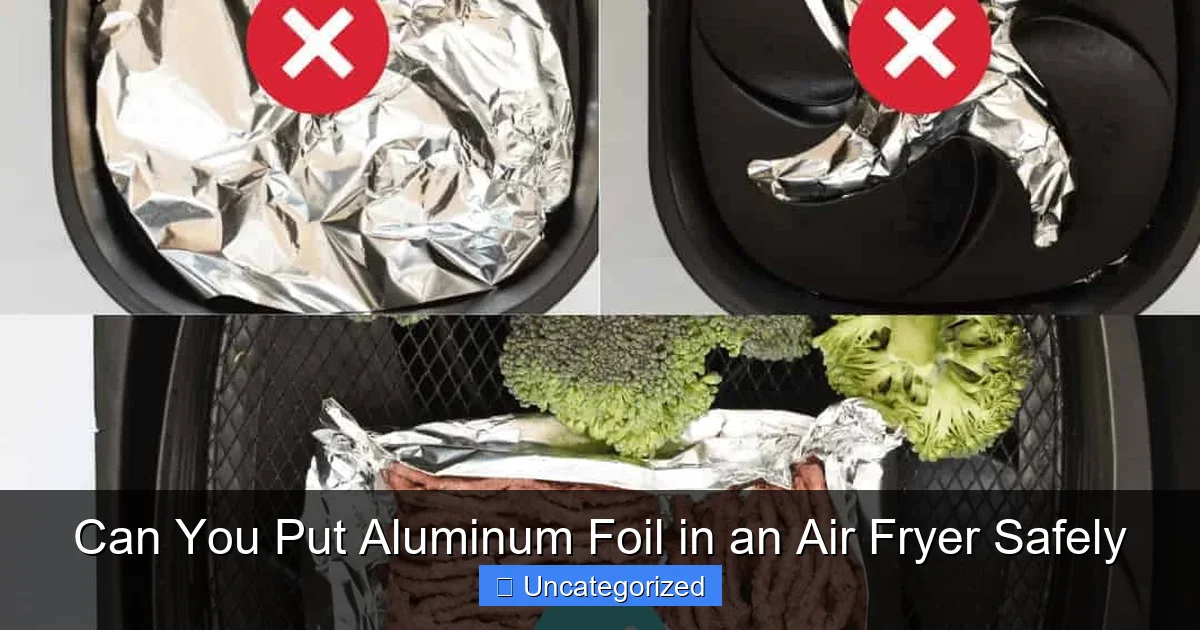
Yes, you can safely use aluminum foil in an air fryer as long as it’s placed properly to avoid blocking airflow—never cover the entire basket or touch the heating element. Always crimp the foil to the sides and leave space for hot air circulation to ensure even cooking and prevent fire hazards. Use it for easy cleanup or to protect delicate foods, but avoid acidic ingredients that may react with the foil.
Key Takeaways
- Yes, you can use aluminum foil in an air fryer if it’s food-safe and properly secured.
- Never cover air vents—blocking airflow risks damage and uneven cooking.
- Use foil to line the basket for easier cleanup, but avoid wrapping food too tightly.
- Always weigh down foil to prevent it from flying into the heating element.
- Avoid acidic foods like tomatoes—they can react with foil and alter taste.
- Check manufacturer guidelines—some brands prohibit foil to protect non-stick coatings.
📑 Table of Contents
- The Air Fryer Revolution: A Modern Kitchen Essential
- How Air Fryers Work and Why Foil Matters
- Is It Safe to Put Aluminum Foil in an Air Fryer?
- Best Practices for Using Aluminum Foil in Air Fryers
- Alternatives to Aluminum Foil in Air Fryers
- Real-World Examples and Expert Insights
- Conclusion: Foil in Air Fryers—A Smart, Safe Tool When Used Right
The Air Fryer Revolution: A Modern Kitchen Essential
The air fryer has become a staple in modern kitchens, offering a healthier alternative to traditional deep frying. With its ability to cook food using hot air circulation, it delivers crispy, golden results with up to 80% less oil. From french fries and chicken wings to roasted vegetables and even desserts, the air fryer’s versatility is unmatched. However, with great convenience comes the need for proper usage—especially when it comes to materials like aluminum foil. Many home cooks wonder: Can you put aluminum foil in an air fryer safely? This question isn’t just about convenience; it’s about safety, performance, and preserving the longevity of your appliance.
Aluminum foil is a common kitchen tool used for wrapping, lining, and protecting food during cooking. Its reflective surface helps retain heat, and its malleability makes it easy to shape around dishes. But when introduced into high-heat environments like an air fryer, the dynamics change. The intense airflow, rapid temperature shifts, and compact space raise important concerns. In this comprehensive guide, we’ll explore whether aluminum foil is a safe companion in your air fryer, the science behind its use, best practices, and alternatives. Whether you’re a seasoned air fryer enthusiast or a beginner, understanding how to use aluminum foil correctly can enhance your cooking experience while avoiding potential hazards.
How Air Fryers Work and Why Foil Matters
The Science Behind Air Frying
To understand whether aluminum foil is safe in an air fryer, it’s essential to first grasp how air fryers operate. Unlike conventional ovens that rely on radiant heat, air fryers use a powerful convection mechanism. A heating element located at the top of the appliance warms the air, while a high-speed fan circulates this hot air around the food placed in the basket. This rapid circulation creates a crisp exterior through the Maillard reaction—similar to deep frying—but without submerging food in oil.

Visual guide about can you put aluminum foil in an air fryer
Image source: loveandotherspices.com
The key to this process is uninterrupted airflow. Any obstruction, such as a crumpled foil ball or a tightly sealed foil pouch, can disrupt the even distribution of heat and reduce cooking efficiency. In extreme cases, blocked airflow can cause hot spots, leading to uneven cooking or even overheating of the appliance’s internal components.
Why Aluminum Foil Is a Double-Edged Sword
Aluminum foil has properties that make it both useful and risky in air fryers:
- Heat Reflectivity: Foil reflects heat, which can help retain moisture in food or protect delicate areas from over-browning.
- Non-Stick Surface: It prevents sticky or crumbly foods (like marinated chicken or baked potatoes) from sticking to the basket.
- Easy Cleanup: Lining the basket with foil reduces the need for scrubbing after cooking.
- Conductivity: Aluminum conducts heat quickly, which can lead to hot spots if not used properly.
- Potential for Arcing: In rare cases, loose foil can come into contact with the heating element and cause sparks or electrical arcing.
Given these pros and cons, the decision to use foil must be informed by proper technique and awareness of your specific air fryer model.
Is It Safe to Put Aluminum Foil in an Air Fryer?
Manufacturer Guidelines and Safety Standards
Most reputable air fryer manufacturers—including Philips, Ninja, Instant Vortex, and Cosori—do not explicitly prohibit the use of aluminum foil, but they emphasize how it should be used. For example:
Visual guide about can you put aluminum foil in an air fryer
Image source: theconsciousplantkitchen.com
- Philips advises against covering the entire basket with foil but allows small, secured pieces for specific uses.
- Ninja states that foil can be used to line the basket but must not touch the heating element.
- Instant Brands recommends using foil only in the bottom of the basket and ensuring it doesn’t block airflow.
These guidelines are rooted in safety standards such as UL 1026, which governs electric cooking appliances. The primary concern is preventing electrical hazards, overheating, and fire risks.
Potential Risks of Improper Foil Use
Using aluminum foil incorrectly in an air fryer can lead to several issues:
- Electrical Arcing: If foil touches the heating element (typically located at the top), it can create sparks. While rare, this poses a fire hazard and can damage the appliance.
- Blocked Airflow: Crumpled foil or a fully covered basket restricts hot air circulation, resulting in uneven cooking, longer cook times, and potential overheating.
- Food Safety Concerns: Acidic foods (like tomatoes, citrus, or vinegar-based marinades) can react with aluminum, causing the metal to leach into food. This is more pronounced at high temperatures.
- Basket Damage: Sharp edges of foil can scratch non-stick coatings on air fryer baskets, reducing their lifespan and potentially releasing harmful particles into food.
However, when used correctly, aluminum foil poses minimal risk and can even enhance your cooking results.
When Is It Safe to Use Foil?
Foil is safe in the following scenarios:
- Lining the bottom of the basket to catch drippings from fatty foods like bacon or chicken wings.
- Wrapping individual items (e.g., baked potatoes, foil-wrapped fish) with the top open to allow steam and air to escape.
- Creating foil “boats” or trays to hold small, crumbly foods like chopped vegetables or shrimp.
- Protecting delicate foods (e.g., fish fillets) from drying out by covering them loosely with foil.
Always ensure the foil is securely tucked into the basket and does not extend above the rim to prevent contact with the heating element.
Best Practices for Using Aluminum Foil in Air Fryers
Step-by-Step Guide to Safe Foil Use
Follow these steps to use aluminum foil safely and effectively:
- Choose the Right Foil: Use standard household aluminum foil (0.016 mm thickness). Avoid heavy-duty foil, which can block airflow, or non-stick foil with coatings that may degrade at high heat.
- Cut and Shape Carefully: Cut a piece slightly smaller than the basket’s base. Crumple it gently to create a textured surface that allows air to circulate underneath.
- Secure the Foil: Press the edges down around the basket’s inner walls. Use a fork or skewer to poke 5–10 small holes in the foil to allow steam and fat to drain.
- Never Cover the Entire Surface: Leave at least 1 inch of space around the edges to ensure airflow.
- Keep Foil Below the Rim: Ensure no part of the foil extends above the basket to avoid contact with the heating element.
- Monitor Cooking: Check the food halfway through cooking to ensure the foil hasn’t shifted or lifted.
Food-Specific Tips
- For Baked Potatoes: Wrap each potato in foil, leaving the top open. Poke holes in the foil to allow steam to escape. This prevents the skin from drying out.
- For Chicken Wings: Line the basket with foil to catch grease. Place wings directly on the foil, ensuring they’re not overlapping.
- For Fish or Delicate Proteins: Place fish on a foil “boat” with herbs and lemon slices. Fold the edges to create a low barrier, but leave the top open.
- For Small or Crumbly Foods: Use foil to create individual compartments (e.g., for diced veggies or shrimp), preventing them from falling through the basket.
What to Avoid
- Do not use foil to cover the entire basket like a lid. This blocks airflow and defeats the purpose of air frying.
- Never use foil with acidic marinades (e.g., tomato sauce, citrus juice) unless the food is wrapped in parchment paper first.
- Avoid loose or flapping foil that could blow into the heating element.
- Don’t reuse foil that has sharp creases or tears, as these can snag on the basket or create hot spots.
Alternatives to Aluminum Foil in Air Fryers
Reusable Silicone Liners
Silicone air fryer liners are a popular eco-friendly alternative. They are heat-resistant (up to 450°F/230°C), non-stick, and reusable. Available in round or square shapes, they fit snugly in most baskets and are easy to clean. Pros: Durable, dishwasher-safe, no risk of leaching. Cons: Can retain odors over time and may not be as effective at catching grease as foil.
Perforated Parchment Paper
Pre-cut parchment paper rounds with holes are designed specifically for air fryers. They allow airflow while preventing food from sticking. Pros: Biodegradable, no metallic taste, safe with acidic foods. Cons: Single-use, may burn if exposed to direct heat for long periods.
Non-Stick Air Fryer Baskets
Some models come with non-stick or ceramic-coated baskets that reduce the need for lining. While convenient, these coatings can wear down over time. Use silicone mats or parchment paper to prolong their life.
DIY Solutions
- Oiling the Basket: Lightly coat the basket with oil or cooking spray before adding food. This works well for foods like fries or nuggets.
- Using a Wire Rack: Place a small metal rack inside the basket to elevate food and catch drippings without blocking airflow.
While these alternatives are effective, aluminum foil remains the most versatile and cost-effective option when used correctly.
Real-World Examples and Expert Insights
Case Study: Crispy Chicken Wings with Foil
Scenario: A home cook wants to make crispy chicken wings in their 5.8-quart air fryer. They line the basket with foil, secure the edges, and place the wings in a single layer. After 20 minutes at 380°F, the wings are golden and juicy, with minimal cleanup.
Why It Worked: The foil caught the excess fat, preventing smoke and odor. The holes in the foil allowed steam to escape, ensuring crispiness. The wings were flipped halfway, and the foil remained in place.
Expert Opinion: Chef Sarah Thompson (Culinary Institute of America)
“Aluminum foil is a tool, not a crutch,” says Chef Thompson. “In air fryers, its role is to aid cooking, not replace proper technique. Use it to solve specific problems—like catching grease or protecting delicate foods—but never to shortcut airflow. I recommend testing foil use with low-risk foods first, like potatoes or vegetables, before moving to high-fat or acidic dishes.”
Data Table: Foil vs. Alternatives in Air Fryers
| Material | Heat Resistance | Reusable? | Best For | Risks |
|---|---|---|---|---|
| Aluminum Foil | Up to 500°F (260°C) | No (single-use) | Grease-catching, wrapping, lining | Arcing, leaching with acids, airflow blockage |
| Silicone Liners | Up to 450°F (230°C) | Yes (100+ uses) | Non-stick cooking, reusable | Odor retention, higher upfront cost |
| Parchment Paper | Up to 425°F (220°C) | No (single-use) | Acidic foods, delicate proteins | Burning at high temps, not grease-proof |
| Oil/Spray | N/A | Yes (continuous) | Light cooking, crispy results | Smoke, odor, cleanup |
Conclusion: Foil in Air Fryers—A Smart, Safe Tool When Used Right
So, can you put aluminum foil in an air fryer safely? Yes—but with conditions. When used properly, aluminum foil is a safe, practical tool that can simplify cooking, reduce mess, and enhance results. It’s ideal for catching grease, protecting delicate foods, and preventing sticking. However, its use requires mindfulness: never let it touch the heating element, avoid blocking airflow, and never use it with highly acidic foods without a protective layer.
The key takeaway is moderation and technique. Think of aluminum foil as a helper, not a shortcut. Pair it with best practices—like securing it properly, poking holes, and monitoring cooking—and you’ll enjoy the benefits without the risks. For those seeking eco-friendly options, silicone liners and parchment paper are excellent alternatives, though they come with trade-offs in cost and convenience.
Ultimately, the air fryer’s success lies in its ability to mimic deep frying through precise airflow and heat. By respecting the appliance’s design and using materials like aluminum foil wisely, you unlock its full potential. Whether you’re roasting a whole chicken, reheating pizza, or experimenting with new recipes, a little knowledge goes a long way. So go ahead—line that basket, wrap that potato, and enjoy crispy, delicious meals with confidence. Just remember: safety first, flavor always.
Frequently Asked Questions
Can you put aluminum foil in an air fryer safely?
Yes, you can put aluminum foil in an air fryer, but it must be used correctly. Always ensure the foil is weighed down with food and doesn’t block airflow or touch the heating element to prevent fire hazards.
Is it safe to use aluminum foil in an air fryer for all foods?
Aluminum foil is safe for most foods, especially to prevent drips or hold small items. However, avoid wrapping acidic foods (like tomatoes or citrus) as they can react with the foil and cause pitting or leaching.
Does using aluminum foil in an air fryer affect cooking performance?
When used properly, aluminum foil in an air fryer won’t disrupt cooking. Just leave space around the edges to allow proper air circulation, ensuring even cooking and crisp results.
Can aluminum foil damage your air fryer?
Foil can damage your air fryer if it touches the heating element or blocks the air vents, leading to overheating or sparks. Always secure the foil under food and keep it away from the basket’s walls.
What’s the best way to use aluminum foil in an air fryer?
Line the air fryer basket with foil, ensuring it’s flat and weighted by food to prevent flying. Poke small holes for better airflow, and never let the foil extend beyond the basket.
Are there alternatives to aluminum foil for air fryers?
Yes, alternatives like parchment paper (air-fryer-safe) or silicone liners work well. These options reduce mess without risking foil-related issues like sparks or restricted airflow.