
Featured image for can you put baking dishes in air fryer
Yes, you can put baking dishes in an air fryer, but only if they’re made of heat-safe materials like ceramic, glass, or metal—never plastic. Always check the dish’s maximum temperature rating and ensure it fits without blocking airflow for even cooking. Safety and compatibility are key to avoiding damage or hazards.
Key Takeaways
- Check material safety: Only use oven-safe dishes like ceramic, glass, or metal.
- Size matters: Ensure the dish fits without blocking air circulation.
- Avoid sudden temperature changes: Prevent cracking by not shocking cold dishes with heat.
- Preheat when necessary: Some dishes benefit from preheating for even cooking.
- Use caution with lids: Metal lids can cause sparks; opt for vented or no lids.
- Monitor cooking closely: Adjust time/temp for smaller or dense dishes.
📑 Table of Contents
- Can You Put Baking Dishes in Air Fryer? A Complete Guide
- Understanding Air Fryer Mechanics and Heat Distribution
- Which Baking Dishes Are Safe for Air Fryers?
- Best Recipes and Dishes to Bake in an Air Fryer
- Step-by-Step Guide: How to Bake Safely in Your Air Fryer
- Common Mistakes and How to Avoid Them
- Final Thoughts: Baking Dishes in Air Fryers—Yes or No?
Can You Put Baking Dishes in Air Fryer? A Complete Guide
So, you’ve just pulled a bubbling casserole out of the oven and thought, “Hmm, could I have made this in my air fryer instead?” You’re not alone. Air fryers have become kitchen superheroes, promising crispy fries, juicy chicken, and even baked desserts—all with less oil and faster cooking times. But when it comes to using baking dishes in your air fryer, the answer isn’t always straightforward. It’s like asking if your favorite winter boots work on the beach—they *might*, but it depends on the conditions.
I remember the first time I tried putting a ceramic baking dish in my air fryer. I was making a small batch of mac and cheese for a solo dinner, excited to skip the oven and save energy. The dish fit, the timer ticked down… and then I heard a faint crack halfway through. My heart sank. Was it the dish? The temperature? Or just bad luck? Turns out, it was a mix of all three. Since then, I’ve experimented, researched, and learned the dos and don’ts of using baking dishes in air fryers. Whether you’re baking brownies, reheating lasagna, or cooking a quiche, this guide will help you avoid kitchen disasters—and maybe even discover a new way to love your air fryer.
Understanding Air Fryer Mechanics and Heat Distribution
Before tossing any dish into your air fryer, it helps to understand how these appliances actually work. Unlike traditional ovens, which rely on radiant heat from heating elements, air fryers use rapid air circulation to cook food. A powerful fan pushes hot air around the food at high speeds, creating that crispy, golden exterior we all crave. This means airflow is critical—block it, and your food won’t cook evenly or efficiently.
How Airflow Affects Baking Dishes
When you place a baking dish inside an air fryer, you’re introducing a barrier to that airflow. Think of it like putting a traffic cone in the middle of a busy highway—cars (or in this case, hot air) have to go around it, slowing things down. A deep or wide dish can disrupt the air circulation, leading to:
- Uneven cooking: The edges may cook faster than the center.
- Longer cook times: The air fryer has to work harder to heat the dish and food.
- Potential overheating: If the dish blocks the fan or heating element, it could damage the unit.
For example, I once tried baking a 9-inch ceramic pie dish in my 5.8-quart air fryer. The dish took up nearly the entire basket, leaving almost no space for air to flow. The result? A pie with a soggy bottom and a burnt crust. Not exactly what I was going for.
Temperature and Cooking Time Adjustments
Because baking dishes absorb and retain heat differently than open-air cooking, you’ll likely need to adjust your recipe. Here’s what I’ve found through trial and error:
- Reduce the temperature: Lower the air fryer temperature by 25°F (about 15°C) compared to oven recipes. This prevents the outside from burning before the inside cooks.
- Increase cook time: Add 5–10 minutes to the original oven time, checking frequently.
- Use a thermometer: For casseroles or meats, use a meat thermometer to ensure the center reaches a safe temperature.
For instance, a casserole that takes 25 minutes at 350°F in the oven might need 30–35 minutes at 325°F in the air fryer when baked in a dish. It’s not a hard rule, but a solid starting point.
Which Baking Dishes Are Safe for Air Fryers?
Not all baking dishes are created equal when it comes to air fryer use. The material, shape, and size all play a role in whether your dish will survive—and whether your food will turn out great.
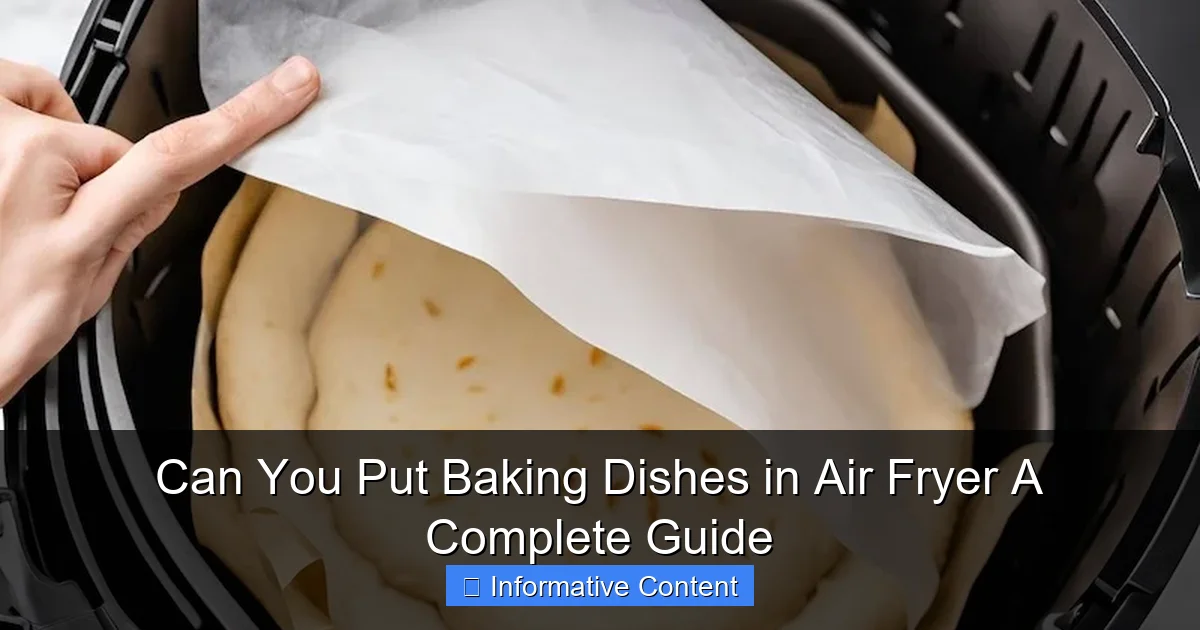
Visual guide about can you put baking dishes in air fryer
Image source: myfryer.net
Safe Materials: What You Can Use
Here are the materials I’ve found to be air fryer-friendly:
- Heat-safe glass (like Pyrex): These can handle rapid temperature changes better than regular glass. Just avoid sudden temperature shifts (e.g., cold dish into a hot air fryer).
- Ceramic: Great for even heat distribution, but only if labeled “oven-safe” or “air fryer-safe.” Some ceramics have glazes that can crack or leach chemicals under high heat.
- Metal (stainless steel, aluminum): These are excellent conductors and don’t crack under heat. Look for lightweight, oven-safe metal dishes—avoid thick cast iron, which can block airflow and overheat the air fryer.
- Silicone: Flexible and non-stick, silicone molds are perfect for muffins, brownies, or small quiches. They’re also safe for high heat (up to 450°F/230°C).
I use a 6-inch stainless steel springform pan for small cheesecakes and a 7-inch silicone loaf pan for banana bread. Both work beautifully and clean up easily.
Materials to Avoid
Some materials just don’t belong in an air fryer:
- Regular glass or tempered glass: These can shatter due to thermal shock. Even if labeled “dishwasher-safe,” that doesn’t mean “air fryer-safe.”
- Plastic or melamine: These will melt or warp at high temperatures.
- Dishes with non-stick coatings that chip: If the coating flakes off, it could contaminate your food or damage the air fryer.
- Thick stoneware or cast iron: These retain too much heat and can overheat the air fryer’s heating element or fan.
One time, I tried using a decorative ceramic casserole dish with a gold rim. The rim wasn’t oven-safe, and it started to smoke after 10 minutes. Lesson learned: always check the bottom of the dish for safety symbols.
Size and Shape Matter
Even a safe material can cause problems if the dish is too big or deep. Here’s what to consider:
- Leave at least 1–2 inches of space around the dish for air to circulate.
- Choose shallow, wide dishes over tall, narrow ones. A 6-inch cake pan works better than a 3-quart casserole dish.
- Use small dishes: Mini loaf pans, muffin tins, or ramekins are ideal for portion control and even cooking.
For example, I use 4-ounce ramekins for individual pot pies or baked eggs. They fit perfectly, cook evenly, and make cleanup a breeze.
Best Recipes and Dishes to Bake in an Air Fryer
Now that you know what dishes to use, let’s talk about what you can actually bake in them. The air fryer isn’t just for reheating leftovers—it’s a versatile tool for baking, too.
Cassoules, Quiches, and Frittatas
These egg-based dishes are perfect for air fryer baking. The gentle, even heat helps them set without curdling. Try this:
- Mini quiche: Use a 6-cup muffin tin or individual ramekins. Fill with eggs, cheese, veggies, and pre-cooked bacon. Bake at 325°F for 12–15 minutes.
- Frittata: A 6-inch ceramic pie dish works great. Whisk eggs with milk, spinach, and feta. Pour into the dish and air fry at 325°F for 18–20 minutes.
I make mini quiches on Sunday mornings for quick breakfasts during the week. They reheat beautifully in the air fryer for 3–4 minutes.
Desserts: Brownies, Muffins, and Cakes
Yes, you can bake desserts in your air fryer! The key is using small, shallow dishes to ensure even baking.
- Brownies: Use a 6-inch metal or silicone square pan. Pour batter in, air fry at 325°F for 15–18 minutes. Check with a toothpick—moist crumbs are perfect.
- Muffins: A silicone muffin tray fits perfectly. Fill each cup ¾ full with batter. Air fry at 325°F for 12–15 minutes.
- Small cakes: A 6-inch springform pan is ideal for cheesecakes or sponge cakes. Bake at 325°F for 20–25 minutes.
My go-to recipe is a single-serving mug cake in a 10-ounce ceramic mug. Just 5 minutes at 350°F, and it’s ready—no oven needed!
Reheating Leftovers and Frozen Baked Goods
One of the best uses for baking dishes in an air fryer is reheating. No more soggy microwave lasagna!
- Lasagna: Place a single portion in a 6-inch ceramic dish. Reheat at 325°F for 8–10 minutes.
- Pasta bakes: Same method. The top gets crispy, and the inside stays hot and creamy.
- Frozen muffins or scones: Place in a small metal or silicone dish. Heat at 300°F for 5–7 minutes.
I’ve reheated frozen shepherd’s pie in a ceramic ramekin, and it came out better than when I first made it—crispy on top, warm all the way through.
Step-by-Step Guide: How to Bake Safely in Your Air Fryer
Ready to try it? Here’s my tried-and-true method for baking with dishes in your air fryer—without the cracks, burns, or smoke.
Prep Your Dish and Ingredients
Start with a clean, dry baking dish. If it’s been in the fridge, let it sit at room temperature for 10–15 minutes. Cold dishes + hot air = potential for cracking.
- Grease the dish with butter, oil, or non-stick spray to prevent sticking.
- Use parchment paper for easy removal (especially for cakes and brownies).
- Don’t overfill: Leave about ½ inch from the top to allow for rising or bubbling.
I line my silicone loaf pan with parchment paper for banana bread—no scraping, no mess.
Set the Right Temperature and Time
As mentioned earlier, reduce the temperature by 25°F from your oven recipe. Here’s a quick reference:
- Oven 350°F → Air fryer 325°F
- Oven 375°F → Air fryer 350°F
- Oven 400°F → Air fryer 375°F
Start with the lower end of the cook time and check often. I use a toothpick for cakes, a fork for casseroles, and a thermometer for meats.
Monitor and Rotate (If Needed)
Some air fryers have hot spots. If your dish is large, consider rotating it halfway through. For example:
- After 10 minutes, pause the air fryer, carefully rotate the dish 180 degrees, and resume cooking.
- Use oven mitts or silicone gloves—the dish and basket will be hot!
I’ve found that my air fryer cooks faster on the left side, so I rotate my quiches halfway through for even browning.
Cool and Remove Safely
Once done, let the dish rest in the air fryer for 1–2 minutes. This helps prevent thermal shock. Then:
- Use silicone-tipped tongs or oven mitts to remove the dish.
- Place on a cooling rack or heat-safe surface.
- Let it cool for 5–10 minutes before slicing or serving.
One time, I pulled a ceramic dish out too quickly and set it on a cold granite countertop. It cracked instantly. Now I always let it cool first.
Common Mistakes and How to Avoid Them
Even with the best intentions, things can go wrong. Here are the most common mistakes—and how to avoid them.
Using the Wrong Dish Size
As mentioned earlier, a dish that’s too big blocks airflow. Always measure your air fryer basket and choose a dish that leaves space around the edges. A good rule: the dish should take up no more than 70% of the basket.
Ignoring Preheating
While some air fryers don’t require preheating, it helps when baking. Preheat for 3–5 minutes at your target temperature before adding the dish. This ensures even cooking from the start.
Not Checking for Hot Spots
Every air fryer is different. Test yours by air frying a small batch of cookies or muffins in different spots. Note which areas brown faster and adjust your dish placement accordingly.
Overfilling or Underfilling
Too much batter or filling can cause spills or uneven cooking. Too little can dry out. Aim for the right balance—usually ½ to ¾ full, depending on the recipe.
Skipping the Test Run
Before baking a big batch, try a small test. For example, bake one muffin or a mini brownie to check timing and texture. This saves ingredients and frustration.
Data: Air Fryer Baking Dish Compatibility
Here’s a quick reference table of common baking dishes and their air fryer suitability:
| Material | Max Safe Temp | Air Fryer Safe? | Best For |
|---|---|---|---|
| Heat-safe glass (Pyrex) | 450°F (230°C) | Yes (if room temp) | Casseroles, pies |
| Ceramic (oven-safe) | 400°F (205°C) | Yes (check label) | Quiches, small cakes |
| Stainless steel | 500°F (260°C) | Yes | Brownies, muffins |
| Aluminum (lightweight) | 450°F (230°C) | Yes | Breads, small loaves |
| Silicone | 450°F (230°C) | Yes | Muffins, cupcakes |
| Regular glass | 350°F (175°C) | No | Not recommended |
| Cast iron | 500°F (260°C) | No (blocks airflow) | Not recommended |
Final Thoughts: Baking Dishes in Air Fryers—Yes or No?
So, can you put baking dishes in an air fryer? The short answer is yes—but with conditions. It’s not a free-for-all. You need the right dish, the right size, and the right technique. When done correctly, baking in an air fryer can save time, energy, and counter space. You can enjoy fresh-baked muffins, creamy quiches, and even decadent brownies—all without turning on your oven.
But it’s also not magic. There will be a learning curve. You might burn a batch of cookies or crack a ceramic dish. I’ve been there. The key is to start small, experiment, and pay attention. Use the tips in this guide: choose safe materials, leave space for airflow, adjust temperatures, and monitor your food closely.
And remember—your air fryer is a tool, not a replacement for your oven. Some recipes will work better in the oven, and that’s okay. But for quick bakes, small portions, and reheating, a baking dish in the air fryer can be a game-changer.
So go ahead. Try that mini cheesecake. Bake those brownies. Reheat that lasagna. Just do it wisely, and your kitchen (and your taste buds) will thank you.
Frequently Asked Questions
Can you put baking dishes in an air fryer?
Yes, you can safely use baking dishes in most air fryers, as long as they are heat-safe (like ceramic, glass, or metal) and fit without blocking airflow. Always check your air fryer’s manual for specific guidelines.
What types of baking dishes are air fryer-safe?
Heat-resistant materials like oven-safe glass (Pyrex), ceramic, silicone, and metal baking dishes work well in air fryers. Avoid plastic or non-heat-resistant containers, as they can melt or warp.
Can you put a glass baking dish in an air fryer without cracking it?
Yes, but ensure the glass dish is oven-safe and at room temperature before placing it in the preheated air fryer. Sudden temperature changes can cause thermal shock and cracking.
Does using a baking dish in an air fryer affect cooking time?
Thick dishes (like ceramic or stoneware) may slightly slow cooking, so you might need to add 2–5 minutes to the cook time. Thin metal or silicone dishes typically don’t require adjustments.
Can you put baking dishes in air fryer baskets with non-stick coatings?
Yes, but avoid metal dishes with sharp edges that could scratch the coating. Stick to smooth-edged ceramics or silicone to protect the air fryer’s basket.
Are there any baking dishes to avoid in air fryers?
Never use plastic, paper, or unsealed clay dishes, as they can melt, burn, or leach chemicals. Always verify the dish is labeled oven-safe before using it in your air fryer.