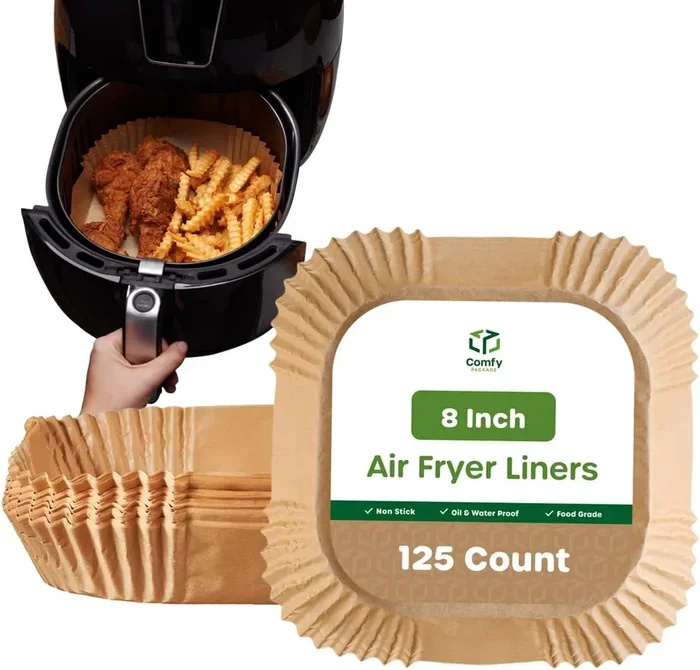
Can You Use Tin Foil in an Air Fryer
Featured image for can you use tin foil in an air fryer
Image source: northernyum.com
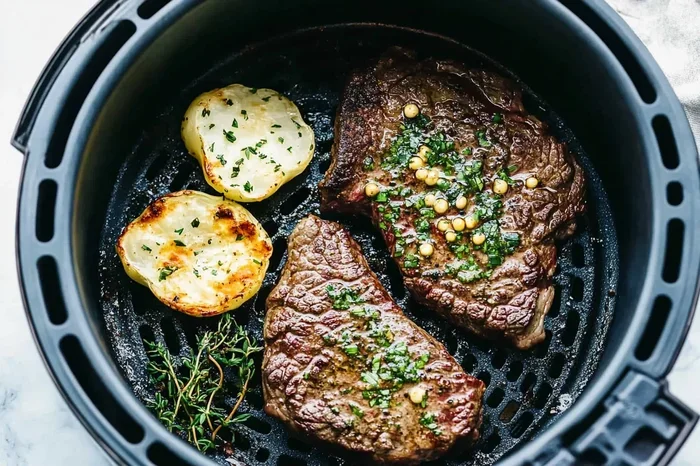
Yes, you can use tin foil in an air fryer when you follow a few simple rules. Properly sized foil that allows airflow lets you cook delicate foods, prevent sticking, and make cleanup easy without harming the appliance.
Air fryers have taken home kitchens by storm, promising crispy results with a fraction of the oil. As you experiment, you might wonder whether a sheet of tin foil belongs in that rapid‑circulating hot air. The short answer is yes—if you respect the airflow that makes an air fryer work. In this guide we break down the science, the safety rules, and the creative ways foil can expand your air fryer repertoire.
Did you know that a 2023 consumer survey found 71 percent of air fryer owners have tried foil at least once? Yet only 38 percent knew the correct way to place it. Understanding the “why” behind the rules helps you avoid soggy food, damaged baskets, or even a kitchen fire. Let’s dive in.
Key Takeaways
- Airflow matters: Foil must not block the fan or heating element.
- Size it right: Cut foil to fit the basket, leaving space around the edges.
- Poke holes: Small perforations let hot air circulate and prevent steam buildup.
- Avoid acidic foods: Tomatoes or citrus can react with foil, causing off‑flavors.
- Use alternatives when needed: Parchment paper or silicone mats work well for high‑acid dishes.
- Never cover the entire basket: Full coverage traps heat and can cause a fire hazard.
- Clean up is easier: Foil catches drips, reducing scrub time after cooking.
📑 Table of Contents
How Air Fryers Work
Convection Heat
An air fryer is essentially a compact convection oven. A powerful fan forces hot air around the food at speeds up to 70 mph. This rapid circulation creates a Maillard reaction—the browning that gives fries, wings, and roasted veggies their signature crunch. Think of the fan as a tiny windstorm that constantly kisses every surface of your food.
Airflow Design
The basket or tray is perforated on purpose. Those holes let the hot wind pass through, under, and over the food. If you block those pathways, the windstorm turns into a stagnant pocket of heat. The result? Uneven cooking, steam‑soggy textures, and a higher chance of overheating the heating element.
Tin Foil Basics
What Is Tin Foil
Despite the name, modern “tin foil” is almost always aluminum foil. It’s a thin sheet of rolled aluminum, typically 0.016 mm thick. Aluminum conducts heat quickly, reflects radiant energy, and forms a barrier against moisture. In the kitchen it’s a versatile shield—wrap a potato, line a baking sheet, or cover a casserole.
Visual guide about can you use tin foil in an air fryer
Image source: leravi.org
Heat Conductivity
Aluminum’s thermal conductivity is about 237 W/(m·K), far higher than stainless steel (≈16 W/(m·K)). That means foil heats up and cools down almost instantly. In an air fryer this is a double‑edged sword: it can help crisp a topping in seconds, but it can also create hot spots if the foil touches the heating element directly.
When Tin Foil Is Safe to Use
Lining the Basket
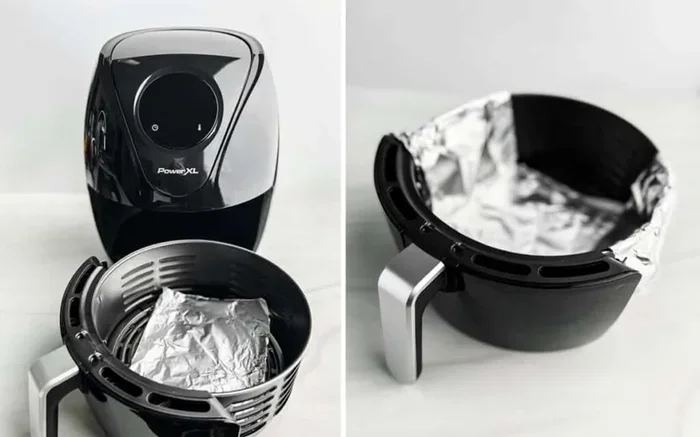
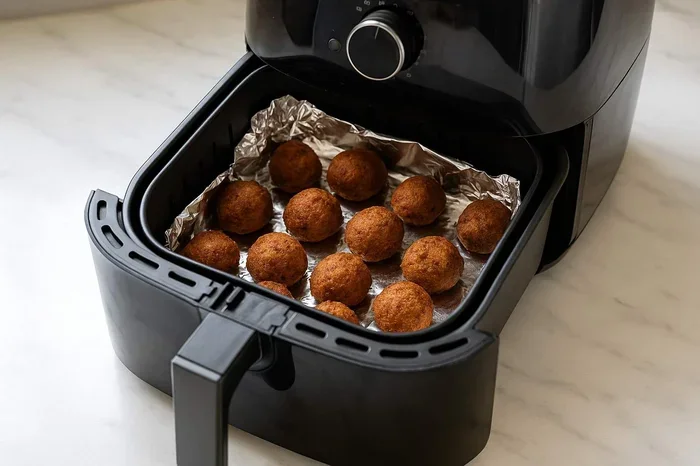
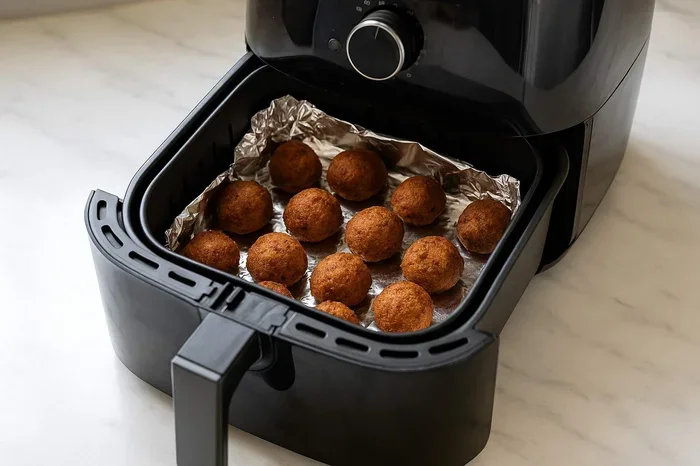
Place a single sheet of foil on the bottom of the basket, leaving at least a half‑inch margin around the perimeter. This catches drips from marinated meats or oily vegetables, making cleanup a breeze. The key is to keep the foil flat—wrinkles can trap air and create uneven hot zones.
Visual guide about can you use tin foil in an air fryer
Image source: alfoilcontainers.com
Wrapping Foods
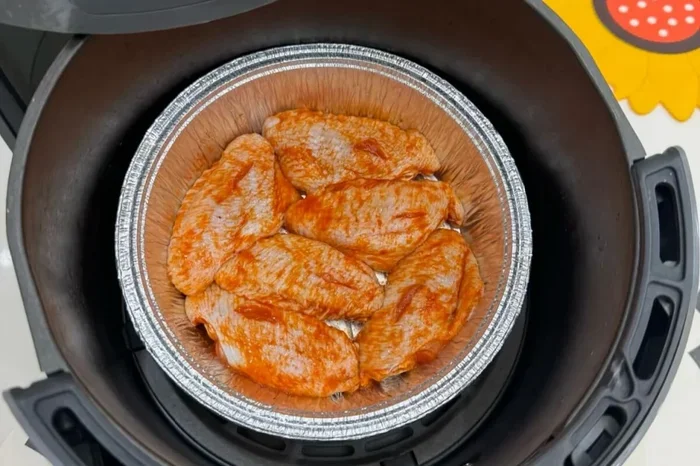
Foil packets (often called “hobo packs”) are perfect for delicate fish, seasoned veggies, or pre‑cooked grains. Seal the packet loosely so steam can escape through the natural seams. The packet acts like a mini oven inside the air fryer, concentrating flavor while still allowing the surrounding hot air to crisp the exterior.
Preventing Sticking
Lightly spray the foil with cooking oil before adding food. The oil creates a non‑stick surface without the need for a heavy coating of spray on the basket itself. This trick works especially well for cheese‑topped dishes where melted cheese loves to glue itself to metal.
When Tin Foil Is Risky
Blocking Airflow
Covering the entire basket or wrapping the foil tightly around the food like a cocoon stops the fan’s windstorm. The air fryer then behaves more like a conventional oven, losing its speed advantage. In extreme cases the heating element can overheat because the hot air has nowhere to go, triggering the appliance’s safety shut‑off—or worse, a fire.
Fire Hazard
Aluminum foil can ignite if it contacts a red‑hot heating element. Most air fryers have a guard, but a loose piece of foil that flutters into the element can spark. Always secure foil edges under the basket rim or use the manufacturer’s foil‑compatible accessories.
Chemical Leaching
Acidic ingredients—tomato sauce, lemon juice, vinegar—can react with aluminum, causing a metallic taste and tiny amounts of aluminum to migrate into food. The FDA considers this safe at typical exposure levels, but many cooks prefer to avoid the flavor change. For high‑acid recipes, swap foil for parchment paper or a silicone mat.
Best Practices and Tips
Cut to Size
Measure your basket’s interior dimensions and cut foil a few centimeters smaller on each side. Pre‑cut sheets save time and guarantee a consistent fit. A kitchen scissors works better than tearing, which leaves jagged edges that can snag on the fan.
Poke Holes
Use a fork or a skewer to make 8‑12 small holes across the foil surface. This simple step restores a portion of the airflow while still catching drips. Think of it as giving the windstorm a few secret passages.
Use Parchment Alternative
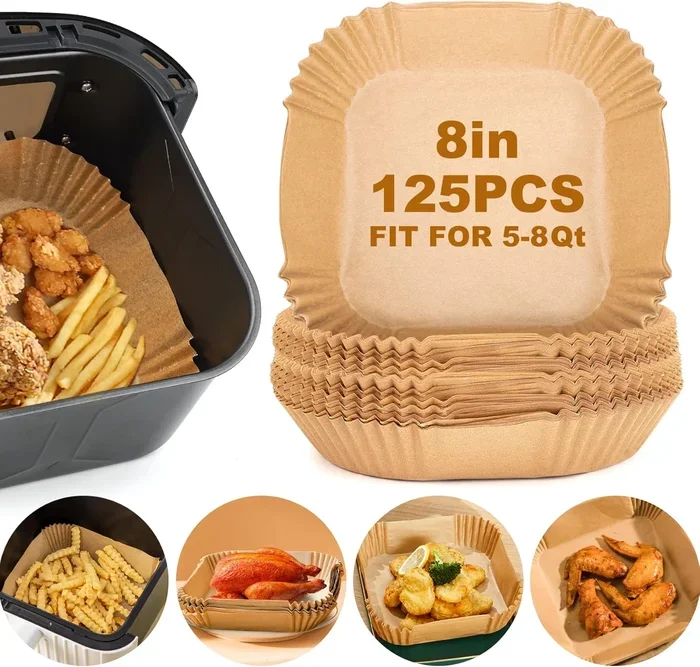
Parchment paper rated for 450 °F (232 °C) is a foil‑free option that still prevents sticking. It’s naturally non‑reactive, so acidic foods stay flavor‑pure. Silicone baking mats are reusable, dishwasher‑safe, and provide a similar barrier without any metal.
Layer Wisely
If you need both a liner and a packet, place the liner first, then set the packet on top. The liner catches any leaks from the packet, and the packet still gets the surrounding hot air. Never stack multiple foil layers; each extra sheet adds resistance to airflow.
Monitor Cooking Times
Foil can accelerate browning on the top surface because it reflects heat back onto the food. Check your dish a minute or two earlier than the recipe suggests. Adjust temperature down by 10‑15 °F if you notice excessive charring.
Creative Recipes Using Tin Foil
Foil Packets
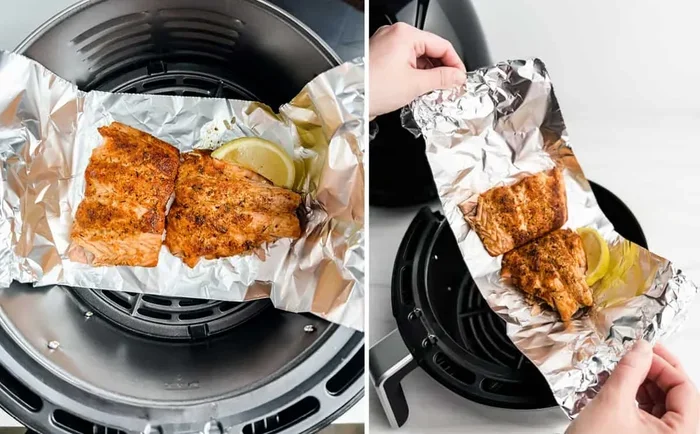
Combine salmon, asparagus, lemon slices, garlic, and a drizzle of olive oil on a foil sheet. Fold into a loose packet, poke holes, and air fry at 390 °F for 10‑12 minutes. The result: perfectly steamed fish with a lightly crisped top—no flipping required.
Crispy Toppings
Sprinkle panko breadcrumbs mixed with Parmesan over a casserole, then cover loosely with a foil tent. The foil traps just enough heat to melt the cheese while the fan crisps the crumbs. Remove the foil for the final two minutes for an extra golden crust.
Reheating Leftovers
Place a slice of pizza on a foil square, fold the edges up to form a shallow cup, and air fry at 350 °F for 3‑4 minutes. The foil prevents the crust from burning while the hot air revives the cheese’s stretch.
Conclusion
Tin foil can be a powerful ally in your air fryer when you respect the appliance’s need for unrestricted airflow. Cut the foil to size, poke a few holes, and never seal the basket completely. Avoid acidic foods directly on aluminum, and consider parchment or silicone for those dishes. Follow these guidelines and you’ll enjoy easier cleanup, new cooking techniques, and the same crispy, golden results that made you fall in love with air frying in the first place. Happy frying!
Frequently Asked Questions
Can I put a whole sheet of foil over the air fryer basket?
No. Covering the entire basket blocks the fan’s airflow, leading to uneven cooking and a potential fire hazard. Always leave space around the edges.
Is it safe to cook acidic foods like tomato sauce on foil in an air fryer?
Acidic foods can react with aluminum, causing a metallic taste and minimal aluminum transfer. For best flavor, use parchment paper or a silicone mat instead.
How many holes should I poke in the foil?
Eight to twelve small holes spread across the surface are enough to restore airflow while still catching drips.
Can I reuse foil in an air fryer?
Reusing foil is possible if it remains clean and intact, but crumpled or greasy foil can impede airflow. Fresh foil is recommended for each cook.
Will foil damage the non‑stick coating of my air fryer basket?
Foil itself won’t scratch the coating, but sharp edges or heavy scraping during removal can. Handle foil gently and avoid metal utensils on the basket.
What temperature limit should I observe when using foil?
Standard aluminum foil withstands temperatures well above typical air fryer settings (up to 1,200 °F). Keep the air fryer at or below its maximum rating, usually 400 °F, and you’ll be safe.