Can Foil Go in Air Fryer
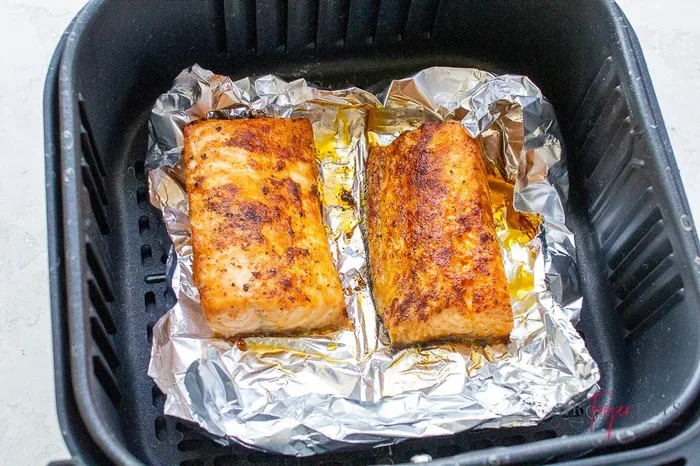
Featured image for can foil go in air fryer
Image source: airfryereats.com
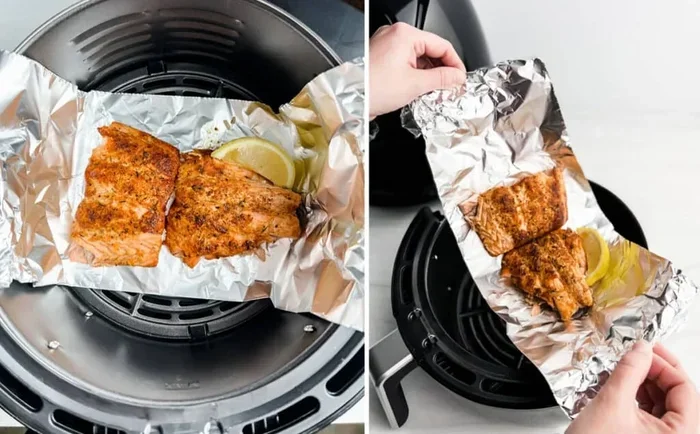
Yes, foil can go in an air fryer when used correctly. Place it only on the bottom of the basket or wrap food loosely so hot air still circulates. Avoid covering the heating element or blocking airflow, and never use foil with acidic foods that can cause a reaction.
If you have ever wondered can foil go in air fryer you are not alone. Many home cooks love the convenience of foil for easy cleanup, but they also worry about safety and cooking performance. The short answer is yes — foil works in an air fryer when you follow a few simple rules. In this guide we break down the science, share real‑world tips, and give you a checklist so you can use foil confidently every time you fire up the machine.
Air fryers rely on rapid hot‑air circulation to create a crispy exterior without deep‑fat frying. Anything that blocks that airflow — whether it is a thick layer of foil, a tightly sealed packet, or a piece that touches the heating coil — will reduce performance and can even cause a fire hazard. Understanding how the appliance moves air helps you decide where to place foil, how much to use, and which foods benefit most from a foil wrapper.
Key Takeaways
- Foil is safe in an air fryer if it does not touch the heating element or block the fan.
- Use heavy‑duty foil for better heat resistance and to prevent tearing.
- Leave space around the food so hot air can circulate and cook evenly.
- Do not line the entire basket with foil; a small piece under the food is enough.
- Avoid acidic ingredients like tomatoes or citrus directly on foil to prevent leaching.
- Pre‑heat the air fryer before adding foil‑wrapped items for consistent results.
- Clean foil residue promptly to keep the basket non‑stick and odor‑free.
📑 Table of Contents
How Air Fryers Circulate Heat
The Fan‑Driven Convection Principle
An air fryer is essentially a compact convection oven. A powerful fan sits above a heating element and pushes hot air down through the basket, around the food, and back up again. This constant motion creates the Maillard reaction — the browning that gives fried food its flavor — without submerging anything in oil.
Why Airflow Matters
When airflow is unrestricted, every surface of the food sees roughly the same temperature. If you cover the basket holes with foil, the fan cannot push air through those openings. The result is uneven cooking, soggy spots, and longer cook times. Think of it like a hair dryer: if you put your hand over the vent, the air slows down and the heat feels weaker.
When Foil Helps — And When It Hurts
Best Uses for Foil
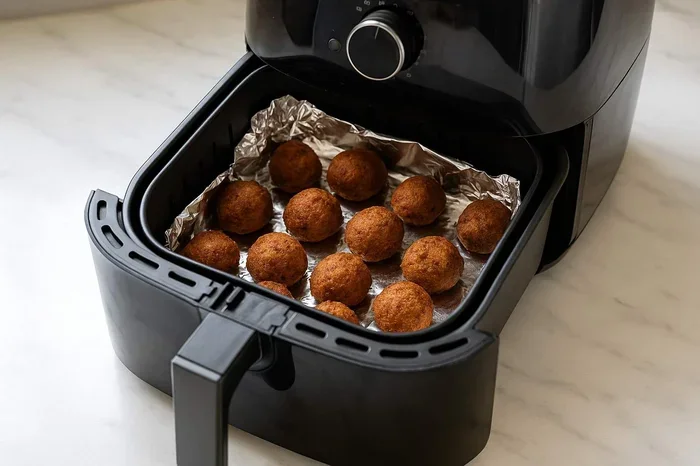
- Catch drippings: A single sheet under marinated chicken wings prevents sauce from burning onto the basket.
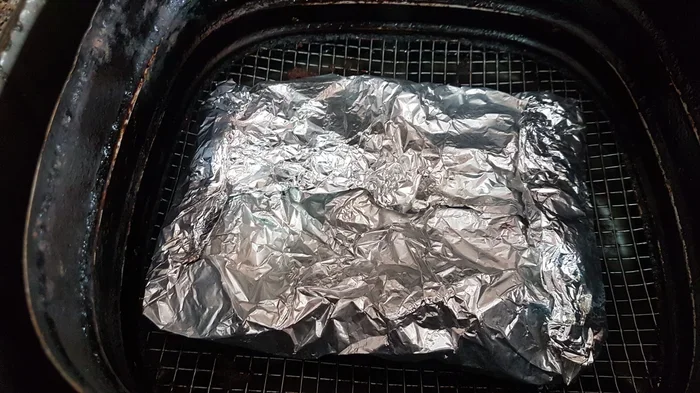
- Create a loose packet: Wrap fish fillets with herbs and a splash of wine; the foil traps steam while still letting hot air flow around the packet.
- Separate foods: Place a small foil divider between sweet potato fries and onion rings so flavors stay distinct.
Situations to Avoid
- Full‑basket lining: Covering the entire bottom blocks the majority of the vent holes.
- Touching the heating element: Foil that contacts the coil can melt, spark, or ignite.
- Acidic foods: Tomato‑based sauces or citrus marinades can react with aluminum, creating off‑flavors and tiny pits in the foil.
Step‑by‑Step: Safe Foil Placement
1. Choose the Right Foil
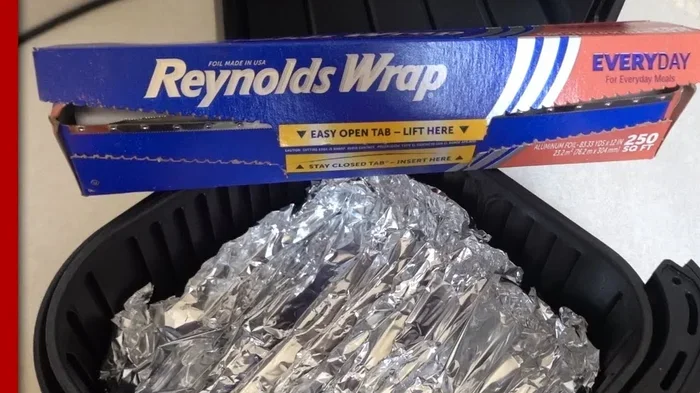
Heavy‑duty or “extra‑strong” foil resists tearing at temperatures up to 450 °F (232 °C). Standard household foil can rip when you lift a hot packet, spilling juices onto the heating element.
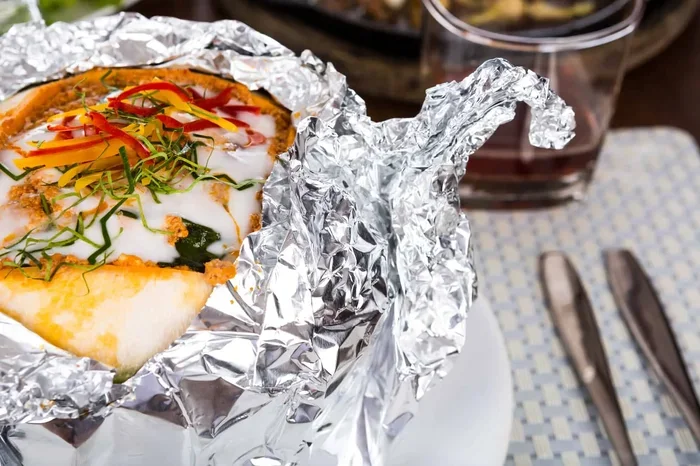
Visual guide about can foil go in air fryer
Image source: foodsguy.com
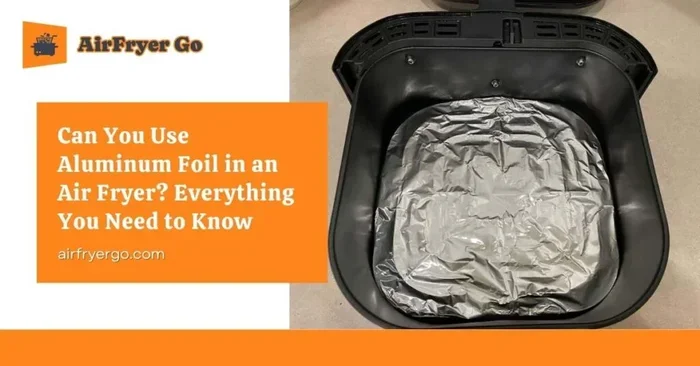
Visual guide about can foil go in air fryer
Image source: airfryergo.com
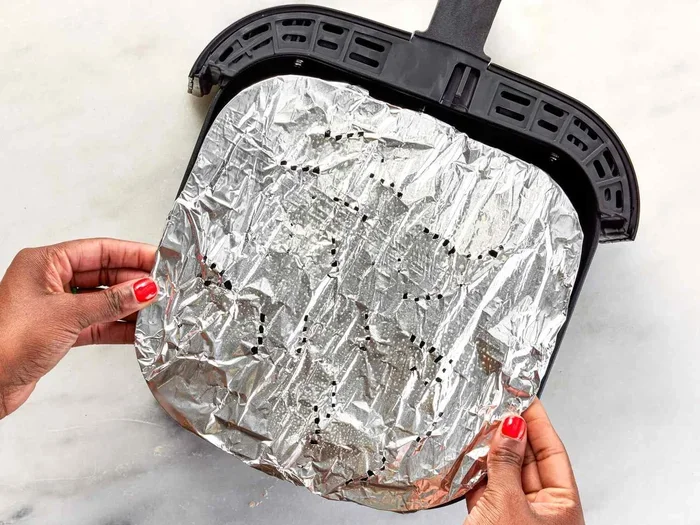
2. Cut a Piece Just Large Enough
Measure the food, add a one‑inch margin, and cut. A piece that extends beyond the basket edges can be sucked into the fan.
3. Place Foil on the Basket Bottom Only
Lay the sheet flat, smoothing out wrinkles. Do not fold the edges up the sides — those folds create pockets where air cannot reach.
4. Add Food, Then Optional Top Layer
If you want a loose tent, lay a second piece loosely over the food, leaving at least a half‑inch gap around the perimeter. This mimics a mini‑oven while preserving airflow.
5. Pre‑heat, Then Load
Most manufacturers recommend pre‑heating for 3‑5 minutes. Put the foil‑lined basket in after pre‑heat so the foil does not sit on a cold surface and warp.
6. Monitor the First Few Minutes
Watch for any foil fluttering toward the fan. If you see movement, gently press the foil down with a silicone spatula or reduce the fan speed if your model allows.
Common Myths Debunked
Myth 1: “Foil Will Melt Instantly”
Aluminum foil melts at 1,220 °F (660 °C). Air fryers top out around 400‑450 °F. The foil will not melt unless it touches the heating coil directly.
Myth 2: “You Can’t Use Foil With Any Oil”
A light spray of oil on the foil actually helps food release and improves browning. Just avoid pooling oil, which can drip onto the element.
Myth 3: “Foil Makes Food Soggy”
Only a sealed, tight packet traps steam. A loose tent or a single bottom sheet lets excess moisture escape, preserving crispness.
Expert Tips for Perfect Results
Use Parchment as a Foil Alternative
Parchment paper rated for 420 °F works similarly, is non‑reactive with acids, and often comes pre‑cut with perforated holes for airflow.
Double‑Layer for Extra Strength
When cooking heavy items like a whole chicken breast, two sheets overlapped give a sturdier base without blocking vents.
Season the Foil
Rub a tiny amount of oil and a pinch of salt on the foil before adding food. This creates a micro‑non‑stick surface and adds flavor to the crust.
Clean While Warm
After cooking, let the basket cool just enough to handle. Foil residue lifts off easier when the metal is still warm, saving scrubbing time.
Safety Checklist Before Every Cook
- Inspect foil for tears — discard any compromised pieces.
- Confirm foil does not touch the heating element or fan guard.
- Leave at least ½ inch clearance around all basket vents.
- Never use foil with a “no‑foil” warning in the manufacturer’s manual.
- Keep a fire‑extinguishing blanket nearby, just in case.
Conclusion
Using foil in an air fryer is perfectly safe when you respect the appliance’s need for airflow. A single, well‑placed sheet can simplify cleanup, protect delicate foods, and even improve flavor — provided you avoid covering vents, touching the heating coil, or sealing food too tightly. Follow the step‑by‑step placement guide, keep the safety checklist handy, and experiment with loose tents or parchment alternatives to find what works best for your favorite recipes. With these habits, you’ll enjoy crispy, evenly cooked meals and a spotless basket every time.
Frequently Asked Questions
Can I put aluminum foil directly on the heating element?
No. Foil that contacts the heating coil can melt, spark, or start a fire. Always keep foil at least a half‑inch away from the element.
Is it safe to cook acidic foods like tomato sauce on foil?
Acidic ingredients can react with aluminum, causing off‑flavors and tiny pits. Use parchment paper or a silicone mat for tomato‑based dishes.
How much foil should I use in the basket?
Only a single sheet that covers the bottom of the basket, or a loose tent over the food. Never line the entire basket or block the vent holes.
Can I reuse foil in an air fryer?
If the foil is clean, intact, and free of burnt residue, you can reuse it once. Discard any foil that is torn, heavily soiled, or discolored.
Does foil affect cooking time?
A loose foil tent may add 1‑2 minutes because it slightly reduces direct airflow. A bottom sheet alone usually has negligible impact on timing.
What is the best alternative to foil for easy cleanup?
Perforated parchment paper rated for high heat is the top alternative. It allows airflow, is non‑reactive, and often comes pre‑cut for popular air fryer models.