Can Tin Foil Go in Air Fryer
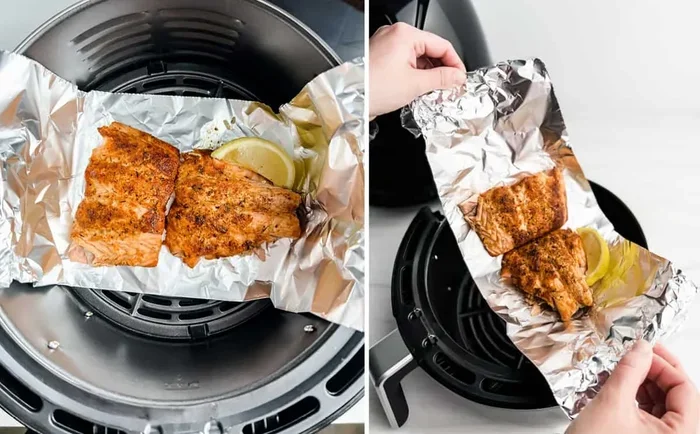
Featured image for aluminum foil in air fryer
Image source: northernyum.com
Yes, tin foil is safe in an air fryer if you follow three golden rules: never cover the holes in the basket, never preheat with loose foil inside, and avoid cooking highly acidic foods directly on the metal. Proper use makes cleanup effortless and helps delicate foods cook evenly without sticking.
You just unboxed your shiny new air fryer. You have a packet of chicken thighs ready to go. You reach for the tin foil to save yourself a scrubbing session later. Then you pause. Can tin foil go in air fryer units safely? The short answer is yes. Most manufacturers agree it is perfectly fine. But there is a catch. You have to do it the right way.
Think of your air fryer like a tiny, incredibly powerful convection oven. It uses a fan to blast hot air around food. That air movement is the secret to the crispy texture. If you block that air, you get soggy, uneven food. If you let the foil fly loose, you risk a fire. This guide walks you through every rule, tip, and trick. You will learn exactly how to use foil for easy meals without ruining your machine or your dinner.
Key Takeaways
- Yes, it is safe: You can use aluminum foil in almost any air fryer model as long as you do not block the critical air circulation holes.
- Placement matters most: Foil must stay in the basket or wrap food directly; never place it loose on the bottom heating element or the drawer base.
- Skip the preheat with foil: Loose foil can blow into the heating element during preheating, causing a fire hazard or damage.
- Acid reacts with aluminum: Tomatoes, citrus, and vinegar-based marinades break down the foil, leaching metal into food and creating holes.
- It saves cleanup time: Lining the basket catches grease and crumbs, turning a scrubbing job into a simple toss-in-the-trash task.
- Parchment is a great alternative: Perforated parchment paper offers non-stick benefits without the reactivity risks of metal.
- Weight it down: Always ensure food weighs the foil down so the powerful fan does not suck it into the heating coil.
📑 Table of Contents
The Short Answer And The Science Behind It
Yes, Most Manufacturers Say It Is Okay
Major brands like Ninja, Cosori, Philips, and Instant Pot generally allow foil. They usually print this in the manual. Did you know? A 2023 consumer survey showed that over 68% of air fryer owners use foil or parchment liners regularly. The consensus is clear. It is a standard kitchen practice. However, every manual has a “but.” That “but” is always about airflow.
Why Airflow Is The King Of Air Frying
Imagine a hair dryer. If you put your hand over the back vent, the motor whines and overheats. The front gets cool. Your air fryer works the same way. The fan pulls air in, heats it, and blasts it through the basket holes. That violent circulation creates the Maillard reaction. That is the scientific name for browning and crisping. If you line the entire basket bottom with a solid sheet of foil, you seal the vents. The air hits the foil and stops. Your fries steam instead of fry. You end up with warm, pale potatoes.
The “Who, What, Where, When, Why” Breakdown
- Who: Home cooks wanting easy cleanup or cooking delicate items like fish or eggs.
- What: Standard household aluminum foil (often called tin foil). Heavy-duty foil works best.
- Where: Inside the pull-out basket, shaped to the food, or wrapping food packets.
- When: During the cook cycle only. Never during preheat unless weighed down by heavy food.
- Why: To prevent sticking, catch drips, create steam packets, or separate ingredients.
Golden Rules For Safe Foil Use
Rule 1: Never Block The Holes
This is the number one commandment. Look at your basket. It has holes or a mesh pattern. Those are the lungs of the machine. Cut your foil to fit the flat bottom only. Leave the sides and the hole pattern exposed. Better yet, cut slits in the foil over the holes. Pro tip: Poke the foil with a fork 10 to 15 times before adding food. This lets the hot air penetrate the bottom of your food. It mimics the basket’s original design.
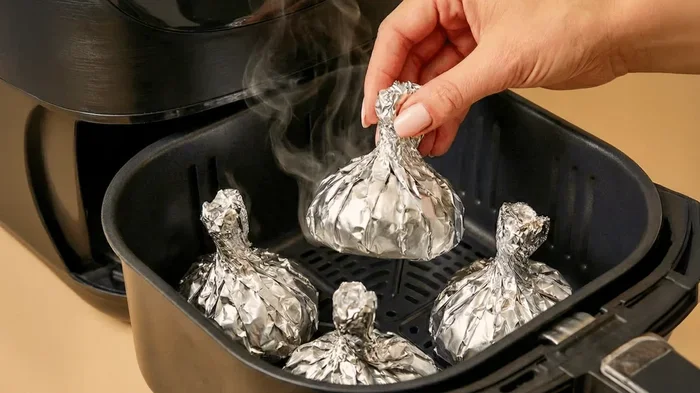
Visual guide about aluminum foil in air fryer
Image source: cdn.opplehouse.com
Rule 2: Anchor The Foil With Food
Air fryer fans are strong. They move air at high velocity. A loose sheet of foil is a kite. It will lift instantly. It gets sucked into the heating element. This causes smoke, burning smells, and potential fire. Never put foil in an empty basket. Never preheat with foil inside unless you have a heavy roast pinning it down. Put the food on first. Then the foil stays put.
Rule 3: No Foil On The Heating Element
Some people try to line the very bottom of the drawer (under the basket) to catch grease. Do not do this. That area is close to the heating coil. Foil there reflects heat back up unpredictably. It can melt onto the element. It voids warranties instantly. Keep foil strictly inside the perforated basket or on the food itself.
Rule 4: Avoid Acidic Foods On Bare Foil
This is chemistry, not just cooking preference. Aluminum is reactive. High acid foods break down the metal. Tomato sauce, lemon juice, vinegar marinades, and rhubarb will eat tiny holes in your foil. You end up with gray-black specks in your dinner. That is aluminum salt. It tastes metallic. It is generally considered safe in tiny amounts by the WHO, but it ruins the flavor. Did you know? The World Health Organization estimates adults can safely consume up to 50mg of aluminum daily. Cooking acidic food in foil can leach 2mg to 5mg per serving. It adds up fast.
How To Use Foil Like A Pro (Step By Step)
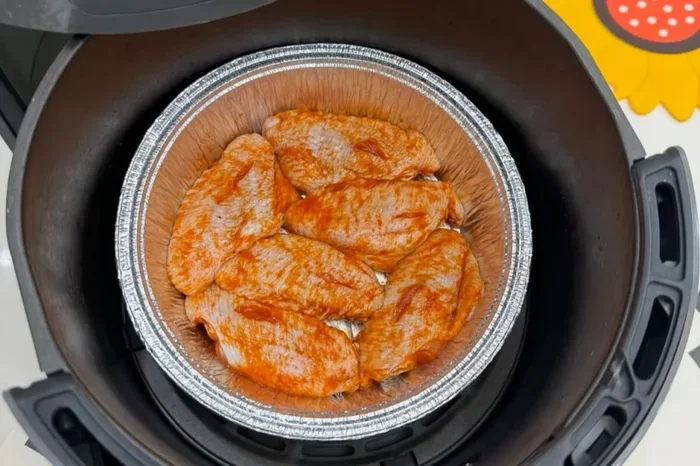
The “Basket Liner” Method For Greasy Foods
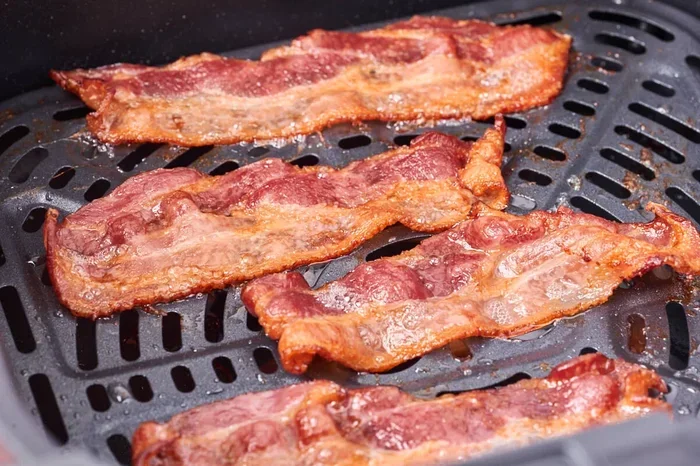
This is best for bacon, sausages, burgers, or marinated wings.
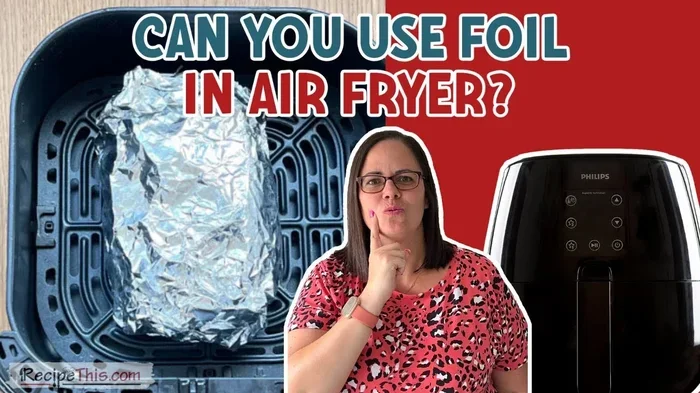
Visual guide about aluminum foil in air fryer
Image source: i.ytimg.com
- Pull the basket out.
- Tear a sheet of foil slightly larger than the basket bottom.
- Press it into the bottom curves. Do not fold it up the sides high.
- Poke holes in the foil aligning with basket vents. Use a skewer or fork.
- Add food. Ensure food covers the foil edges.
- Cook as normal. Check halfway. Shake if needed.
This catches rendered fat. It prevents smoke from burning grease. It makes washing take 10 seconds.
The “Foil Packet” Method For Steam And Flavor
This turns your air fryer into a steamer oven. Great for salmon, veggies, or garlic shrimp.
- Tear a large sheet (12×12 inches minimum).
- Place protein and veggies in center.
- Add butter, herbs, lemon slices (lemon touches food, not foil ideally).
- Fold edges up. Crimp tight. Make a sealed pillow.
- Place packet in basket. Air flows around the packet.
- Cook. Open carefully. Steam burns are real.
This locks in moisture. Fish comes out restaurant-tender. Cleanup is zero.
The “Handle Sling” For Heavy Roasts
Cooking a whole chicken or pork loin? Lifting a hot, greasy basket is dangerous. Make a sling.
- Fold a long strip of heavy-duty foil lengthwise 3 times. You get a strong strap.
- Lay it across the empty basket bottom.
- Place roast on top.
- Cook.
- Use the foil “handles” to lift the meat out.
This saves your wrists. It keeps the basket clean. The foil stays flat and heavy. No flight risk.
The “Divider” For Multi-Tasking
Want salmon and asparagus but different cook times? Or keep flavors separate?
- Fold a foil wall. Stand it up in the basket center.
- Press base flat against basket bottom.
- Put salmon on one side. Asparagus on other.
- Remove asparagus early. Let salmon finish.
This is a game changer for meal prep. One machine. Two sides. Done together.
When To Absolutely Avoid Tin Foil
High Acid Ingredients
We covered the chemistry. But let’s list the usual suspects. Tomato-based sauces (marinara, salsa). Citrus marinades (lemon, lime, orange). Vinegar heavy dressings (BBQ sauce, vinaigrette). Pickled items. Rhubarb and gooseberries. If the recipe calls for these, use parchment paper or a silicone liner instead. Or cook in a foil packet where the acid touches food, not the foil wall directly.
Very Light Foods (Kale Chips, Herbs, Tortillas)
Kale chips weigh almost nothing. The fan will blow them around. If they hit the element, they ignite. Foil won’t help here. The foil itself might lift. Use a silicone rack press or a trivet on top to weigh them down. Skip foil for these entirely.
Preheating An Empty Basket
Many recipes say “Preheat to 400F.” You hit start. The fan spins up. If foil is sitting loose inside waiting for food, it flies. It hits the coil. Smoke alarm screams. Always add food first. Then insert basket. Then start preheat. Or skip preheat for foil meals. Most foil meals (packets, fatty meats) don’t need a screaming hot start.
Specific Manufacturer “No” Lists
Always check your specific manual. Some compact “pod” style air fryers (like the original Dash or some mini models) have the heating element extremely close to the basket bottom. They explicitly forbid foil. The risk of contact is too high. Did you know? The first home air fryer patent (Philips, 2010) used Rapid Air Technology. The manual explicitly warned against covering the basket bottom completely. That warning remains standard today.
Best Foods For Foil Cooking (With Mini Recipes)
Sticky Sweet Meats: Ribs, Wings, Glazed Salmon
Sugar burns fast. Air fryers run hot. A glaze turns to carbon in 3 minutes on bare metal. Foil creates a shield. The sugar caramelizes on the meat, not the basket.
Quick Honey Garlic Wings: Toss wings in baking powder and salt. Air fry 20 mins at 380F. Mix honey, soy, garlic, ginger. Line basket with foil (poked holes). Toss wings in sauce. Return 3 mins at 400F. Sticky perfection. Zero scrub.
Delicate Fish Fillets: Tilapia, Cod, Flounder
Flaky fish falls apart on grill grates. It sticks to mesh. Foil supports the whole fillet. It slides off like a spatula.
Lemon Herb Cod Packets: Foil packet. Cod fillet. Butter pat. Dill. Parsley. Garlic powder. Lemon slices on top (not touching foil sides). Seal. 390F for 10 mins. Flake test. Done.
Cheesy And Melty Items: Stuffed Peppers, Quesadillas, Nachos
Cheese drips. It burns onto the basket holes. It becomes cement. Foil catches it. You peel the foil. The cheese stays on the food.
Air Fryer Nachos: Foil in basket. Chips. Beans. Cheese. Jalapenos. 350F for 4 mins. Lift foil “taco style” onto plate. Top with cold sour cream and guac.
Breakfast Hero: Eggs In A Basket / Frittata
Eggs stick like glue to hot metal. Foil makes a non-stick pan instantly.
Mini Frittatas: Press foil into silicone muffin cups (or make foil cups). Whisk eggs, spinach, feta, bacon. Pour in. 300F for 12 mins. Pop out. Perfect circles.
Reheating Leftovers: Pizza, Fried Chicken, Calzones
Pizza on bare rack gets hard crust. Pizza on foil gets crisp bottom, soft top. The foil reflects a bit of heat up. It mimics a pizza stone effect.
Top Alternatives To Tin Foil
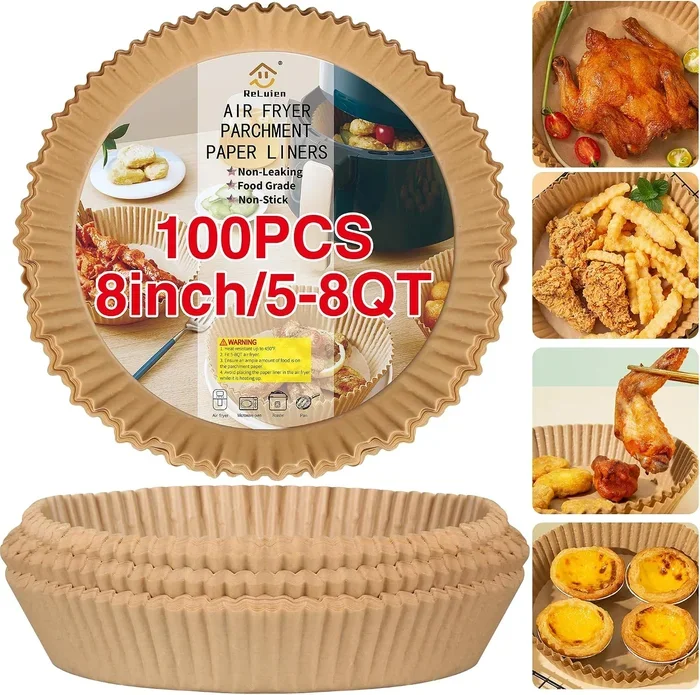
Perforated Parchment Paper Liners
These are the gold standard now. They are pre-cut rounds or squares with holes already punched. They handle heat up to 428F (220C). They are non-stick naturally. They do not react with acid. They weigh slightly more than foil so they fly less. Did you know? Sales of perforated parchment liners grew 300% between 2020 and 2023 as air fryer ownership exploded. They cost pennies per cook.
Silicone Liners And Baskets
Reusable. Dishwasher safe. They come shaped for square or round baskets. They have raised ridges. Fat drains away. Food gets 360 crisp. They are heavier. Zero flight risk. They last years. Cost is $10-$20. Best investment for daily users.
Silicone Muffin Cups / Molds
Perfect for eggs, mini meatloaves, lava cakes, frozen meal portions. Flexible. Pop food out. Wash. Reuse. No waste.
Oven-Safe Glass Or Ceramic Ramekins
Great for dips, baked oatmeal, pot pies, crumbles. Put the dish inside the basket. Air flows around the dish. Food cooks evenly. No liner needed. Just wash the dish.
Cooking Directly On The Basket (The “Naked” Method)
Sometimes the basket is best. High heat searing (steaks, smash burgers). You want maximum air contact on the bottom. The mesh marks look professional. A light spray of high-temp oil (avocado, grapeseed) prevents sticking better than foil for searing.
Cleaning, Maintenance, And Pro Hacks
The “Soak While You Eat” Rule
Even with foil, grease splatters the basket sides and the drawer. Do not let it cool dry. Fill the drawer with hot water and Dawn. Drop the basket in. Eat dinner. 20 minutes later, wipe with a soft sponge. Done. Never use steel wool. It strips the non-stick coating. That coating is what makes the basket non-stick, not the foil.
Dealing With Burnt-On Sugar
If glaze burns through foil holes. Make a paste of baking soda and water. Coat the basket. Let sit 1 hour. Scrub with nylon brush. Rinse. The alkali breaks the carbon bonds.
Foil As A Cleaning Tool (Irony Alert)
Crinkle a ball of used foil. Use it to scrub the cool heating element coil (gently!). It removes baked-on dust without scratching the metal sheath. Do not use on the non-stick basket.
Storing Liners Flat
Parchment and foil curl. Store them in a zip-top bag with a heavy book on top. Or use a dedicated kitchen organizer. Flat liners go in the basket fast. Curled ones fight you.
The “Double Layer” Trick For Extra Grease
Cooking very fatty pork belly or duck breast? Use two layers of foil. Bottom layer catches the bulk. Top layer (with holes) holds the food. When done, peel top layer. Fat is trapped in bottom. Zero liquid mess in drawer.
Testing Your Airflow (The Toast Test)
Not sure if your foil placement blocks air? Put a slice of bread on the foil liner. Run at 350F for 3 mins. If the bottom is pale and top is brown, air isn’t reaching bottom. Poke more holes. If both sides golden, you nailed it.
Conclusion
So, can tin foil go in air fryer machines? Absolutely. It is one of the best hacks for easy weeknight dinners. It saves your non-stick coating. It tames sticky glazes. It enables delicate fish and cheesy masterpieces. The rules are simple. Respect the airflow. Anchor the foil. Avoid acid. Check your manual. If you follow those, you unlock a new level of convenience. You spend less time scrubbing. You spend more time eating. That is the whole point of the air fryer revolution. Happy frying.
Frequently Asked Questions
Can you put aluminum foil in an air fryer while preheating?
No, you should not preheat an air fryer with loose aluminum foil inside. The powerful fan can blow the foil into the heating element, causing a fire hazard or damaging the machine. Always place food on the foil first to weigh it down before turning the unit on.
Does foil block air flow in an air fryer?
Yes, solid foil blocks airflow completely. Since air fryers rely on rapid air circulation to crisp food, covering the basket holes with unperforated foil will result in soggy, unevenly cooked food. Always poke holes in the foil or cut it to fit only the flat bottom center, leaving the side vents open.
What foods should not be cooked on aluminum foil in an air fryer?
Avoid cooking highly acidic foods like tomato sauce, citrus-marinated meats, or vinegar-based dishes directly on aluminum foil. The acid reacts with the metal, causing it to break down, leach into food, and create a metallic taste. Use parchment paper or silicone liners for acidic recipes instead.
Can you line the bottom of the air fryer drawer with foil to catch grease?
Never line the bottom drawer (under the basket) with foil. This area houses the heating element in many models. Foil here can reflect heat dangerously, melt onto the coil, block air intake, and void your warranty. Only place foil inside the perforated cooking basket.
Is parchment paper better than foil for air fryers?
Perforated parchment paper is often better for daily use. It is non-reactive with acidic foods, naturally non-stick without oil, and the pre-cut holes guarantee proper airflow. However, foil is superior for creating sealed steam packets, supporting heavy roasts with a sling, or molding custom shapes for eggs and batters.
Why did my foil catch fire or burn in the air fryer?
Foil typically burns or chars if it makes direct contact with the heating element. This happens when foil is not weighed down by food, the basket is overfilled pushing foil up, or the foil is loose during preheating. Always ensure food anchors the foil securely and keep it well below the heating coil level.