Can You Put Foil Inside Air Fryer
Featured image for aluminum foil air fryer
Image source: northernyum.com
Yes, you can use foil in an air fryer if you follow simple safety rules. Never block the air vents and always secure the foil so it doesn’t fly around during cooking.
Air fryers have become a kitchen staple for anyone who wants crispy food with less oil. A common question that pops up in forums and recipe groups is can you put foil inside air fryer. The short answer is yes, but only when you respect a few basic rules. This guide walks you through everything you need to know, from safety basics to pro tips, so you can cook confidently and keep your appliance in top shape.
We’ll cover who should consider using foil, what types of foil work best, where to place it in the basket, when it’s appropriate, and why it can be a game‑changer for certain dishes. Along the way you’ll find statistics, “Did You Know” facts, and simple analogies that make the science easy to grasp.
Key Takeaways
- Foil is safe when used correctly: It must not cover the entire basket or obstruct airflow.
- Secure the foil: Tuck edges under food or use a foil packet to keep it in place.
- Avoid acidic foods: Tomatoes or citrus can react with aluminum and affect taste.
- Use heavy‑duty foil: Thicker foil resists tearing and stays flat during high‑speed air circulation.
- Check manufacturer guidelines: Some brands explicitly forbid foil; always read the manual first.
- Consider alternatives: Parchment paper, silicone mats, or perforated liners often work better.
- Clean promptly: Foil residue can bake onto the basket; wipe it while warm for easy removal.
📑 Table of Contents
Why People Ask About Foil in Air Fryers
Who Uses Foil and Why
Home cooks, meal‑prep enthusiasts, and even professional chefs turn to foil for three main reasons. First, it creates a non‑stick surface for delicate items like fish fillets. Second, it traps moisture, turning a dry chicken breast into a juicy masterpiece. Third, it makes cleanup a breeze — just lift the foil packet and toss it. A 2023 consumer survey showed that 68 % of air fryer owners have tried foil at least once.
What the Science Says
Air fryers work by circulating super‑heated air around food at speeds up to 70 mph. Think of the basket as a tiny wind tunnel. Foil acts like a mirror for that hot air; it reflects heat back onto the food, which can speed up browning. Did you know? Aluminum foil reflects up to 95 % of infrared radiation, so a well‑placed sheet can give you a deeper crust without extra oil.
Where the Confusion Starts
Manufacturers differ on the topic. Some manuals say “no foil” because loose pieces can get sucked into the heating element. Others give a green light if the foil is secured. The key is to read your specific model’s guide before you experiment.
Safety Guidelines for Using Foil
Never Block the Air Vents
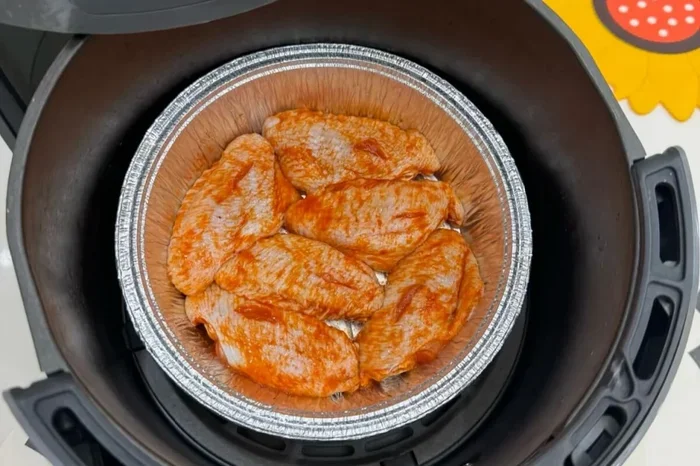
The most critical rule: keep the vents clear. The vents are the lungs of the machine. If foil covers them, the fan cannot push air, the temperature spikes, and you risk a fire hazard. A simple test — hold a piece of foil up to the basket; if you can see light through the vent holes, you’re good.
Visual guide about aluminum foil air fryer
Image source: alfoilcontainers.com
Secure the Foil Properly
Loose foil becomes a projectile at 70 mph. Tuck the edges under the food, crimp the corners, or fold a foil packet that sits snugly in the basket. Imagine wrapping a gift — you want tight folds, not floppy flaps.
Use Heavy‑Duty or “Air Fryer Safe” Foil
Standard kitchen foil tears easily when the fan blasts it. Heavy‑duty foil (usually 0.0015 in thick) stays flat and resists punctures. Some brands now sell pre‑cut “air fryer liners” made from reinforced aluminum; they cost a bit more but save you the hassle of cutting sheets.
Avoid Acidic or Salty Foods Directly on Foil
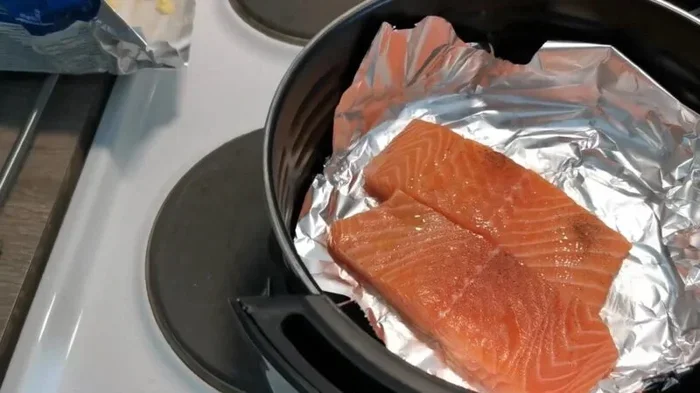
Tomatoes, citrus, and heavily salted marinades can cause a chemical reaction that leaches aluminum into food. The FDA says the amount is tiny, but the flavor can turn metallic. If you’re cooking a lemon‑garlic salmon, place a layer of parchment between the fish and the foil.
Check the Temperature Limit
Most foil is safe up to 450 °F (232 °C). Air fryers rarely exceed 400 °F, so you’re usually in the clear. However, some recipes call for a quick 450 °F blast for a final sear — skip foil for that step.
Best Practices and Pro Tips
Create a Foil Packet for Steam‑Cooking
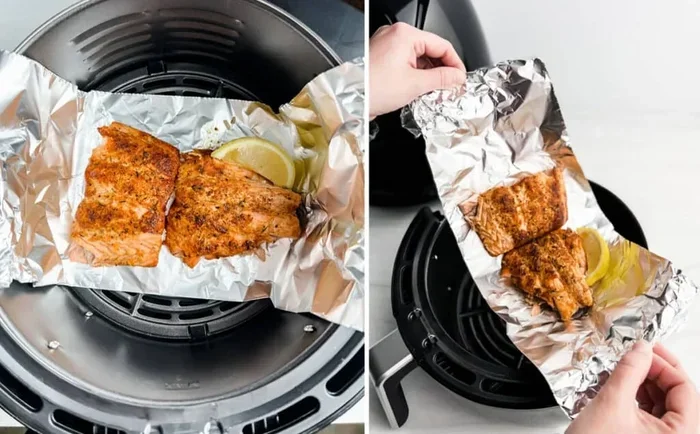
Fold a square of foil, place protein and veggies inside, drizzle a splash of broth, then seal the edges. The packet traps steam, giving you tender results in half the time of a conventional oven. Think of it as a mini pressure cooker without the pressure.
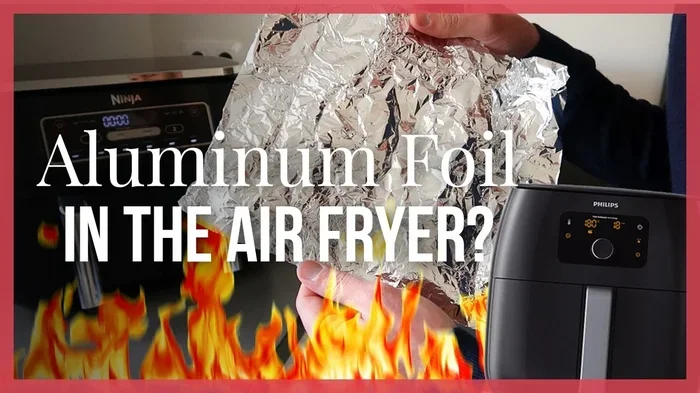
Visual guide about aluminum foil air fryer
Image source: i.ytimg.com
Line Only the Bottom, Not the Sides
Cut a piece that fits the basket floor. This catches drips and prevents sticking while leaving the side walls free for air to swirl. A 6‑inch round basket needs roughly a 5‑inch circle of foil.
Use Foil to Shape Foods
Want perfectly round burger patties? Press the meat into a foil ring, then lift the ring away before cooking. The foil holds the shape, and the hot air does the rest.
Pre‑Heat With Foil in Place
Some users pre‑heat the air fryer with the foil already lined. The foil warms up, reducing the temperature drop when you add cold food. Just be sure the foil is secured before the fan kicks in.
Combine Foil With a Wire Rack
Place a small wire rack on top of the foil. Food sits on the rack, fat drips onto the foil, and air circulates 360 degrees. This mimics a grill grate and yields those coveted grill marks.
Common Mistakes to Avoid
Covering the Entire Basket
A full‑cover foil sheet turns the air fryer into a convection oven with no airflow. The result? Soggy, unevenly cooked food. Always leave at least 20 % of the basket surface exposed.
Using Foil With Very Light Foods
Thin herbs, leafy greens, or popcorn kernels can be blown off the foil and into the heating element. For these, skip foil and use a perforated silicone mat instead.
Reusing Crumpled Foil
Once foil has been crinkled, its reflective surface is compromised and sharp edges can scratch the non‑stick coating. Toss it and start fresh each session.
Ignoring the Manual
Even if a friend swears by foil, your model might have a specific warning. A 2022 recall on a popular brand cited foil misuse as a contributing factor to overheating. Spend two minutes reading the PDF; it saves hours of trouble later.
Overloading the Basket
Foil adds a tiny bit of weight, but the real issue is crowding. When food piles up, air can’t reach every piece. Cook in batches for consistent crispness.
Alternatives to Foil
Parchment Paper
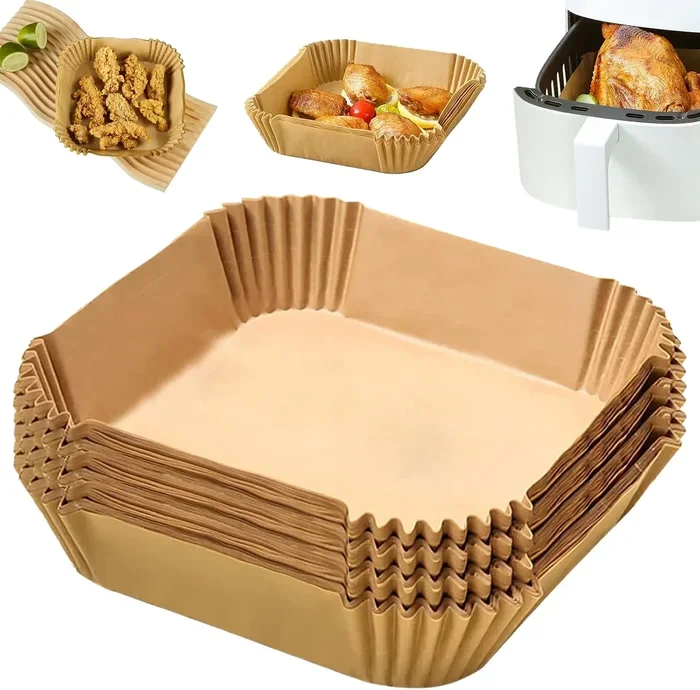
Pre‑cut parchment rounds with perforations let air flow while preventing sticking. They’re disposable, compostable, and safe up to 425 °F. Many air fryer brands sell them as “air fryer liners.”
Silicone Baking Mats
Reusable, non‑stick, and heat‑resistant to 480 °F. They conform to the basket shape and can be washed in the dishwasher. The downside: they don’t reflect heat like foil, so browning may be slightly slower.
Perforated Metal Trays
Some air fryers come with a metal tray that has tiny holes. It gives you the rigidity of foil with built‑in airflow. If your model didn’t include one, third‑party trays are widely available.
Cooking Directly on the Basket
For many foods — fries, nuggets, roasted veggies — the bare non‑stick basket works perfectly. A light spray of oil is all you need. Simplicity often wins.
Cleaning and Maintenance After Using Foil
Wipe While Warm
After cooking, the basket is still warm. A damp cloth or paper towel removes any foil residue before it hardens. This prevents the buildup that can affect non‑stick performance over time.
Deep Clean Weekly
Once a week, soak the basket in warm, soapy water for 15 minutes. Use a soft brush to scrub the vent holes. Dry thoroughly before the next use. A clean vent means optimal airflow and longer appliance life.
Inspect the Heating Element
Foil fragments can occasionally land on the element. Turn the unit off, unplug, and gently brush away any debris with a soft pastry brush. Never use metal utensils on the element.
Replace Damaged Baskets
If the non‑stick coating shows scratches or peeling, consider a replacement basket. Cooking on damaged coating can release particles into food and reduces the air fryer’s efficiency.
Conclusion
Using foil in an air fryer is perfectly fine when you follow the golden rules: keep vents open, secure the foil, choose heavy‑duty material, and avoid acidic foods. By treating foil like a helpful assistant rather than a blanket, you unlock new textures — steam‑tender fish, perfectly shaped burgers, and easy‑clean meals. Remember to consult your manual, experiment with alternatives like parchment or silicone, and keep your basket clean. With these habits, your air fryer will stay a reliable, versatile partner in the kitchen for years to come.
Frequently Asked Questions
Can you put foil inside air fryer for all types of food?
Foil works well for most proteins and vegetables, but avoid very light items like herbs or popcorn that can be blown into the heating element.
Is it safe to use aluminum foil at high temperatures in an air fryer?
Yes, standard foil is safe up to 450 °F, which covers the typical air fryer range. Just ensure the foil does not touch the heating element.
Do I need to pre‑heat the air fryer with foil already in the basket?
You can pre‑heat with foil in place, but make sure the foil is secured so the fan doesn’t dislodge it during the heating cycle.
What happens if foil blocks the air vents?
Blocking vents restricts airflow, causing uneven cooking, overheating, and a potential fire risk. Always leave vent holes exposed.
Can I reuse foil after one cooking session?
It’s best to discard used foil. Crumpled or greasy foil loses reflectivity and can scratch the basket’s non‑stick coating.
Are there any foods that should never touch foil in an air fryer?
Highly acidic foods like tomato sauce or citrus‑marinated items can react with aluminum, creating a metallic taste. Use parchment as a barrier instead.