Can You Cook Bacon in an Air Fryer
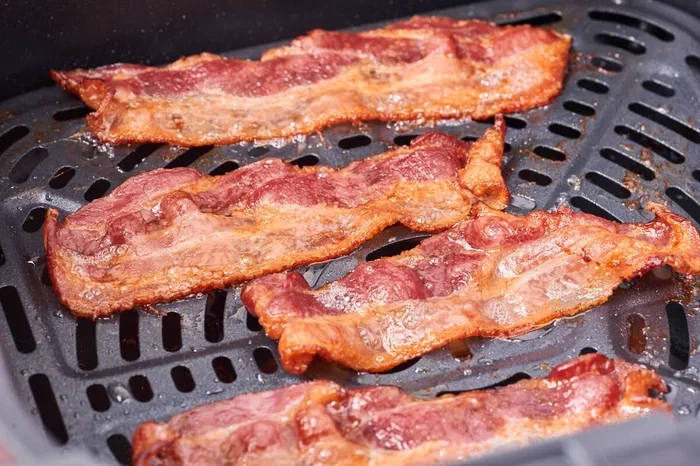
Featured image for crispy bacon air fryer
Image source: danishfoodlovers.com
Cooking bacon in an air fryer is easy, quick, and yields evenly crisp strips with far less splatter than a skillet. Set the air fryer to 350 °F, arrange bacon in a single layer, and cook 8‑12 minutes, flipping halfway. Drain excess fat, and enjoy perfectly cooked bacon every time.
If you have ever stood over a sputtering skillet, dodging hot grease while trying to flip bacon, you know the struggle. The air fryer changes that story. It uses rapid hot‑air circulation to cook food from all sides, giving you that coveted crunch without the mess. In this guide we answer the burning question: can you cook bacon in an air fryer? Spoiler alert—yes, and it might become your new favorite method.
We’ll walk through why the air fryer works so well for bacon, the exact temperature and time settings, how to avoid common pitfalls, and a few creative ways to use your perfectly cooked strips. Whether you’re a breakfast enthusiast, a meal‑prep pro, or just someone who loves a good BLT, this article has everything you need.
Key Takeaways
- Air fryer bacon cooks faster: 8‑12 minutes versus 15‑20 minutes on the stove.
- Less mess: The basket catches grease, reducing splatter and cleanup.
- Even crispness: Hot circulating air cooks each strip uniformly.
- Health‑friendly: Excess fat drips away, lowering overall fat content.
- Batch flexibility: Cook 4‑6 strips at once; larger batches need multiple rounds.
- Temperature matters: 350 °F (175 °C) is the sweet spot for crisp without burning.
- Safety first: Use tongs and let the basket cool before handling hot grease.
📑 Table of Contents
- Why the Air Fryer Is a Bacon Game‑Changer
- Choosing the Right Bacon for Air Frying
- Step‑by‑Step: How to Cook Bacon in an Air Fryer
- Pro Tips for Perfect Air Fryer Bacon Every Time
- Creative Ways to Use Air Fryer Bacon
- Common Mistakes and How to Avoid Them
- Health Perspective: Is Air‑Fried Bacon Healthier?
- Cleaning and Maintenance for Longevity
- Frequently Asked Questions About Air Fryer Bacon
- Conclusion
Why the Air Fryer Is a Bacon Game‑Changer
Rapid, Even Heat
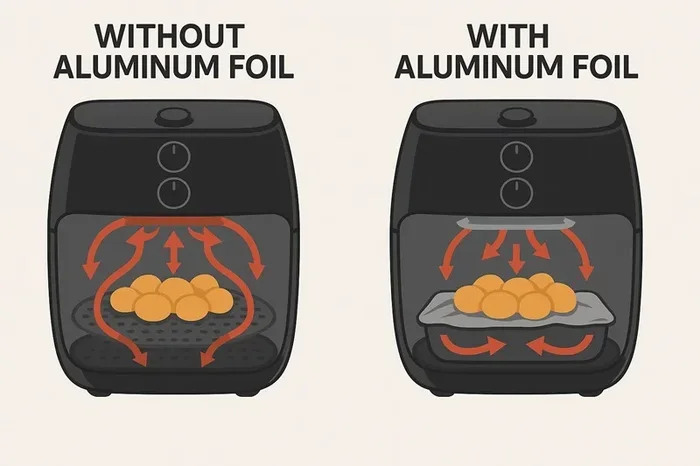
An air fryer is essentially a compact convection oven. A powerful fan forces hot air around the food, cooking it from every angle. For bacon, that means each strip gets the same amount of heat, eliminating the dreaded “one side burnt, the other floppy” problem.
Grease Management
Traditional pan‑frying leaves a pool of rendered fat that can splatter onto your stovetop, countertop, and even your arms. The air fryer’s basket has a perforated bottom; fat drips through into a removable tray. You end up with crisp bacon and a clean kitchen.
Speed and Energy Efficiency
Most air fryers preheat in under three minutes. Cooking bacon takes 8‑12 minutes total, compared with 15‑20 minutes on a stove. Because the appliance is smaller, it uses less electricity—about 0.5 kWh per batch versus 1.2 kWh for a full‑size oven.
Did You Know?
According to a 2023 consumer survey by the National Kitchen Appliance Association, 68 % of air fryer owners reported cooking bacon at least once a week, citing “less mess” as the top reason.
Choosing the Right Bacon for Air Frying
Thickness Matters
Standard‑cut bacon (about 1/16 inch thick) cooks perfectly in 8‑10 minutes. Thick‑cut or “slab” bacon needs 11‑13 minutes. Thin‑cut or “center‑cut” bacon can be done in as little as 6‑7 minutes, but watch closely—it burns fast.
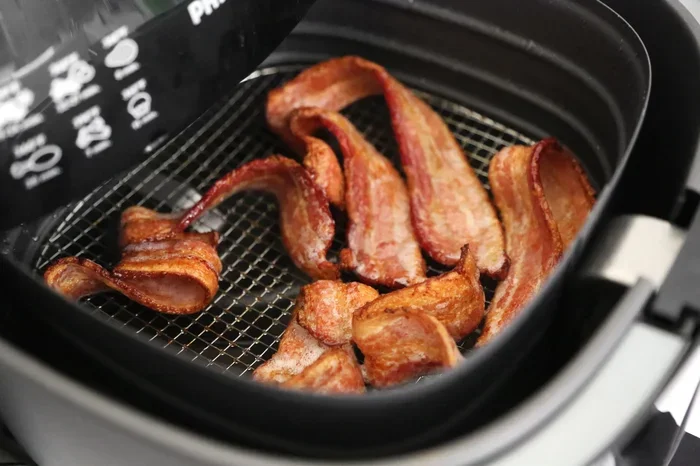
Visual guide about crispy bacon air fryer
Image source: media1.popsugar-assets.com
Cured vs. Uncured
Both cured (with nitrates) and uncured (often labeled “no nitrates added”) work. Uncured bacon sometimes contains more water, so it may release a bit more steam initially. Pat the strips dry with paper towels before loading the basket to improve crispness.
Flavored Varieties
Maple, peppered, applewood‑smoked—any flavor works. Just remember that added sugars (like maple) can caramelize faster, so shave a minute off the cook time and keep an eye on the color.
Step‑by‑Step: How to Cook Bacon in an Air Fryer
1. Preheat the Air Fryer
Set the temperature to 350 °F (175 °C) and let it run for 2‑3 minutes. Preheating ensures the bacon hits hot air immediately, jump‑starting the rendering process.
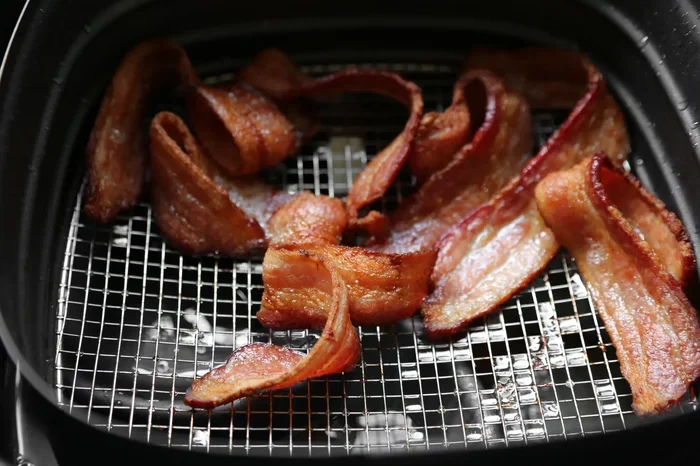
Visual guide about crispy bacon air fryer
Image source: media1.popsugar-assets.com
2. Arrange the Strips
Lay bacon in a single layer on the basket. Overlap is okay if you’re cooking a small batch, but for the best airflow keep gaps between strips. A typical 5‑quart basket holds 4‑6 standard strips comfortably.
3. Cook and Flip
Cook for 4‑5 minutes, then open the basket and flip each strip with tongs. This promotes even browning on both sides. Continue cooking another 4‑7 minutes, checking at the 8‑minute mark for desired crispness.
4. Drain and Rest
Transfer bacon to a paper‑towel‑lined plate. Let it rest 1‑2 minutes; the residual heat finishes the crisping while excess grease absorbs into the towel.
5. Clean Up
While the basket is still warm (but not scorching), pour the collected grease into a heat‑safe container. Most air fryer baskets are dishwasher‑safe, making cleanup a breeze.
Pro Tips for Perfect Air Fryer Bacon Every Time
Use a Rack or Parchment
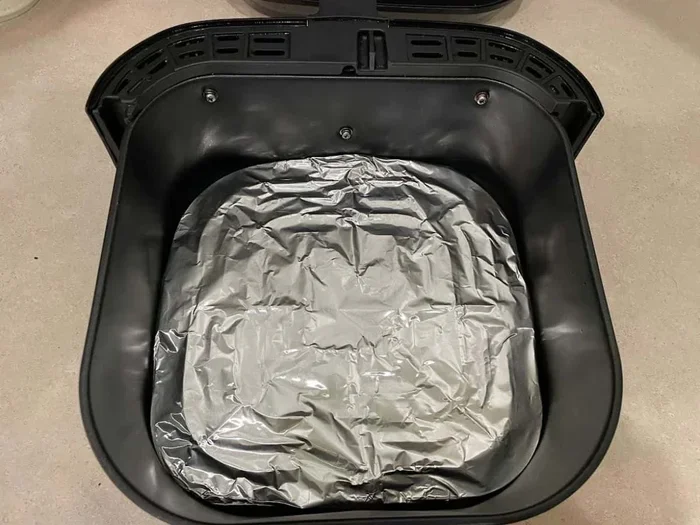
If your air fryer came with a rack, place bacon on it. The elevated position lets fat drip away more efficiently. No rack? Cut a piece of parchment paper to fit the basket—just make sure it’s perforated or you’ll trap steam.
Don’t Overcrowd
Air fryers rely on circulation. Packing too many strips blocks airflow, leading to uneven cooking. If you need a large quantity, cook in batches and keep finished bacon warm in a low oven (200 °F).
Season After Cooking
Salt draws moisture out of the meat, which can make bacon soggy. Add a pinch of flaky sea salt or cracked pepper after the bacon is done for a flavor boost without compromising texture.
Save the Grease
Rendered bacon fat is liquid gold for sautéing vegetables, frying eggs, or making a roux. Store it in a jar in the fridge for up to a month.
Experiment with Temperature
Some models run hotter. If you notice burning at 350 °F, drop to 325 °F and add a minute or two. Conversely, if bacon stays limp, bump up to 375 °F for the last two minutes.
Creative Ways to Use Air Fryer Bacon
Breakfast Bowls
Chop crisp bacon over Greek yogurt, avocado, cherry tomatoes, and a drizzle of olive oil for a high‑protein breakfast bowl.
Bacon‑Wrapped Appetizers
Wrap dates, asparagus, or chicken bites with half‑cooked bacon strips, then finish in the air fryer for 5‑6 minutes. The result: caramelized edges and juicy centers.
Salad Toppers
Crumble bacon over a kale Caesar, spinach‑strawberry salad, or loaded baked potato salad for a smoky crunch.
Bacon‑Infused Sauces
Blend cooked bacon into a creamy ranch or a smoky mayo. The air‑fried bacon’s lower fat content keeps the sauce lighter than pan‑fried versions.
Meal‑Prep Friendly
Cook a big batch on Sunday, store in an airtight container, and reheat 30 seconds in the microwave or 1 minute in the air fryer for weekday breakfasts.
Common Mistakes and How to Avoid Them
Skipping Preheat
Without preheat, bacon starts in a cooler environment, leading to uneven rendering and longer cook times. Always preheat.
Using Too High a Temperature
Above 375 °F, the sugar in cured bacon can burn before the fat fully renders. Stick to 350 °F for the sweet spot.
Ignoring the Flip
One‑sided cooking yields a crisp top and a chewy bottom. Flipping halfway is non‑negotiable for uniform texture.
Leaving Grease in the Basket
Old grease can smoke on the next run, imparting off‑flavors. Empty the tray after each batch.
Overloading the Basket
We covered this, but it bears repeating: airflow equals crispness. Cook in batches if needed.
Health Perspective: Is Air‑Fried Bacon Healthier?
Reduced Fat Absorption
Because the fat drips away, you consume less saturated fat per strip. A 2022 study in the Journal of Food Science found air‑fried bacon retained 18 % less total fat than pan‑fried bacon.
Lower Acrylamide Formation
High‑temperature frying can produce acrylamide, a potential carcinogen. Air frying at 350 °F generates significantly lower acrylamide levels than deep‑frying at 375 °F.
Portion Control
The ease of cooking small batches encourages mindful portions. You’re less likely to fry a whole pound “just because the pan is hot.”
Cleaning and Maintenance for Longevity
Daily Care
After each use, wipe the interior with a damp cloth. Remove the basket and tray; wash with warm, soapy water or place in the dishwasher if labeled safe.
Deep Clean Monthly
Unplug the unit. Remove the heating element cover (if accessible) and gently brush away any baked‑on residue. Check the fan for dust buildup—compressed air works well.
Replaceable Parts
Most brands sell replacement baskets, trays, and seals. Keep an eye on the non‑stick coating; if it starts to peel, replace the basket to avoid flakes in your food.
Frequently Asked Questions About Air Fryer Bacon
Can you cook bacon in an air fryer without preheating?
You can, but preheating ensures immediate hot‑air contact, giving more consistent crispness and reducing total cook time by about two minutes.
What temperature should I set for thick‑cut bacon?
Keep the temperature at 350 °F; simply extend the cook time to 11‑13 minutes, flipping halfway through.
Is it safe to cook bacon in an air fryer overnight?
No. Never leave any cooking appliance unattended for long periods. Bacon cooks in under 15 minutes, so stay nearby.
Can I cook frozen bacon directly in the air fryer?
Yes. Add 2‑3 minutes to the cook time and separate strips as they thaw. Pat dry once they’re pliable for best results.
How do I prevent bacon from curling?
Lay strips flat and use a lightweight rack or a second basket on top to keep them pressed down during the first few minutes.
Does air‑fried bacon taste different from pan‑fried?
The flavor is virtually identical; the main difference is texture—air‑fried bacon tends to be uniformly crisp, while pan‑fried can have chewy spots.
Conclusion
So, can you cook bacon in an air fryer? Absolutely. The air fryer delivers fast, evenly crisp bacon with a fraction of the mess and a modest health advantage. By following the simple steps—preheat to 350 °F, arrange strips in a single layer, flip halfway, and drain—you’ll achieve restaurant‑quality results every time. Add a few pro tips like using a rack, saving the rendered fat, and experimenting with flavored bacons, and you’ve got a versatile breakfast staple ready for any meal. Give it a try tomorrow morning; your kitchen (and your taste buds) will thank you.