
Featured image for Air fryer baked potatoes
Image source: nonnafood.com
Yes, you can absolutely bake potatoes in an air fryer, and the results are incredible! Air fryer baked potatoes come out with crispy, golden skin and fluffy interiors in about 35-45 minutes, which is significantly faster than traditional oven baking. This guide covers everything you need to know, from selecting the right potatoes to mastering the perfect temperature and timing for restaurant-quality results at home.
Picture this: you’re craving a perfectly baked potato with that satisfying crispy skin and pillowy soft inside, but you don’t want to wait an hour for your oven to do its thing. What if I told you that you could have that dream potato ready in nearly half the time, with even crispier results? Welcome to the wonderful world of air fryer baked potatoes, a game-changing technique that’s taking home kitchens by storm.
Air fryers have revolutionized how we think about cooking, and baking potatoes might just be their most underrated superpower. These countertop appliances use rapid air circulation technology to cook food evenly while creating that coveted crispy exterior we all love. When it comes to potatoes, this means you get restaurant-quality results without the long wait, excessive oil, or heating up your entire kitchen on a hot summer day.
Whether you’re a busy parent looking for quick weeknight sides, a college student with limited kitchen equipment, or simply someone who loves perfectly cooked potatoes, this comprehensive guide will walk you through everything you need to know. From selecting the right spud to mastering advanced techniques, you’re about to become an air fryer potato pro.
Key Takeaways
- Perfect Cooking Time: Air fryer baked potatoes take 35-45 minutes at 400°F, roughly half the time of conventional oven baking.
- Russets Are Best: Idaho russet potatoes produce the fluffiest interiors and crispiest skins, making them the top choice for air fryer baking.
- No Foil Needed: Unlike oven baking, you don’t need to wrap potatoes in foil; the air fryer’s circulating hot air creates naturally crispy skin.
- Prick Before Cooking: Always poke 8-10 holes in your potato with a fork to prevent bursting from steam buildup.
- Oil Enhances Crispiness: A light coating of olive oil and salt transforms the skin into a delicious, crunchy shell.
- Versatile Results: You can bake regular, sweet, baby, and even stuffed potatoes in an air fryer with great success.
- Energy Efficient: Air fryers use up to 50% less energy than conventional ovens, making them eco-friendly for potato baking.
📑 Table of Contents
- Why Air Fryers Are Perfect for Baking Potatoes
- Choosing the Right Potato for Air Frying
- Step-by-Step Guide to Perfect Air Fryer Baked Potatoes
- Common Mistakes to Avoid
- Creative Variations and Flavor Combinations
- Storage and Reheating Tips
- Troubleshooting Common Issues
- Health Benefits of Air Fryer Baked Potatoes
- Equipment and Accessories You Might Need
- Frequently Asked Questions
- Final Thoughts and Encouragement
Why Air Fryers Are Perfect for Baking Potatoes
Let’s start with the big question: why should you use an air fryer instead of your trusty oven? The answer lies in the science of how these appliances work, and trust me, it’s pretty fascinating stuff.
An air fryer is essentially a small, powerful convection oven. It uses a heating element and a fan to circulate hot air at high speeds around your food. This rapid air movement creates a Maillard reaction on the surface of your potato, which is the chemical process responsible for that beautiful golden-brown color and complex, savory flavor we associate with perfectly cooked food.
The Science Behind the Crispiness
Did you know that the average air fryer can reach temperatures of up to 400°F and circulate air at speeds that mimic deep frying? This intense heat circulation is why air fryer potatoes develop such incredibly crispy skin. The moving hot air continuously removes moisture from the potato’s surface, allowing it to crisp up rather than steam.
Traditional ovens heat food primarily through radiation, which is why they take longer and often result in less uniform browning. Air fryers essentially surround your potato with heat from all directions, cooking it more efficiently and thoroughly.
Time and Energy Savings
Here’s a statistic that might surprise you: air fryers use approximately 50% less energy than conventional ovens, according to energy efficiency studies. For a baked potato, this translates to cooking in 35-45 minutes instead of 60-75 minutes, and your kitchen stays noticeably cooler. If you bake potatoes frequently, those savings add up quickly on your electricity bill.
Choosing the Right Potato for Air Frying
Not all potatoes are created equal when it comes to air fryer baking. The variety you choose can make the difference between a good potato and an absolutely transcendent one.

Visual guide about Air fryer baked potatoes
Image source: fryero.com
Russet Potatoes: The Gold Standard
Russet potatoes, sometimes called Idaho potatoes, are the undisputed champions of the air fryer world. Their high starch content and thick, sturdy skin make them ideal for achieving that perfect contrast of fluffy interior and crispy exterior. When you bite into a properly air-fried russet, you’ll experience that classic “twice-baked” texture without any extra effort.
Look for russets that are medium to large in size, roughly 8-10 ounces each. They should feel heavy for their size, which indicates good moisture content. Avoid potatoes with green spots, sprouts, or soft areas, as these signs indicate age or improper storage.
Sweet Potatoes: A Nutritious Alternative
Sweet potatoes work beautifully in air fryers too, though they require slightly different treatment. Their natural sugars caramelize wonderfully in the circulating hot air, creating a sweet, almost dessert-like flavor profile. Air fryer sweet potatoes typically cook in 30-40 minutes at 380°F, and the results are absolutely divine.
The flesh of sweet potatoes is denser and more moist than russets, so they benefit from a slightly lower temperature to ensure the inside cooks through before the outside gets too dark. Yukon Gold and red potatoes also work well, offering a waxier texture and slightly buttery flavor.
Size Matters
Did you know that the size of your potato directly affects cooking time? A small 5-ounce potato might be done in 30 minutes, while a jumbo 12-ounce spud could take 50 minutes or more. For best results, choose potatoes of similar size so they cook evenly, especially if you’re making multiple at once.
Step-by-Step Guide to Perfect Air Fryer Baked Potatoes
Now that you understand the why, let’s dive into the how. Follow these detailed steps, and you’ll have picture-perfect baked potatoes every single time.
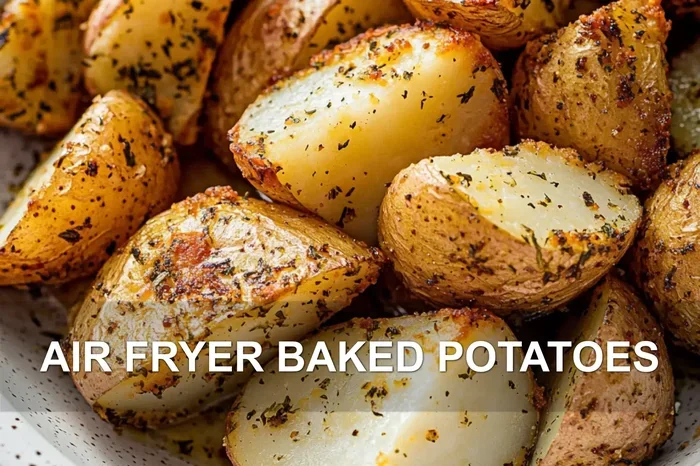
Visual guide about Air fryer baked potatoes
Image source: cookzya.com
Step 1: Prepare Your Potatoes
Start by washing your potatoes thoroughly under cool running water. Use a vegetable brush to scrub away any dirt or debris, especially since you’ll be eating the skin. Pat them completely dry with paper towels, as excess moisture is the enemy of crispy skin.
Here’s a crucial step many people forget: poke your potato all over with a fork. Aim for 8-10 holes, piercing deep enough to reach the center. Think of it like creating tiny vents for steam to escape. Without these holes, steam builds up inside the potato and can cause it to burst open in your air fryer, creating a messy situation nobody wants to clean up.
Step 2: Season for Success
While some people skip this step, seasoning is what transforms a plain baked potato into something spectacular. Rub the entire surface of your potato with about one teaspoon of olive oil or avocado oil. The oil helps the skin crisp up and provides a surface for your seasonings to stick to.
For the classic preparation, sprinkle generously with kosher salt or sea salt. The salt not only adds flavor but also draws out a tiny bit of moisture from the skin, enhancing crispiness. Get creative with your seasoning blends: garlic powder, paprika, black pepper, rosemary, or everything bagel seasoning all work wonderfully.
Step 3: Set the Right Temperature and Time
Preheat your air fryer to 400°F for about 3-5 minutes. While some recipes say preheating isn’t necessary, preheating ensures your potato starts cooking immediately and helps develop that initial crispy crust.
Place your seasoned potatoes in the air fryer basket, making sure they’re not touching each other. Air needs to circulate around each potato for even cooking, so resist the urge to overcrowd. If you have a smaller air fryer, you might need to cook potatoes in batches.
Cook at 400°F for 35-45 minutes, flipping halfway through. The exact time depends on your potato’s size and your specific air fryer model. Start checking at the 30-minute mark by inserting a fork or knife into the center. If it slides in easily with no resistance, your potato is done.
Step 4: The Doneness Test
How do you know your potato is perfectly cooked? The internal temperature should reach 210°F when measured with an instant-read thermometer. The skin should be deeply golden and feel crispy to the touch, and when you squeeze the potato gently (with an oven mitt!), it should give easily.
Another telltale sign: the skin will start to pull away slightly from the flesh, and you might notice the potato feels lighter than when you started, as moisture has evaporated during cooking.
Common Mistakes to Avoid
Even though air fryer baking is relatively foolproof, a few common pitfalls can sabotage your results. Let’s make sure you avoid them.
Mistake 1: Skipping the Oil
While you can technically bake a potato in an air fryer without oil, you’ll be missing out on significant crispiness. Oil is a heat conductor and helps achieve that satisfying crunch. Think of oil as the bridge between your seasonings and the potato skin, helping everything meld together beautifully.
If you’re watching calories, even a small amount (half a teaspoon) makes a noticeable difference. You can use cooking spray for a lighter application, though brushed oil typically gives better coverage.
Mistake 2: Overcrowding the Basket
This is probably the most common air fryer mistake across all recipes. When you cram too many potatoes in, you’re essentially steaming them instead of air frying them. The hot air can’t circulate properly, resulting in soggy, unevenly cooked potatoes.
Remember the rule: leave space between each potato. If you’re cooking for a crowd, it’s better to do multiple batches than to sacrifice quality. The good news is that air fryer baked potatoes stay hot for a while, so you can keep finished potatoes warm in a low-temperature oven while you cook the rest.
Mistake 3: Using the Wrong Temperature
Cooking at too low a temperature means the potato cooks through but never develops that crispy skin. Cooking too high can burn the outside while leaving the inside raw or gummy. The sweet spot for most air fryers is 400°F, which provides enough heat for crispy skin while allowing the interior to cook through.
Every air fryer is slightly different, so don’t be afraid to adjust based on your experience. If you notice your potatoes are browning too quickly, reduce the temperature by 25°F and extend the cooking time slightly.
Mistake 4: Not Flipping Halfway
Skipping the flip means one side of your potato will be crispier than the other. While this isn’t a dealbreaker, flipping ensures even browning all around. Set a timer for halfway through your estimated cooking time as a reminder.
Creative Variations and Flavor Combinations
Once you’ve mastered the basic air fryer baked potato, it’s time to get adventurous. The neutral canvas of a perfectly baked potato is begging for creative toppings and flavor combinations.
Loaded Baked Potatoes
The classic loaded potato is even more irresistible when made with an air fryer base. After cooking, slice open your potato and fluff the interior with a fork. Top with shredded sharp cheddar cheese, crispy bacon bits, sour cream, chopped chives, and a dollop of butter. The contrast between the crispy skin and creamy, loaded interior is pure comfort food heaven.
For a healthier version, try Greek yogurt instead of sour cream and turkey bacon instead of regular. The tangy yogurt actually pairs beautifully with the rich potato.
Garlic Herb Butter Potatoes
Before air frying, mix softened butter with minced garlic, fresh rosemary, thyme, and a pinch of salt. Cut a small slit in each potato and stuff with the herb butter. As the potato cooks, the butter melts and infuses every bite with aromatic flavor. This preparation is elegant enough for dinner parties but easy enough for weeknight meals.
Twice-Baked Air Fryer Potatoes
Here’s where things get really fun. After baking your potatoes in the air fryer, let them cool slightly, then cut them in half lengthwise. Scoop out the flesh, leaving a thin shell. Mash the flesh with butter, cheese, sour cream, and your favorite mix-ins, then spoon it back into the shells.
Return the stuffed potatoes to the air fryer for 5-7 minutes at 375°F until the tops are golden and the filling is heated through. This method produces restaurant-quality twice-baked potatoes with about half the effort of traditional methods.
International Flavors
Take your taste buds on a trip around the world. Try Japanese-inspired potatoes topped with miso butter and furikake seasoning. Go Mexican with black beans, salsa, avocado, and cotija cheese. Italian-style with pesto, sun-dried tomatoes, and fresh mozzarella opens up entirely new flavor possibilities.
Did you know that in Sweden, baked potatoes are traditionally served with crispy fried pork and lingonberry jam? The sweet-savory combination is absolutely delightful, and air fryer potatoes provide the perfect base for this Scandinavian treat.
Storage and Reheating Tips
Sometimes you cook more potatoes than you can eat, and that’s perfectly fine. Air fryer baked potatoes store beautifully and reheat well, making them excellent for meal prep.
Storing Leftover Potatoes
Allow your baked potatoes to cool completely before storing. Wrap them individually in aluminum foil or place them in airtight containers. Refrigerated, they’ll stay fresh for 3-5 days. For longer storage, you can freeze them for up to 3 months, though the texture may change slightly upon thawing.
Pro tip: store the toppings separately from the potatoes. If you’ve already added sour cream, cheese, or other dairy toppings, the potato won’t store as well. Plain baked potatoes are the most versatile for leftover use.
Reheating Like a Pro
Here’s some exciting news: your air fryer is also the best tool for reheating baked potatoes! Set your air fryer to 350°F and heat the potato for 5-7 minutes. The circulating air will re-crisp the skin while warming the interior evenly, making it taste almost as good as fresh.
Avoid microwaving leftover baked potatoes when possible, as this method makes the skin soggy and can result in uneven heating. If you’re in a real hurry, you can microwave for 1-2 minutes and then finish in the air fryer for 2-3 minutes to restore some crispiness.
Creative Leftover Ideas
Don’t let leftover baked potatoes go to waste. Cube them and pan-fry for homemade breakfast potatoes, mash them for gnocchi, or dice and add to soups and stews. Loaded baked potato soup is another fantastic way to use leftovers, and it freezes beautifully for future quick meals.
Troubleshooting Common Issues
Even experienced cooks run into problems sometimes. Here are solutions to the most common air fryer potato challenges.
Problem: Potato Is Still Hard in the Middle
If your potato is crispy on the outside but raw inside, it’s likely too large or your temperature was too high, causing the outside to cook faster than the inside can catch up. Next time, try a lower temperature (375°F) for a longer time, or cut your potato in half before cooking to reduce the distance heat needs to travel.
Another solution: par-cook the potato in the microwave for 3-4 minutes, then transfer to the air fryer for 15-20 minutes to crisp the skin. This method works well when you’re short on time.
Problem: Skin Isn’t Crispy Enough
Soggy skin usually means insufficient oil, too much moisture on the surface, or overcrowding. Make sure you’ve dried your potato thoroughly before applying oil, use enough oil to coat the entire surface, and ensure adequate space between potatoes in the basket.
You can also try brushing the potato with a small amount of melted butter or oil again halfway through cooking for an extra-crispy finish.
Problem: Potato Burst Open
A burst potato means steam couldn’t escape properly. This is why poking holes is so important. If your potato does burst, don’t worry, it’s still perfectly safe to eat. Just scoop out the fluffy interior and enjoy the extra-crispy, broken-up skin pieces as a bonus.
For next time, make sure you’re poking deep enough holes (at least half an inch deep) and using enough holes (8-10 is ideal). Some cooks also recommend a shallow slice across the top of the potato to provide additional venting.
Problem: Uneven Cooking
If some potatoes are done before others, you’re likely dealing with size variation. Try to select potatoes as similar in size as possible, or remove smaller potatoes earlier and let larger ones continue cooking. Rotating the potatoes and flipping them can also help ensure even cooking, especially in air fryers with hot spots.
Health Benefits of Air Fryer Baked Potatoes
Baked potatoes often get a bad nutritional rap, but they’re actually one of the most nutritious foods you can eat, especially when prepared in an air fryer.
A medium-sized baked potato with skin contains about 160 calories, 4 grams of protein, and is an excellent source of vitamin C, vitamin B6, potassium, and fiber. In fact, potatoes provide more potassium than bananas, which is essential for heart health and proper muscle function.
Why Air Frying Is Healthier
Air frying requires significantly less oil than traditional frying methods, reducing the overall fat content of your meal. Studies have shown that air-fried foods contain up to 70% less fat than their deep-fried counterparts. For baked potatoes specifically, air frying means you can achieve that satisfying crispy skin with just a teaspoon of oil rather than the butter or oil-laden preparations often used in other methods.
The cooking process also preserves more nutrients compared to boiling, as vitamins and minerals stay concentrated in the potato rather than leaching into cooking water. The high-heat air circulation creates a resistant starch on the potato’s surface, which acts as a prebiotic and supports gut health.
Making Your Potato Even Healthier
Load up your air fryer baked potato with nutritious toppings like Greek yogurt instead of sour cream, steamed broccoli, black beans, salsa, or a sprinkle of nutritional yeast for a cheesy flavor without the dairy. These additions boost the protein and fiber content while keeping calories in check.
Avoid drowning your potato in butter, bacon, and cheese if you’re watching your health. While these toppings are delicious, they can quickly turn a healthy potato into a calorie bomb. Moderation and smart topping choices keep this comfort food nutritious and satisfying.
Equipment and Accessories You Might Need
While you don’t need much to make great air fryer baked potatoes, a few tools can make the process even easier and more enjoyable.
Essential Tools
A good vegetable brush is crucial for cleaning potatoes thoroughly. Tongs help you safely flip hot potatoes, and an instant-read thermometer takes the guesswork out of doneness. A small basting brush makes applying oil quick and even, ensuring every part of the skin gets coated.
Aluminum foil isn’t necessary for air fryer potatoes, but it can be useful for certain preparations, like when you’re adding cheese near the end of cooking to prevent it from flying around the basket.
Nice-to-Have Accessories
Perforated parchment paper designed specifically for air fryers prevents sticking and makes cleanup easier. Silicone mats work similarly and are reusable. A potato ricer or masher helps create ultra-fluffy interiors when you’re making loaded or twice-baked versions.
Air fryer racks that stack can effectively double your cooking capacity, though for baked potatoes, single-layer cooking typically yields the best results since you need air circulation around each potato.
Frequently Asked Questions
Before we wrap up, let’s address some of the most common questions home cooks have about air fryer baked potatoes.
Final Thoughts and Encouragement
Baking potatoes in an air fryer is one of those simple kitchen techniques that can genuinely transform your cooking routine. It’s faster than oven baking, more energy-efficient, produces superior texture, and works with virtually any type of potato you have on hand. Whether you’re cooking for one or feeding a family, the air fryer method delivers consistent, delicious results with minimal effort.
Don’t be afraid to experiment and make this technique your own. Try different potato varieties, play with seasonings, and explore creative toppings. Each time you make an air fryer baked potato, you’ll learn something new about your specific appliance and your personal preferences. Soon, you’ll be able to produce perfect potatoes without even thinking about it, cooking entirely by feel and intuition.
Remember that cooking is as much about joy and creativity as it is about technique. The humble baked potato, elevated by the magic of air fryer technology, can be a canvas for countless delicious meals. So grab some russets, fire up your air fryer, and get ready to enjoy the best baked potato of your life. Your taste buds will thank you, and you’ll wonder why you ever bothered with the oven in the first place.
Happy air frying, and may your potatoes always be crispy on the outside and perfectly fluffy on the inside!