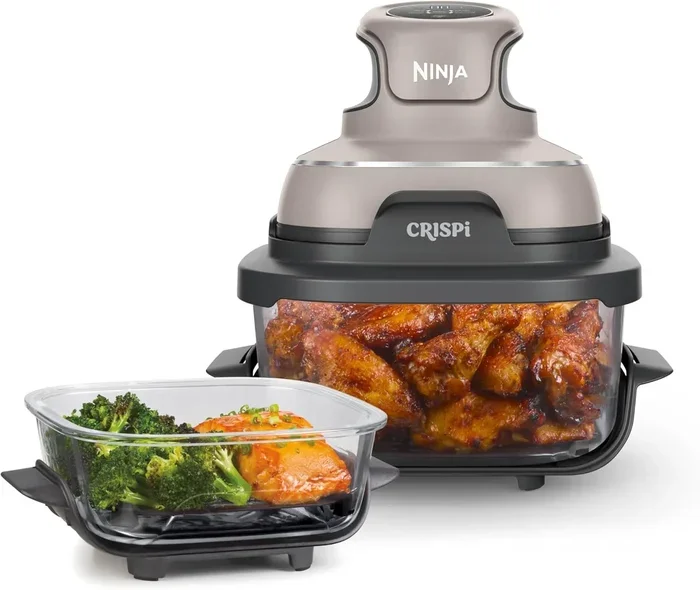
Featured image for glass dish in air fryer
Image source: m.media-amazon.com
Putting glass in the air fryer is extremely dangerous and should always be avoided. Regular glass containers, plates, and bowls can shatter from the intense heat and rapid air circulation, creating sharp projectiles and potential fire hazards. Only use air fryer-safe materials like metal, silicone, or specific high-heat glass labeled as oven-safe (like Pyrex) with extreme caution and proper temperature limits. Your safety is worth more than convenience—stick to manufacturer-recommended cookware to prevent kitchen accidents.
Picture this: you’re about to reheat last night’s pasta, and you reach for that handy glass container in your fridge. Then you pause, staring at your air fryer, and ask yourself the question that’s probably brought you here: can I put glass in the air fryer? It’s a smart question to ask, and the answer might just save you from a dangerous kitchen accident.
Air fryers have taken home cooking by storm, with sales jumping 76% during the pandemic years according to market research from NPD Group. They’re versatile, convenient, and make everything from crispy fries to juicy chicken wings with minimal oil. But with that versatility comes confusion about what’s safe to put inside them. Glass is one of the most common culprits in air fryer accidents, and many home cooks don’t realize the risks until it’s too late.
In this comprehensive guide, we’ll break down everything you need to know about glass and air fryers. You’ll learn which types of glass are dangerous, which (if any) might be safe in specific situations, and what alternatives work better. Think of this as your friendly handbook to keeping your air fryer cooking both delicious and disaster-free. Let’s dive in!
Key Takeaways
- Regular glass is not safe: Standard drinking glasses, windows, and decorative glassware can shatter violently in an air fryer’s intense, circulating heat.
- Oven-safe glass has limits: While some tempered glass like Pyrex can technically handle air fryer temperatures, rapid temperature changes still pose cracking risks.
- Thermal shock is the main enemy: Sudden temperature changes cause glass to expand unevenly, leading to dangerous fractures and explosions.
- Best alternatives exist: Metal racks, silicone molds, ceramic cookware, and parchment paper are all safer choices for air fryer cooking.
- Manufacturer warnings matter: Most air fryer manuals explicitly prohibit glass containers and recommend specific accessories instead.
- Broken glass creates multiple hazards: Beyond cuts, shattered glass can damage heating elements, block airflow, and potentially cause electrical fires.
- When in doubt, don’t: If you’re unsure whether a glass item is air fryer-safe, choose a different material—your safety depends on it.
📑 Table of Contents
- Understanding Air Fryer Temperatures and How They Affect Glass
- The Dangers of Putting Regular Glass in an Air Fryer
- Are Any Types of Glass Safe for Air Fryer Use?
- What Materials Are Safe for Air Fryer Cooking?
- Best Practices for Air Fryer Safety
- Common Air Fryer Mistakes to Avoid
- Making Smart Choices for Your Air Fryer Adventures
Understanding Air Fryer Temperatures and How They Affect Glass
To understand why glass and air fryers don’t mix well, we need to talk about heat—specifically, how air fryers generate and distribute it. Most air fryers operate between 300°F and 400°F (150°C to 200°C), with some models reaching 450°F (232°C) for searing and crisping. These temperatures alone aren’t the problem; your home oven reaches similar heat. The real issue lies in how that heat moves around your food.
The Science of Rapid Air Circulation
Air fryers work by using a powerful fan to circulate hot air at high speed around your food. This creates what cooking experts call “rapid air technology,” and it’s the secret behind that coveted crispy exterior without deep frying. The fan typically spins at speeds between 1,800 and 2,200 RPM, creating constant air movement that removes the boundary layer of cooler air around food surfaces.
Here’s an analogy that might help: imagine standing in a gentle breeze versus standing in front of a powerful fan on a hot day. The breeze feels pleasant, but the powerful fan creates an intense sensation of heat on your skin. Now apply that concept to glass. The constant rushing of hot air against glass surfaces creates uneven heating that can stress the material in ways a regular oven doesn’t.
Why Glass Reacts Poorly to Sudden Temperature Changes
Glass expands when heated and contracts when cooled. This happens at predictable rates for different types of glass. The problem occurs when different parts of a glass item heat up or cool down at different rates—this is called thermal shock. When one section of glass expands faster than another, it creates internal stress that can cause cracking or violent shattering.
Think of it like this: imagine trying to bend a rigid plastic ruler by heating just one end with a hair dryer while holding the other end still. The heated end becomes flexible while the cool end stays stiff, creating stress at the boundary. Glass behaves similarly, except instead of bending, it breaks. And when glass breaks under stress, it can explode with surprising force, sending sharp fragments flying across your kitchen.
The Dangers of Putting Regular Glass in an Air Fryer
Let’s be absolutely clear: putting regular glass in your air fryer is a serious safety hazard. We’re not talking about a small risk here—this is the kind of mistake that can cause injuries, property damage, and costly appliance replacement. According to the Consumer Product Safety Commission, cooking-related accidents send approximately 173,000 people to emergency rooms annually in the United States alone, and kitchen appliance misuse contributes significantly to these numbers.
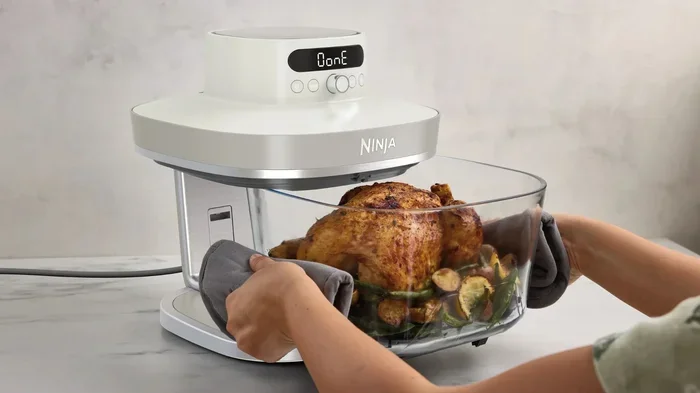
Visual guide about glass dish in air fryer
Image source: cdn.mos.cms.futurecdn.net
Types of Glass That Should Never Go in an Air Fryer
Not all glass is created equal, but certain categories are absolutely forbidden in air fryers:
- Drinking glasses and mugs: Those cute mason jars, coffee mugs, or decorative drinking glasses? Keep them far away from your air fryer. They’re designed for liquids at moderate temperatures, not the intense dry heat of air frying.
- Regular dinnerware: Your everyday plates, bowls, and serving dishes typically aren’t rated for the high, circulating heat of an air fryer, even if they’re labeled “microwave safe.”
- Windows glass or picture frame glass: Obviously not food-related, but worth mentioning—never use random pieces of glass as makeshift cooking surfaces.
- Decorative glassware: Pretty colored glass bowls or vintage pieces often contain lead or other materials that can leach at high temperatures.
- Thin glass containers: Storage containers like those from deli containers or cheap food packaging usually can’t handle the heat stress.
What Happens When Glass Shatters in an Air Fryer
The consequences extend far beyond a broken dish. When glass explodes inside an air fryer, the following dangers unfold:
First, sharp fragments scatter throughout the cooking chamber, on your heating element, and potentially onto your food. These fragments can be nearly invisible and cause severe cuts when you later clean the appliance or handle the basket.
Second, broken glass can damage the heating element, which is typically located at the top of the air fryer. Glass particles may scratch or coat the element, affecting its performance and potentially creating electrical problems.
Third, the fan blades can become damaged by glass shards, throwing off the balance of the motor and causing expensive repairs. Most air fryer repairs cost between $50 and $150, and that’s only if the damage is repairable at all.
Fourth, and perhaps most alarmingly, glass shards can become projectiles when the air fryer is opened. The pressurized air inside can launch tiny fragments toward your face and eyes, causing serious injuries.
Finally, electrical fires become a real risk if glass pieces pierce the heating element’s protective coating or block the fan’s airflow, causing the motor to overheat.
Are Any Types of Glass Safe for Air Fryer Use?
Now for the slightly more nuanced answer. While regular glass is a definite no, some specialized glass products may be used in air fryers under very specific conditions. However, “may” is doing a lot of heavy lifting in that sentence, and most manufacturers still recommend against it.
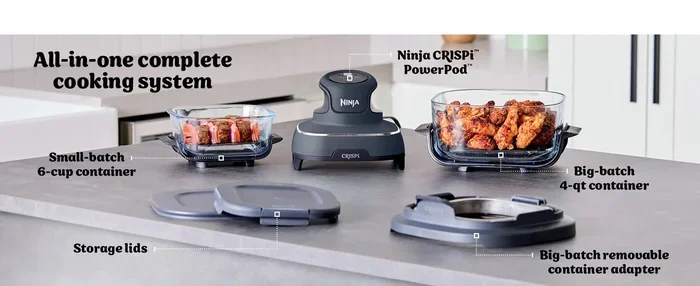
Visual guide about glass dish in air fryer
Image source: m.media-amazon.com
Tempered Glass and Oven-Safe Containers
Products made from tempered borosilicate glass—like certain Pyrex dishes—can theoretically withstand higher temperatures than regular glass. Borosilicate glass is engineered to handle thermal stress better than standard soda-lime glass, which is what most drinking glasses and cheap dinnerware use.
Pyrex, for example, is rated for temperatures up to 500°F (260°C) in conventional ovens, which covers most air fryer cooking temperatures. However, here’s the critical caveat: this rating applies to gradual heating in a traditional oven. Air fryers create different conditions.
The circulating hot air in an air fryer can create hot spots, and the proximity to the heating element (often just inches away) means glass containers may experience more intense direct heat than they would on an oven rack. Additionally, the rapid air movement can cool certain surfaces of the glass faster than others, creating the thermal shock conditions we discussed earlier.
The Verdict on Tempered Glass
Even though tempered glass could technically survive some air fryer conditions, most manufacturers—including Pyrex themselves—do not recommend using their products in air fryers. The risk-reward ratio simply doesn’t favor using glass when safer alternatives exist.
If you absolutely must use a glass-like material in your air fryer, consider this: the momentary convenience isn’t worth the potential consequences. A shattered dish means lost food, a damaged appliance, potential injury, and hours of cleanup. Choose a safer material instead.
What Materials Are Safe for Air Fryer Cooking?
Good news: you have plenty of safe, air fryer-friendly alternatives that actually work better than glass for most cooking applications. Let’s explore your options.
Metal Accessories: The Gold Standard
Metal is the most air fryer-friendly material, and most air fryers come with metal baskets or racks right out of the box. Stainless steel, aluminum, and other metals conduct heat beautifully and can handle the intense air fryer environment without breaking down.
Common metal accessories include:
- Perforated metal trays: Perfect for foods that need maximum airflow, like french fries or chicken tenders
- Metal racks: Allow you to cook multiple foods at different levels
- Stainless steel skewers: Great for kebabs and small food items
- Metal baking pans: Excellent for quiches, frittatas, and small cakes
- Aluminum foil (shaped properly): Can be molded into containers, but never block airflow completely
Silicone: Flexible and Forgiving
Food-grade silicone is another excellent choice for air fryer cooking. This material can typically handle temperatures up to 450°F (232°C) without melting or releasing harmful chemicals. Silicone molds, cups, and baking mats are particularly useful for delicate items like muffins, egg bites, and small cakes.
One important note: always verify that any silicone you use is labeled as “food grade” and BPA-free. Lower-quality silicone products may contain fillers that can break down at high temperatures. Reputable brands like Silpat and Mrs. Anderson’s Baking produce air fryer-specific silicone accessories that have been tested for safety.
Ceramic: Classic and Reliable
Ceramic cookware designed for high-heat cooking works wonderfully in air fryers. Look for ceramic dishes labeled as oven-safe, and ensure they don’t have any metallic glazes or decorations that could spark or release toxins. Stoneware, a type of ceramic, is particularly durable and heats evenly.
Ceramic’s only downside is its weight—it can be heavier than metal or silicone alternatives. But for dishes where even heating matters, like custards or casseroles, ceramic is hard to beat.
Parchment Paper and Other Disposable Options
Air fryer-specific parchment paper liners are incredibly convenient for easy cleanup. These pre-cut liners have perforations that allow proper airflow while preventing food from sticking to the basket. Just be sure the parchment doesn’t touch the heating element, as it can burn or ignite.
Other disposable options include:
- Parchment paper cups: Perfect for muffins and individual portions
- Unbleached coffee filters: Work well for small items like hard-boiled eggs
- Natural wood containers: Like cedar wraps for fish, though these have limited uses
Best Practices for Air Fryer Safety
Beyond choosing the right materials, following some basic air fryer safety practices will keep your cooking adventures accident-free and your appliance running smoothly for years to come.
Reading Your Manufacturer’s Manual
This might seem obvious, but studies show that only about 30% of consumers actually read appliance manuals thoroughly. Your air fryer’s manual contains specific information about which materials are safe, temperature limits, and recommended accessories. Most manufacturers explicitly list prohibited items, and glass is almost always on that list.
If you’ve lost your manual, most are available online as PDFs from the company’s website. Take 15 minutes to review it—it could save you from an expensive mistake.
Temperature Management and Preheating
Always preheat your air fryer properly before adding food. This gradual heat increase helps any materials you use adjust to temperature changes more gently. Sudden temperature shifts—from a cold refrigerator to a hot air fryer, for instance—can stress even materials rated for high-heat use.
A general rule of thumb: if you’re using any material in your air fryer for the first time, start at a lower temperature and gradually increase it for subsequent cooks. This helps you identify potential issues before they become problems.
Proper Airflow Is Everything
Air fryers need proper airflow to function correctly and safely. Never completely cover the basket’s bottom with materials that block air circulation. Even when using parchment paper or aluminum foil, leave plenty of open space for air to move around your food.
A good test: if you can still see significant gaps in the bottom of your basket after adding your liner, you’re fine. If the liner completely seals the bottom, remove some material or switch to a different approach.
Regular Cleaning and Maintenance
A clean air fryer is a safe air fryer. Food residue and grease buildup can smoke, burn, and even ignite at high temperatures. Clean your air fryer after every use, following the manufacturer’s instructions. Most baskets and trays are dishwasher-safe, making this task relatively painless.
Beyond regular cleaning, periodically inspect your air fryer for:
- Damaged or peeling non-stick coatings
- Loose or wobbly components
- Unusual noises during operation
- Burning smells that weren’t there before
- Uneven cooking performance
Addressing these issues promptly prevents small problems from becoming major safety hazards.
Common Air Fryer Mistakes to Avoid
Beyond the glass question, air fryer newcomers often make several mistakes that can compromise safety and cooking quality. Learning about these pitfalls helps you become a more confident air fryer user.
Overcrowding the Basket
One of the most common air fryer mistakes is packing too much food into the basket. While it might seem efficient to cook everything at once, overcrowding prevents proper air circulation, leading to unevenly cooked food and longer cooking times. Worse, it can cause food to steam rather than crisp, and in extreme cases, the overloaded basket may not seat properly, creating tipping hazards.
The general rule: food should fit in a single layer with some space between pieces. Cook in batches if necessary—your patience produces better results.
Using Non-Heat-Resistant Materials
Glass is just one material to avoid. Others include:
- Plastic containers: Even microwave-safe plastic can deform in air fryers
- Styrofoam: Will melt and release toxic chemicals
- Wet batters: Without the protection of oil, wet batters can drip onto heating elements and smoke
- Tightly sealed lids: Pressure can build up and cause containers to explode
- Paper bags: Regular paper bags aren’t designed for the intense heat and can ignite
Ignoring Smoke or Unusual Smells
If your air fryer starts producing smoke or strange odors, turn it off immediately and unplug it. Continuing to cook through these warning signs can damage the appliance and create fire hazards. Common causes include food residue burning, overcrowding, or using inappropriate materials that are off-gassing.
Once the air fryer cools completely, inspect it for obvious problems before attempting to use it again. If the issue persists or you’re unsure what caused it, contact the manufacturer’s customer service or consult a repair professional.
Making Smart Choices for Your Air Fryer Adventures
Coming back to our original question—can I put glass in the air fryer—the answer is a resounding no for regular glass, and a cautious “use at your own risk” even for tempered oven-safe glass. The technology of air fryers simply doesn’t play well with glass, regardless of how heat-resistant the glass claims to be.
Your air fryer is an investment in convenient, healthy cooking. According to consumer research, the average household air fryer is used 3-4 times per week, which means you’re getting significant value from this appliance. Protecting that investment means using it correctly and avoiding dangerous shortcuts.
Instead of glass, embrace the wonderful variety of air fryer-safe materials available. Metal accessories, silicone molds, ceramic dishes, and parchment paper liners all provide safe, effective alternatives that often perform better than glass would anyway. Many air fryer enthusiasts find that these materials distribute heat more evenly and create crispier results than glass ever could.
Remember: cooking should be fun, creative, and safe. By understanding why certain materials—like glass—don’t belong in air fryers, you’re setting yourself up for countless delicious meals without unnecessary risks. Your air fryer will thank you with years of reliable service, and your kitchen will remain a safe space for culinary experimentation.
Whether you’re air frying your first chicken wing or your hundredth batch of sweet potato fries, the principles remain the same: respect the appliance, choose appropriate materials, and never let convenience override safety. Happy air frying, friends!
Frequently Asked Questions
Can I put a Pyrex dish in the air fryer?
While Pyrex is technically rated for high temperatures, most manufacturers and Pyrex themselves do not recommend using their glass dishes in air fryers. The rapid air circulation and proximity to heating elements create conditions that even tempered glass isn’t ideally suited for. Stick to metal, silicone, or ceramic alternatives for safer results.
What happens if glass breaks in an air fryer?
Broken glass in an air fryer creates multiple serious hazards. Sharp fragments can fly out when you open the appliance, potentially causing cuts and eye injuries. Glass pieces can also damage the heating element, jam the fan, block airflow, and potentially cause electrical shorts or fires. Immediate cleanup is essential, but the appliance may need professional inspection before further use.
Can I use a glass plate in the air fryer to reheat food?
Standard glass plates should never go in an air fryer, even for simple reheating tasks. The intense, circulating heat can cause unexpected thermal stress, and even microwave-safe plates aren’t rated for air fryer conditions. Use the air fryer’s metal basket or a ceramic dish designed for high-heat cooking instead.
Are there any glass containers that are safe for air fryers?
No glass containers are universally considered safe for air fryer use, even those marketed as oven-safe. The combination of high temperatures, rapid air circulation, and proximity to heating elements creates unpredictable stress on the material. For the best safety and cooking results, choose metal, silicone, or ceramic alternatives specifically designed for air fryer cooking.
Why does glass shatter in an air fryer but not in a regular oven?
Air fryers create more extreme conditions than conventional ovens due to their rapid air circulation, which causes uneven heating across glass surfaces. The hot moving air can cool some areas while others remain hot, creating thermal shock. Additionally, glass items sit closer to the heating element in air fryers, and the compact space allows heat to build up more intensely than in a full-sized oven.
Can I line my air fryer basket with glass cookware to catch drippings?
Never use glass cookware to catch drippings in your air fryer. Instead, use the drip tray or pan that came with your air fryer, or line the basket with parchment paper designed specifically for air fryers. Aluminum foil shaped into a bowl shape also works, but be careful not to block airflow completely. These alternatives catch drippings safely without the risk of shattering glass.