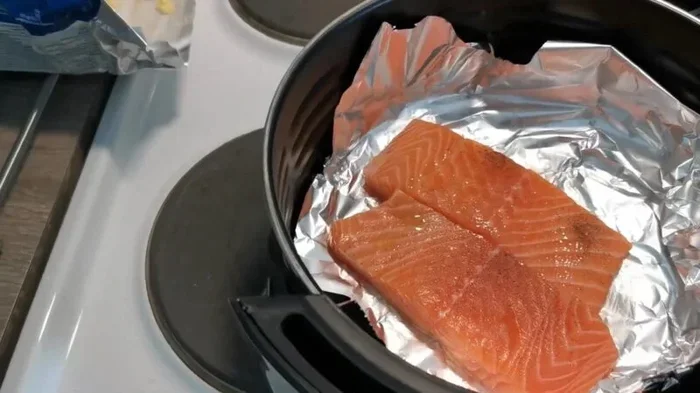
Featured image for Aluminum foil in air fryer
Image source: restaurantsu.com
Yes, you can safely use aluminum foil in your air fryer, but only when you follow specific safety guidelines. The foil must not touch the heating element or block air circulation. Always weigh it down with food, leave space around the edges, and use small pieces to prevent fire hazards. When used correctly, foil helps with cleanup, prevents sticking, and cooks delicate foods perfectly.
Picture this: you’ve just bought a shiny new air fryer, and you’re excited to make crispy fries, juicy chicken, and flaky fish. Then you spot the roll of aluminum foil sitting on your counter and wonder, “Can I actually use this in my air fryer?” You’re not alone in asking this question. Millions of air fryer owners have asked the exact same thing.
Here’s the short answer: yes, you can use aluminum foil in your air fryer, but with important rules. Think of your air fryer like a small, powerful tornado of hot air. Anything you put inside needs to play nice with that tornado, or you’ll have problems. When you follow a few simple guidelines, aluminum foil becomes one of the most useful tools in your air fryer cooking kit.
This complete guide will walk you through everything you need to know. We’ll cover the science behind why foil works, the safety rules you absolutely must follow, when to skip foil entirely, and the best alternatives if you want a worry-free option. By the end, you’ll feel confident using foil in your air fryer like a seasoned pro.
Key Takeaways
- Safety First: Aluminum foil is safe in air fryers only when it doesn’t touch the heating element, block airflow, or operate empty inside the basket.
- Weight Matters: Always place food on top of the foil to hold it in place and prevent it from being sucked into the fan.
- Small Pieces Only: Use small, fitted pieces rather than covering the entire basket bottom to maintain proper air circulation.
- Check Your Manual: Some manufacturers (like Ninja and Philips) explicitly approve foil use, while others have specific restrictions based on basket design.
- Acidic Foods Warning: Avoid wrapping acidic foods like tomatoes or citrus in aluminum foil, as it can cause a metallic taste and chemical reactions.
- Fire Risks Are Real: Loose or floating foil can ignite, damage heating elements, or cause the fan to fail. Always secure your foil properly.
- Alternatives Exist: Parchment paper liners designed for air fryers offer a safer, foolproof alternative for most cooking situations.
📑 Table of Contents
- How Aluminum Foil Works in an Air Fryer
- Essential Safety Rules for Using Aluminum Foil
- When to Use Aluminum Foil in Your Air Fryer
- When to Avoid Aluminum Foil Entirely
- Step-by-Step Guide: Using Aluminum Foil Safely
- Best Alternatives to Aluminum Foil
- Common Mistakes to Avoid
- Troubleshooting Common Issues
- Final Thoughts on Aluminum Foil and Air Fryers
How Aluminum Foil Works in an Air Fryer
Understanding why aluminum foil is both helpful and potentially risky requires a quick look at how your air fryer actually cooks food. Once you grasp this simple concept, every safety rule will make perfect sense.
The Science Behind Air Frying
An air fryer is basically a countertop convection oven. It uses a powerful heating element and a high-speed fan to circulate extremely hot air around your food. Most air fryers run between 300°F and 400°F, and the fan can spin at speeds up to 2,000 RPM. This combination creates that crispy, golden texture we all love.
Now, here’s where aluminum foil enters the picture. Aluminum foil is a thin sheet of metal that reflects heat. When you place foil in an air fryer, it acts like a mirror for the hot air, bouncing it around your food in different directions. This can actually help certain foods cook more evenly or prevent over-browning on delicate items.
Think of it this way: imagine throwing a tennis ball into a small room with a fan blowing. The ball bounces off the walls, right? Aluminum foil does the same thing with heat. It redirects the hot air to different parts of your food.
Why Foil Can Be Helpful
There are several practical reasons home cooks love using aluminum foil in their air fryers:
- Prevents sticking: Foil creates a non-stick surface, especially helpful for cheese-covered items or delicate fish fillets.
- Easier cleanup: Catches drips, cheese, and marinades, saving you from scrubbing the basket.
- Protects small foods: Stops small items like vegetables or shrimp from falling through the basket gaps.
- Shields delicate ingredients: Prevents the tops of foods from browning too quickly while the rest catches up.
- Creates a pouch: You can fold foil into packets for steaming vegetables or cooking fish en papillote style.
Essential Safety Rules for Using Aluminum Foil
Now for the part that matters most: keeping you, your air fryer, and your kitchen safe. These rules are non-negotiable, so commit them to memory before your next cooking session.
Rule 1: Never Let Foil Touch the Heating Element
This is the big one, and it’s the rule that prevents most air fryer disasters. The heating element in your air fryer gets extremely hot, often exceeding 400°F. If aluminum foil touches or comes close to this element, it can melt, spark, or even ignite.
To put it simply: your air fryer’s heating element is like a campfire, and aluminum foil is paper. You wouldn’t wave paper over a campfire, right? Same logic applies here. Always keep foil at least one inch away from the heating element.
In basket-style air fryers, this is usually easy because the element sits above the basket, well out of reach. However, in oven-style air fryers with the element on the back wall, you need to be extra careful not to let foil touch the back.
Rule 2: Never Run Your Air Fryer with Just Foil Inside
Your air fryer should always have food inside when operating. Empty foil is a major fire hazard because the fan can catch it and blow it directly onto the heating element. This happens more often than you’d think, and it can damage your appliance or worse.
Always weigh down your foil with food. The food acts as an anchor, keeping the foil in place even when the fan blows at full speed.
Rule 3: Use Small, Fitted Pieces
Resist the urge to line your entire basket with foil like you would a baking sheet. Doing so blocks airflow, which is the entire point of an air fryer. Blocked airflow leads to uneven cooking, longer cook times, and food that comes out soggy instead of crispy.
Instead, cut or fold your foil to fit only where you need it. If you’re cooking something that drips, place a small piece under just that item. If you’re protecting a delicate topping, cover only that section.
Rule 4: Leave Space Around the Edges
Air needs to circulate from the bottom of the basket, around your food, and back up to the heating element. If you cover the entire basket bottom with foil, you’re essentially sealing off that airflow path. Leave at least half an inch of space around the edges of your foil piece so air can flow freely.
Rule 5: Check Your Air Fryer’s Manual
Did you know that manufacturer guidelines vary significantly when it comes to foil? According to a 2023 survey by Air Fryer Review Hub, approximately 78% of major air fryer brands explicitly allow aluminum foil use, while 22% either discourage it or have specific restrictions.
Brands like Ninja, Philips, and Cosori generally approve foil use with standard precautions. However, some models with non-stick baskets that have specific airflow patterns may require different approaches. Always check your owner’s manual first to see what your specific manufacturer recommends.
When to Use Aluminum Foil in Your Air Fryer
Now that you know the rules, let’s talk about the best times to actually use foil. These are the situations where foil truly shines and makes your cooking experience better.
Cooking Delicate Fish and Seafood
Fish fillets, shrimp, and scallops are notorious for sticking to air fryer baskets. A small piece of foil underneath acts as a sling, letting you lift out perfectly cooked seafood without it falling apart. Place the foil underneath, spray it lightly with oil, and arrange your seafood on top.
Melting Cheese on Top
Ever notice how cheese can melt and slide off your food, making a mess in the basket? Place a small foil “boat” or “tray” underneath cheesy items like stuffed chicken breasts or loaded fries. The foil catches every drop of melted cheese and makes cleanup effortless.
Cooking Small or Loose Items
Foods like diced vegetables, berries, or chopped nuts can fall through the holes in your air fryer basket. A fitted piece of foil underneath keeps them contained while still allowing hot air to circulate around each piece.
Making Foil Packets for Steaming
This is one of the most underrated uses of aluminum foil in air fryers. You can create sealed foil packets filled with vegetables, fish, and seasonings. The packet traps steam and moisture, cooking your food gently while infusing it with flavor. Salmon with lemon and dill is a classic foil packet recipe that works beautifully in an air fryer.
Preventing Over-Browning
Some foods brown too quickly on top before the inside cooks through. A loose tent of foil over the top (not touching the food) slows down browning while letting the rest of the cooking continue normally. This trick works wonderfully for baked goods like air fryer cakes or muffins.
When to Avoid Aluminum Foil Entirely
Just as there are perfect times to use foil, there are situations where you should absolutely skip it. Knowing when not to use foil is just as important as knowing when to use it.
Never Use Foil with Acidic Foods
Here’s a chemistry lesson made simple: when acidic foods like tomatoes, lemons, vinegar, or certain berries touch aluminum, a chemical reaction occurs. The acid breaks down the aluminum’s protective layer, causing small amounts of metal to leach into your food. This can create a metallic taste and, in larger quantities, may be a health concern.
The USDA notes that while the amount of aluminum that leaches into food is generally considered safe, it can affect taste and texture. If you’re cooking anything with citrus, tomato sauce, vinegar-based marinades, or wine, skip the foil or use parchment paper instead.
Skip Foil for Foods That Need Maximum Crispiness
Air fryers work by circulating air around food to create that signature crispy texture. If you wrap food too tightly in foil, you’re essentially steaming it instead of air frying it. Foods that should be crispy, like french fries, chicken wings, or breaded items, generally shouldn’t be completely wrapped in foil.
You can still use foil underneath these foods to catch drips, but don’t cover the tops.
Don’t Use Foil with Sweet Baked Goods
Cookies, brownies, and cakes can react with aluminum foil, especially if the recipe includes acidic ingredients like buttermilk or certain fruits. The reaction can leave dark spots on your baked goods and impart a metallic taste. Parchment paper is always the better choice for sweet treats.
Avoid Foil in Damaged Baskets
If your air fryer basket has a damaged or peeling non-stick coating, skip the foil. The exposed metal underneath can cause sparking when it contacts foil. This is also a good time to consider replacing your basket or retiring that air fryer entirely.
Step-by-Step Guide: Using Aluminum Foil Safely
Let’s walk through the exact process of using foil in your air fryer, from start to finish. Follow these steps every time, and you’ll never have a problem.
Step 1: Choose the Right Type of Foil
Standard heavy-duty aluminum foil works best for air fryers. It’s sturdy enough to hold its shape and less likely to tear or blow around. If you only have regular foil, you can double it up for extra strength. Avoid using foil that’s been recycled multiple times or has any food residue stuck to it.
Step 2: Cut and Shape Your Foil
Measure your basket first, then cut your foil to fit. A good rule of thumb is to cut a piece that’s slightly smaller than the basket bottom, leaving at least half an inch of space on all sides. If you’re creating a packet or pouch, fold the edges together tightly to seal them.
For delicate foods, gently shape the foil into a bowl or tray shape with the edges curved up. This contains any liquids while keeping the surface area minimal.
Step 3: Place Food on Top
This step is crucial. Always, always, always place food on top of your foil before starting the air fryer. The food’s weight holds the foil in place and prevents it from being sucked toward the heating element by the fan.
Step 4: Check Positioning Before Cooking
Before you hit that start button, do a visual inspection. Make sure the foil isn’t touching any walls, isn’t blocking the air intake vents, and isn’t near the heating element. Adjust as needed.
Step 5: Monitor While Cooking
The first time you use foil in a new recipe, check on your food halfway through cooking. This lets you see if the foil has shifted and gives you a chance to readjust if needed. It also helps you learn how your specific air fryer behaves with foil inside.
Step 6: Remove Carefully
When your food is done, use tongs or a spatula to lift out the food and foil together. The foil will be hot, so don’t touch it with bare hands. Let it cool before you peel away the foil and discard it.
Best Alternatives to Aluminum Foil
If you’d rather not deal with the extra precautions that come with aluminum foil, several alternatives work beautifully in air fryers. Many home cooks actually prefer these options for everyday use.
Parchment Paper Liners
Air fryer parchment paper liners are pre-cut rounds with holes in them that fit perfectly in most basket-style air fryers. They’re heat-resistant, non-stick, and completely safe. The holes allow proper airflow while preventing food from sticking or falling through the basket gaps.
The main advantage of parchment paper is that you don’t have to worry about it touching the heating element. It won’t conduct electricity or create sparks. It’s also biodegradable and compostable, making it a more eco-friendly option.
The one rule with parchment paper is the same as foil: never run your air fryer with just parchment inside. Always place food on top, or the lightweight paper will fly up into the heating element and burn.
Silicone Mats and Baskets
Reusable silicone mats designed for air fryers are another excellent option. They’re dishwasher-safe, last for years, and provide excellent non-stick performance. Silicone can typically withstand up to 450°F, making it suitable for virtually any air fryer recipe.
Silicone baskets with perforated holes also work well. They’re sturdier than parchment paper and allow maximum airflow while keeping small foods contained.
Ceramic Inserts
Some air fryer brands sell ceramic inserts that fit inside the basket. These work like small baking dishes and are perfect for recipes where you want to contain sauces or cook delicate items. They’re heavy enough that they won’t blow around in the fan’s air current.
When to Use Nothing at All
Here’s something many people don’t realize: you don’t always need a liner. Most modern air fryer baskets have excellent non-stick coatings, and many foods cook perfectly fine directly on the basket. If you’re making something simple like chicken breasts or vegetables, just spray the basket with a little cooking spray and skip the liner altogether.
Common Mistakes to Avoid
Even experienced air fryer users make mistakes with aluminum foil. Here are the most common errors that can ruin your food, damage your appliance, or create dangerous situations.
Mistake 1: Lining the Entire Basket
This is the number one mistake people make. They treat their air fryer like a baking sheet and line the entire bottom with foil. As we discussed earlier, this blocks airflow and results in soggy, unevenly cooked food. Always use foil only where you need it.
Mistake 2: Using Foil to Cover the Fan
Some people try to cover the air intake vents at the bottom or back of their air fryer with foil to prevent drips from getting into the fan. Don’t do this. Blocking the air intake starves your air fryer of airflow, causing it to overheat and potentially fail. If drippings are a concern, use a smaller piece of foil underneath just the food that’s dripping.
Mistake 3: Not Securing Loose Foil
If your foil piece is too large or not properly weighted down with food, the fan can catch it and send it flying. Always make sure foil is either smaller than the basket or held firmly in place by food on top.
Mistake 4: Reusing Foil That’s Too Worn
Foil that’s been used multiple times becomes thin and develops small holes. This worn foil is more likely to tear, blow around, or allow food to leak through. For safety reasons, use fresh foil each time you cook.
Mistake 5: Ignoring Manufacturer Warnings
If your air fryer’s manual specifically says not to use foil or recommends only certain types of liners, follow that advice. Manufacturers know their products best, and ignoring their guidelines could void your warranty or create safety issues.
Mistake 6: Using Foil with Wet Batters
Wet batters and foils don’t mix. The batter can seep through small gaps, causing it to stick to the basket and create a mess. If you’re making something like fried chicken with wet batter, skip the foil and use parchment paper or nothing at all.
Troubleshooting Common Issues
Even when you follow all the rules, you might encounter occasional issues. Here’s how to solve the most common problems people face when using aluminum foil in their air fryers.
Food Is Still Sticking
If your food sticks to the foil, you probably forgot to spray the foil with cooking spray before adding the food. Just like with any cooking surface, foil needs a thin layer of oil to create a truly non-stick surface. A quick spray of cooking spray or a light brushing of olive oil solves this problem immediately.
Food Isn’t Crispy Enough
If your food comes out soggy or soft when using foil, the foil is probably blocking too much airflow. Remove the foil for the last few minutes of cooking to let the hot air directly contact the food. This crisps up the exterior beautifully.
Foil Is Blowing Around
If foil is moving during cooking, it’s either too large or not weighted down enough. Turn off the air fryer, let it cool slightly, then reposition the foil to be smaller or add more food to hold it down.
There’s a Burning Smell
A burning smell usually means foil is touching the heating element. Stop the air fryer immediately, let it cool, and inspect the foil placement. If foil has melted onto the heating element, you may need professional cleaning or repair.
Food Tastes Metallic
A metallic taste means you used foil with acidic foods. Unfortunately, you can’t fix this after cooking. Next time, use parchment paper for acidic recipes, or skip the foil entirely.
Final Thoughts on Aluminum Foil and Air Fryers
Aluminum foil is a versatile tool that can make your air fryer cooking easier, cleaner, and more enjoyable when used correctly. The key to success is understanding that foil is a helper, not a requirement. It works best when used in small, strategic ways to solve specific cooking problems.
Remember the golden rules: always weigh foil down with food, keep it away from the heating element, leave space for airflow, and avoid acidic foods. Follow these simple guidelines, and you’ll enjoy all the benefits of foil without any of the risks.
That said, don’t be afraid to try alternatives like parchment paper liners or silicone mats. Many air fryer enthusiasts find these options even more convenient for everyday cooking. The best choice depends on your specific recipe, your air fryer model, and your personal preferences.
Now you’re equipped with everything you need to use aluminum foil in your air fryer safely and effectively. Fire up that air fryer, grab that roll of foil, and start experimenting with confidence. Your perfectly cooked, easy-to-clean meals await.
Frequently Asked Questions
Can aluminum foil cause a fire in an air fryer?
Yes, aluminum foil can cause a fire in an air fryer if it comes into direct contact with the heating element or if loose foil is sucked into the fan. Always keep foil away from the heating element and secure it with food on top to prevent dangerous situations.
Should I put aluminum foil on the bottom of my air fryer?
You can place aluminum foil on the bottom of your air fryer basket, but only in small pieces that leave space around the edges for airflow. Never cover the entire bottom, as this blocks the air circulation that makes air fryers work properly.
Can I wrap food completely in aluminum foil for air frying?
You can wrap food completely in foil only if you’re intentionally creating a foil packet for steaming. Otherwise, avoid complete wrapping because it prevents the hot air from crisping your food, essentially turning your air fryer into a steamer.
What happens if aluminum foil touches the heating element in an air fryer?
If aluminum foil touches the heating element, it can melt, spark, or ignite. This can damage your air fryer, create a fire hazard, and potentially release toxic fumes. Always maintain at least one inch of distance between foil and the heating element.
Is parchment paper safer than aluminum foil for air fryers?
Yes, parchment paper is generally considered safer than aluminum foil because it won’t conduct electricity or create sparks. However, you still need to keep it away from the heating element and never run your air fryer with just parchment paper inside.
Do air fryer manufacturers approve using aluminum foil?
Most major air fryer manufacturers, including Ninja, Philips, and Cosori, approve aluminum foil use when proper safety guidelines are followed. However, guidelines vary by model, so always check your specific owner’s manual before using foil in your air fryer.