Yes, you can safely use aluminium foil in an air fryer, but only when following specific safety guidelines. The foil must be weighted down to prevent it from touching heating elements or blowing into the fan. Proper placement, sizing, and food coverage are essential to avoid fire hazards and ensure your food cooks evenly. When used correctly, aluminium foil can actually enhance your air frying experience by making cleanup easier and preventing small foods from falling through the basket.
Picture this: you’ve just bought a shiny new air fryer, and you’re excited to make crispy fries, juicy chicken, and perfectly roasted vegetables. But then you wonder, “Can I line the basket with aluminium foil to make cleanup easier?” You’re not alone in asking this question. Millions of air fryer owners have the same thought every single day.
Here’s the good news: aluminium foil and air fryers can absolutely work together, but there’s a right way and a wrong way to do it. Think of it like riding a bicycle. You can ride one, but if you don’t know how to balance, you might end up with a scraped knee. The same principle applies to foil in your air fryer. When you understand the rules, everything goes smoothly. When you don’t, you might face a fire hazard or uneven cooking.
In this comprehensive guide, we’ll walk you through everything you need to know about using aluminium foil in your air fryer. You’ll learn the safety rules, best practices, common mistakes, and expert tips that will make you an air fryer foil pro in no time. Let’s dive in!
Key Takeaways
- Safety First: Aluminium foil is safe in air fryers only when properly secured and never allowed to touch heating elements or the fan.
- Weight It Down: Always place food on top of the foil to keep it anchored and prevent it from being blown around by the air fryer’s powerful fan.
- Avoid the Heating Elements: Keep foil at least 1 inch away from any heating coils or exposed elements inside the appliance.
- Don’t Cover All Vents: Air circulation is essential for air frying, so foil should never block airflow completely.
- Use the Right Type: Heavy-duty aluminium foil works better than standard thin foil, as it’s less likely to tear or blow around.
- Check Your Manual: Some air fryer manufacturers have specific guidelines or warnings about foil use, so always consult your owner’s manual.
- Cleanup Benefits: Properly used foil can catch drips and crumbs, making post-cooking cleanup significantly easier.
📑 Table of Contents
- The Short Answer: Yes, But With Important Caveats
- Understanding How Air Fryers Work: The Foundation of Foil Safety
- Step-by-Step Guide: How to Use Aluminium Foil Safely
- Common Mistakes to Avoid
- Best Foods to Cook with Aluminium Foil in an Air Fryer
- Alternatives to Aluminium Foil
- Frequently Asked Questions About Aluminium Foil in Air Fryers
- The Bottom Line: Foil and Air Fryers Are a Great Combination
The Short Answer: Yes, But With Important Caveats
The simple answer to “can you put aluminium foil in an air fryer” is yes. Most air fryer manufacturers, including popular brands like Ninja, Cosori, and Philips, allow aluminium foil use in their appliances. However, this “yes” comes with several important conditions that you must follow to stay safe and get good results.
Think of aluminium foil in an air fryer like a guest in your home. It’s welcome, but it needs to follow house rules. The “house rules” for foil in an air fryer include keeping it away from heat sources, securing it properly, and not blocking airflow. As long as you follow these rules, you’ll have a great experience.
What the Manufacturers Say
Did you know that over 60% of air fryer owners use some form of liner, including aluminium foil, parchment paper, or silicone mats? This statistic shows just how common this practice is. Most manufacturer manuals include specific guidelines about foil use, usually found in the “cooking accessories” or “safety tips” section.
For example, Philips states that you can use aluminium foil in their air fryers as long as it doesn’t cover more than 75% of the basket surface. Ninja recommends using foil only in the basket, not directly on the heating element. Cosori suggests keeping foil away from the heating coils at all costs.
Why Some People Are Hesitant
You might be wondering, “If it’s so common, why are there warnings about it?” Great question! The hesitation comes from real safety concerns. When foil is misused, it can:
- Touch heating elements and cause sparks
- Get sucked into the fan mechanism
- Block essential airflow
- Create a potential fire hazard
These risks are real, but they’re completely avoidable when you know what you’re doing. The rest of this guide will teach you exactly how to use foil safely.
Understanding How Air Fryers Work: The Foundation of Foil Safety
Before we get into the specifics of foil use, let’s understand how an air fryer actually cooks your food. Think of an air fryer as a high-powered hair dryer combined with a mini convection oven. It uses a powerful fan to circulate extremely hot air around your food at speeds much faster than a regular oven.
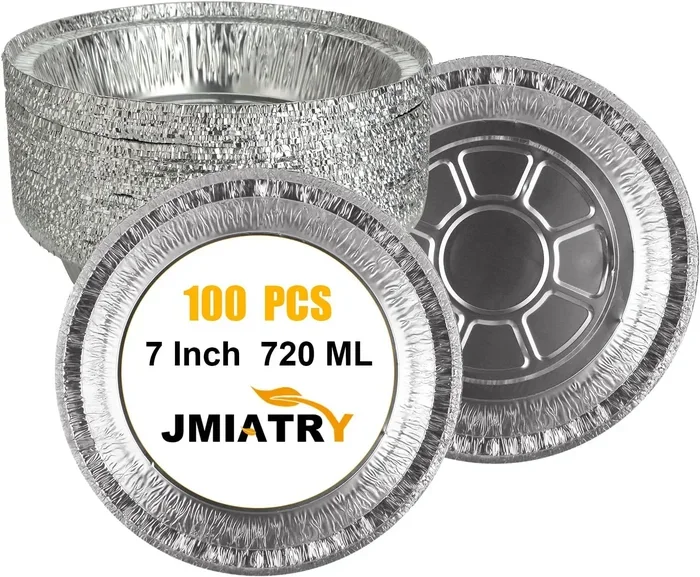
Visual guide about aluminium foil air fryer basket
Image source: m.media-amazon.com
Here’s a simple breakdown of the cooking process:
- The Heating Element: Located at the top of the unit, this electric coil generates intense heat (usually between 300°F and 400°F).
- The Fan: This powerful component blows the hot air around your food rapidly.
- The Basket or Tray: Your food sits here, with holes or slits that allow air to circulate around all sides.
- The Exhaust Vent: Usually located at the back, this releases moisture and hot air.
The Role of Airflow
Air circulation is the magic ingredient in air frying. Without it, your food would just sit there and cook unevenly, kind of like trying to dry clothes on a clothesline with no wind. The moving hot air is what creates that coveted crispy exterior while keeping the inside moist and tender.
This is why foil placement matters so much. If foil blocks the air vents or covers the entire basket, you’re essentially turning your air fryer into a small oven, which defeats the purpose entirely. Food will cook unevenly, take longer, and won’t get crispy.
Where the Heat Comes From
The heating element in most air fryers reaches temperatures of around 400°F to 450°F (204°C to 232°C). Aluminium foil has a melting point of about 1,221°F (660°C), so the foil itself won’t melt. However, if the foil touches the heating element directly, it can cause electrical issues or sparks, which is a serious safety concern.
Here’s a helpful analogy: imagine putting a metal spoon in a microwave. The spoon doesn’t melt, but it creates sparks that can damage the appliance or even cause a fire. The same concept applies, though less dramatically, to foil touching heating elements in an air fryer.
Step-by-Step Guide: How to Use Aluminium Foil Safely
Now that you understand the basics, let’s walk through the exact steps for using aluminium foil in your air fryer. Follow this process every time, and you’ll never have a problem.
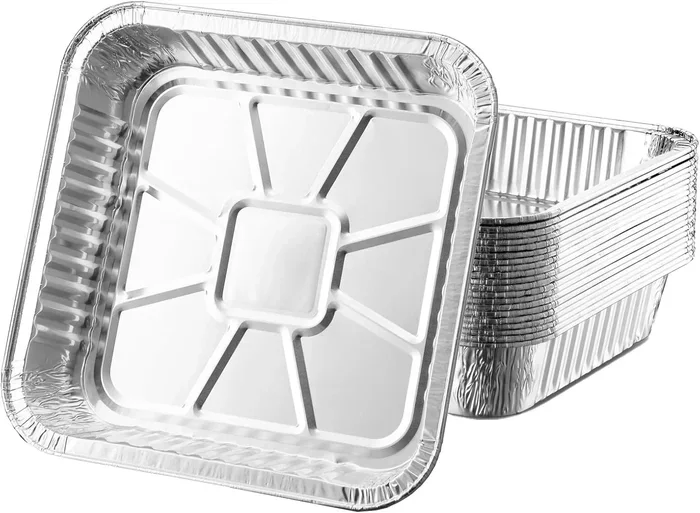
Visual guide about aluminium foil air fryer basket
Image source: m.media-amazon.com
Step 1: Choose the Right Type of Foil
Not all aluminium foil is created equal. Here’s what to look for:
- Heavy-Duty Foil: This is your best bet. It’s thicker (usually 0.001 inch vs. standard 0.0007 inch) and more resistant to tearing.
- Standard Foil: This works fine for most applications but is more likely to tear or blow around.
- Non-Stick Foil: This can be helpful for sticky foods, but make sure it’s rated for high-heat cooking.
Avoid using foil that’s already been crumpled or damaged. Torn pieces can easily get sucked into the fan or fall through the basket holes.
Step 2: Cut and Shape the Foil Properly
The way you shape your foil matters tremendously. Here’s the proper technique:
Measure First: Hold a piece of foil up to your air fryer basket and estimate the size. You’ll want it to cover only the bottom of the basket, not the sides.
Cut to Size: Use scissors to cut the foil so it’s slightly smaller than the basket bottom. Leave about a half-inch gap on all sides to allow air to circulate.
Create Edges: Fold up the edges of the foil slightly (about half an inch) to create a small lip. This helps contain any drips and keeps the foil in place.
Step 3: Secure the Foil with Food
This is the most critical step. Never place foil in an empty air fryer. The fan will catch it and blow it around, potentially into the heating element or fan blades. The foil must always be weighted down by food.
Think of it like a blanket on a windy day. If nothing’s holding it down, it’ll blow away. But if you lie on it, it stays put. The food serves as the “weight” that keeps the foil secured.
Step 4: Position Correctly in the Basket
Place the foil at the bottom of the basket, then arrange your food on top. Make sure:
- The foil doesn’t extend up the sides of the basket
- Food covers at least 75% of the foil surface
- No foil is sticking out beyond the basket edges
- The foil sits flat, without wrinkles or folds that food can’t cover
Step 5: Monitor During Cooking
While air fryers are generally hands-off appliances, the first time you use foil, you should keep an eye on things. Check halfway through cooking to make sure the foil is still in place and nothing is amiss.
If you notice the foil shifting, opening the air fryer and repositioning it is safe. Just pull out the basket, adjust, and continue cooking.
Common Mistakes to Avoid
Even experienced air fryer users make mistakes with foil. Here are the most common errors and how to avoid them.
Mistake #1: Using Foil Without Food on Top
This is the number one mistake people make. They line the basket with foil and then turn on the air fryer, either to preheat or because they forgot to add food. The fan immediately catches the foil and blows it around, potentially causing damage.
The Fix: Always place food on the foil before turning on the appliance. If you’re preheating, do it without foil.
Mistake #2: Covering the Entire Basket
Some people think they’re being thorough by covering every inch of the basket with foil. This blocks airflow and leads to uneven cooking. Food won’t get crispy, and you might end up with soggy results.
The Fix: Cover only the bottom of the basket, leaving space around the edges and never covering the basket’s holes or vents.
Mistake #3: Letting Foil Touch the Heating Element
If your foil is too large or positioned incorrectly, it can touch the heating element at the top of the air fryer. This can cause sparking, smoke, or in extreme cases, fire.
The Fix: Keep foil confined to the bottom of the basket. Never let it extend up the sides or fold over the top edge.
Mistake #4: Using Crumpled Foil
Crumpling foil into a ball and placing it in the basket might seem like a good way to elevate food, but it creates air pockets that can shift and tear. Small pieces can also break off and get sucked into the fan.
The Fix: Always use flat, smooth foil. If you want to elevate food, use a proper air fryer rack or silicone accessory.
Mistake #5: Ignoring Acidic Foods
Did you know that aluminium foil can react with acidic foods like tomatoes, citrus, and vinegar-based sauces? This reaction can cause the food to taste metallic and may even transfer small amounts of aluminium to your food. While generally considered safe, it’s not ideal.
The Fix: Use parchment paper for acidic foods, or avoid wrapping them tightly in foil.
Best Foods to Cook with Aluminium Foil in an Air Fryer
Now that you know how to use foil safely, let’s talk about when it’s actually beneficial. Here are the best scenarios for using foil.
Foods That Benefit from Foil
1. Cheesy or Saucy Foods: When cooking pizza, mozzarella sticks, or anything with melted cheese, foil catches the drips and prevents them from burning on the basket bottom. This makes cleanup incredibly easy.
2. Small or Delicate Foods: Tiny foods like fish pieces, diced vegetables, or small appetizers can fall through the basket holes. Foil acts as a barrier to keep them contained.
3. Marinated Foods: Foods sitting in marinade (like teriyaki chicken or BBQ ribs) can drip and create a mess. Foil contains the mess perfectly.
4. Foil Packet Meals: You can actually create sealed foil packets for foods like fish, vegetables, or potatoes. This steams the food inside while the outside gets crispy.
Foods That Don’t Need Foil
Some foods work better without foil:
- Dry, Crispy Foods: French fries, chicken wings, and similar foods need maximum airflow to get crispy. Foil can hinder this.
- Whole Roasts: Large cuts of meat or whole chickens need 360-degree air circulation.
- Foods That Need Basting: If you’re brushing sauce on food during cooking, foil can get in the way.
Creative Foil Techniques
Beyond just lining the basket, you can use foil for creative cooking techniques:
Foil Boats: Create small foil containers for foods that might otherwise fall apart, like delicate fish fillets or stuffed mushrooms.
Foil Shields: If one part of your food is browning too quickly (like the tips of chicken drumsticks), you can create a small foil tent to protect it.
Foil Rack: Crumple foil loosely and shape it into a rack to elevate food from the bottom, similar to a roasting rack. Just remember to keep it stable and covered with food.
Alternatives to Aluminium Foil
While foil is versatile, it’s not your only option. Here are some alternatives worth considering.
Parchment Paper
Air fryer parchment paper is specifically designed with holes for airflow. It’s excellent for baking, cookies, and foods that might stick. However, it can’t handle the same weight as foil and isn’t great for very messy foods.
Parchment paper is also more environmentally friendly in some ways, as it can be composted, whereas aluminium foil requires significant energy to recycle.
Silicone Mats and Baskets
Reusable silicone accessories are becoming increasingly popular. They’re:
- Reusable and eco-friendly
- Heat-resistant up to 500°F
- Non-stick
- Easy to clean
The downside is they don’t conduct heat as well as foil, so food might not get quite as crispy on the bottom.
Air Fryer Liners
Pre-made air fryer liners are available in disposable paper or reusable silicone versions. They’re specifically sized for common air fryer models and come with holes already cut for airflow.
When to Skip the Liner Entirely
Sometimes, no liner is the best choice. This is true when:
- You’re cooking dry, crispy foods that need maximum airflow
- You’re cooking at very high temperatures (above 400°F)
- You’re trying to achieve an extra-crispy bottom crust
Plain basket cooking allows hot air to contact food from all angles, creating the crispiest results possible.
Frequently Asked Questions About Aluminium Foil in Air Fryers
Even with all this information, you might still have some specific questions. Let’s address the most common ones.
Can I Use Aluminium Foil in Any Brand of Air Fryer?
Yes, aluminium foil can be used in virtually all air fryer brands, including Ninja, Cosori, Philips, Instant Vortex, Power XL, and others. However, always check your specific model’s manual for any unique restrictions, as some newer models with exposed heating elements may have stricter guidelines.
Will Aluminium Foil Catch Fire in My Air Fryer?
Aluminium foil itself won’t catch fire at air fryer temperatures. However, if foil touches the heating element and causes sparks, this could potentially ignite food residue or grease. The risk is minimal when foil is used correctly, but proper placement eliminates it entirely.
Does Cooking with Aluminium Foil Affect Food Taste?
When used properly, aluminium foil doesn’t significantly affect food taste. However, cooking highly acidic foods (like tomatoes or vinegar-heavy dishes) in direct contact with foil for extended periods can cause a slight metallic taste. For these foods, use parchment paper instead.
Can I Use Foil in the Bottom of My Air Fryer Oven?
For larger air fryer ovens (the toaster-oven style), you can use foil, but be extra careful. These models often have exposed heating elements on top and bottom, making it easier for foil to make contact. Always place foil on the rack, never directly on bottom heating elements.
How Do I Clean Foil Out of My Air Fryer?
If foil accidentally ends up in the wrong place, turn off and unplug your air fryer immediately. Let it cool completely, then use tongs to remove the foil. Never use metal utensils that could damage the non-stick coating. If small pieces are stuck, a soft brush works well.
Is Heavy-Duty Foil Worth the Extra Cost?
Yes, especially for air fryer use. Heavy-duty foil is about 30% thicker than standard foil, making it more resistant to tears and shifting during cooking. The cost difference is minimal (usually just a dollar or two), and the peace of mind is worth it.
The Bottom Line: Foil and Air Fryers Are a Great Combination
So, can you put aluminium foil in an air fryer? Absolutely yes! When you follow the simple guidelines we’ve covered, aluminium foil becomes one of your most useful air frying accessories. It makes cleanup easier, helps cook delicate foods, and can even enhance certain cooking techniques.
The key is always remembering the golden rules: weigh foil down with food, keep it away from heating elements, don’t block airflow, and use the right type of foil. Follow these principles, and you’ll enjoy all the benefits foil offers without any of the risks.
As air fryer technology continues to evolve, with over 40 million units now in American households alone, knowing how to use accessories like aluminium foil is becoming essential cooking knowledge. Whether you’re a busy parent looking to simplify cleanup, a college student cooking in a small space, or a food enthusiast exploring new cooking methods, mastering foil use will enhance your air frying experience.
Start with simple applications, like lining the basket when cooking saucy chicken wings or delicate fish, and gradually experiment with more advanced techniques like foil packets and shields. Before you know it, you’ll be using foil like a professional chef, creating perfectly cooked meals with minimal cleanup. Happy air frying!