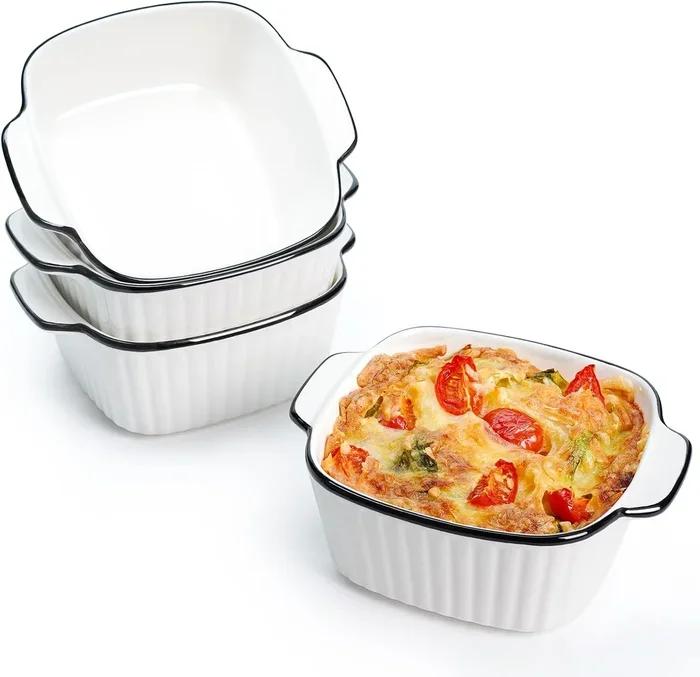
Featured image for Ceramic dish air fryer
Image source: m.media-amazon.com
Yes, you can put ceramic in an air fryer, but only if it’s oven-safe and rated for high temperatures (typically up to 400°F/200°C). Regular decorative ceramics, glazed pottery, or ceramics with metallic trim should never go in an air fryer, as they can crack, shatter, or release harmful chemicals. Always check the manufacturer’s label for “oven-safe” or “heat-resistant” markings before use to ensure both safety and food quality.
Imagine pulling a beautifully golden-brown chicken thigh from your air fryer, perfectly cooked in a ceramic dish that handled the heat like a champ. Now imagine the alternative: that same dish cracking into pieces, ruining your meal and potentially damaging your appliance. The difference comes down to one crucial question: can you put ceramic in an air fryer safely?
The short answer is yes, but with important caveats. Not every ceramic dish belongs in an air fryer. Understanding which ceramics are safe, why some aren’t, and how to use them properly can transform your air frying from guesswork into culinary confidence. This comprehensive guide breaks down everything you need to know, from material science to practical cooking tips, so you can make informed decisions every time you press that power button.
Air fryers have revolutionized home cooking, with the global air fryer market reaching $1.1 billion in 2023 and continuing to grow as households embrace this energy-efficient alternative to traditional ovens. With this surge in popularity, questions about cookware compatibility have become increasingly common, and ceramic ranks among the most frequently asked about materials. Let’s dive into the details so you can cook with confidence.
Key Takeaways
- Oven-Safe Certification Matters: Only ceramics explicitly labeled as oven-safe can go in an air fryer, as they withstand temperatures up to 400°F without cracking.
- Avoid Decorative Ceramics: Vases, handmade pottery, and ceramics with metallic glaze or paint should never be used due to cracking risks and chemical leaching.
- Temperature Limits Apply: Most oven-safe ceramics have a maximum temperature threshold, typically 450°F, which aligns well with air fryer cooking ranges.
- Sudden Temperature Changes Cause Damage: Placing cold ceramic into a hot air fryer (or vice versa) creates thermal shock, the leading cause of ceramic cracking.
- Size and Airflow Considerations: Ceramic dishes must fit without touching heating elements and allow proper air circulation for even cooking.
- Material Composition Affects Safety: Porcelain and stoneware are generally safer than earthenware, which is more porous and prone to moisture-related cracking.
- Alternative Materials Exist: If unsure about your ceramic’s safety, consider using silicone, stainless steel, or dedicated air fryer accessories instead.
📑 Table of Contents
- Understanding Ceramic Cookware: What Makes It Different
- Can You Put Ceramic in an Air Fryer? The Direct Answer
- The Critical Role of Temperature and Thermal Shock
- Size, Shape, and Airflow: Practical Considerations
- Best Ceramic Dishes for Air Fryer Use: Top Recommendations
- Alternative Materials: When Ceramic Isn’t the Best Choice
- Best Practices: Using Ceramic Safely in Your Air Fryer
- Common Mistakes to Avoid
- The Bottom Line: Ceramic and Air Fryers Can Work Beautifully Together
Understanding Ceramic Cookware: What Makes It Different
Ceramics have been part of human civilization for over 27,000 years, with the first pottery vessels appearing during the Upper Paleolithic period. Today, ceramics encompass a wide range of materials, from delicate porcelain teacups to rugged stoneware baking dishes. Understanding these differences is essential before introducing ceramic into your air fryer.
The Science Behind Ceramic Heat Resistance
Ceramics are inorganic, non-metallic materials made by shaping and then hardening clay and other compounds at high temperatures. The firing process—where clay transforms into a hard, durable material—determines much of its final properties. Think of ceramic like a sponge that’s been super-glued together: the tiny pores get sealed during firing, making the final product more or less resistant to heat and moisture depending on how it was made.
When ceramic meets heat, the molecules vibrate faster, causing expansion. Different ceramics expand at different rates, which is why some can handle rapid temperature changes while others shatter. This property, called thermal shock resistance, is the key factor determining whether your ceramic dish survives the air fryer’s intense heat circulation.
Types of Ceramic and Their Heat Tolerance
Not all ceramics are created equal. Here’s a breakdown of the most common types:
- Porcelain: Fired at extremely high temperatures (around 2,400°F), porcelain is dense, non-porous, and highly resistant to thermal shock. It’s one of the safest ceramics for air fryer use, handling rapid temperature changes better than most alternatives.
- Stoneware: Fired at lower temperatures than porcelain (around 2,000°F), stoneware is durable but slightly more porous. It’s generally oven-safe and works well in air fryers, though it requires more careful temperature management.
- Earthenware: The most traditional form of pottery, earthenware is fired at lower temperatures (around 1,900°F) and remains quite porous. It’s more susceptible to moisture absorption and thermal shock, making it riskier for air fryer use.
- Bone China: Despite its delicate appearance, bone china is fired at high temperatures and can handle heat reasonably well, though it’s typically reserved for tableware rather than cooking.
- Ceramic-Coated Metal: This isn’t true ceramic but rather a metal pan with a ceramic non-stick coating. These are explicitly designed for cooking and generally air-fryer safe, though they have different considerations than pure ceramic.
Can You Put Ceramic in an Air Fryer? The Direct Answer
Yes, you can put ceramic in an air fryer, provided the ceramic is explicitly labeled as oven-safe or heat-resistant. The critical word here is “labeled.” A decorative ceramic bowl from a thrift store, a hand-painted pottery dish, or any ceramic without clear manufacturer guidelines should not enter your air fryer under any circumstances.
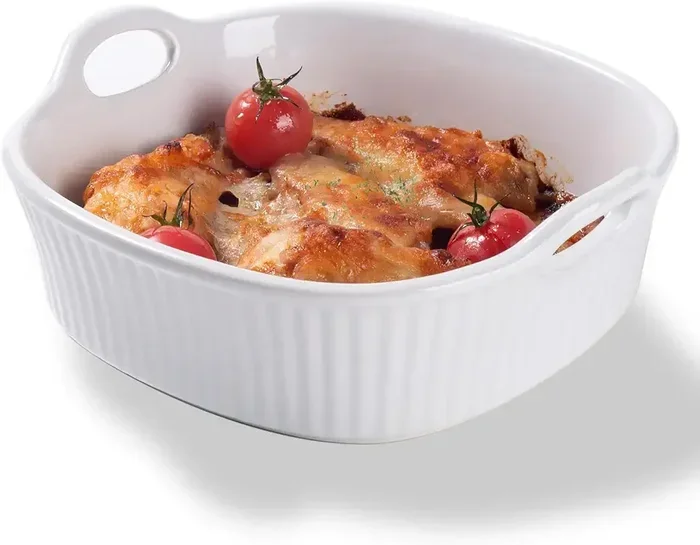
Visual guide about Ceramic dish air fryer
Image source: m.media-amazon.com
Why “Oven-Safe” Certification Is Non-Negotiable
The term “oven-safe” isn’t just marketing language—it’s a tested and verified claim. When manufacturers label ceramic as oven-safe, they’ve subjected it to rigorous testing that simulates years of thermal stress. According to the U.S. Consumer Product Safety Commission (CPSC), cookware that meets oven-safe criteria can withstand temperatures of at least 400°F without structural failure.
Standard air fryers operate between 170°F and 400°F, with most cooking occurring between 300°F and 400°F. This range aligns perfectly with the capabilities of most oven-safe ceramics, creating a compatible cooking environment. However, some air fryers reach 450°F or higher, which approaches the upper limits of even oven-safe ceramics.
Red Flags: Ceramics That Should NEVER Go in an Air Fryer
Some ceramics pose serious risks when exposed to air fryer conditions. Avoid these types at all costs:
- Decorative ceramics: Items meant for display rather than cooking often contain materials not rated for food-grade heat exposure.
- Ceramics with metallic glaze or paint: Gold, silver, or metallic trim can arc, spark, and potentially damage your air fryer’s heating element.
- Ceramics with cracks or chips: Existing damage weakens structural integrity, making catastrophic failure under heat more likely.
- Antique or handmade pottery: Without standardized testing, these pieces may contain lead-based glazes or materials not rated for modern cooking temperatures.
- Ceramics with plastic or wooden elements: Handles, lids, or decorative additions made from non-heat-resistant materials will melt or burn.
The Critical Role of Temperature and Thermal Shock
Even oven-safe ceramic has limits, and understanding temperature management is the difference between a perfectly cooked meal and a kitchen disaster. Did you know that thermal shock causes approximately 15% of all ceramic cookware failures, according to industry safety studies? This statistic highlights why sudden temperature changes are ceramics’ biggest enemy.

Visual guide about Ceramic dish air fryer
Image source: m.media-amazon.com
What Is Thermal Shock?
Thermal shock occurs when different parts of an object expand at different rates due to rapid temperature change. Imagine jumping into a cold pool on a hot day—that sudden change feels shocking because your body can’t adjust quickly enough. Ceramics experience the same phenomenon, but instead of goosebumps, they develop stress fractures that can lead to shattering.
In an air fryer, thermal shock risk is highest when you place a cold ceramic dish into a preheated appliance or remove a hot dish into a cool countertop. The temperature difference between the ceramic’s surface and its core creates internal stress that the material may not withstand.
Safe Temperature Practices for Ceramic in Air Fryers
Follow these guidelines to minimize thermal shock risk:
- Preheat gradually: If your air fryer has a preheat function, consider placing the ceramic inside during preheating rather than adding it afterward.
- Avoid temperature extremes: Don’t take ceramic directly from the refrigerator to a 400°F air fryer. Let it come to room temperature first if possible.
- Never use the “max” temperature setting initially: Start at a lower temperature and gradually increase if your recipe requires it.
- Allow gradual cooling: After cooking, let the ceramic cool in the air fryer for a few minutes before removing it to a room-temperature surface.
- Check manufacturer specs: Your specific ceramic dish may have a maximum temperature rating printed on the bottom or included in packaging documentation.
Size, Shape, and Airflow: Practical Considerations
Beyond material safety, physical compatibility between your ceramic dish and air fryer basket determines whether you’ll achieve good results. Air fryers work by circulating hot air at high speeds around food, and anything that disrupts this airflow creates uneven cooking.
Finding the Right Fit
Most standard air fryers have baskets measuring between 5 and 7 inches in diameter, though capacity varies significantly by model. Your ceramic dish should:
- Fit comfortably within the basket without forcing or tilting
- Leave at least half an inch of clearance on all sides for air circulation
- Not touch the heating element above or the heating coil underneath
- Allow easy insertion and removal without bumping basket walls
For larger air fryer ovens or multi-rack models, you have more flexibility with ceramic dish sizes, but the same airflow principles apply. Each rack level needs adequate space for hot air to move around the food.
Shape Considerations for Optimal Cooking
Round dishes generally allow better airflow than square or rectangular ones, which can create dead spots in corners. However, shallow ceramic dishes work better than deep ones, as air fryer heat primarily comes from above. Food in deep ceramic dishes may not receive adequate direct heat, leading to uneven browning.
If you’re cooking foods that produce significant moisture—think casseroles, cheesy dishes, or marinated proteins—use ceramic dishes with slightly elevated bottoms or those designed for fat drainage. This prevents sogginess while leveraging ceramic’s excellent heat retention properties.
Best Ceramic Dishes for Air Fryer Use: Top Recommendations
Not every ceramic dish is created equal, and some are specifically designed with air fryer compatibility in mind. Here are the characteristics to look for when selecting ceramic dishes for your air fryer collection.
Features of Air Fryer-Ready Ceramic
When shopping for ceramic dishes for air fryer use, prioritize these features:
- Explicit “oven-safe” labeling with specific temperature ratings
- Compact dimensions that fit standard air fryer baskets
- Flat or slightly raised bottoms for even heat distribution
- Sturdy construction without thin, fragile areas that may crack under heat stress
- Smooth, food-safe glazes without metallic accents or decorative elements
- Heat-resistant handles made of the same ceramic material or other heat-tolerant materials
Popular Ceramic Types That Work Well
Based on user reviews and manufacturer testing, these ceramic types tend to perform well in air fryers:
- Ramekins: Small ceramic ramekins (4-6 ounce capacity) are perfect for individual portions, egg dishes, and small desserts. Their compact size fits easily in most air fryers.
- Ceramic baking dishes: Purpose-made ceramic baking dishes for air fryers offer optimal sizing and verified temperature ratings.
- Stoneware pans: Quality stoneware handles air fryer temperatures well and provides excellent heat retention for even cooking.
- Porcelain dishes: High-fired porcelain offers superior thermal shock resistance, making it ideal for air fryer use.
Ceramic Dishes to Approach with Caution
Some ceramics work but require extra attention. Vintage Pyrex and older ceramic bakeware may not be as thermally resilient as modern equivalents. If using older pieces, start at lower temperatures and avoid sudden changes. Similarly, very thick ceramic dishes may take longer to heat through but offer better heat retention once hot.
Alternative Materials: When Ceramic Isn’t the Best Choice
Sometimes ceramic isn’t the ideal material for your air fryer cooking, regardless of safety considerations. Understanding alternatives helps you make informed decisions for every recipe.
Comparing Ceramic to Other Air Fryer Materials
Here’s how ceramic stacks up against common air fryer-friendly materials:
- Silicone: Flexible, lightweight, and heat-resistant up to 500°F, silicone is excellent for baked goods and easy cleanup. However, it doesn’t provide the same browning as ceramic.
- Stainless Steel: Durable and reliable, stainless steel handles the highest air fryer temperatures with ease. It heats quickly but may cause hot spots if not thick enough.
- Aluminum: Lightweight with excellent heat conductivity, aluminum heats quickly and evenly. However, it may react with acidic foods unless coated.
- Cast Iron: Outstanding heat retention and durability, cast iron works wonderfully in air fryers but adds significant weight and requires seasoning maintenance.
- Parchment Paper: Specifically designed air fryer parchment liners simplify cleanup but don’t contribute to cooking performance beyond preventing sticking.
When to Choose Alternatives Over Ceramic
Consider alternative materials when:
- You’re unsure about your ceramic’s heat rating
- The recipe requires temperatures above ceramic’s safe maximum
- You need quick heating and immediate serving (ceramic retains heat longer)
- Weight is a concern (ceramic can be heavy)
- You want easier cleanup (some ceramics have porous glazes that absorb stains)
Best Practices: Using Ceramic Safely in Your Air Fryer
Even with safe ceramic and proper temperature management, following established best practices ensures both safety and optimal cooking results. These guidelines come from manufacturer recommendations, culinary experts, and thousands of home cooking experiences.
Pre-Cooking Preparation
Before placing any ceramic dish in your air fryer, take these preparatory steps:
- Verify the oven-safe label: Check the bottom of the dish for temperature ratings and oven-safe certifications.
- Inspect for damage: Examine the dish carefully for any cracks, chips, or weak points. Damaged ceramic under heat stress can fail catastrophically.
- Clean thoroughly: Ensure no grease residue or food particles remain, as these can smoke or burn at high temperatures.
- Bring to room temperature: If the dish is cold from storage, let it warm to room temperature before air frying.
- Lightly grease if needed: Some ceramic glazes work better with a thin layer of oil for food release.
During Cooking
While your ceramic dish is in the air fryer, keep these considerations in mind:
- Avoid extreme temperatures: Stay within the manufacturer’s recommended maximum for your specific dish.
- Don’t overfill: Leave space between food and the top of the dish for proper air circulation.
- Monitor cooking progress: Ceramic retains heat well, so food may cook faster than expected. Check periodically to avoid overcooking.
- Use oven mitts: Ceramic dishes get extremely hot in air fryers, and their handles (if any) may not provide adequate protection.
- Keep the air fryer on stable surfaces: The added weight of ceramic dishes can affect air fryer balance, especially countertop models.
Post-Cooking Care
After removing your ceramic dish from the air fryer:
- Let it cool gradually: Avoid placing hot ceramic on cold surfaces, which can cause thermal shock.
- Clean appropriately: Most ceramics are dishwasher-safe, but hand washing extends lifespan. Avoid abrasive cleaners that damage glazes.
- Store carefully: Stack ceramic dishes with protective layers between them to prevent chipping.
- Inspect regularly: Check for any new cracks or damage after each use, as heat stress can cause cumulative damage over time.
Common Mistakes to Avoid
Even experienced cooks make errors with ceramic in air fryers. Learning from others’ mistakes saves you from ruined dishes and potential safety hazards.
Mistake #1: Assuming All Ceramics Are Equal
One of the most common mistakes is treating all ceramics as universally safe. A decorative ceramic bowl from a souvenir shop is fundamentally different from a purpose-made oven-safe ceramic dish, even if they look similar. The absence of proper testing means you have no way of knowing how it will respond to air fryer conditions.
Mistake #2: Ignoring Temperature Limits
Just because a ceramic is oven-safe doesn’t mean it’s safe at any temperature. Most oven-safe ceramics have specific upper limits, often 450°F. Pushing beyond these limits invites failure. Always check the manufacturer’s maximum temperature rating before cooking.
Mistake #3: Skipping the Gradual Temperature Transition
Placing a cold ceramic dish directly into a preheated 400°F air fryer creates extreme thermal stress. This is one of the fastest ways to crack even oven-safe ceramic. Always allow gradual temperature transitions when possible.
Mistake #4: Using Damaged Ceramics
A small chip or hairline crack might seem harmless, but heat stress can cause existing damage to spread rapidly. If your ceramic shows any signs of damage, retire it from cooking use.
Mistake #5: Blocking Airflow
Stuffing too large a ceramic dish into your air fryer prevents proper air circulation, leading to uneven cooking and potential overheating in certain areas. Respect your air fryer’s capacity guidelines.
The Bottom Line: Ceramic and Air Fryers Can Work Beautifully Together
Ceramic and air fryers are an excellent combination when approached with knowledge and care. The key principles to remember are simple: choose only oven-safe ceramics with verified temperature ratings, respect thermal shock risks by avoiding sudden temperature changes, ensure proper sizing for airflow, and inspect your dishes regularly for damage.
When you follow these guidelines, ceramic dishes offer unique advantages in air fryers. Their excellent heat retention creates wonderfully even cooking, while their attractive appearance means you can serve directly from the air fryer to the table. From individual ramekins of crème brûlée to family-sized stoneware casseroles, ceramic expands your air fryer cooking possibilities in ways that plastic or metal simply cannot match.
Remember that the air fryer market continues evolving, with manufacturers developing increasingly versatile models that accommodate diverse cookware types. As you build your air fryer cooking confidence, ceramic dishes become another valuable tool in your culinary arsenal—one that bridges the gap between practical cooking and beautiful presentation.
Start with a single purpose-made air fryer ceramic dish, experiment with your favorite foods, and discover how this ancient material continues serving modern cooking needs. With proper care, your ceramic air fryer dishes will provide years of reliable, beautiful cooking performance.
Frequently Asked Questions
Can all ceramic dishes go in an air fryer?
No, only ceramics explicitly labeled as oven-safe or heat-resistant should go in an air fryer. Decorative ceramics, handmade pottery, and ceramics with metallic glazes can crack, shatter, or release harmful substances at air fryer temperatures. Always check the manufacturer’s specifications before use.
What temperature is safe for ceramic in an air fryer?
Most oven-safe ceramics can handle temperatures up to 400-450°F, which aligns well with standard air fryer cooking ranges. Check your specific dish’s maximum temperature rating, as exceeding it can cause thermal shock and cracking. Never exceed the manufacturer’s stated limits.
Will ceramic crack in an air fryer?
Ceramic can crack in an air fryer if it’s not oven-safe, if it experiences sudden temperature changes (thermal shock), or if it has existing damage. Oven-safe ceramics used within their temperature ratings and with gradual heating/cooling rarely crack. Pre-warming cold ceramics and allowing hot ceramics to cool gradually prevents most cracking incidents.
Can I put a ceramic plate in the air fryer?
Only if the ceramic plate is labeled as oven-safe. Standard dinner plates aren’t typically designed for cooking temperatures and may crack or shatter. Purpose-made oven-safe ceramic plates designed for baking or cooking work well, but decorative or thin dinner plates should stay out of the air fryer.
Is it safe to put ceramic-coated pans in an air fryer?
Yes, ceramic-coated pans designed for cooking are generally safe for air fryer use. These pans have a metal base with a ceramic non-stick coating and are specifically tested for high-heat cooking. Check the manufacturer’s guidelines for maximum temperature ratings and avoid using metal utensils that can scratch the coating.
What can I use instead of ceramic in my air fryer?
Several alternatives work well in air fryers, including silicone pans and molds (heat-resistant to 500°F), stainless steel dishes, aluminum pans, and cast iron cookware. Air fryer-specific parchment liners are excellent for easy cleanup. Each material has different properties, so choose based on your recipe’s temperature requirements and desired cooking results.