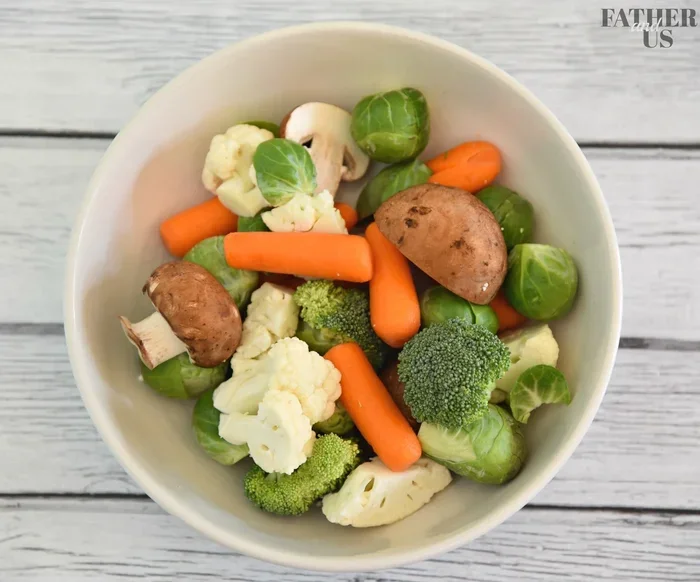
Featured image for Crispy air fryer vegetables
Image source: fatherandus.com
Yes, you can absolutely roast vegetables in an air fryer, and the results are often better than oven roasting. Air fryers use hot, circulating air to mimic the roasting process, producing crispy edges and tender centers with less oil. This guide covers the best vegetables, times, temperatures, and pro tips for perfect air fryer roasted vegetables every single time.
Key Takeaways
- Yes, It’s Possible and Easy: Air fryers roast vegetables beautifully using circulating hot air, giving you crispy results with less oil than traditional methods.
- Temperature Matters: Most vegetables roast best at 375°F to 400°F, though delicate veggies like zucchini do better at slightly lower temps.
- Don’t Overcrowd the Basket: Giving vegetables space allows the hot air to circulate properly, ensuring even browning and crispiness.
- Less Oil Is Needed: You typically only need 1 to 2 teaspoons of oil, compared to tablespoons needed in oven roasting.
- Cooking Times Vary: Dense veggies like potatoes take 20-25 minutes, while softer veggies like peppers take just 8-10 minutes.
- Shaking Is Essential: Tossing or shaking the basket halfway through cooking ensures all sides get evenly roasted and crispy.
- Versatility Is Key: Almost any vegetable can be air fried, from broccoli and carrots to Brussels sprouts, asparagus, and even corn on the cob.
📑 Table of Contents
- Yes, You Can Roast Vegetables in an Air Fryer (And Here’s Why You’ll Love It)
- How Air Fryer Roasting Actually Works (The Simple Science)
- The Best Vegetables to Roast in an Air Fryer
- Step-by-Step: How to Roast Vegetables in an Air Fryer Perfectly
- Pro Tips and Common Mistakes to Avoid
- Cooking Time and Temperature Chart for Common Vegetables
- Frequently Asked Questions About Air Fryer Roasted Vegetables
- Final Thoughts: Your Air Fryer Is a Vegetable-Roasting Powerhouse
Yes, You Can Roast Vegetables in an Air Fryer (And Here’s Why You’ll Love It)
Picture this: it’s 6 PM on a Tuesday, you’re hungry, and you want a side dish that’s healthy, crispy, and ready in under 20 minutes. Traditional oven roasting takes 30-45 minutes and heats up your whole kitchen. Boiling vegetables makes them soft and sad. But what if I told you your air fryer could roast vegetables perfectly, with crispy edges and tender centers, in about half the time?
If you’ve ever wondered, “can you roast vegetables in an air fryer?” the short answer is a resounding yes. In fact, air fryers are kind of amazing at this job. They were practically designed for it. The same technology that gives you crispy chicken wings and golden french fries works wonders on broccoli, carrots, Brussels sprouts, and just about any vegetable you can think of.
Air fryers use a powerful heating element and a fan to circulate hot air around your food at high speeds. Think of it like a tiny, super-powered convection oven sitting on your countertop. That circulating hot air is exactly what “roasting” really is: dry, intense heat that caramelizes the outside of food while cooking the inside. So when you ask if you can roast vegetables in an air fryer, you’re really asking if an air fryer can do what an oven does, just faster and with less energy. And yes, it absolutely can.
How Air Fryer Roasting Actually Works (The Simple Science)
Before we dive into recipes and tips, let’s talk about why air fryers work so well for roasting vegetables. Understanding the science, even just a little, makes you a better cook.
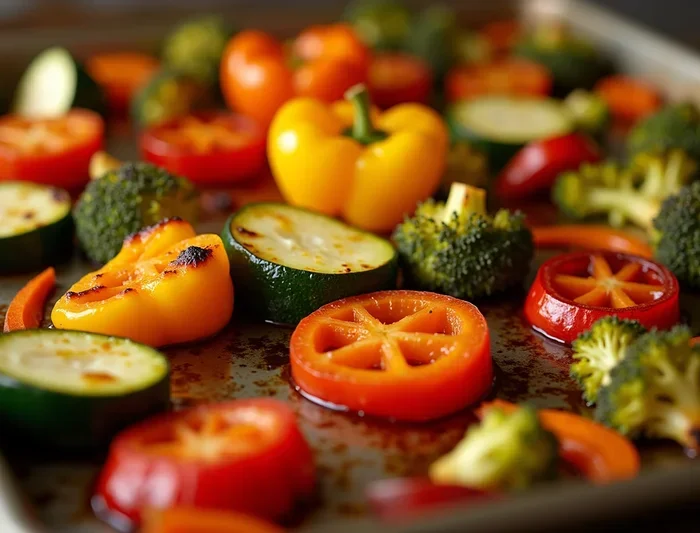
Visual guide about Crispy air fryer vegetables
Image source: airfrycentral.com
The Magic of Hot Air Circulation
Roasting, at its core, is cooking food with dry, hot air. That’s it. When you roast vegetables in a traditional oven, hot air surrounds them, the surface dries out, and something called the Maillard reaction happens. This is the chemical process that turns food golden brown and creates those delicious, complex flavors we associate with roasted food.
An air fryer does the same thing, but more efficiently. Instead of passively waiting for hot air to drift around your food, the air fryer actively blasts it directly onto the vegetables from multiple angles. It’s like the difference between standing in a breeze and standing in front of a fan. The fan wins every time.
Why Less Oil Works Better
Here’s something that surprises many people: you need way less oil when air frying vegetables. In a traditional oven, oil helps transfer heat and prevents sticking. But because the air fryer’s circulating air is so efficient at transferring heat, a tiny amount of oil goes a long way.
According to a study published in the Journal of Food Science, air-fried foods can contain up to 70-80% less fat than deep-fried versions. While roasting isn’t the same as deep frying, the principle holds: less oil means healthier food without sacrificing that satisfying crunch.
An Analogy That Makes It Click
Think of air fryer cooking like this: imagine you’re trying to dry your hair. You could stand still and let the air around you slowly evaporate the moisture (oven roasting), or you could grab a hair dryer and point it right at your head (air frying). The hair dryer approach is faster, more targeted, and more effective. That’s exactly how an air fryer handles vegetables.
The Best Vegetables to Roast in an Air Fryer
Here’s the great news: almost every vegetable can be roasted in an air fryer. But some really shine. Let’s break them down by type so you know what to expect.
Hard and Dense Vegetables (The Crowd Favorites)
These vegetables are your best friends when learning how to roast vegetables in an air fryer. They’re forgiving, flavorful, and get incredibly crispy.
- Potatoes: Cubed, wedged, or sliced, potatoes are classic. Expect 15-20 minutes at 400°F for cubes. Russets get super crispy, while Yukon golds stay creamier inside.
- Sweet Potatoes: Cut into cubes or rounds, they caramelize beautifully. About 15-18 minutes at 380°F.
- Carrots: Cut into sticks or coins. They get sweet and slightly charred. About 12-15 minutes at 390°F.
- Beets: Peeled and cubed, they become tender and jewel-like. About 15-20 minutes at 380°F.
- Parsnips: Similar to carrots but sweeter. They roast in about 12-15 minutes.
Medium-Density Vegetables (The Versatile Players)
These need a bit less time but still deliver excellent results.
- Broccoli: Florets roast in 8-10 minutes. The edges get crispy and almost nutty.
- Cauliflower: Similar to broccoli. Cut into florets and roast for 10-12 minutes.
- Brussels Sprouts: Halved sprouts get crispy exteriors and tender middles in about 12-15 minutes. This is where air fryers truly outshine ovens.
- Asparagus: Trimmed spears cook in just 6-8 minutes. Thin spears cook faster than thick ones.
- Green Beans: Trimmed and ready in 8-10 minutes. They stay snappy and bright.
Soft and Quick-Cooking Vegetables (Handle with Care)
These can turn mushy if you’re not careful. Use slightly lower temperatures and check often.
- Zucchini and Yellow Squash: Cut into thick rounds or spears. About 8-10 minutes at 375°F. Higher heat makes them soggy.
- Bell Peppers: Sliced or chunked, they roast in 6-8 minutes. They get sweet and slightly charred.
- Mushrooms: Whole or halved, they cook in 8-10 minutes. They release liquid, so don’t overcrowd.
- Onions: Cut into wedges or rings. About 10-12 minutes for wedges.
- Tomatoes: Cherry or grape tomatoes burst and caramelize in 6-8 minutes. Larger slices need 8-10 minutes.
Did You Know?
According to the USDA, air-frying can preserve more nutrients in vegetables compared to boiling because there’s no water to leach out vitamins like Vitamin C and B vitamins. Boiling can cause nutrient losses of 25-50% in some vegetables, while air frying typically preserves over 90% of heat-sensitive nutrients.
Step-by-Step: How to Roast Vegetables in an Air Fryer Perfectly
Now that you know what to cook, let’s talk about how to cook it right. Follow these steps and you’ll get perfect results every time.
Step 1: Prep Your Vegetables Properly
Cut your vegetables into similar-sized pieces. This is the golden rule. If some pieces are tiny and others are huge, the small ones will burn while the large ones stay raw. Aim for pieces that are roughly the same size, usually between 1/2 inch and 1 inch thick.
For dense vegetables like potatoes and carrots, smaller pieces cook faster but may not get as crispy. Larger pieces take longer but give you more of a tender interior with a crispy exterior. Experiment to find your preference.
Wash and dry your vegetables thoroughly. Excess water creates steam, which prevents browning. Pat them dry with a paper towel before oiling.
Step 2: Season Smartly
Toss your vegetables in a small bowl with 1-2 teaspoons of oil. Yes, just teaspoons. Olive oil, avocado oil, or even coconut oil work great. The oil should lightly coat each piece, not pool at the bottom of the bowl.
Add salt, pepper, and any other seasonings you like. Garlic powder, paprika, Italian seasoning, cumin, or curry powder all work beautifully. Toss again to distribute evenly.
Did You Know? A 2020 study in the journal Frontiers in Nutrition found that adding healthy fats like olive oil to vegetables actually increases your absorption of fat-soluble vitamins like A, D, E, and K. So a little oil isn’t just for flavor, it’s for nutrition too.
Step 3: Arrange (Don’t Pile) in the Basket
This is where most people go wrong. They dump all their vegetables into the basket and pile them high. Don’t do this. The air needs to flow around each piece. If vegetables are touching, the touching sides will steam instead of roast.
Work in batches if you have to. It’s better to do two smaller batches that are perfectly crispy than one big batch of soggy vegetables. A single layer is ideal, though a slight overlap is okay.
Step 4: Set the Right Temperature
Most vegetables roast beautifully at 375°F to 400°F. Here’s a general guide:
- Hard vegetables: 400°F for maximum caramelization
- Medium vegetables: 380-400°F
- Soft vegetables: 375°F to prevent sogginess
Some air fryers run hotter than others. If you notice burning, lower the temperature by 25°F. If vegetables aren’t browning enough, bump it up.
Step 5: Shake, Don’t Stir
About halfway through cooking, pull out the basket and shake it gently, or use tongs to flip the vegetables. This ensures all sides get exposed to that circulating hot air. Most air fryer recipes will tell you to “shake the basket” midway, and there’s real science behind it.
Step 6: Check for Doneness
Use the last 2-3 minutes of cooking time to check. Vegetables should be golden brown on the edges and tender when pierced with a fork. If they’re not quite there, add another 2-3 minutes.
Remember that vegetables continue cooking slightly after you remove them due to residual heat, so you can pull them out when they’re almost done.
Pro Tips and Common Mistakes to Avoid
Even though air frying vegetables is simple, a few insider tips can take your results from good to great.
Tip 1: Preheat Your Air Fryer
Most people skip preheating, but 3-5 minutes of preheating makes a noticeable difference. Starting with a hot basket means the vegetables start crisping immediately rather than slowly warming up. It’s the same reason restaurants preheat their ovens.
Tip 2: Use Parchment Paper (With Holes)
Air fryer parchment liners with holes make cleanup easier and prevent sticking. Make sure to use liners with holes so air can still circulate. Never put plain parchment paper in without food on it, as it can fly up into the heating element.
Tip 3: Mist Delicate Veggies with Oil
For vegetables that dry out easily, like asparagus or green beans, a light mist of oil halfway through cooking helps them stay tender without drying out.
Tip 4: Add Cheese or Nuts at the End
If you’re adding parmesan, breadcrumbs, or nuts, add them in the last 2 minutes of cooking. They’ll burn if added too early. This is also when you’d add fresh herbs like parsley or basil.
Tip 5: Combine Strategically
If you want to roast a medley, combine vegetables with similar cooking times. Potatoes and carrots work together. Broccoli and bell peppers pair well. Don’t mix potatoes (20 minutes) with zucchini (8 minutes) unless you add the zucchini later.
Mistake 1: Using Too Much Oil
More oil doesn’t equal more crispy. It actually does the opposite. Too much oil creates a greasy coating that prevents evaporation and browning. Stick to 1-2 teaspoons per pound of vegetables.
Mistake 2: Skipping the Shake
Forgetting to shake means one side gets all the heat while the other stays pale and soft. Set a timer if you need to remember.
Mistake 3: Opening the Basket Too Often
Every time you open the basket, you lose heat. This extends cooking time and can prevent proper browning. Open it only when necessary, mainly for shaking midway.
Mistake 4: Cooking Wet Vegetables
If you wash your vegetables, dry them thoroughly. Wet vegetables steam instead of roast. That pat with a paper towel makes a real difference.
Cooking Time and Temperature Chart for Common Vegetables
Bookmark this chart for quick reference. Times are based on a standard air fryer at the listed temperature. Always adjust based on your specific model and how crispy you like things.
Hard Vegetables (400°F)
- Potato cubes: 15-20 minutes
- Sweet potato cubes: 15-18 minutes
- Carrot sticks: 12-15 minutes
- Beet cubes: 15-20 minutes
- Butternut squash cubes: 15-20 minutes
Medium Vegetables (390°F)
- Broccoli florets: 8-10 minutes
- Cauliflower florets: 10-12 minutes
- Brussels sprouts (halved): 12-15 minutes
- Asparagus spears: 6-8 minutes
- Green beans: 8-10 minutes
Soft Vegetables (375°F)
- Zucchini rounds: 8-10 minutes
- Bell pepper strips: 6-8 minutes
- Mushrooms (whole): 8-10 minutes
- Cherry tomatoes: 6-8 minutes
- Onion wedges: 10-12 minutes
Remember, these are starting points. Air fryer models vary, so use your first batch as a learning experience. Adjust time and temperature based on your results.
Frequently Asked Questions About Air Fryer Roasted Vegetables
Can you roast frozen vegetables in an air fryer?
Yes, you can roast frozen vegetables in an air fryer without thawing first. Add about 3-5 extra minutes to the cooking time and expect slightly less crispiness due to the moisture from ice. Don’t thaw frozen vegetables before air frying, as they can become mushy.
Do I need to preheat my air fryer for vegetables?
While not absolutely necessary, preheating for 3-5 minutes helps vegetables start crisping immediately. This results in better texture and browning. If you’re in a hurry, you can skip preheating, but your results may be slightly less crispy.
Why are my air fryer vegetables soggy instead of crispy?
Soggy vegetables usually result from overcrowding the basket, too much oil, or not cooking at a high enough temperature. Make sure vegetables are in a single layer with space between them, use only 1-2 teaspoons of oil, and cook at 375-400°F.
Can I roast multiple types of vegetables together in the air fryer?
Yes, but combine vegetables with similar cooking times. Hard vegetables like carrots and potatoes work well together, while soft vegetables like zucchini and bell peppers can be mixed. Avoid combining very different densities unless you add softer veggies later in the cooking process.
How long do leftover air fryer roasted vegetables last?
Leftover air fryer roasted vegetables stay fresh in an airtight container in the refrigerator for 3-5 days. To reheat, pop them back in the air fryer at 350°F for 2-3 minutes to restore crispiness. Microwaving will make them soft.
Is air frying vegetables healthier than roasting them in an oven?
Air frying vegetables is generally considered healthier than oven roasting due to the significantly reduced oil needed. Both methods preserve nutrients better than boiling, but air frying uses less energy and produces vegetables with less fat while maintaining similar texture and flavor.
Final Thoughts: Your Air Fryer Is a Vegetable-Roasting Powerhouse
So, can you roast vegetables in an air fryer? Absolutely, and now you have everything you need to do it perfectly. From understanding the science behind the circulating hot air to knowing exactly how long to cook your favorite veggies, you’re ready to make air fryer roasted vegetables a regular part of your cooking routine.
The beauty of air fryer roasting is its simplicity. Less oil, less time, less mess, and more flavor. Whether you’re making a quick weeknight side dish, meal prepping for the week, or trying to get your kids to eat more vegetables (crispy beats mushy every time), the air fryer delivers consistent, delicious results.
Start with one or two vegetables you love, follow the timing guidelines, and adjust based on your preferences. Once you get the hang of it, you’ll find yourself reaching for the air fryer instead of the oven more often than not. Your kitchen stays cooler, your vegetables stay crispy, and your dinner comes together faster.
Happy air frying, and enjoy those perfectly roasted veggies!