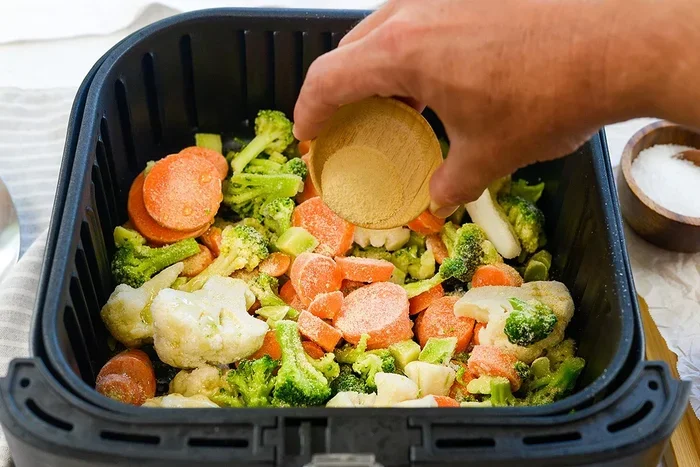
Featured image for Steamed Vegetables Air Fryer
Image source: recipes.net
Yes, you can absolutely steam vegetables in an air fryer using a simple two-layer method. By adding a small amount of water to the bottom of the drawer and placing veggies in a basket above, hot steam circulates to cook them gently. This technique preserves nutrients, requires no special equipment, and produces tender-crisp results in 8–15 minutes.
Picture this: it’s Tuesday night, you’re juggling homework help, a half-packed lunch, and a dog that desperately needs a walk. You want something green on the table, but pulling out a pot, filling it with water, and waiting for it to boil feels like climbing a mountain in flip-flops. Here’s the good news: the appliance already sitting on your counter can pull off a pretty convincing steam job. Yes, that little countertop miracle worker, the air fryer, can absolutely handle steaming duties when you ask it nicely.
Steaming in an air fryer sounds like a contradiction at first. After all, air fryers are famous for their crispy, dry heat magic. But when you add a small pool of water to the bottom of the basket and let the circulating hot air do its thing, that water turns into steam, and suddenly you’ve got a mini-steamer on your hands. It’s like turning your morning hair dryer into a steam room for broccoli.
This guide walks you through exactly how to steam vegetables in an air fryer, why it works, which veggies shine brightest, and how to avoid the few common pitfalls. By the end, you’ll have a new weekday dinner trick that’s faster than stovetop steaming and easier than dragging out the Instant Pot.
Key Takeaways
- Steam cooking is possible: Air fryers can mimic steaming by combining a small water reservoir with their rapid hot-air circulation.
- Nutrients stay locked in: Steaming in an air fryer preserves water-soluble vitamins better than boiling, since veggies aren’t submerged in water.
- No special tools needed: A heat-safe bowl, ramekin, or simply the crisper plate setup is enough to start steaming.
- Speed is the main advantage: Most vegetables steam in 8–15 minutes, faster than stovetop steaming.
- Crispy edges are a bonus: Veggies exposed above the steam develop a lightly roasted exterior while staying tender inside.
- Water management matters: Always add water before preheating and never let the drawer run dry to protect the heating element.
- Not every veggie works equally: Dense vegetables like carrots and potatoes need more time; leafy greens cook in minutes.
📑 Table of Contents
- How Air Fryer Steaming Actually Works
- What You Need to Steam Vegetables in an Air Fryer
- Step-by-Step: How to Steam Vegetables in an Air Fryer
- Best Vegetables for Air Fryer Steaming
- Pro Tips for Perfect Air Fryer Steamed Vegetables
- Common Mistakes to Avoid
- Health Benefits of Steaming Vegetables in an Air Fryer
- Creative Recipes to Try
- Cleaning and Maintenance After Steaming
- Frequently Asked Questions
How Air Fryer Steaming Actually Works
Let’s pull back the curtain on this cooking trick. An air fryer is basically a small, high-powered convection oven. A fan blasts hot air (usually between 300°F and 400°F) around your food, creating that signature crispness. When you introduce water to the equation, that hot air picks up moisture, turns it into vapor, and circulates that vapor around your vegetables. That vapor is steam.
The Science Behind the Steam
Here’s where it gets fun. Water boils at 212°F at sea level. Air fryers run much hotter than that, often reaching 400°F. So when you put a tablespoon or two of water in the bottom of the basket, the heat rapidly converts it to steam, which then rises and surrounds your vegetables. Think of it like a tea kettle on steroids, only the “kettle” is your air fryer and the “tea” is your dinner.
What Makes This Different from Traditional Steaming
A classic steamer pot works by boiling water below a perforated insert. The steam rises through the holes and cooks the food. An air fryer replicates this process in a more enclosed space, with the added benefit of dry heat on any vegetable surfaces that sit above the water line. That means you get the tenderness of steaming plus a hint of roasted flavor on the edges. It’s the best of both worlds.
Why the Air Fryer Method is Genuinely Useful
According to a 2022 survey by the NPD Group, 56% of American households now own an air fryer, making it one of the fastest-growing kitchen appliances in recent history. With that many air fryers sitting on countertops, learning to steam in them just makes sense. You’re not buying a new gadget. You’re squeezing more function out of one you already love.
What You Need to Steam Vegetables in an Air Fryer
You probably have everything you need already. No fancy equipment, no special inserts, no trips to the store. Here’s the shopping-free checklist.
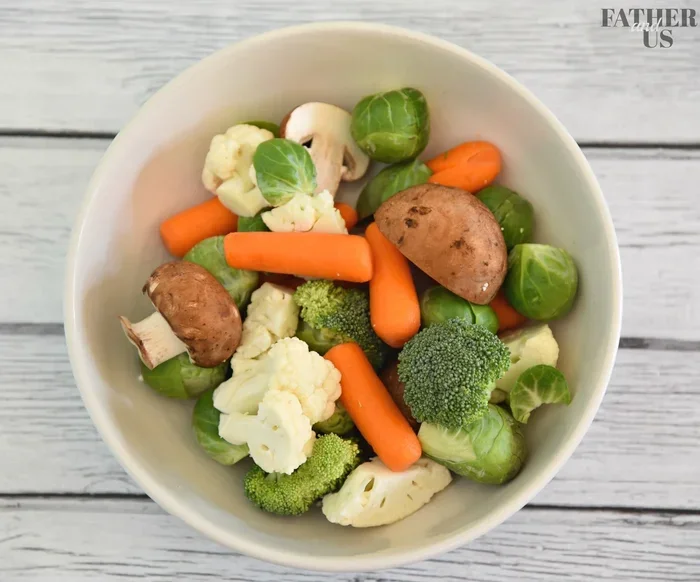
Visual guide about Steamed Vegetables Air Fryer
Image source: fatherandus.com
The Basic Setup
- Your air fryer with a basket or drawer-style design
- A small amount of water (about 2 to 4 tablespoons to start)
- A heat-safe bowl, ramekin, or metal steaming basket to hold your veggies above the water
- Vegetables of your choice, washed and cut into even pieces
Optional but Helpful Tools
If you want to get fancy, parchment paper liners with holes punched in them work beautifully. Silicone steamer baskets designed for Instant Pots also fit in many air fryer models. Even a simple metal trivet from your kitchen can elevate your veggies above the water line.
What to Avoid
Don’t use plastic containers, even if they’re labeled microwave-safe. Air fryer interiors get hotter than microwaves, and you don’t want chemicals leaching into your dinner. Stick with ceramic, glass, or metal only.
Step-by-Step: How to Steam Vegetables in an Air Fryer
Ready to try it? Here’s the foolproof method that works in nearly every air fryer model, from Ninja to Cosori to Philips. The whole process takes about 15 minutes from start to finish.
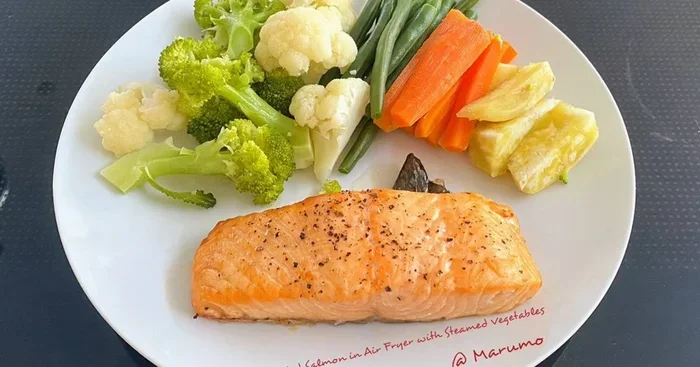
Visual guide about Steamed Vegetables Air Fryer
Image source: img-global.cpcdn.com
Step 1: Prep Your Vegetables
Wash your veggies thoroughly. Cut them into uniform pieces so they cook evenly. Broccoli should be in florets about the size of a quarter. Carrots can be sliced into coins or sticks. Green beans just need their stems snapped off. Smaller pieces steam faster, but you don’t want them so tiny that they fall through any gaps.
Step 2: Add Water to the Drawer
Pull out your air fryer basket. Pour 2 to 4 tablespoons of water directly into the bottom of the drawer. The exact amount depends on how long you’ll be cooking. Longer cooks need slightly more water to prevent evaporation. Think of it like the fuel tank in your car: you want enough to make the trip.
Step 3: Set Up Your Veggie Platform
Place a small heat-safe bowl, ramekin, or metal trivet directly in the water. If you’re using a metal steaming basket, set it on top of the crisper plate so it sits above the water line. The goal is keeping your vegetables out of direct contact with the water while letting the steam rise around them.
Step 4: Arrange and Season
Place your cut vegetables in the bowl or basket. Keep the pieces in a single layer when possible for even cooking. This is a great moment to add a pinch of salt, a squeeze of lemon, or a sprinkle of garlic powder. The steam will carry those flavors right into the veggies.
Step 5: Set Temperature and Time
Cook at 370°F for 8 to 15 minutes, depending on the vegetable. Tender veggies like zucchini and asparagus need just 8 minutes. Dense options like carrots, potatoes, and beets need the full 15 minutes or longer. Check at the halfway mark and give the basket a quick shake.
Step 6: Check for Doneness
Your veggies are done when a fork slides in with gentle resistance. They should look bright in color and feel tender but not mushy. If they’re not quite there, add another minute or two. If you notice the water has evaporated completely, add a splash more before continuing.
Step 7: Serve Immediately
Steam-cooked veggies cool quickly, so serve them right away. A drizzle of olive oil, a pat of butter, or a squeeze of fresh lemon takes them from good to great.
Best Vegetables for Air Fryer Steaming
Almost any vegetable can be steamed in an air fryer, but some absolutely sing in this setup. Here’s your cheat sheet for guaranteed success.
Top Performers
- Broccoli florets: Steam at 370°F for 8 to 10 minutes. They come out bright green and tender with crispy tips.
- Carrots (sliced or baby whole): Steam at 370°F for 12 to 15 minutes. The natural sugars caramelize slightly at the edges.
- Green beans: Steam at 370°F for 8 to 10 minutes. They stay snappy and vibrant.
- Asparagus spears: Steam at 370°F for 7 to 9 minutes. Tender with just the right amount of bite.
- Cauliflower florets: Steam at 370°F for 10 to 12 minutes. Perfect for mashing or roasting later.
- Brussels sprouts (halved): Steam at 370°F for 12 to 15 minutes. The cut sides get a lovely golden roast.
- Spinach and kale: Steam at 350°F for just 4 to 6 minutes. Watch these closely because they cook fast.
Vegetables That Need Extra Time
Dense root vegetables like potatoes, sweet potatoes, and beets benefit from a head start. Steam them for 15 minutes, then check. They often need another 5 to 10 minutes for true tenderness. Cutting them into smaller pieces speeds things up significantly. A potato cube cooks much faster than a whole spud.
Vegetables to Approach with Caution
Leafy greens like spinach cook so quickly that they can turn to mush if you look away. Start with less time than you think you need. On the other end, very watery vegetables like tomatoes and zucchini release their own moisture during cooking. You may not need to add as much water to the bottom of the drawer for these.
Pro Tips for Perfect Air Fryer Steamed Vegetables
These little tricks separate good results from great ones. Once you try them, you’ll wonder why you ever bothered with the stovetop.
Tip 1: Don’t Skip the Preheat
Always preheat your air fryer for 2 to 3 minutes before adding the water and veggies. Starting with a hot environment gets the steam going faster and more evenly. It’s like warming up your car on a cold morning: things just work better when the engine is warm.
Tip 2: Season Smartly
Steam is a gentle flavor carrier. Use this to your advantage with delicate herbs like dill, thyme, and chives. Add them in the last 2 minutes of cooking so they keep their bright, fresh flavor. Heartier spices like black pepper and garlic can go in from the start.
Tip 3: Layer by Density
If you’re steaming a mix of vegetables, put the densest pieces (carrots, potatoes) in first and the most delicate (asparagus, spinach) on top or added halfway through. This way everything finishes at the same time without overcooking the tender ones.
Tip 4: Save the Liquid Gold
After steaming, you might notice a small amount of flavored water left in the drawer. Don’t dump it. That liquid is essentially vegetable broth. Pour it over rice, use it as a soup base, or mix it into mashed potatoes for an extra flavor boost.
Tip 5: Add Acid for Color
A small squeeze of lemon juice or a splash of vinegar in the steaming water helps green vegetables like broccoli and green beans keep their vibrant color. It also adds a subtle brightness that elevates the whole dish.
Tip 6: Don’t Overcrowd
Steam needs room to circulate. If you pack the basket too full, the veggies on the bottom get soggy while the ones on top stay undercooked. Work in batches if you need to, or cook in two rounds. It’s worth the extra few minutes.
Common Mistakes to Avoid
Even simple techniques have their pitfalls. Here are the most common slip-ups and how to dodge them like a pro.
Mistake 1: Adding Too Much Water
More water doesn’t mean more steam. Excess water can leak into the heating element or cause uneven cooking. Stick with 2 to 4 tablespoons for most jobs. You can always add more if needed, but you can’t un-add it.
Mistake 2: Forgetting to Check the Water
On longer cooks, water can evaporate completely. Running your air fryer with an empty drawer can damage the nonstick coating and heating element. Set a timer reminder to check at the halfway mark.
Mistake 3: Using the Wrong Temperature
Cranking the air fryer to 400°F might seem faster, but it can burn delicate veggies before they steam through. Stay in the 350°F to 380°F range for best results. Patience pays off here.
Mistake 4: Skipping the Elevation
If your veggies sit directly in the water, they’ll boil instead of steam. That means soggy, waterlogged vegetables with nutrients leached into the liquid. Always keep them above the water line using a rack, bowl, or basket.
Mistake 5: Cooking Without Ventilation in Mind
Steam needs to escape somewhere. Make sure your air fryer vents aren’t blocked, and don’t seal the drawer too tightly. Most air fryers handle this automatically, but it’s worth knowing if you’re using a model with adjustable vents.
Health Benefits of Steaming Vegetables in an Air Fryer
Beyond convenience, steaming offers real nutritional advantages. Here’s why your body will thank you for adopting this method.
Nutrient Preservation
Water-soluble vitamins like vitamin C and B vitamins are sensitive to heat and water. Boiling vegetables can leach these nutrients into the cooking water, which often gets poured down the drain. A 2017 study in the Journal of Food Science and Technology found that steaming retained up to 90% of vitamin C content in broccoli, compared to just 56% retention after boiling. Air fryer steaming falls into that nutrient-preserving sweet spot.
No Need for Added Fats
Traditional roasting and air frying often call for oil to prevent sticking and add flavor. Steaming requires zero added fat, making it ideal for low-calorie diets, heart-healthy eating plans, and anyone watching their fat intake. You can always add a drizzle of olive oil after cooking if you want that richness.
Lower Glycemic Impact
Some research suggests that steaming starchy vegetables like potatoes results in a lower glycemic index compared to boiling. This means slower, steadier blood sugar response, which is helpful for anyone managing diabetes or insulin sensitivity.
Easier Digestion
Steamed vegetables are often easier on the digestive system than raw or heavily cooked options. The steam softens fiber without breaking it down completely, giving you the digestive benefits of fiber with less potential for bloating or discomfort.
Creative Recipes to Try
Now that you’ve mastered the basics, here are three simple recipes that show off the air fryer steaming method at its best.
Recipe 1: Lemon-Garlic Steamed Broccoli
- 4 cups broccoli florets
- 3 tablespoons water in drawer
- 1 minced garlic clove
- 1 lemon, juiced and zested
- Salt and pepper to taste
Steam at 370°F for 9 minutes. Finish with a drizzle of olive oil and a sprinkle of parmesan if desired.
Recipe 2: Asian-Style Steamed Baby Bok Choy
- 4 baby bok choy, halved lengthwise
- 3 tablespoons water in drawer
- 1 tablespoon soy sauce (added after cooking)
- 1 teaspoon sesame oil (added after cooking)
- Toasted sesame seeds for garnish
Steam at 370°F for 7 minutes. Drizzle with soy sauce and sesame oil, then top with sesame seeds.
Recipe 3: Maple-Glazed Steamed Carrots
- 4 cups sliced carrots
- 4 tablespoons water in drawer
- 1 tablespoon maple syrup (added after cooking)
- 1 tablespoon butter (added after cooking)
- Salt and fresh thyme to taste
Steam at 370°F for 13 minutes. Toss with maple syrup, butter, and thyme while still warm.
Cleaning and Maintenance After Steaming
Steam creates moisture, which means a little extra care after cooking. Here’s how to keep your air fryer in tip-top shape.
Immediate Cleanup
Once the basket has cooled (give it about 10 minutes), pour out any remaining water. Wipe down the interior with a soft, damp cloth. Avoid abrasive scrubbers that can damage the nonstick coating. A mild dish soap and warm water handle most messes easily.
Deep Cleaning Monthly
Once a month, give your air fryer a deeper clean. Remove the basket and tray and wash them thoroughly. Wipe down the heating element with a dry brush to remove any food particles. Some models have dishwasher-safe components, which makes life even easier.
Preventing Mineral Buildup
If you have hard water, minerals can leave a white residue in your air fryer drawer. A monthly wipe-down with a mixture of equal parts water and white vinegar keeps things sparkling. Just make sure to rinse thoroughly afterward.
Frequently Asked Questions
Can you steam vegetables in an air fryer without a steamer basket?
Absolutely. You don’t need a special steamer basket. A small heat-safe bowl, ramekin, or even a metal trivet works perfectly to keep your vegetables above the water line. The key is creating that elevation so steam can circulate around the veggies rather than boiling them.
How long does it take to steam vegetables in an air fryer?
Most vegetables take between 8 and 15 minutes at 370°F. Tender veggies like asparagus and spinach finish in about 8 minutes, while denser options like carrots and potatoes need 12 to 15 minutes. Always check at the halfway mark and add time as needed.
Will steaming in an air fryer make vegetables soggy?
Not if you do it right. Properly steamed vegetables should be tender-crisp, not soggy. The trick is using the right amount of water, keeping the veggies elevated, and not overcrowding the basket. Overcooking is the most common cause of soggy results.
Is it safe to put water in an air fryer?
Yes, putting a small amount of water in the bottom of the basket is safe and won’t damage your air fryer. Just avoid flooding the drawer and never let it run completely dry during a cook. The small amount of water needed for steaming poses no risk to the appliance.
Can you steam frozen vegetables in an air fryer?
Yes, frozen vegetables steam beautifully in an air fryer. There’s no need to thaw them first. Add a couple of minutes to the cooking time since they start at a lower temperature. Frozen broccoli, peas, and mixed veggies all work wonderfully with this method.
What’s the difference between steaming and air frying vegetables?
Steaming uses moist heat from water vapor to cook vegetables gently, preserving nutrients and keeping them tender. Air frying uses dry, circulating hot air to crisp and roast vegetables, often with added oil. Air fryer steaming combines elements of both, giving you tender interiors with lightly crisped edges.
Steaming vegetables in an air fryer is one of those kitchen tricks that feels like a secret once you discover it. It’s faster than stovetop steaming, easier than dragging out extra equipment, and produces genuinely delicious results. Whether you’re meal prepping for the week, feeding a picky eater, or just trying to get more greens on the table without the fuss, this method deserves a permanent spot in your cooking rotation. Give it a try tonight with whatever veggies are wilting in your fridge. You might just find your new favorite way to cook them.