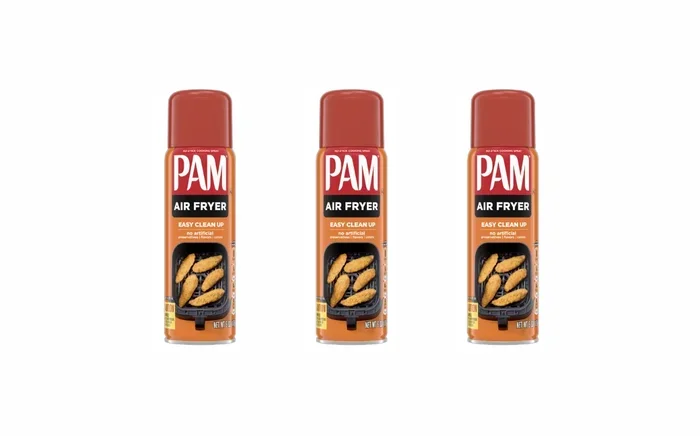
Featured image for Pam cooking spray air fryer
Image source: static.wixstatic.com
Yes, you can technically use PAM in an air fryer, but most manufacturers strongly recommend against it. Traditional non-stick cooking sprays can damage the air fryer’s basket coating over time, reduce its lifespan, and even create smoke or fire hazards. Safer alternatives like oil mist sprays, silicone brushes, or parchment paper liners work better and protect your appliance for years to come.
Air fryers have completely changed how people cook at home. They make food crispy without drowning it in oil, and they cook faster than a traditional oven. According to a 2023 market report by Grand View Research, the global air fryer market was valued at over $1.1 billion and continues to grow each year. Millions of households now own one, and many new owners have the same question: can you use PAM in an air fryer?
This is one of the most common questions in the air fryer community, and the answer might surprise you. While it’s technically possible to spray PAM cooking spray in your air fryer, most manufacturers say you shouldn’t. The reason has to do with how these sprays interact with the non-stick coating, high heat, and tight cooking spaces inside the appliance.
In this guide, you’ll learn exactly why traditional cooking sprays can cause problems, what the safer alternatives are, and how to get perfectly crispy food every single time. Whether you’re a brand-new air fryer owner or you’ve had yours for years, this article will help you protect your appliance and cook better meals.
Key Takeaways
- It’s technically possible but discouraged: PAM and similar aerosol sprays can be used briefly but are not recommended by most air fryer brands.
- Coating damage is the biggest risk: Aerosol sprays build up on non-stick baskets, causing peeling, sticking, and reduced performance over time.
- Heat and propellant create fire risks: Aerosol cans contain flammable propellants that can ignite at high cooking temperatures.
- Pump oil sprayers are the safest alternative: Manual mist pumps let you control exactly how much oil you use without harming your appliance.
- Silicone brushes work great for small jobs: Brushing oil directly onto food or the basket is simple, effective, and zero-risk.
- Parchment and silicone liners are game-changers: Pre-cut liners designed for air fryers prevent sticking without any spray at all.
- Always check your owner’s manual: Manufacturer guidelines should be your first reference before using any spray product.
📑 Table of Contents
- What Is PAM and Why Is It So Popular?
- How Does an Air Fryer Actually Work?
- Can You Use PAM in an Air Fryer? The Short Answer
- The Real Risks of Using Aerosol Sprays in Air Fryers
- Best Alternatives to PAM for Air Fryer Cooking
- How to Clean Your Air Fryer the Right Way
- Common Mistakes to Avoid With Your Air Fryer
- Final Verdict: Should You Use PAM in Your Air Fryer?
What Is PAM and Why Is It So Popular?
PAM is a brand name that’s become shorthand for all aerosol cooking sprays. It was first introduced in 1959 and revolutionized home kitchens by giving people an easy way to grease pans without using butter or oil. Today, PAM comes in many varieties, including original, olive oil, butter, and baking versions.
The spray works by combining oil with a propellant like lecithin, dimethyl silicone, or other emulsifiers inside a pressurized aluminum can. When you press the nozzle, the propellant pushes the oil out as a fine mist. This mist coats pans evenly, which helps prevent food from sticking during cooking.
Why Home Cooks Love Cooking Sprays
There’s a good reason PAM and similar products are pantry staples. They make cooking easier in several ways:
- They provide a thin, even layer of oil without measuring or pouring
- They help prevent food from sticking to pans
- They reduce the amount of fat needed compared to traditional greasing methods
- They’re convenient, fast, and mess-free
For traditional baking sheets, muffin tins, and skillets, cooking sprays work beautifully. But the rules change when you bring an air fryer into the picture, and that’s where many people run into trouble.
How Does an Air Fryer Actually Work?
Before we dive into the spray debate, it’s helpful to understand how air fryers function. Think of an air fryer as a small, high-powered convection oven. It uses a heating element and a powerful fan to circulate hot air around your food at high speeds. This rapid circulation is what creates that signature crispy texture people love.
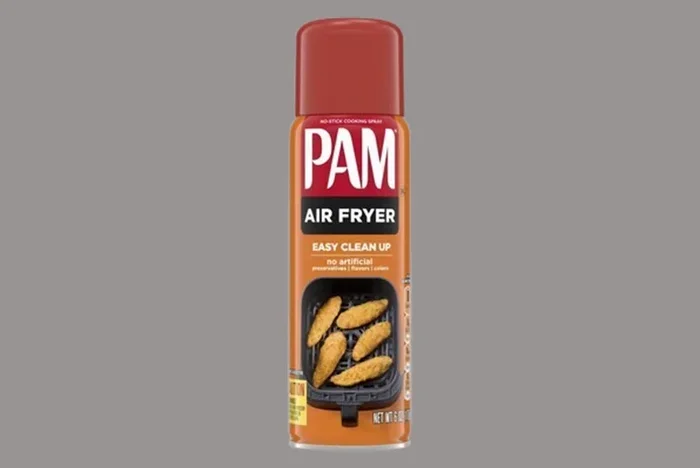
Visual guide about Pam cooking spray air fryer
Image source: foodinfotech.com
Most air fryers reach temperatures between 300°F and 400°F. The cooking basket sits close to the heating element, and the tight basket design means air bounces around your food quickly and evenly. This is why air fryers can cook chicken wings in 20 minutes that would take 40 minutes in a regular oven.
The Role of the Non-Stick Coating
Nearly every air fryer basket has a non-stick coating. This coating is typically made from PTFE (polytetrafluoroethylene, commonly known as Teflon) or a ceramic-based material. The coating serves two purposes:
- It prevents food from sticking to the basket during cooking
- It makes cleanup much easier after cooking
This coating is designed to last for years with proper care, but it’s also delicate. Using the wrong tools or products can damage it quickly. Once the coating starts to peel or scratch, the basket loses its non-stick properties and may need to be replaced entirely.
Can You Use PAM in an Air Fryer? The Short Answer
Here’s the direct answer you’ve been looking for: you can use PAM in an air fryer in small amounts, but it’s not recommended. Most air fryer manufacturers, including popular brands like Ninja, Cosori, Philips, and Instant Pot, explicitly warn against using aerosol cooking sprays in their owner’s manuals.
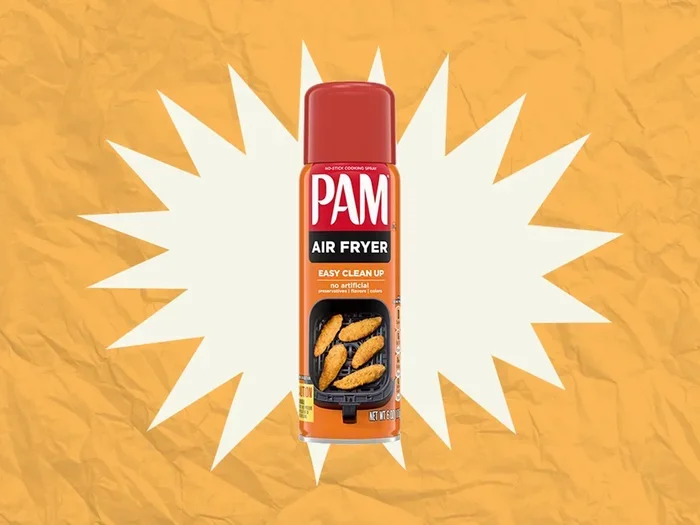
Visual guide about Pam cooking spray air fryer
Image source: allrecipes.com
The warning usually reads something like: “Do not use cooking sprays or aerosol sprays, as they can damage the non-stick coating.” If you ignore this warning and continue using PAM regularly, you may notice problems within just a few months.
What Happens If You Use PAM Anyway?
Some home cooks have used PAM in their air fryers for years without obvious issues. However, the risk increases with use. Here’s what can happen over time:
Coating build-up: Every time you spray PAM, a tiny layer of residue sticks to the basket. Unlike pans you wash with soap and water after every use, air fryer baskets have small crevices where this residue can accumulate. Over time, this build-up creates a sticky, gummy layer that’s hard to remove.
Peeling and chipping: As the residue builds up, it can cause the non-stick coating to bubble, peel, or chip. Once this happens, the coating loses its effectiveness, and your food will start sticking more than before.
Smoke and odor: If you’ve ever used an air fryer and noticed white smoke or a chemical smell, leftover cooking spray residue is a common culprit. The leftover spray burns at high temperatures and produces smoke that can affect the taste of your food.
The Real Risks of Using Aerosol Sprays in Air Fryers
Now that you know the basic answer, let’s dig into the specific risks. Understanding these dangers will help you make an informed decision about whether to use PAM in your air fryer.
Risk #1: Damage to the Non-Stick Coating
The number one concern with PAM is its effect on non-stick surfaces. A 2019 study published in the journal Polymers found that aerosol cooking sprays can degrade PTFE coatings faster than regular oil applications. The propellants and emulsifiers in these sprays interact with the non-stick surface in ways that regular oil doesn’t.
Think of it like this: imagine painting a wall with regular paint versus using spray paint. The spray paint goes on faster, but it also builds up more quickly and is harder to remove. The same principle applies to your air fryer basket.
Risk #2: Fire and Smoke Hazards
Aerosol cans contain flammable propellants like propane and butane. While these propellants are designed to dissipate quickly, they can build up inside the small, enclosed space of an air fryer. At temperatures above 400°F, there’s a small but real risk of ignition.
Even if a fire doesn’t start, the propellants can cause:
- Excessive smoke during cooking
- A chemical taste in your food
- Unpleasant odors in your kitchen
Risk #3: Reduced Appliance Lifespan
Air fryers aren’t cheap. Quality models range from $80 to $300 or more. If the non-stick coating wears out due to improper care, you’ll likely need to replace the basket or the entire unit. This makes protecting your appliance a smart financial decision.
A well-maintained air fryer can last 3 to 5 years or longer. One that’s been exposed to harsh sprays may only last 1 to 2 years before showing signs of wear.
Risk #4: Voided Warranty
This is something many people overlook. Most air fryer warranties explicitly exclude damage caused by improper use, including the use of aerosol cooking sprays. If your basket peels and you contact the manufacturer for a replacement, they may deny your claim if they see spray residue.
Best Alternatives to PAM for Air Fryer Cooking
The good news is that you have plenty of safe alternatives to PAM that work even better in air fryers. These options protect your basket, keep your food crispy, and often cost less than aerosol sprays in the long run.
Option 1: Pump-Style Oil Misters
Pump sprayers are the gold standard for air fryer cooking. These small, refillable bottles let you manually pump a fine mist of oil onto your food or basket. They contain no propellants, no harsh chemicals, and no aerosol ingredients.
Why they work so well:
- You control exactly how much oil you use
- They’re refillable, which saves money and reduces waste
- They create a fine mist similar to PAM without any harmful ingredients
- They won’t damage your air fryer’s coating
Popular brands like Evo, Misto, and Prepara make high-quality oil misters that cost around $10 to $15. Fill them with your favorite cooking oil, and you’re ready to go. You can use olive oil, avocado oil, grapeseed oil, or any other high-smoke-point oil you prefer.
Did You Know? Avocado oil has a smoke point of 520°F, making it one of the best choices for high-heat air fryer cooking. It also contains heart-healthy monounsaturated fats.
Option 2: Silicone Pastry Brushes
For smaller jobs, a silicone pastry brush works beautifully. Simply dip the brush in a small bowl of oil and brush a thin layer onto your food or the basket. This method takes a little more time, but it gives you total control over how much oil you use.
Silicone brushes are heat-resistant, easy to clean, and last for years. They’re also inexpensive, usually costing just a few dollars at any kitchen supply store.
Option 3: Parchment Paper Liners
Pre-cut parchment paper liners designed specifically for air fryers are a game-changer. These round or square sheets have holes that allow hot air to circulate while preventing food from sticking to the basket.
Benefits of parchment liners:
- No oil or spray needed
- Easy cleanup, just toss the liner when you’re done
- Food slides right off
- Available in different sizes to fit most air fryer brands
You can buy pre-cut liners for around $5 to $10 for a pack of 100, making them an affordable option for daily use.
Option 4: Silicone Liners
Reusable silicone liners are another excellent alternative. These thick, flexible mats sit in the bottom of your basket and catch drips while preventing sticking. They’re dishwasher-safe, eco-friendly, and last for years with proper care.
One thing to keep in mind: silicone liners can slightly reduce airflow around your food, which may make it less crispy on the bottom. To counteract this, just remove the liner halfway through cooking for extra crispiness.
Option 5: Brushing Oil Directly Onto Food
Sometimes the simplest method is the best. Brushing oil directly onto your food before cooking is an easy way to get that golden, crispy finish without any spray at all. This works especially well for:
- Chicken wings and thighs
- Roasted vegetables
- French fries and potato wedges
- Fish fillets
Just pour a small amount of oil into a bowl, dip a silicone brush, and coat your food evenly before placing it in the basket.
How to Clean Your Air Fryer the Right Way
Proper cleaning is just as important as proper cooking when it comes to protecting your air fryer. Even if you never use PAM, regular cleaning keeps the basket in great shape and extends its lifespan.
Step-by-Step Cleaning Guide
Step 1: Let it cool down. Never clean your air fryer while it’s still hot. Wait at least 30 minutes after cooking for the basket to cool down enough to handle safely.
Step 2: Remove the basket and tray. Most air fryer baskets are dishwasher-safe, but hand washing is gentler and helps the coating last longer.
Step 3: Soak in warm, soapy water. Fill your sink with warm water and a small amount of dish soap. Let the basket soak for 10 to 15 minutes to loosen any stuck-on food.
Step 4: Use a soft sponge. Avoid abrasive scrubbers or steel wool, as these will scratch the non-stick coating. A soft sponge or cloth works perfectly for most messes.
Step 5: Rinse and dry thoroughly. Make sure all soap residue is gone, then dry the basket with a soft towel before putting it back in the air fryer.
Dealing With Stubborn Residue
If you have buildup that won’t come off with regular washing, try this method:
- Make a paste using baking soda and a small amount of water
- Apply the paste to the problem areas
- Let it sit for 15 to 20 minutes
- Scrub gently with a soft sponge
- Rinse thoroughly and dry
For really stubborn spots, you can also try boiling water with a squeeze of lemon juice in the basket. The heat and acid help break down grease and residue without damaging the coating.
Common Mistakes to Avoid With Your Air Fryer
Beyond the PAM question, there are a few other common mistakes that can shorten the life of your air fryer or affect your cooking results. Avoiding these will help you get the most out of your appliance.
Mistake #1: Overcrowding the Basket
It can be tempting to fill the basket to the brim, especially when cooking for a family. But overcrowding prevents hot air from circulating properly, which means your food won’t get as crispy. Cook in batches if needed, and always leave space between items.
Mistake #2: Not Preheating
Most air fryers benefit from a 3 to 5 minute preheat before you add your food. Preheating ensures the basket is at the right temperature the moment your food goes in, which leads to better browning and crispiness.
Mistake #3: Using Too Much Oil
The whole point of an air fryer is to use less oil. A light coating is all you need for most foods. Using too much oil will make your food greasy and can cause excess smoke during cooking.
Mistake #4: Forgetting to Shake or Flip
Most foods need to be flipped or shaken halfway through cooking to ensure even browning. French fries, chicken nuggets, and vegetables especially benefit from a quick shake at the halfway mark.
Mistake #5: Using Metal Utensils
Metal utensils can scratch the non-stick coating just like abrasive cleaners can. Stick with silicone, wood, or plastic tools when removing food from the basket.
Final Verdict: Should You Use PAM in Your Air Fryer?
So, can you use PAM in an air fryer? Technically, yes. Will it cause immediate damage? Probably not if you use it just once or twice. But should you make it a regular habit? Definitely not.
The risks of using PAM in an air fryer far outweigh the small convenience it provides. With so many safe, affordable alternatives available, there’s really no reason to take chances with your appliance. A simple oil mister, a silicone brush, or a parchment liner will give you all the non-stick benefits you need without any of the risks.
If you’ve already been using PAM in your air fryer, don’t panic. Just switch to one of the safer alternatives going forward, and clean your basket thoroughly to remove any existing residue. With proper maintenance, your air fryer can continue making delicious meals for years to come.
Remember, an air fryer is an investment in better cooking. Treat it well, use the right tools and products, and it will reward you with countless crispy, delicious meals. The small extra effort of using a pump sprayer or parchment liner is well worth the protection it provides for your appliance.
Happy air frying, and enjoy all the crispy goodness your air fryer has to offer. Your taste buds, your wallet, and your air fryer will all thank you for making the switch.
Frequently Asked Questions
Can you use PAM in an air fryer without damaging the basket?
Using PAM occasionally is unlikely to cause immediate damage, but repeated use can degrade the non-stick coating over time. The aerosol propellants and emulsifiers build up on the basket surface, leading to peeling, sticking, and reduced non-stick performance. For best results, switch to a pump-style oil mister or brush oil directly onto your food.
What happens if I accidentally used cooking spray in my air fryer?
If you’ve only used cooking spray once or twice, your air fryer is most likely fine. Just clean the basket thoroughly with warm, soapy water to remove any residue, and switch to a safer alternative going forward. If you notice a sticky or gummy build-up, soak the basket in warm water with baking soda to break down the residue.
Can I use olive oil spray in my air fryer instead of PAM?
Olive oil sprays sold in aerosol cans carry the same risks as PAM because they contain similar propellants and additives. However, you can put regular olive oil in a refillable pump sprayer and use that safely in your air fryer. Just be aware that olive oil has a lower smoke point than oils like avocado, so it may smoke at very high temperatures.
What is the best oil to use in an air fryer?
Oils with high smoke points work best in air fryers. Avocado oil (smoke point 520°F), grapeseed oil (smoke point 420°F), and refined coconut oil (smoke point 400°F) are all excellent choices. These oils can handle the high temperatures of air fryer cooking without burning or producing excessive smoke. Olive oil works too, but at medium temperatures below 375°F.
Do I need to use oil at all in an air fryer?
You don’t strictly need oil to cook in an air fryer, but a light coating of oil helps food brown and crisp up nicely. Foods with natural fat, like chicken thighs or salmon, can be cooked without any added oil and still come out crispy. For lean foods like vegetables or chicken breast, a light spray or brush of oil makes a big difference in texture.
Can I put aluminum foil in my air fryer?
Yes, you can use aluminum foil in most air fryers, as long as you leave enough space for air to circulate. Never cover all the holes in the basket, as this will prevent proper airflow and result in uneven cooking. Parchment paper with holes is generally safer and easier to use than foil, especially for beginners.