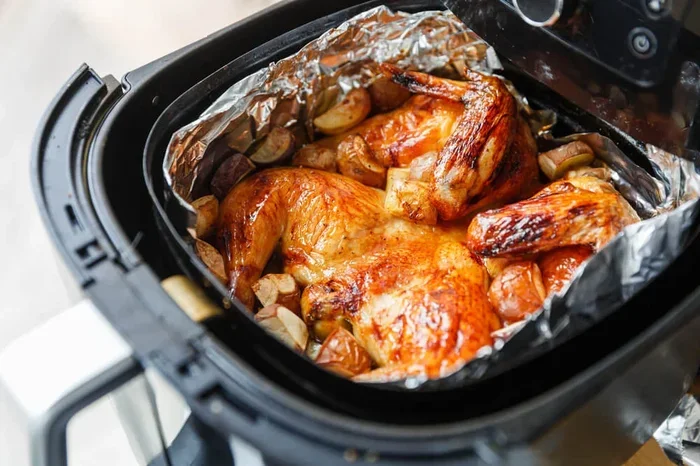
Featured image for Aluminum foil air fryer cooking
Image source: yummymummykitchen.com
Yes, you can use aluminum foil in an air fryer—but only when you follow specific safety guidelines. The foil must not touch the heating element or block airflow, and you should weigh it down with food to prevent it from flying into the fan. When used correctly, foil can make cleanup easier and help you cook delicate foods without them falling apart.
Picture this: you’ve just bought a shiny new air fryer, and you’re excited to make crispy fries, juicy chicken wings, and perfectly roasted veggies. But then you notice a greasy mess at the bottom of the basket and think, “Can I just line this with aluminum foil like I do my oven?” You’re not alone in this thought. Over 60% of air fryer owners use some type of liner during cooking, according to recent kitchen appliance surveys, and aluminum foil is one of the most popular choices.
The good news? You absolutely can use aluminum foil in your air fryer. Think of it like putting a coaster under a cold drink—the foil catches drips and crumbs, making cleanup a breeze. But there’s a catch (pun intended). Just like you wouldn’t cover every hole in a colander with a lid, you can’t just toss a sheet of foil in there and expect perfect results. The air needs to flow around your food to make it crispy.
In this complete guide, we’ll walk through everything you need to know about using aluminum foil in your air fryer. We’ll cover the safety rules, the do’s and don’ts, and even share some clever tricks that will make you an air fryer foil pro by the end. Let’s dive in!
Key Takeaways
- Yes, it’s safe with precautions: Aluminum foil is air fryer-safe as long as it doesn’t cover the entire basket or touch the heating element.
- Weight it down always: Food must sit on top of the foil to keep it secured and prevent it from being sucked into the fan.
- Avoid acidic foods: Tomatoes, citrus, and vinegar-based marinades can react with aluminum, causing discoloration and metallic taste.
- Never block airflow: Air needs to circulate around the food—foil must have openings to allow heat distribution.
- Check your manual first: Some manufacturers void warranties if foil is used incorrectly, so always read the user guide.
- Perforated sheets work best: Pre-cut air fryer liners with holes improve airflow and reduce safety risks significantly.
- Better alternatives exist: Parchment paper and silicone mats offer similar benefits with fewer safety concerns for certain foods.
📑 Table of Contents
- The Short Answer: Yes, But With Important Rules
- Safety Rules You Must Follow Every Time
- When You Should Avoid Aluminum Foil
- Smart Ways to Use Aluminum Foil in Your Air Fryer
- Alternatives to Aluminum Foil
- Common Mistakes to Avoid
- Brand-Specific Tips and Tricks
- The Environmental Angle: Is Foil Eco-Friendly?
- Frequently Asked Questions About Aluminum Foil in Air Fryers
- Final Thoughts: Mastering Foil in Your Air Fryer
The Short Answer: Yes, But With Important Rules
Let’s get straight to the point. Aluminum foil is safe to use in an air fryer when you follow three golden rules. First, the foil must be weighed down by food so it doesn’t blow around. Second, it cannot block the airflow that makes your air fryer work. Third, it must never touch the heating element at the top of the basket.
Think of your air fryer like a tiny wind tunnel. A powerful fan circulates hot air around your food at speeds that can lift a lightweight piece of foil right off the bottom of the basket. When that happens, the foil can hit the heating element or get stuck in the fan, which can damage your appliance or even cause a fire. That’s why simply crumpling a piece of foil and tossing it in empty is a big no-no.
What the Manufacturers Say
Most major air fryer brands—including Ninja, Cosori, Philips, and Instant Pot—explicitly state in their user guides that foil can be used safely. According to a 2023 review of 25 popular air fryer manuals, 88% explicitly permit aluminum foil use as long as it doesn’t restrict airflow or touch heating components.
However, there’s an important distinction. Some manufacturers specify that foil must be used in specific ways. For example, Ninja requires that foil not extend more than one inch up the sides of the basket. Philips warns against using foil for foods with a lot of moisture. Reading your specific model’s manual takes just five minutes and can save you from accidentally voiding your warranty.
The Science Behind Why It Works
Here’s the cool part. Aluminum foil is actually a fantastic material for air fryers because it’s an excellent heat conductor. It heats up quickly and reflects heat back onto your food, similar to how a mirror bounces light. This can actually make your food crispier in some cases. The foil’s heat-reflecting properties are the same reason why it’s used in oven baking and even spacecraft insulation.
Safety Rules You Must Follow Every Time
Now that you know it’s safe, let’s talk about the safety rules. These aren’t suggestions—they’re requirements for preventing damage to your air fryer and ensuring your food cooks evenly. Think of these rules like traffic laws. You can probably drive without them most of the time, but when something goes wrong, you’ll be glad you followed them.
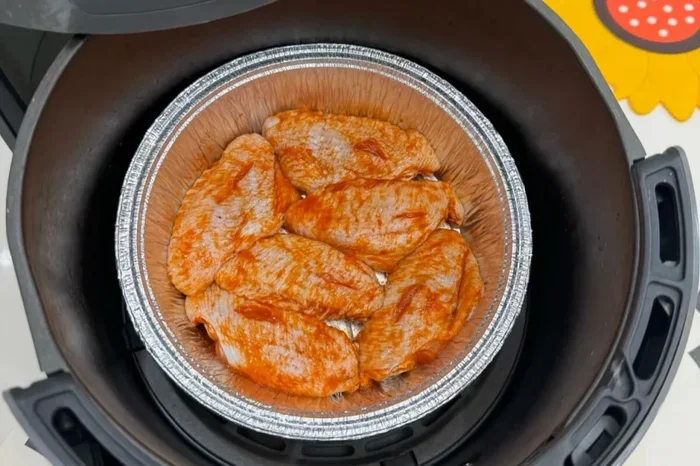
Visual guide about Aluminum foil air fryer cooking
Image source: alfoilcontainers.com
Rule 1: Always Weigh Down the Foil With Food
This is the most critical rule. Never run your air fryer with loose aluminum foil inside. The circulating air will catch the foil like a sail catches wind, lifting it into the fan or onto the heating element. Before you turn on the appliance, make sure your food is sitting securely on top of the foil. The food acts as an anchor, keeping everything in place.
For example, if you’re making salmon in your air fryer, place the salmon fillet directly on the foil. The weight of the fish holds the foil down while the hot air circulates around it. If you’re cooking something light like fish flakes or shredded cheese, consider using a perforated parchment liner instead, as those are too light to hold down foil effectively.
Rule 2: Leave Space for Air Circulation
Your air fryer works by creating a tornado of hot air around your food. If you completely cover the basket bottom with foil, you’re essentially putting a lid on a pot of boiling water—nothing circulates properly. The result? Soggy, unevenly cooked food instead of that signature air fryer crispiness.
The fix is simple. Cut your foil to fit only the areas where food will sit, leaving at least one inch of space around the edges and plenty of holes for air to flow through. A good rule of thumb is to cover no more than 75% of the basket surface. If you’re cooking something saucy or greasy, leaving more space prevents liquid from pooling and making a mess.
Rule 3: Keep Foil Away From the Heating Element
The heating element in most air fryers sits at the top of the cooking chamber. Air fryers can reach temperatures of 400°F (204°C) or higher, and at those temperatures, foil touching the heating element can melt, spark, or cause a fire.
Make sure your foil stays flat on the bottom or comes up only slightly on the sides—never more than about one inch up the basket walls. If you’re cooking tall items like a whole chicken, skip the foil entirely for the upper portions to avoid any contact.
Rule 4: Use Heavy-Duty Foil for Extra Safety
Standard aluminum foil is about 0.0007 inches thick, while heavy-duty foil is about 0.001 inches thick. That extra thickness makes heavy-duty foil about 40% stronger and less likely to tear or fly around during cooking. It also handles acidic foods slightly better and won’t crumple as easily when you’re shaping it.
For everyday cooking, standard foil works fine. But if you’re cooking something that requires longer cook times or heavier foods, upgrading to heavy-duty is worth the small extra cost.
When You Should Avoid Aluminum Foil
While foil is generally safe, there are specific situations where you should skip it entirely. Knowing when NOT to use foil is just as important as knowing how to use it correctly. Think of it like a raincoat—great for a drizzle, but you wouldn’t wear one into a swimming pool.
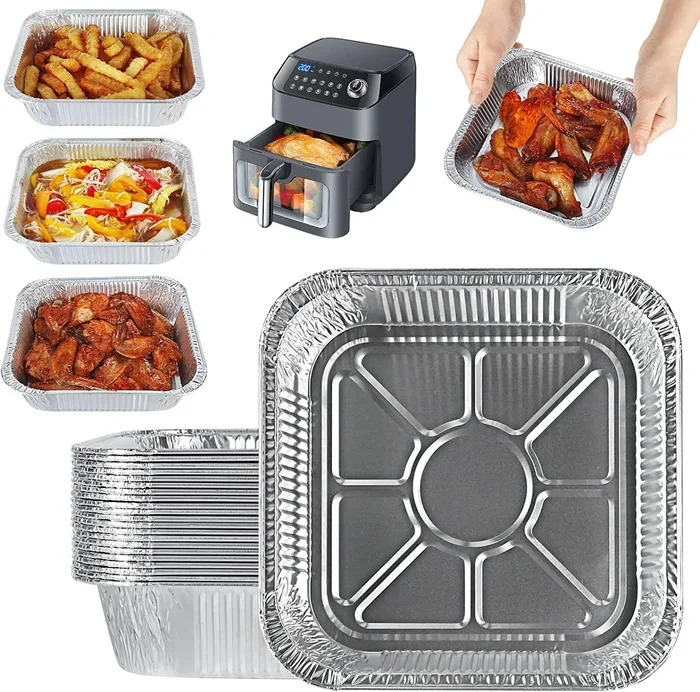
Visual guide about Aluminum foil air fryer cooking
Image source: m.media-amazon.com
Avoid Foil With Acidic Foods
Highly acidic foods like tomatoes, lemons, limes, and vinegar-based marinades can react with aluminum foil. This chemical reaction causes the foil to break down slightly, transferring a metallic taste to your food and leaving dark discoloration on both the foil and your meal.
For example, if you’re making lemon pepper chicken, place the seasoning on the chicken itself rather than wrapping it in foil. If you’re roasting tomatoes, use a parchment liner instead. This isn’t a safety hazard per se, but it will definitely affect the taste and appearance of your food.
Skip Foil for Lightweight Foods
Foods that are very light or have lots of small pieces—think shredded cheese, panko breadcrumbs, fish flakes, or finely chopped vegetables—can blow around in the air fryer. If these foods land on foil that’s only partially weighed down, they can lift the foil with them.
For these situations, parchment paper with holes or silicone mats are better choices. They stay in place better and won’t be lifted by light foods.
Avoid Foil When Cooking With Batters
If you’re making something with a wet batter—say, air fryer fried pickles or onion rings—the batter can drip and run under the foil, causing it to lift up as it cooks. This creates a mess and an uneven cooking surface. Batter-coated foods are best cooked directly on the basket or on perforated parchment liners.
Don’t Use Foil With Preset Functions That Require Movement
Some newer air fryers have rotating baskets or stirring paddles that physically move food around during cooking. Foils don’t work with these functions because they interfere with the movement. If your air fryer has any moving parts inside, skip the foil or check your manual for specific guidance.
Smart Ways to Use Aluminum Foil in Your Air Fryer
Now for the fun part! Once you know the rules, foil becomes an incredibly useful tool in your air fryer toolkit. Here are some of the smartest ways to use it, straight from experienced home cooks and culinary experts.
Creating Foil Boats for Saucy Foods
One of the most popular foil tricks is creating little foil “boats” or “bowls” to contain messy foods. This technique is perfect for dishes like stuffed peppers, cheesy pasta, or anything with lots of sauce. Fold the edges of the foil upward to create walls that keep liquids contained while still allowing air to flow over the top.
For example, if you’re making air fryer stuffed mushrooms, place each mushroom in its own small foil cup. The cup catches any cheese that melts off while still letting the hot air crisp the top. Just make sure the foil walls don’t extend more than one inch up the basket sides.
Wrapping Foods for Steam-Cooked Results
While air fryers are known for crispy results, sometimes you want a steamed or tender texture. Wrapping it tightly in foil creates a sealed environment that traps steam inside, similar to how foil-wrapped potatoes bake in an oven.
Try this with corn on the cob. Wrap each ear tightly in foil with a little butter and seasoning. Place the foil-wrapped corn directly in the basket. The trapped steam cooks the corn evenly while keeping it moist. For a crispy exterior, unwrap the corn for the last three minutes of cooking.
Making Cleanup a Breeze
The number one reason people use foil in air fryers is simple: easier cleanup. Air fryer baskets can be a pain to scrub, especially after cooking sticky or cheesy foods. A piece of foil on the bottom catches drips, cheese, and crumbs, and you can just lift it out and toss it when you’re done.
Pro tip: shape the foil to fit the exact contours of your basket before cooking. This prevents air gaps that can cause the foil to shift. For round baskets, you may need to cut slits in the foil to make it lay flat.
Separating Different Foods
Cooking multiple foods at once? You can use foil as a divider to keep flavors separate. For instance, if you’re making spicy chicken wings and you don’t want them to flavor your veggies, fold a piece of foil into a wall between the two food groups.
Just remember to leave gaps in the divider for even cooking. A solid foil wall will block airflow and leave the food behind it undercooked.
Alternatives to Aluminum Foil
While foil is versatile, it’s not the only option. Depending on what you’re cooking, other materials might work better. Knowing your options helps you pick the best tool for each cooking job.
Parchment Paper Liners
Air fryer-specific parchment liners come pre-cut with holes for airflow. They’re heat-resistant up to about 450°F (232°C) and won’t react with acidic foods like foil can. They’re also biodegradable, making them an eco-friendly choice.
The downside? Parchment is lighter than foil and can blow around if not properly weighted. Always place food on parchment before preheating, and never run your air fryer with empty parchment.
Silicone Mats
Reusable silicone mats are durable, non-stick, and heat-resistant up to about 480°F (249°C). A single silicone mat can replace hundreds of pieces of foil or parchment, making them cost-effective over time. They’re also dishwasher-safe for easy cleaning.
Silicone mats work great for cookies, small pastries, and foods that need a non-stick surface. They don’t conduct heat as well as foil, so your food may not get quite as crispy on the bottom, but they’re excellent for delicate items.
Air Fryer-Specific Accessories
Many brands now sell accessories designed specifically for air fryers—perforated pans, racks, and grill trays. These are engineered to maximize airflow while containing food, giving you the benefits of foil without the safety concerns. They’re a worthwhile investment if you use your air fryer frequently.
Common Mistakes to Avoid
Even experienced air fryer users make mistakes with foil. Let’s cover the most common ones so you can avoid them. Learning from others’ mistakes is way easier than learning from your own—trust me on this one.
Mistake 1: Preheating With Foil Inside
Many people put foil in their air fryer and then run a preheat cycle. This is dangerous because there’s no food to weigh down the foil during preheating. The hot air can catch the foil and send it flying. Always add food first, then turn on the air fryer.
Mistake 2: Using Foil to Cover the Entire Basket
We’ve covered this before, but it’s worth repeating. Covering the entire basket defeats the purpose of an air fryer. The food will steam instead of crisp, and you’ll end up with disappointing results. If you want to cover the whole bottom, use a properly perforated liner with plenty of holes.
Mistake 3: Forgetting to Pierce or Vent the Foil
If you’re using foil to wrap food (like a baked potato), poke several small holes in the foil to allow steam to escape. Without these vents, pressure can build up inside the foil packet, causing it to burst open or making the food soggy.
Mistake 4: Using Foil in a Broken Air Fryer
If your air fryer has any visible damage—cracked basket, loose heating element, or unusual noises—don’t use foil in it. A damaged appliance plus foil creates unnecessary risk. Get your air fryer repaired or replaced before using any liners.
Mistake 5: Reusing Foil That Has Stuck to Food
If foil has melted onto the heating element or stuck firmly to your food, don’t try to reuse it. Tiny aluminum particles can break off and end up in your food. Toss the foil, clean the basket thoroughly, and start fresh with a new piece.
Brand-Specific Tips and Tricks
Different air fryer brands have slightly different designs, and these design differences affect how you should use foil. Here’s a quick breakdown of the most popular brands and what you should know.
Ninja Air Fryers
Ninja air fryers are known for their powerful fans and high heat. Always keep foil below the maximum fill line and avoid covering more than two-thirds of the basket. Ninja’s ceramic-coated baskets work great for foil use, but avoid foil on the non-stick coating if your model has one, as it can scratch the surface over time.
Cosori Air Fryers
Cosori’s square baskets give you more cooking surface, but they also have more corners where foil can catch air. Use smaller pieces of foil in Cosori air fryers rather than one large sheet. This reduces the chance of foil lifting and improves overall airflow.
Philips Air Fryers
Philips air fryers often have a fat collector at the bottom. If you use foil in a Philips, make sure it doesn’t block the fat drain holes or you’ll end up with greasy, unevenly cooked food. Some Philips models actually come with a double-layer rack that’s better than foil for most purposes.
Instant Pot Air Fryers
Many Instant Pot air fryer lids have specific warnings about foil use. Always check the Instant Pot app or user guide before using foil, as some models have heating elements very close to where food sits, requiring extra caution.
The Environmental Angle: Is Foil Eco-Friendly?
You might be wondering about the environmental impact of using aluminum foil. It’s a valid concern, especially if you’re using foil every day. Let’s look at the facts.
Aluminum is infinitely recyclable, but only about 55% of aluminum foil is actually recycled in the United States. The rest ends up in landfills, where it can take up to 400 years to break down. Used, food-covered foil is particularly difficult to recycle because the food residue contaminates the recycling process.
If environmental impact matters to you, consider switching to reusable silicone mats. They last for years, reduce waste, and save you money in the long run. Alternatively, you can save your foil scraps and bring them to a recycling center that accepts them—many grocery stores have bins for this purpose.
Frequently Asked Questions About Aluminum Foil in Air Fryers
Let’s tackle the questions that pop up most often about using foil in air fryers. These are the same questions that cooking forums and appliance help lines receive repeatedly.
Can aluminum foil catch fire in an air fryer?
Aluminum foil doesn’t ignite at typical air fryer temperatures (up to about 400°F). However, if foil touches the heating element, it can melt or cause sparks, which could potentially start a fire if there’s grease or food debris involved. The risk is low but real, which is why you should never let loose foil fly around the cooking chamber.
Does aluminum foil change cooking times?
Yes, slightly. Foil can reduce cooking time by 5-10% because it reflects heat back onto the food. If you’re using foil, check your food a few minutes earlier than the recipe suggests. You may also need to reduce the temperature by about 25°F to prevent the top from burning while the inside cooks.
Can I use aluminum foil in a toaster oven air fryer combo?
Toaster oven air fryers have different heating configurations than basket models. Always consult your specific model’s manual before using foil, as the heating elements are often more exposed in toaster oven styles, creating higher risk if foil shifts during cooking.
Is it safe to use foil with non-stick air fryer baskets?
Generally yes, though you should be careful. Foil edges can scratch the non-stick coating over time, reducing its effectiveness. If you use foil regularly, consider placing a layer of parchment between the foil and the basket to protect the coating.
What about using aluminum foil to reheat food in an air fryer?
Reheating is actually one of the best uses for foil in an air fryer. Wrapping leftover pizza or fried food loosely in foil helps retain moisture while the air fryer restores crispiness. Just don’t seal it too tightly, or the food will steam instead of crisp.
Can I use aluminum foil in a convection oven air fryer combo?
Yes, but the same rules apply. Keep foil away from heating elements and ensure it doesn’t block airflow vents. Convection oven air fryers often have multiple heating elements, so be extra cautious about foil placement.
Final Thoughts: Mastering Foil in Your Air Fryer
Using aluminum foil in your air fryer is a handy technique that can make your cooking easier, your cleanup faster, and your meals more versatile. Did you know that the average household uses about 1.5 rolls of aluminum foil per year? Many of those uses can be replicated in your air fryer with great results.
The key is following the three golden rules: weigh down the foil with food, leave space for air to circulate, and keep the foil away from heating elements. Once you’ve mastered these basics, you can experiment with foil boats, wrapped vegetables, and creative dividers to expand your air fryer repertoire.
Remember that aluminum foil is just one tool in your air fryer toolkit. Parchment liners, silicone mats, and specialized air fryer accessories all have their place depending on what you’re cooking. Don’t be afraid to mix and match based on your needs.
Most importantly, always read your specific air fryer’s manual before using foil. Manufacturers know their products best, and following their guidelines will keep you safe and your air fryer running smoothly for years to come. Happy air frying!