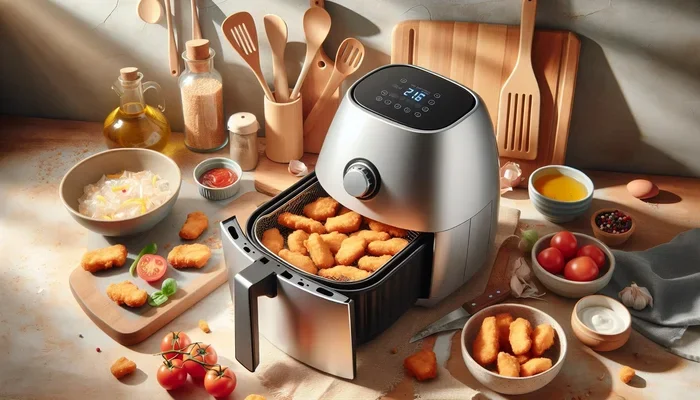
Featured image for Frozen air fryer cooking
Image source: twotwistedsisters.blog
Yes, you can absolutely cook frozen food in the air fryer, and it’s actually one of the best appliances for the job. Air fryers cook frozen foods faster than ovens, use less energy, and deliver crispier results without the need for thawing. From frozen french fries to chicken nuggets, fish fillets, and even vegetables, the air fryer handles them all with ease. This guide covers everything you need to know about cooking frozen foods safely and deliciously in your air fryer.
Imagine this: you come home after a long day, tired and hungry. The last thing you want to do is wait for food to thaw, preheat a big oven, and wait even longer for dinner. Sound familiar? Here’s the good news — your air fryer is about to become your new best friend.
The air fryer has taken kitchens by storm, and for good reason. It’s versatile, quick, and makes cooking frozen foods incredibly easy. Whether you’re craving golden french fries, crispy chicken wings, or even frozen veggies, your air fryer can handle it all without the hassle of thawing.
Think of an air fryer like a tiny, powerful tornado of hot air. It circulates heat around your food at high speed, cooking it evenly and creating that satisfying crunch we all love. It’s like having a deep fryer without all the oil, or an oven that cooks three times faster. Let’s dive into everything you need to know about cooking frozen food in your air fryer.
## The Short Answer: Yes, Absolutely!
Let’s get straight to the point — yes, you can cook frozen food in an air fryer, and it’s actually one of the best ways to prepare frozen foods. The air fryer was practically designed for this purpose. Its rapid air technology works wonderfully with frozen items because the intense, circulating heat quickly thaws and cooks the food simultaneously.
Why Air Fryers Excel at Frozen Foods
Traditional ovens work by heating air slowly and letting it rise naturally. This means frozen foods sit in a cold environment for a while before cooking actually begins. Air fryers work differently. They blast hot air directly onto your food from multiple angles, starting the cooking process immediately.
It’s like the difference between standing in sunlight versus using a hair dryer. Both are warm, but one reaches you much faster and more intensely. That’s your air fryer compared to a conventional oven.
The United States Department of Agriculture (USDA) confirms that cooking frozen foods without thawing is perfectly safe, as long as they reach the proper internal temperature. Air fryers achieve those safe temperatures efficiently and quickly.
The Numbers Don’t Lie
Here’s something that might surprise you. Air fryers cook frozen foods about 20-30% faster than conventional ovens. A bag of frozen french fries that takes 18-20 minutes in your oven might be done in just 12-14 minutes in an air fryer. That’s a significant time savings when you’re hungry and impatient.
Energy usage is another big win. Air fryers typically use 1,200-1,500 watts, while ovens use 2,000-5,000 watts. Over time, this difference adds up to real savings on your electricity bill.
## Types of Frozen Foods You Can Cook
The beauty of air fryers is their versatility with frozen foods. You might be surprised at just how many things you can cook from frozen. Let’s explore the main types.
Frozen Appetizers and Sides
This is where air fryers truly shine. Frozen french fries, tater tots, onion rings, mozzarella sticks, and chicken nuggets all come out wonderfully crispy in an air fryer. The hot air circulation gives them a texture that’s nearly impossible to achieve in a microwave and often better than oven-baked versions.
Think of it this way: your air fryer gives frozen appetizers the texture of deep-fried food without submerging anything in oil. The outside gets crispy and golden, while the inside stays tender and hot. It’s the perfect combination.
Frozen vegetables are another fantastic option. While this might sound unusual, air-fried frozen broccoli, Brussels sprouts, and green beans develop a wonderful roasted quality. They get slightly charred edges and maintain their nutritional value better than boiling.
Frozen Meats and Proteins
Yes, you can cook frozen meats in an air fryer! This includes frozen chicken breasts, salmon fillets, burgers, and even meatballs. The key is adjusting your cooking time and ensuring the internal temperature reaches safe levels.
Frozen chicken tenders and fish fillets are particularly popular. They go from freezer to plate in about 12-15 minutes. The breading gets crispy, and the protein inside cooks through beautifully.
However, there are some important safety considerations. Large, thick frozen meats might cook unevenly in an air fryer. The outside could burn while the inside remains cold. For thick cuts, partial thawing might be necessary for food safety.
Frozen Breakfast Foods
Frozen breakfast sandwiches, hash browns, sausage patties, and even frozen waffles work wonderfully in air fryers. Hash browns become wonderfully crispy — something that’s notoriously difficult to achieve in a pan or toaster.
Frozen breakfast burritos can be heated in an air fryer, though you need to be careful they don’t burst. Wrapping them in foil or lowering the temperature slightly prevents messy explosions.
Frozen Seafood
Frozen shrimp, fish sticks, and crab cakes all do well in air fryers. Shrimp cooks particularly fast — usually just 5-8 minutes from frozen. The quick cooking time keeps shrimp tender and prevents that rubbery texture that comes from overcooking.
Frozen salmon fillets are another winner. They come out with a slightly crispy exterior and a flaky, moist interior. Just be sure to check that the internal temperature reaches 145°F for safe consumption.
## Best Practices for Cooking Frozen Foods
Now that you know what you can cook, let’s talk about how to get the best results every time. Following a few simple guidelines will make a huge difference in your cooking outcomes.
Preheat Your Air Fryer
Most air fryer recipes benefit from a brief preheating period — usually 3-5 minutes. This isn’t absolutely necessary for all frozen foods, but it helps achieve better browning and crispiness.
Preheating is similar to warming up your car on a cold day. Your car runs smoother and more efficiently when it’s already warm. Same principle applies to your air fryer.
Set your air fryer to the target temperature and let it run empty for a few minutes before adding your food. This small step makes a noticeable difference in the final texture.
Don’t Overcrowd the Basket
This is probably the most important rule for air fryer cooking. Your air fryer works by circulating hot air around your food. If you pile too much food in the basket, the air can’t reach all surfaces evenly. You’ll end up with some pieces that are crispy and others that are soggy.
Cook in batches if necessary. Yes, it takes a bit longer, but the quality difference is worth it. As a general rule, fill your basket no more than halfway full, leaving space between pieces for air circulation.
It’s like trying to dry laundry in a packed closet versus a spacious room. More space equals better results.
Adjust Temperatures and Times
Most frozen food packages include cooking instructions for conventional ovens. For air fryers, you’ll generally want to reduce the temperature by about 25°F and check for doneness a few minutes earlier than the package suggests.
For example, if a package says to bake at 425°F for 20 minutes, try your air fryer at 400°F for 15-17 minutes. Then check and add time as needed. Every air fryer is slightly different, so a little experimentation helps you learn your specific appliance.
Shake or Flip Halfway Through
Most frozen foods benefit from being shaken or flipped midway through cooking. This ensures all surfaces brown evenly. For smaller items like fries or nuggets, a quick shake of the basket does the trick. For larger items like chicken breasts or fillets, flip them with tongs.
Some air fryers come with a shake reminder feature that beeps partway through cooking. If yours has this, use it! It’s there to help you get better results.
Use Light Oil When Needed
While air fryers work wonderfully without oil, a light spray of oil can enhance crispiness on some frozen foods. Use an oil mister or brush to apply a thin coat. Olive oil, avocado oil, or vegetable oil all work well.
For foods that are already pre-coated in oil or have a breading, additional oil isn’t necessary. For plain frozen vegetables or unbreaded proteins, a light coating helps achieve that golden, crispy finish.
## Safety Considerations and Common Mistakes
Cooking frozen foods in an air fryer is generally safe, but there are a few things to keep in mind to ensure both safety and quality results.
Internal Temperature Matters
Food safety is paramount, especially with frozen meats. The USDA recommends specific internal temperatures for different foods. Chicken should reach 165°F, pork and beef should hit 145°F, and fish should also reach 145°F.
A simple kitchen thermometer takes the guesswork out of cooking. Insert it into the thickest part of the food to check. This small tool prevents both undercooking (which is unsafe) and overcooking (which ruins texture).
Avoid These Common Mistakes
One of the biggest mistakes people make is not adjusting cooking times from oven instructions. Air fryers cook faster, so following oven times often results in burnt food. Always start checking a few minutes early.
Another common error is cooking wet or icy foods straight from the freezer. If your frozen food has ice crystals or freezer burn, it won’t cook evenly. Pat it dry with a paper towel before cooking for better results.
Using too much oil is another mistake that can actually make food greasier rather than crispier. A light coating is all you need. Too much oil will drip into the bottom of the air fryer and can cause smoking.
What Not to Cook Frozen
While air fryers handle most frozen foods well, there are some exceptions. Foods with wet batters don’t work well — the batter will drip off before it sets. Tempura-battered foods, for instance, should be cooked using traditional methods.
Large, thick cuts of meat from frozen can be problematic. A frozen roast or whole chicken won’t cook evenly in most air fryers. These are better partially or fully thawed before cooking.
Foods with very high fat content can cause excessive smoking. Some frozen pizzas with heavy cheese toppings might trigger your air fryer’s smoke alarm. Lower temperatures and shorter cooking times help manage this.
## Tips for Perfect Results Every Time
Let’s talk about some insider secrets that will take your air fryer frozen food game to the next level.
Season Before Cooking
Frozen foods come pre-seasoned, but adding extra seasonings before cooking can elevate them. A sprinkle of garlic powder, paprika, or Italian seasoning on frozen fries adds wonderful flavor. For frozen vegetables, seasoning before air frying makes them taste less like they came from a freezer bag.
Seasoning frozen foods is like adding accessories to an outfit. The base is good, but the extras make it great.
Use Parchment Paper or Liners
Air fryer parchment paper liners make cleanup easier and prevent small food pieces from falling through the basket. They’re especially useful for cheesy foods that might melt and stick. Just make sure to use liners with holes that allow air circulation.
Experiment with Different Foods
Once you master the basics, get creative. Try frozen veggie burgers, frozen potstickers, frozen spring rolls, or even frozen cookie dough. Many foods you wouldn’t expect work wonderfully in air fryers.
Frozen cookie dough actually bakes beautifully in air fryers — usually in just 8-10 minutes at 350°F. You get fresh-baked taste without heating up your entire kitchen with a conventional oven.
Keep Notes for Future Reference
Every air fryer model cooks slightly differently. Keep a small notebook or note on your phone with cooking details that work well. Note the food, temperature, time, and any adjustments you made. Over time, you’ll build a personal recipe database that takes the guesswork out of cooking.
## Frequently Asked Questions About Cooking Frozen Food in Air Fryers
Cooking frozen foods in air fryers is generally very simple, but a few questions come up regularly. Here are answers to the most common ones.
Do I need to thaw frozen food before air frying?
No, thawing is not necessary for air frying frozen foods. In fact, many frozen foods cook better when cooked directly from frozen because they retain moisture better. Just adjust your cooking time to account for the frozen state.
How long does it take to cook frozen food in an air fryer?
Cooking times vary by food type, but most frozen foods take 10-20 minutes in an air fryer. Frozen fries typically need 12-15 minutes, chicken nuggets about 10-12 minutes, and frozen vegetables around 8-10 minutes. Always check your specific food for doneness.
Can you put frozen meat in an air fryer?
Yes, you can cook frozen meat in an air fryer, but thinner cuts work best. Frozen chicken breasts, burgers, and fish fillets cook well. For thicker cuts, partial thawing is recommended for even cooking. Always verify internal temperature with a meat thermometer.
What temperature should I set my air fryer for frozen food?
Most frozen foods cook well at 350-400°F in an air fryer. Start with package instructions for conventional ovens, then reduce the temperature by about 25°F. Adjust based on your specific results after the first attempt.
Is cooking frozen food in an air fryer healthier?
Air frying uses significantly less oil than deep frying, making it a healthier option. Frozen foods cooked in air fryers typically have less fat than deep-fried versions while maintaining that satisfying crispy texture you crave.
Can I stack food in the air fryer basket?
Stacking food blocks air circulation, which is essential for even cooking and crispiness. It’s better to cook in single layers or batches. Some air fryers come with racks that allow stacking with proper spacing, but generally, less is more for best results.
## Conclusion
Cooking frozen food in an air fryer isn’t just possible — it’s one of the best ways to prepare frozen meals. The convenience, speed, and quality results make air fryers a perfect match for frozen foods of all types.
From crispy appetizers to tender proteins, your air fryer delivers consistent, delicious results without the thawing time or energy costs of conventional ovens. The key is understanding a few basic principles: don’t overcrowd, adjust temperatures slightly, and always verify doneness.
Start with simple frozen foods like french fries or chicken nuggets to learn your air fryer’s personality. Then expand to frozen vegetables, meats, and breakfast items. Before long, you’ll wonder how you ever lived without this quick-cooking method.
The air fryer truly shines with frozen foods, turning what was once a last-resort meal option into a delicious, convenient dinner solution. Give it a try tonight — your future hungry self will thank you.
Key Takeaways
- No Thawing Required: Air fryers are designed to cook frozen foods directly, saving you 30-60 minutes of prep time compared to conventional ovens.
- Faster Cooking Times: Frozen foods cook 20-30% faster in an air fryer than in a traditional oven due to the rapid air circulation technology.
- Better Texture Results: The hot air circulation creates crispy exteriors while keeping interiors moist, often outperforming oven-baked frozen foods.
- Temperature Adjustments: Most frozen foods need slightly lower temperatures (around 25°F less) in an air fryer than conventional oven instructions suggest.
- Don’t Overcrowd the Basket: Air flow is crucial; cooking in batches ensures even cooking and proper crisping on all sides.
- Preheating Matters: A 3-5 minute preheat helps achieve better results, though some newer models don’t require it for frozen foods.
- Safe and Energy Efficient: Air fryers use up to 75% less energy than ovens and cook frozen foods to safe internal temperatures quickly and reliably.
Frequently Asked Questions
Do I need to thaw frozen food before air frying?
No, thawing is not necessary for air frying frozen foods. In fact, many frozen foods cook better when cooked directly from frozen because they retain moisture better. Just adjust your cooking time to account for the frozen state.
How long does it take to cook frozen food in an air fryer?
Cooking times vary by food type, but most frozen foods take 10-20 minutes in an air fryer. Frozen fries typically need 12-15 minutes, chicken nuggets about 10-12 minutes, and frozen vegetables around 8-10 minutes. Always check your specific food for doneness.
Can you put frozen meat in an air fryer?
Yes, you can cook frozen meat in an air fryer, but thinner cuts work best. Frozen chicken breasts, burgers, and fish fillets cook well. For thicker cuts, partial thawing is recommended for even cooking. Always verify internal temperature with a meat thermometer.
What temperature should I set my air fryer for frozen food?
Most frozen foods cook well at 350-400°F in an air fryer. Start with package instructions for conventional ovens, then reduce the temperature by about 25°F. Adjust based on your specific results after the first attempt.
Is cooking frozen food in an air fryer healthier?
Air frying uses significantly less oil than deep frying, making it a healthier option. Frozen foods cooked in air fryers typically have less fat than deep-fried versions while maintaining that satisfying crispy texture you crave.
Can I stack food in the air fryer basket?
Stacking food blocks air circulation, which is essential for even cooking and crispiness. It’s better to cook in single layers or batches. Some air fryers come with racks that allow stacking with proper spacing, but generally, less is more for best results.