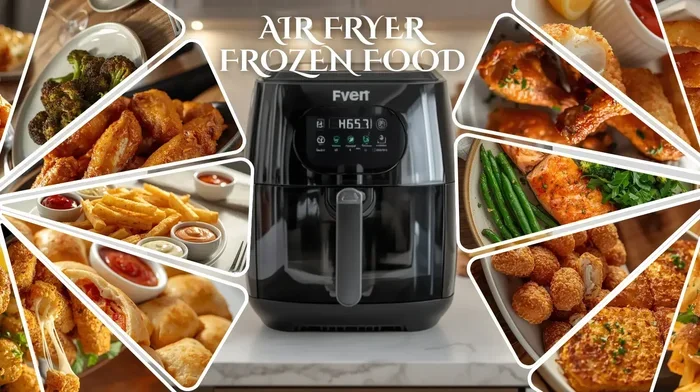
Featured image for Frozen air fryer cooking
Image source: ultimatrecipes.com
Yes, you absolutely can cook frozen foods in the air fryer—and it’s one of the best ways to do it! Air fryers are perfect for frozen foods because they cook quickly with hot circulating air, giving you crispy results without the long preheating of an oven. From frozen french fries to chicken nuggets and even vegetables, your air fryer handles it all with ease.
Picture this: you just got home from a long day at work. You’re hungry, tired, and the last thing you want to do is wait for dinner. You open your freezer, pull out a bag of frozen chicken nuggets, and wonder—can you really just toss them in the air fryer without defrosting?
Here’s the good news: yes, you can cook frozen foods in the air fryer, and it’s actually one of the smartest ways to prepare them. The air fryer’s rapid hot air circulation works like magic on frozen items, giving you that golden, crispy outside and tender inside in a fraction of the time your oven would take.
In this comprehensive guide, we’ll walk you through everything you need to know about cooking frozen foods in your air fryer. From the science behind why it works so well to specific tips for your favorite frozen meals, you’ll become an air fryer frozen food pro by the end of this article.
Key Takeaways
- Yes, It’s Safe and Easy: Air fryers are designed to handle frozen foods straight from the freezer without thawing first.
- No Preheating Required (Sometimes): Many frozen foods can go straight into the basket, though preheating 3-5 minutes improves crispiness.
- Lower the Temperature: Reduce cooking temperature by about 25°F compared to oven instructions to prevent burning on the outside.
- Shake or Flip Halfway: Tossing food midway through cooking ensures even browning and prevents sticking.
- Don’t Overcrowd the Basket: Air needs to circulate around food for that signature crispy texture—cook in batches if needed.
- Skip the Extra Oil: Most frozen foods already contain oil, so adding more is usually unnecessary and can make them greasy.
- Always Check Internal Temperature: For frozen meats, use a food thermometer to confirm they’ve reached safe internal temperatures.
📑 Table of Contents
- Why Air Fryers and Frozen Foods Are a Perfect Match
- Essential Rules for Cooking Frozen Foods in an Air Fryer
- Best Frozen Foods to Cook in Your Air Fryer
- Common Mistakes to Avoid
- Time and Temperature Chart for Popular Frozen Foods
- Tips for Getting the Crispiest Results Every Time
- The Bottom Line: Air Fryers and Frozen Foods Are a Match Made in Heaven
Why Air Fryers and Frozen Foods Are a Perfect Match
Have you ever wondered why air fryers seem tailor-made for frozen foods? It all comes down to how an air fryer works. Think of it like a tiny convection oven on steroids. A fan blows super-hot air (usually between 300°F and 400°F) all around your food at high speed.
When you drop frozen food into this environment, something amazing happens. The intense heat hits the frozen surface immediately, creating a rapid temperature change. This is similar to what happens when you throw an ice cube into a hot pan—the outside crisps up quickly while the inside cooks through. This quick-searing effect is exactly what gives frozen fries, chicken tenders, and similar foods that satisfying crunch.
The Science Behind the Crisp
Most frozen foods undergo a process called flash freezing right after cooking. This means they’re already fully cooked when you buy them—your job is simply to reheat them and restore that crispy texture. Air fryers excel at this because the circulating air removes moisture from the surface of food rapidly.
Did You Know? According to a 2022 report by Grand View Research, the global air fryer market was valued at over $1.1 billion and continues to grow as more people discover their convenience. One major reason? Their amazing ability to cook frozen foods quickly and efficiently.
Why Not Just Use the Oven?
You certainly can use a regular oven for frozen foods, but air fryers offer distinct advantages. First, they preheat in 2-5 minutes versus 10-15 minutes for most ovens. Second, the compact size means the hot air stays concentrated around your food rather than escaping into a large oven cavity. The result? Food that’s crispy on the outside and cooked through in about half the time.
Essential Rules for Cooking Frozen Foods in an Air Fryer
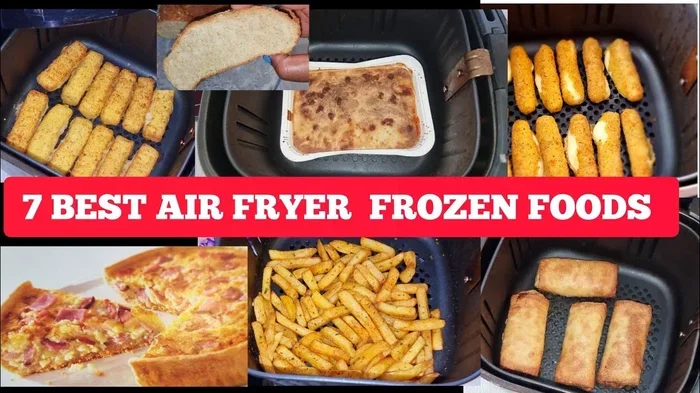
Before we dive into specific foods, let’s cover the fundamental rules that apply to almost every frozen item you’ll cook. Think of these as your air fryer “golden rules.”
Visual guide about Frozen air fryer cooking
Image source: i.ytimg.com
Rule 1: Adjust the Temperature Downward
Here’s a tip that trips up many beginners. Always reduce the recommended oven temperature by about 25°F when using your air fryer. Why? Because air fryers circulate hot air so efficiently that food cooks faster and gets hotter on the surface than it would in an oven.
For example, if the bag of frozen fries says “bake at 425°F,” set your air fryer to 400°F. This small adjustment prevents the outside from burning before the inside is fully heated.
Rule 2: Don’t Skip the Shake
If your air fryer came with a basket (and most do), shaking or flipping your food halfway through cooking is critical. This ensures every piece gets equal exposure to the hot air. Imagine you’re roasting marshmallows over a fire—you have to turn them, or one side burns while the other stays cold.
For larger items like frozen chicken breasts or fish fillets, use tongs to flip them individually rather than shaking the entire basket.
Rule 3: Respect the Basket Space
Crowding your air fryer basket is tempting, especially when you’re hungry and want to cook everything at once. But here’s the thing: air needs to flow around each piece of food for proper crisping. If you pile food on top of each other, you’ll end up with steamed, soggy results instead of crispy ones.
A good rule of thumb: leave at least a finger’s width of space between pieces. When in doubt, cook in two batches. The extra few minutes are worth the better texture.
Rule 4: Light Spray of Oil (When Needed)
Most frozen foods already contain oil from the manufacturing process. Adding more can make them greasy or cause smoking in your air fryer. However, a light spray of oil on items like frozen vegetables or plain breaded foods can enhance browning. Use an oil mister rather than aerosol cooking sprays, which can damage non-stick coatings over time.
Rule 5: Use a Meat Thermometer for Safety
While most frozen foods are pre-cooked, some—like frozen raw chicken, meatballs, or seafood—need to reach safe internal temperatures. The USDA recommends the following minimum temperatures:
- Poultry: 165°F
- Ground meats: 160°F
- Beef, pork, lamb, fish: 145°F
- Leftovers and pre-cooked foods: 165°F
A basic instant-read thermometer costs about $10 and takes the guesswork out of food safety.
Best Frozen Foods to Cook in Your Air Fryer
Now for the fun part! Let’s explore specific categories of frozen foods that absolutely shine in the air fryer. You’ll be amazed at how versatile your little countertop appliance really is.
Visual guide about Frozen air fryer cooking
Image source: img.buzzfeed.com
Frozen French Fries and Potatoes
Let’s start with the classic. Frozen french fries in the air fryer are a game-changer. They come out crispy on the outside, fluffy on the inside, and you don’t need a giant pot of hot oil.
Here’s a basic method that works for most frozen fries:
- Temperature: 380°F to 400°F
- Time: 10-15 minutes
- Method: Spread fries in a single layer, shake basket at the 7-minute mark
- Result: Golden, crispy fries with no excess oil
This same method works beautifully for frozen tater tots, hash browns, potato wedges, and even sweet potato fries. Each variety may need slightly different timing, so check your specific product’s instructions and adjust as needed.
Frozen Chicken Products
The freezer aisle is loaded with frozen chicken options, and your air fryer handles them all beautifully. Whether it’s chicken nuggets, tenders, patties, or popcorn chicken, the air fryer delivers that satisfying crunch without deep frying.
For frozen chicken nuggets, set your air fryer to 400°F and cook for about 8-10 minutes, flipping halfway through. The outside gets golden brown and crispy while the inside stays juicy.
Important Safety Note: If you’re cooking frozen raw chicken products (like frozen chicken breasts or stuffed chicken), always verify the internal temperature reaches 165°F before eating. This is non-negotiable for food safety.
Frozen Pizza and Pizza Rolls
Yes, you can cook frozen pizza in the air fryer, and it’s surprisingly good! Small personal-sized pizzas cook up with a crispy crust that rivals pizzeria quality. Just place the pizza directly in the basket (or on a piece of parchment paper with holes for airflow) and cook at 380°F for 8-12 minutes.
Frozen pizza rolls are another crowd-pleaser. Cook them at 380°F for about 6-8 minutes, shaking the basket halfway through. They’re perfect for game day or after-school snacks.
Frozen Vegetables
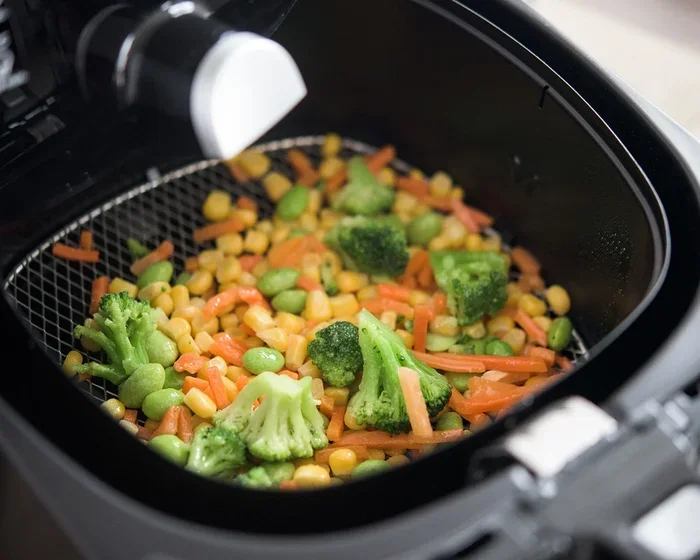
Here’s where many people get skeptical. Air fryer vegetables? Trust us—once you try frozen veggies in the air fryer, you may never go back to steaming or microwaving them. Frozen broccoli, Brussels sprouts, cauliflower, and even green beans come out with delightful crispy edges.
The key with vegetables is a light spray of oil and a sprinkle of salt before cooking. Try this approach:
- Temperature: 380°F
- Time: 7-12 minutes
- Method: Lightly spray with oil, season, shake halfway through
- Best for: Broccoli, Brussels sprouts, cauliflower, asparagus, mixed vegetable medleys
Did You Know? A study published in the Journal of Food Science found that cooking methods significantly affect nutrient retention in vegetables. Quick-cooking methods like air frying help preserve more nutrients compared to boiling, which can leach water-soluble vitamins.
Frozen Seafood
Frozen fish fillets, shrimp, and even calamari rings work wonderfully in the air fryer. The key is not overcooking, as seafood can become rubbery quickly. For frozen breaded fish fillets, 380°F for 10-12 minutes usually does the trick. Frozen raw shrimp can be cooked at 400°F for about 5-7 minutes.
Always check that seafood is opaque and flakes easily with a fork before serving.
Frozen Appetizers and Snacks
This category is where the air fryer really proves its worth. Frozen mozzarella sticks, jalapeño poppers, spring rolls, egg rolls, chicken wings, and onion rings all cook up perfectly crispy in the air fryer. No more greasy oven-baked appetizers that never quite get crispy enough.
A good baseline for most frozen appetizers is 380°F for 6-10 minutes, but always check specific package instructions and adjust based on your experience.
Common Mistakes to Avoid
Even though cooking frozen foods in an air fryer is straightforward, a few common pitfalls can trip up beginners. Let’s make sure you avoid them.
Using Cooking Spray Aerosol Cans
This is a big one. Never use aerosol cooking sprays like PAM directly in your air fryer. These sprays contain propellants and additives that can build up on the non-stick coating over time, causing it to flake off or become sticky. Instead, invest in a refillable oil mister, or simply brush oil onto your food with a silicone brush.
Forgetting to Preheat
While you can put most frozen foods directly into a cold air fryer, preheating for 3-5 minutes gives you better results. The initial blast of heat when food hits a preheated basket creates better browning and crispiness. Think of it like putting bread into a hot pan versus a cold one—the hot pan gives you instant color.
Opening the Basket Too Often
Every time you open your air fryer basket, the temperature drops and cooking time extends. While you do need to flip or shake food once during cooking, resist the urge to check progress constantly. Trust the timing and only open when needed.
Not Cleaning Between Batches
If you’re cooking multiple rounds of food, quickly wipe out the basket between batches. Food particles can burn and create smoke or off-flavors that transfer to your next batch. A damp paper towel works perfectly for this.
Ignoring Your Specific Air Fryer
Not all air fryers are created equal. Some run hotter, some have stronger fans, and basket sizes vary. The first time you cook a particular frozen food, check it a few minutes early. After a couple of rounds, you’ll learn exactly how your specific machine behaves.
Time and Temperature Chart for Popular Frozen Foods
While every air fryer is slightly different, this chart provides a great starting point for popular frozen foods. Adjust based on your experience and your specific model.
Quick Reference Guide
- Frozen French Fries: 400°F for 12-15 minutes
- Frozen Chicken Nuggets: 400°F for 8-10 minutes
- Frozen Chicken Tenders: 400°F for 10-12 minutes
- Frozen Pizza (small): 380°F for 8-12 minutes
- Frozen Pizza Rolls: 380°F for 6-8 minutes
- Frozen Mozzarella Sticks: 380°F for 6-8 minutes
- Frozen Onion Rings: 380°F for 8-10 minutes
- Frozen Fish Fillets: 380°F for 10-12 minutes
- Frozen Vegetables: 380°F for 7-12 minutes
- Frozen Meatballs: 380°F for 10-12 minutes
- Frozen Burritos: 380°F for 12-15 minutes
- Frozen Egg Rolls: 380°F for 8-10 minutes
Remember, these are starting points. Your air fryer may need slightly more or less time. Always check for the right color and texture before declaring food done.
Tips for Getting the Crispiest Results Every Time
Want to take your frozen air fryer game from good to great? These professional tips will help you achieve restaurant-quality results in your kitchen.
Tip 1: Use Parchment Paper Liners (The Right Way)
Parchment paper liners with holes can be a game-changer for messy foods like mozzarella sticks or anything with cheese. They prevent sticking and make cleanup easier. However, make sure the liner has holes for airflow, and never use it during preheating with no food on it—it can fly up into the heating element.
Tip 2: Finish with a Pinch of Salt
Fresh-from-the-freezer foods sometimes need a flavor boost after cooking. A small sprinkle of flaky sea salt right after air frying enhances flavor and makes food taste fresher. The same goes for other finishing touches like fresh herbs, a squeeze of lemon, or a dusting of parmesan cheese.
Tip 3: Don’t Be Afraid to Add a Glaze
While not all frozen foods need it, items like chicken wings or salmon benefit from a sauce or glaze applied in the last 2-3 minutes of cooking. This creates a sticky, caramelized exterior without burning the sauce. Think of it like adding BBQ sauce to ribs at the end of grilling.
Tip 4: Cook Similar Items Together
If you’re making a meal with multiple frozen components, group items that cook at similar temperatures. For example, fries and chicken nuggets both work well at 400°F, so you could (in some larger air fryers) cook them together. Just make sure items finish at the same time, or cut larger items to size smaller ones cook evenly.
Tip 5: Let Food Rest Briefly
Just like a steak needs to rest after cooking, air-fried frozen foods benefit from a brief rest. After cooking, let food sit for 1-2 minutes. This allows the internal temperature to equalize and makes food easier to handle. It also helps the crust firm up even more.
The Bottom Line: Air Fryers and Frozen Foods Are a Match Made in Heaven
If you’ve made it this far, you now know that cooking frozen foods in an air fryer is not only possible—it’s one of the best cooking methods available. The combination of speed, convenience, and quality results makes the air fryer a perfect partner for everything in your freezer.
From weeknight meals to party appetizers, the air fryer transforms frozen foods into crispy, delicious meals in a fraction of the time. You’ll use less energy than your oven, avoid the mess of deep frying, and enjoy consistent results every time.
Start experimenting with your favorite frozen foods today. Begin with simple items like french fries or chicken nuggets, then expand into vegetables, seafood, and more complex dishes. Within a few weeks, you’ll have an intuitive feel for your air fryer and will be cooking frozen foods with confidence and creativity.
Happy air frying, and enjoy your crispy, convenient meals!
Frequently Asked Questions
Do I need to thaw frozen food before air frying?
No, you do not need to thaw frozen food before air frying. In fact, most frozen foods can go directly from the freezer to the air fryer basket. Thawing can actually make some foods soggy, so cooking them frozen typically yields better, crispier results. Just adjust your cooking time and temperature accordingly.
How long does it take to cook frozen food in an air fryer?
Cooking times vary depending on the type of food, but most frozen foods cook in an air fryer in 8-15 minutes. Frozen fries typically take 12-15 minutes, chicken nuggets about 8-10 minutes, and frozen vegetables around 7-12 minutes. Always check your specific product’s package instructions as a starting point, then adjust based on your air fryer’s performance.
Is cooking frozen food in an air fryer safe?
Yes, cooking frozen food in an air fryer is completely safe as long as you follow basic food safety guidelines. For pre-cooked frozen foods, just ensure they’re heated thoroughly. For frozen raw meats like chicken or fish, use a meat thermometer to verify they reach safe internal temperatures—165°F for poultry, 145°F for fish and whole cuts of meat.
Can I cook frozen meat in an air fryer?
Absolutely! Frozen meats cook beautifully in the air fryer. Frozen chicken breasts, pork chops, burgers, and even steaks can go straight from freezer to air fryer. Expect longer cooking times than thawed meat, and always check internal temperature with a meat thermometer. Frozen chicken breasts typically need 20-25 minutes at 380°F, while frozen burgers take about 15-20 minutes at 375°F.
Should I preheat my air fryer for frozen foods?
While preheating isn’t strictly required, it’s highly recommended. Preheating your air fryer for 3-5 minutes before adding frozen food creates a better initial sear, resulting in crispier exteriors. The hot blast of air when food hits the preheated basket mimics the effect of dropping food into a hot pan versus a cold one.
Why does my frozen food burn on the outside but stay cold inside?
This common problem usually happens when the cooking temperature is too high or the basket is overcrowded. Reduce the temperature by about 25°F compared to oven instructions, avoid stacking food, and flip or shake halfway through cooking. If issues persist, your food pieces may be too thick—try cutting them in half or choosing smaller portions next time.