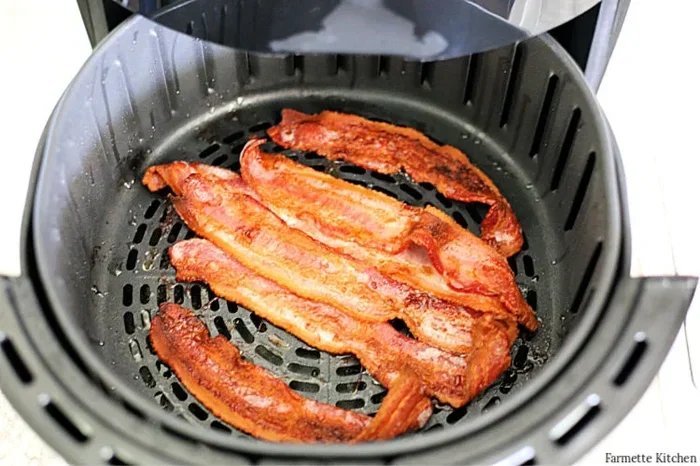
Featured image for crispy bacon air fryer
Image source: farmettekitchen.com
Yes, you can cook bacon in an air fryer and achieve perfectly crisp strips in about 8‑10 minutes at 375°F. The hot circulating air renders fat quickly, leaving less mess than a skillet. Tip: line the basket with parchment or foil for effortless cleanup.
If you have ever wondered can you put bacon in an air fryer, the short answer is a resounding yes. Air fryers use rapid hot‑air circulation to cook food quickly and evenly, making them an ideal tool for bacon. In this guide we cover everything you need to know, from the science behind the crisp to step‑by‑step instructions and pro tips.
We’ll answer the who, what, where, when, and why of air‑fryer bacon so you can decide if this method fits your kitchen routine. Whether you are a busy parent, a college student, or a weekend brunch enthusiast, the air fryer can simplify your morning routine.
Key Takeaways
- Air fryer bacon is fast: Most batches finish in under ten minutes.
- Less grease splatter: The enclosed basket contains the fat.
- Even cooking: Circulating hot air cooks each strip uniformly.
- Easy cleanup: Use parchment paper or a silicone liner.
- Healthier option: Excess fat drips away, reducing calories.
- Versatile: Cook thick‑cut, turkey, or plant‑based bacon the same way.
- Batch cooking: Stack strips in a single layer for larger servings.
📑 Table of Contents
Why Air Fryers Are Great for Bacon
Rapid Heat Transfer
Air fryers work like a miniature convection oven. A powerful fan blows hot air around the food at speeds up to 70 mph. This creates a “wind tunnel” effect that sears the surface of the bacon almost instantly. Think of it like a hair dryer on high heat focused on a single strip of meat.
Contained Fat
When you fry bacon in a pan, grease splatters across the stovetop. In an air fryer the basket walls catch most of the rendered fat. Did you know? Studies show that air‑fried bacon can have up to 30 % less surface fat than pan‑fried bacon because the fat drips into the tray below.
Consistent Results
Because the temperature stays steady, every piece of bacon receives the same heat. No more burnt edges on one side and chewy centers on the other. This consistency is why many home cooks ask can you put bacon in an air fryer and then never go back to the skillet.
How to Cook Bacon in an Air Fryer (Step‑by‑Step)
Gather Your Tools
- Air fryer (any size 3‑quart or larger works)
- Bacon strips (regular, thick‑cut, turkey, or plant‑based)
- Optional: parchment paper, silicone mat, or aluminum foil
- Tongs for flipping
Preheat the Air Fryer
Set the air fryer to 375 °F (190 °C) and let it run for 2‑3 minutes. Preheating ensures the fan is at full speed before the bacon hits the basket, which helps the fat render immediately.
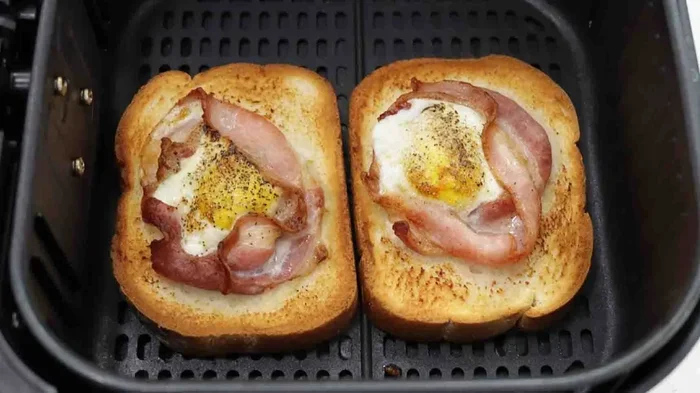
Visual guide about crispy bacon air fryer
Image source: diyjoy.com
Arrange the Strips
Lay the bacon in a single layer. Overlap only if you must cook a large batch; otherwise the strips will steam instead of crisp. If you use parchment, cut a piece to fit the basket and poke a few holes for airflow.
Cook and Flip
Cook for 8‑10 minutes. At the halfway mark, open the basket and flip each strip with tongs. Flipping guarantees both sides get the same crispness. If you prefer extra‑crispy bacon, add 1‑2 minutes more.
Drain and Serve
Transfer the bacon to a paper‑towel‑lined plate. The residual heat will finish the crisping process. Enjoy immediately or store in an airtight container for up to four days.
Best Temperature and Time Settings
Standard Cut Bacon
375 °F for 8‑10 minutes yields a classic crisp. Thinner slices may finish in 6‑7 minutes.
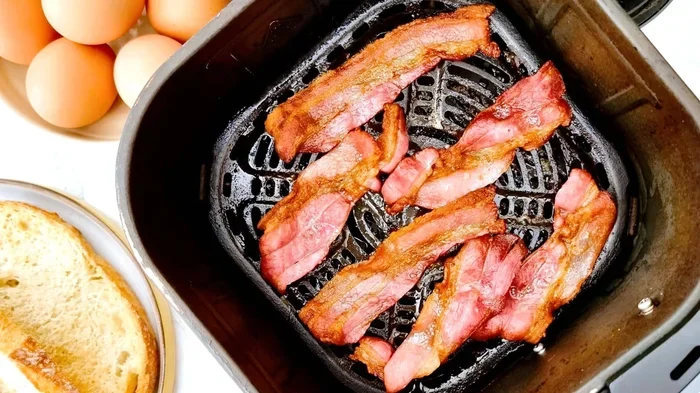
Visual guide about crispy bacon air fryer
Image source: feastgloriousfeast.com
Thick‑Cut Bacon
Increase the time to 12‑14 minutes at the same temperature. The extra thickness needs more time for the fat to render fully.
Turkey or Plant‑Based Bacon
These varieties contain less fat, so lower the temperature to 350 °F and cook 6‑8 minutes. Watch closely to avoid burning.
Quick Reference List
Because we cannot embed tables in plain HTML, here is a simple list you can copy:
- Regular bacon – 375 °F, 8‑10 min
- Thick‑cut bacon – 375 °F, 12‑14 min
- Turkey bacon – 350 °F, 6‑8 min
- Veggie bacon – 350 °F, 5‑7 min
Tips for Perfect Crispiness and Less Mess
Use a Liner
Parchment paper or a silicone mat catches drippings and makes cleanup a breeze. Just remember to cut holes for airflow; otherwise the bacon may steam.
Don’t Overcrowd
Air needs to circulate around each strip. Overcrowding leads to uneven cooking and soggy spots. If you have a lot of bacon, cook in batches.
Pat Dry Before Cooking
Excess moisture on the surface creates steam. Pat the strips with a paper towel before placing them in the basket.
Save the Grease
The rendered fat collects in the bottom tray. Pour it into a jar and use it for roasting vegetables or making gravy. Did you know? One tablespoon of bacon fat adds about 115 calories and a rich smoky flavor.
Season Lightly
Bacon is already salty. A pinch of black pepper or a sprinkle of brown sugar can add a sweet‑savory twist without overpowering the meat.
Common Mistakes and How to Avoid Them
Skipping Preheat
Without preheating, the first few minutes are spent warming the basket, so the bacon cooks unevenly. Always preheat for 2‑3 minutes.
Using Too High a Temperature
Temperatures above 400 °F can burn the sugar‑cured edges before the fat renders. Stick to 350‑375 °F for best results.
Forgetting to Flip
One‑sided cooking leaves the bottom soft. Set a timer for the halfway point and flip every strip.
Not Checking Doneness
Air fryers vary in power. Check the bacon a minute early the first time you try a new brand.
Leaving Grease in the Basket
Old grease can smoke on the next run. Empty the tray and wipe the basket after each use.
Creative Ways to Use Air‑Fried Bacon
Breakfast Sandwiches
Layer crisp bacon on an English muffin with a fried egg and cheese for a café‑style sandwich in minutes.
Salad Toppers
Crumble bacon over a spinach salad with strawberries, goat cheese, and balsamic vinaigrette.
Bacon‑Wrapped Appetizers
Wrap dates, asparagus, or chicken bites with a half‑strip of bacon and air fry for 8‑10 minutes. The bacon crisps while the filling stays juicy.
Bacon Bits for Soups and Baked Potatoes
Chop cooked bacon and sprinkle over loaded baked potatoes, chowders, or mac and cheese.
Sweet‑Savory Treats
Dip bacon strips in maple syrup, sprinkle with cayenne, and air fry for a quick candied bacon snack.
Conclusion
So, can you put bacon in an air fryer? Absolutely. The air fryer delivers crisp, evenly cooked bacon with less mess and less fat on the plate. By following the temperature guidelines, using a liner, and avoiding common pitfalls, you’ll enjoy restaurant‑quality bacon at home any day of the week. Experiment with thick‑cut, turkey, or plant‑based varieties, and don’t forget to save that delicious rendered fat for future recipes. Happy air frying!
Frequently Asked Questions
Can you put bacon in an air fryer without a liner?
Yes, you can cook bacon directly in the basket, but a liner makes cleanup easier and prevents sticking.
What temperature should I set for air fryer bacon?
Set the air fryer to 375 °F for regular or thick‑cut bacon; lower to 350 °F for turkey or plant‑based bacon.
How long does bacon take in an air fryer?
Most bacon finishes in 8‑10 minutes; thick‑cut may need 12‑14 minutes.
Do I need to flip bacon in an air fryer?
Flipping halfway through ensures both sides crisp evenly.
Can I cook a large batch of bacon at once?
Cook in a single layer; for larger amounts, do multiple batches to maintain airflow.
Is air‑fried bacon healthier than pan‑fried?
Air frying lets excess fat drip away, reducing overall fat and calorie content compared with pan frying.