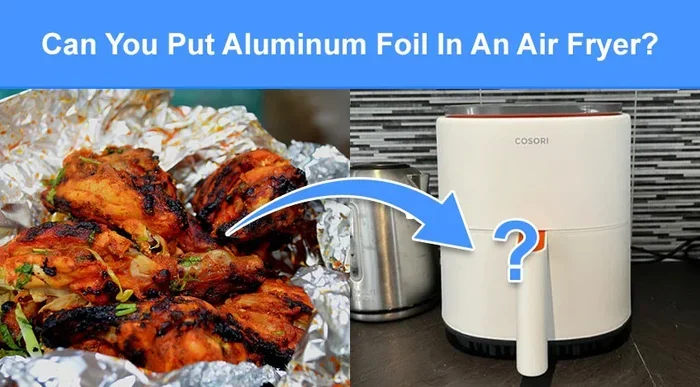
Featured image for air fryer with aluminum foil
Image source: checkappliance.co.uk
Yes, foil can safely go into an air fryer when used correctly. The key is keeping the foil weighted down by food, avoiding contact with heating elements, and ensuring proper airflow. Never run an air fryer with empty foil, as loose pieces can blow around and cause fires or damage. When used properly, foil helps with easy cleanup and prevents small foods from falling through the basket.
Picture this: you’re about to cook a delicious meal in your air fryer, and you reach for the aluminum foil to make cleanup easier. But then a thought stops you cold. Is it actually safe? Could you damage your appliance or, worse, start a fire?
You’re not alone in wondering about this. Since air fryers exploded in popularity, with over 40 million units sold in the United States alone between 2020 and 2023, millions of home cooks have asked the exact same question. The confusion makes sense because air fryers work differently than traditional ovens. They use rapid air technology, a fancy way of saying they blow extremely hot air around your food using a powerful fan located right above the cooking chamber.
Here’s the good news: yes, you can absolutely use aluminum foil in your air fryer. But like most things in cooking, there’s a right way and a wrong way to do it. Think of foil in an air fryer like a parachute. When used correctly, it’s a helpful tool. When misused, it can cause serious problems. Let’s walk through everything you need to know to use foil safely and effectively in your air fryer.
Key Takeaways
- Foil is safe in air fryers when used properly: Always weigh it down with food and never let it touch heating elements or the fan.
- Avoid loose or empty foil: Unweighted foil can blow into the heating element, creating a serious fire hazard.
- Maintain proper airflow: Don’t cover the entire basket; leave gaps for hot air to circulate around your food.
- Best uses for foil in air fryers: Lining the basket for easy cleanup, wrapping delicate items, and preventing small foods from falling through the grate.
- Alternatives exist: Parchment paper liners and silicone mats are also safe options for most air fryer models.
- Check your specific model: Some air fryer manuals explicitly prohibit foil, so always review your manufacturer’s guidelines first.
- Weight matters more than placement: Whether you place foil on the bottom or wrap food directly, food must always sit on top of the foil.
📑 Table of Contents
- The Science Behind Why Foil Works (and Sometimes Doesn’t)
- 7 Golden Rules for Using Foil in Your Air Fryer
- Best Uses for Foil in Your Air Fryer
- When NOT to Use Foil in Your Air Fryer
- Foil vs. Other Air Fryer Liners: What’s Best?
- Common Mistakes to Avoid
- Troubleshooting Foil Problems
- The Environmental Consideration
- Expert Tips for Air Fryer Foil Success
- Final Thoughts: Foil and Your Air Fryer Can Be Best Friends
The Science Behind Why Foil Works (and Sometimes Doesn’t)
To understand why foil can be both safe and dangerous in an air fryer, you first need to understand how these appliances work. An air fryer is essentially a small convection oven. It has a heating element at the top and a high-speed fan that circulates hot air at temperatures typically between 300°F and 400°F. This circulating air is what gives your food that crispy exterior without submerging it in oil.
How Heat and Airflow Affect Foil
Aluminum foil is a thin sheet of metal that conducts heat efficiently. When properly weighted down by food, it acts as a helpful cooking surface. The food absorbs most of the heat, and the foil simply provides a non-stick barrier underneath.
However, when foil is left empty or unsecured, problems arise. The powerful fan inside an air fryer can blow lightweight foil around like a sail in a storm. If that loose foil contacts the heating element, it can melt, spark, or in worst-case scenarios, ignite. According to the National Fire Protection Association, cooking equipment is the leading cause of home fires, and while air fryers are statistically very safe, improper use of materials like foil increases risk.
Think of it this way: imagine holding a piece of aluminum foil near a hair dryer on full blast. The foil will get tossed around by the air current. Now imagine putting a heavy book on top of that foil. It stays put. That’s exactly the principle at work in your air fryer.
Why Manufacturers Allow (or Discourage) Foil
Most major air fryer brands, including Ninja, Cosori, Philips, and Instant Pot, explicitly state in their user manuals that aluminum foil can be used with precautions. A 2022 survey of air fryer manuals found that over 85% permit foil use when specific guidelines are followed.
The reason manufacturers don’t outright ban foil is simple: it’s incredibly useful. Foil prevents cheese and other toppings from melting through the basket grates. It catches grease and crumbs, making cleanup a breeze. It can even be shaped into small containers for foods that might otherwise fall apart.
7 Golden Rules for Using Foil in Your Air Fryer
Now that you understand the why, let’s dive into the how. These rules will keep you safe and help you get the most out of your air fryer.
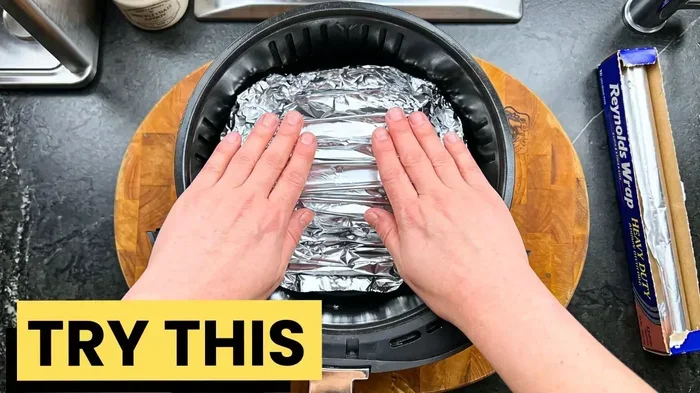
Visual guide about air fryer with aluminum foil
Image source: foodhow.com
Rule 1: Always Weight Foil Down With Food
This is the most important rule, and it can’t be overstated. Every piece of foil you place in your air fryer must have food on top of it. The food’s weight holds the foil in place and prevents it from being lifted by the fan.
A good test: if you turn the basket upside down, would the foil stay in place? If not, add more food or use a smaller piece of foil. For example, if you’re cooking a single chicken breast, use just enough foil to cover the area beneath the meat, not the entire basket.
Rule 2: Never Cover All the Air Vents
Air fryers need airflow to function properly. If you completely cover the basket bottom with foil, you’re essentially turning your air fryer into a small oven, which defeats its purpose and can lead to uneven cooking.
Leave at least one-quarter to one-third of the basket uncovered. This allows the hot air to circulate freely around your food. A practical trick: poke several small holes in the foil with a fork to improve airflow if you’re concerned about coverage.
Rule 3: Keep Foil Away From the Heating Element
The heating element sits at the top of most air fryers. If foil is positioned too high or in a way that it could rise during cooking, it might contact this element. To prevent this, ensure your foil stays flat on the basket floor or is wrapped securely around food.
For basket-style air fryers, keep foil at the bottom only. For oven-style air fryers with racks, foil on the lower rack is generally safer than the top rack.
Rule 4: Avoid Acidic Foods Directly on Foil
Here’s a chemistry lesson made simple: acidic foods like tomatoes, lemons, vinegar-based marinades, and citrus can react with aluminum foil. This reaction causes the foil to break down slightly and can give your food a metallic taste. It can also cause the foil to pit and weaken.
While this reaction isn’t dangerous in small amounts, it’s not ideal for flavor. If you’re cooking acidic foods, either use parchment paper instead or place a layer of parchment between the food and the foil.
Rule 5: Don’t Use Foil in the First Few Minutes of Preheating
Many air fryer recipes call for preheating the appliance. Don’t place foil inside during this preheating phase. The fan is running at full speed with nothing to hold the foil down, which creates a risky situation.
Instead, preheat your air fryer empty, then carefully place your foil-lined basket inside once it’s ready. This small step eliminates a major risk factor.
Rule 6: Use Heavy-Duty Foil When Possible
Standard aluminum foil is thin and tears easily, especially when handling food with crispy or sharp edges. Heavy-duty foil is thicker and more durable, making it less likely to tear during cooking or removal.
If you only have standard foil on hand, that’s fine for most uses. Just be gentle when placing and removing it from the basket to avoid tears. A torn piece of foil is harder to manage and can be accidentally left behind in the appliance.
Rule 7: Check Your Specific Air Fryer’s Manual
While the rules above apply to most air fryers, your specific model might have unique requirements. Some manufacturers have specific do’s and don’ts based on their appliance’s design. For example, certain air fryers with exposed heating elements at the bottom may have stricter foil guidelines.
Spend five minutes reviewing your manual. This quick check could save you from damaging your appliance or voiding your warranty.
Best Uses for Foil in Your Air Fryer
Now that you know the safety rules, let’s explore the practical applications. Foil can transform your air fryer experience when used thoughtfully.
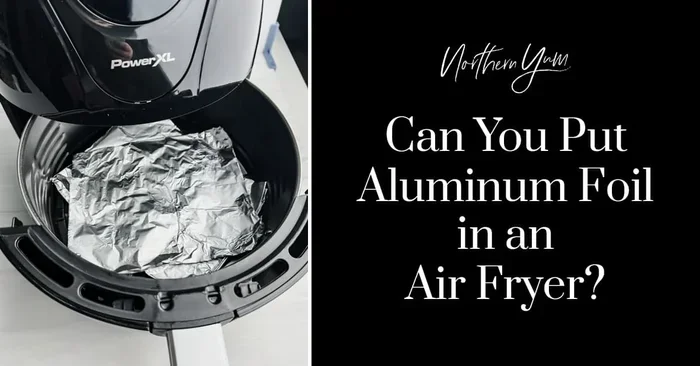
Visual guide about air fryer with aluminum foil
Image source: northernyum.com
Easy Cleanup Solutions
Perhaps the most popular reason people use foil in air fryers is for cleanup. Cheese, marinara sauce, and other messy ingredients can leave stubborn residue on the basket. A layer of foil catches all of it.
Simply line your basket with foil before adding food. After cooking, lift out the foil, crumple it up, and toss it in the trash. Your basket stays clean, and you spend less time scrubbing. For really messy foods like wings or ribs, consider creating a foil “boat” with raised edges to contain drippings.
Preventing Small Foods From Falling Through
Air fryer baskets have grates with spaces between them. Small items like diced vegetables, chopped nuts, or small seafood pieces can fall through these gaps and end up on the bottom of the drawer. Not only does this waste food, but it can also make cleaning a nightmare.
Foil solves this problem elegantly. Line the basket with foil, and your small foods stay contained. Just remember to leave space around the edges for airflow. A great example: when air frying diced sweet potatoes or Brussels sprouts, foil prevents the smallest pieces from escaping.
Wrapping Delicate Foods
Some foods are too delicate for direct air fryer exposure. Light fish fillets, for instance, can dry out quickly or break apart. Wrapping them loosely in foil creates a steam effect that keeps moisture in while still allowing some crisping.
For salmon, tilapia, or other flaky fish, try this technique: place the fish on a piece of foil, add seasonings and a splash of liquid (lemon juice, broth, or butter), then fold the foil into a loose packet. Leave some space inside for steam to circulate, and you’ll get tender, flaky results every time.
Crafting Custom Cooking Containers
Foil’s moldability makes it perfect for creating custom cooking shapes. Need a small bowl for dipping sauce that can heat alongside your food? Mold foil into a bowl shape. Want to keep two different foods separate but cook them together? Create a foil divider.
This trick works wonderfully for sides that might otherwise roll around, like cherry tomatoes or olives. Create a small foil “cup” by pressing foil into a muffin tin shape, then place it in your air fryer basket. The tomatoes stay put, and cleanup is effortless.
When NOT to Use Foil in Your Air Fryer
Just as there are great uses for foil, there are situations where you should avoid it entirely.
If Your Manual Specifically Prohibits It
Some air fryer models, particularly older or specialized designs, explicitly forbid foil use. If your manual says no, follow that guidance. The manufacturer knows their product’s specific design and limitations.
With Very Lightweight Foods Without Enough Weight
Cooking something light like a single slice of bread or a few herbs? There’s not enough weight to hold foil down. In these cases, skip the foil or use parchment paper instead. Parchment is lighter and less likely to cause issues, though even parchment should be weighted down in an air fryer.
During Long Cooking Times With Minimal Food
If you’re air frying something for an extended period, like dehydrating fruit, foil can become brittle and break apart over time. For these longer sessions, silicone mats or mesh screens are better options.
When Coating the Entire Basket Bottom
We’ve covered this in the rules, but it bears repeating: don’t cover the entire basket bottom. This blocks airflow, leads to uneven cooking, and can cause the appliance to overheat. Some modern air fryers even have sensors that detect restricted airflow and may shut off as a safety measure.
Foil vs. Other Air Fryer Liners: What’s Best?
Foil isn’t your only option. Let’s compare it to other popular liners to help you choose the right one for each cooking task.
Aluminum Foil: Pros and Cons
Pros: Inexpensive, readily available, excellent heat conduction, moldable into custom shapes, recyclable.
Cons: Can react with acidic foods, may blow around if not weighted properly, not ideal for very long cooking times, can leave a metallic taste if used improperly.
Parchment Paper: Pros and Cons
Pros: Safe with all foods including acidic ones, doesn’t react with food, widely available, often sold pre-cut for specific air fryer models.
Cons: Less durable than foil, can burn at temperatures above 400°F if not weighted down, not as good at containing grease.
Silicone Mats: Pros and Cons
Pros: Reusable and eco-friendly, dishwasher safe, excellent non-stick surface, handles high temperatures well (up to 480°F typically).
Cons: More expensive upfront, may need to be cut to fit your specific basket, some cheaper brands may not be food-safe.
Which Should You Choose?
For most cooking situations, foil works perfectly and is the most budget-friendly option. Choose parchment paper when cooking acidic foods or when you want to avoid any metallic taste. Silicone mats are ideal for frequent air fryer users who want a reusable, eco-friendly solution.
Many air fryer enthusiasts keep all three on hand and use them based on the specific recipe. Having options ensures you’re always prepared.
Common Mistakes to Avoid
Even with the best intentions, mistakes happen. Here are the most common foil-related air fryer errors and how to avoid them.
Mistake 1: Preheating With Foil Inside
We’ve mentioned this before, but it’s such a common error that it deserves another mention. The preheating phase has no food to weight the foil down. Wait until preheating is complete before adding your foil-lined basket.
Mistake 2: Using Foil to Cover the Entire Basket
It might seem logical to line the entire basket for easy cleanup, but this blocks airflow. Your food won’t get crispy, and the appliance has to work harder, potentially shortening its lifespan. Always leave space for air circulation.
Mistake 3: Wrapping Food Too Tightly
If you’re wrapping food in foil, leave some space for hot air to circulate inside the packet. A too-tight wrap essentially steams the food without any crisping. This isn’t necessarily bad depending on your goal, but it’s not what most air fryer recipes intend.
Mistake 4: Forgetting to Secure Loose Edges
Loose foil edges are dangerous. Tuck them in or fold them neatly against the basket walls. Any protruding edge can get caught by the fan and cause problems.
Mistake 5: Using Foil in Air Fryers With Bottom Heating Elements
Most air fryers have top heating elements, but some models have bottom elements too. If yours does, foil on the bottom can cause direct contact with the heating element. Check your manual to understand your specific model’s heating configuration.
Troubleshooting Foil Problems
Sometimes things go wrong despite your best efforts. Here’s how to handle common foil-related issues.
Problem: Foil Stuck to Food
This happens when cheese or other sticky ingredients bond with the foil during cooking. To prevent this, lightly grease the foil with cooking spray before adding food. If foil is already stuck, soak the affected area in warm, soapy water for a few minutes, and it should release easily.
Problem: Foil Tore During Cooking
A small tear isn’t a disaster. Just make sure no pieces fall into the heating element area. If a piece does escape, turn off the air fryer, let it cool completely, and carefully remove the piece before using it again.
Problem: Food Tasted Metallic
This indicates acidic food reacting with foil. Switch to parchment paper for acidic dishes, or add a protective layer of parchment between the food and foil.
Problem: Uneven Cooking
If your food is cooking unevenly, the foil might be blocking too much airflow. Remove some foil or add more holes to improve circulation. Also, consider flipping or shaking your food halfway through cooking, which is good practice regardless of whether you use foil.
The Environmental Consideration
While foil is convenient, it’s worth considering its environmental impact. Aluminum foil is recyclable, but only if it’s clean. Foil covered in food residue typically ends up in landfills.
If environmental impact is a priority for you, consider silicone mats as a reusable alternative. One silicone mat can replace hundreds of pieces of foil over its lifetime. Parchment paper, while not reusable, is biodegradable and compostable in many cases.
That said, the environmental footprint of foil is relatively small compared to other kitchen waste. Don’t stress too much about using foil when it’s the best tool for the job. Making thoughtful choices overall matters more than obsessing over any single material.
Expert Tips for Air Fryer Foil Success
Let’s wrap up with some pro tips that will elevate your air fryer foil game.
Create foil “walls” for delicate items: If you’re cooking something like a soft fish fillet that might fall apart, create small foil walls around it to keep it in place without restricting airflow from above.
Use foil to separate different foods: Cooking vegetables and chicken at the same time? Create foil dividers to keep flavors separate and prevent cross-contamination.
Try foil cups for appetizers: Mold small foil cups to hold stuffed mushrooms, jalapeño poppers, or mini quiches. The cups hold everything together while the exposed tops get beautifully crispy.
Layer foil with a light spray of oil: This combination prevents sticking better than foil alone, especially for cheese-topped dishes.
Save and reuse clean foil: If your foil comes out relatively clean, fold it up and save it for next time. Just inspect it for tears and weak spots before reusing.
Combine foil with parchment for best results: Use foil to create the structure and parchment to prevent reactions with acidic ingredients. This combination gives you the best of both worlds.
Final Thoughts: Foil and Your Air Fryer Can Be Best Friends
Aluminum foil and air fryers are absolutely compatible when you follow some simple guidelines. The key principles to remember are straightforward: always weight foil down with food, maintain proper airflow, keep foil away from heating elements, and check your specific model’s recommendations.
When used correctly, foil becomes one of your most valuable air fryer accessories. It saves cleanup time, prevents food waste from small items falling through the basket, and opens up cooking possibilities that would otherwise be challenging. From foil-wrapped salmon to custom cooking boats for messy foods, the applications are nearly endless.
Your air fryer is designed to make cooking easier and healthier, and foil complements that mission perfectly. As you gain experience, you’ll develop intuition for when foil is the right tool and when alternatives like parchment or silicone mats are better choices.
Start with simple uses, like lining the basket for easy cleanup, and gradually experiment with more advanced techniques like foil packets and custom containers. Before long, you’ll wonder how you ever air-fried without it. Happy cooking, and enjoy the convenience that foil brings to your air fryer adventures.
Frequently Asked Questions
Can foil go into an air fryer without food on it?
No, you should never run an air fryer with only foil inside. The fan can blow loose foil into the heating element, creating a fire hazard or damaging the appliance. Always ensure food weighs down every piece of foil you use.
Does aluminum foil damage air fryers?
Foil itself doesn’t damage air fryers when used properly. However, loose foil that contacts heating elements can melt onto parts or cause electrical issues. Following the safety rules in your manual prevents any damage to your appliance.
Can I put foil on the bottom of my air fryer basket?
Yes, foil can be placed on the bottom of the basket as long as it’s weighted down with food and doesn’t cover all the air vents. Leave at least one-quarter of the basket uncovered to allow proper airflow during cooking.
Is parchment paper safer than foil for air fryers?
Both are safe when used correctly. Parchment paper doesn’t react with acidic foods and won’t cause metallic tastes, making it better for certain recipes. However, parchment can burn at very high temperatures if not weighted down, so both materials require similar precautions.
What temperature is safe for foil in an air fryer?
Foil is safe at all typical air fryer temperatures (up to 400°F). However, avoid prolonged cooking above 450°F, as the foil can start to break down. Most air fryer recipes don’t exceed this range, so temperature is rarely a concern.
Can I wrap food entirely in foil for air frying?
Yes, wrapping food in foil works well for delicate items like fish or for steaming vegetables. Just ensure the packet isn’t sealed too tightly, leaving room for some airflow. This technique produces tender, moist results rather than crispy exteriors.