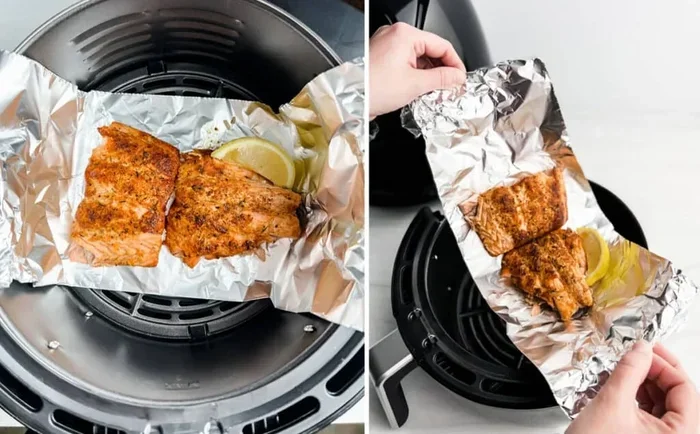
Featured image for Aluminum foil air fryer
Image source: northernyum.com
Yes, you can put aluminum foil in an air fryer, but only when used correctly. The foil must be weighted down, not touch the heating element, and allow proper airflow. Never line the basket entirely, as this blocks hot air circulation and can cause overheating or fire. Always check your air fryer’s manual first, since some models specifically prohibit aluminum use.
Picture this: you pull a beautiful salmon fillet from the air fryer, perfectly crispy on the outside and tender inside. But wait, there’s a puddle of fish juice pooling at the bottom of your basket. Now you’re scrubbing baked-on grease instead of enjoying dinner. Aluminum foil could have saved you 20 minutes of cleanup. But is it actually safe?
Here’s the thing. Air fryers work like miniature convection ovens, blasting hot air around your food at speeds up to 200 miles per hour. That powerful airflow means lightweight objects can fly around inside, potentially causing damage or even fire. Understanding how to use aluminum foil safely means the difference between effortless cleanup and a kitchen disaster.
Let’s walk through everything you need to know, from the science behind air fryers to step-by-step instructions for using foil like a pro. By the end, you’ll know exactly when to reach for that aluminum roll and when to leave it in the drawer.
Key Takeaways
- Aluminum foil is generally safe in air fryers when used properly, but it should never cover the entire basket bottom or touch heating elements.
- Airflow is critical: Aluminum must allow hot air to circulate around food, or the fryer can overheat and pose a fire risk.
- Weight your foil down with food: Loose foil can fly into the heating element due to the powerful fan, causing sparks or damage.
- Avoid acidic foods like tomatoes or citrus when using aluminum, as chemical reactions can cause metallic taste and pitting in the foil.
- Never use aluminum in air fryers that explicitly prohibit it, especially basket-style models with non-stick coatings directly exposed.
- Alternatives exist: Parchment paper liners designed for air fryers offer similar benefits without the risks of metal contact.
- Always consult your manual first: Manufacturer guidelines vary, and some brands void warranties if foil is misused.
📑 Table of Contents
- How Air Fryers Work and Why Material Matters
- When You CAN Safely Use Aluminum Foil in an Air Fryer
- When You Should AVOID Aluminum Foil in an Air Fryer
- Step-by-Step Guide: How to Use Aluminum Foil in an Air Fryer Safely
- Alternatives to Aluminum Foil for Air Fryers
- Common Mistakes to Avoid with Aluminum in Air Fryers
- Frequently Asked Questions About Aluminum Foil in Air Fryers
How Air Fryers Work and Why Material Matters
An air fryer is basically a countertop convection oven. It uses a heating element and a high-speed fan to circulate hot air around your food. This creates that signature crispy texture we all love, using little to no oil. The air fryer advantages go far beyond just healthier cooking, but the way it cooks is essential to understanding aluminum safety.
Most air fryers reach temperatures between 300°F and 400°F. Some models hit 450°F or higher. The fan inside moves air at surprisingly high velocities. This matters because lightweight items, including aluminum foil, can get lifted and blown around. If foil contacts the heating element directly, it can melt, spark, or in worst-case scenarios, ignite.
Think of it like a hair dryer. Point a lightweight tissue at the vent, and it flies around. Now imagine that hair dryer is also 400°F. That’s essentially what happens inside your air fryer. The lesson? Anything inside needs to stay put, especially when airflow is involved.
Beyond airflow concerns, there’s chemistry to consider. Aluminum is a reactive metal. When it touches acidic foods (like tomatoes, lemons, or vinegar-based marinades), a chemical reaction occurs. The acid strips aluminum atoms, causing them to leach into your food. This creates a metallic taste and, according to some studies, may pose health concerns with repeated exposure. Understanding the science of aluminum and food safety helps you use it wisely.
The Three Rules of Aluminum in Air Fryers
Before we dive deeper, memorize these three golden rules:
- Never block airflow completely. Air must circulate around your food.
- Never let foil touch heating elements. Direct contact causes melting or sparking.
- Always weigh foil down with food. Loose foil will fly into the fan.
When You CAN Safely Use Aluminum Foil in an Air Fryer
There are plenty of situations where aluminum foil is your best friend. Here are the most common safe applications.
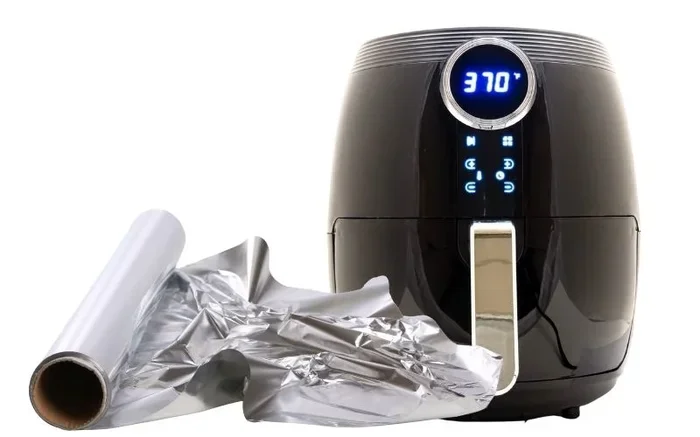
Visual guide about Aluminum foil air fryer
Image source: familyguidecentral.com
Wrapping Delicate Foods
Some foods fall apart easily. Think fish fillets, stuffed peppers, or cheesy stuffed chicken breasts. Wrapping them in foil keeps everything intact during cooking. The foil acts like a protective envelope, preventing delicate items from breaking apart under the powerful airflow.
For example, if you’re cooking a flaky fish like cod, wrap it loosely in foil with a little butter and herbs. The foil traps moisture, preventing the fish from drying out. This is a technique that professional chefs call “en papillote,” and it works beautifully in air fryers.
Creating a Shield for Uneven Cooking
Did you know that the wing tips of a chicken often burn before the thigh is fully cooked? Aluminum foil solves this problem. Simply wrap the wing tips and any other parts that brown too quickly. This creates a heat shield, allowing thicker areas to catch up.
The same trick works for the edges of pies, the tips of asparagus, or any food with varying thickness. It’s like giving your food a little sunscreen for the air fryer.
Easy Cleanup for Messy Foods
Let’s face it: cheese melts, bacon drips, and marinades splatter. Placing a small piece of foil at the bottom of your basket catches all that mess. Cleanup becomes as simple as lifting out the foil and tossing it.
However, and this is crucial, only line a small portion of the basket. Leave at least half the surface open. Punch a few holes in the foil if you’re worried about airflow. Many air fryer cleaning hacks rely on this simple trick.
Catching Drips from Foods on Racks
If your air fryer has multiple racks or a rotisserie function, place foil on the lower rack to catch drips. This prevents grease from burning onto the heating element, which creates smoke and unpleasant odors. Just make sure the foil doesn’t extend up the sides where it could contact the element.
When You Should AVOID Aluminum Foil in an Air Fryer
Aluminum isn’t always the right choice. Some situations call for alternatives.
Acidic or High-Salt Foods
Remember the chemistry lesson? Acidic ingredients react with aluminum. Foods to avoid wrapping in foil include:
- Tomatoes and tomato-based sauces
- Lemon, lime, or orange juice and zest
- Vinegar-based marinades
- Citrus-herb rubs
Instead, use parchment paper for these foods. Parchment doesn’t react with acids, and it’s heat-resistant up to about 425°F.
Air Fryers with Exposed Heating Elements
Some air fryer models have heating elements that are easily accessible at the top of the cooking chamber. If even a small piece of foil floats up, it can cause serious problems. In these models, it’s safest to skip foil entirely.
Check your manual for any mention of “exposed heating elements” or warnings about reflective materials. When in doubt, opt for parchment liners specifically designed for air fryers.
Non-Stick Coatings and Bare Aluminum Baskets
If your air fryer basket has a non-stick coating, scratching it with aluminum foil can damage the surface. Tiny pieces of foil may also break off and stick to the coating, creating rough spots over time.
On the flip side, if your basket is bare aluminum (some budget models), the foil can weld itself to the basket through heat and pressure. Separating the two can ruin both surfaces. Always place a layer of parchment between foil and bare aluminum baskets.
Lightweight Foods Without Weight
Never place a sheet of foil in an empty or near-empty air fryer. Without food to weigh it down, the foil will get blown around by the fan. It will likely end up touching the heating element, causing damage. Always make sure food is placed on the foil before the air fryer starts.
Step-by-Step Guide: How to Use Aluminum Foil in an Air Fryer Safely
Ready to try it? Follow these steps for foolproof results.
Step 1: Check Your Manual
Before anything else, read your air fryer’s manual. Look for sections on “accessories,” “materials,” or “what not to use.” Some manufacturers explicitly prohibit foil. If yours does, stop here and use parchment paper instead.
Step 2: Cut the Right Size
Cut foil that’s slightly smaller than your basket. The foil should not extend up the sides or touch the walls. Think of it like placing a coaster in a cup holder, just covering the bottom.
For wrapping foods, cut pieces large enough to fully enclose the item with a little extra to crimp the edges. Like wrapping a burrito, but less tight. Air still needs to circulate inside.
Step 3: Add Holes for Airflow
Use a toothpick or skewer to poke 5-6 holes in the foil if you’re lining the basket. This allows hot air to pass through. Without holes, you’ll create a flat barrier that blocks convection, leaving food soggy on top.
Step 4: Secure the Foil
For lined baskets, press the foil firmly against the bottom and up the lower edges. The weight of the food will further secure it. Avoid crinkling the foil into balls or loose shapes that could fly around.
For wrapped foods, crimp the edges loosely. You want some airflow to reach the food, so don’t seal it airtight like a baked potato.
Step 5: Place Food on Top
Make sure every piece of foil is in contact with food or pressed firmly against the basket. Any foil not touching anything is a flight risk. If you have leftover foil hanging over the edge, tuck it under or trim it.
Step 6: Cook and Monitor
Set your temperature and time as usual. Pause halfway through to check the foil’s position. If anything looks amiss, rearrange and continue. Listen for any unusual sounds like fluttering or scraping, which might indicate loose foil.
Alternatives to Aluminum Foil for Air Fryers
If you’d rather skip foil, several alternatives work well.
Parchment Paper Liners
Air fryer parchment liners are pre-cut circles with holes for airflow. They’re heat-resistant, non-stick, and safe for acidic foods. They’re also biodegradable, making them an eco-friendly choice. The only downside is they can’t handle temperatures above 425°F, so they’re not ideal for high-heat searing.
Silicone Mats
Reusable silicone mats are another option. They’re heat-resistant up to 480°F and can be washed and reused hundreds of times. Just like parchment, they need holes for airflow. Silicone mats are great for sticky foods like cheese-covered fries.
Air Fryer-Specific Accessories
Many brands sell accessories like grill pans, baking dishes, and racks designed specifically for air fryers. These are made from materials tested for safe use and often improve cooking performance. Investing in a few key accessories can elevate your air fryer game.
Leaving the Basket Clean Naturally
Here’s a simple tip: soak the basket in hot, soapy water for 10 minutes after cooking. Most residue lifts off easily without any liner. Sometimes the simplest solution is the best one. For stubborn spots, a paste of baking soda and water works wonders.
Common Mistakes to Avoid with Aluminum in Air Fryers
Even experienced cooks make these errors. Learn from their mistakes.
Lining the Entire Basket
We’ve mentioned this, but it deserves repeating. Covering the entire basket blocks airflow. Your food won’t cook evenly, and the fryer may overheat. Always leave at least 50% of the basket surface exposed.
Using Foil Without Food on Top
An empty foil-lined basket is an accident waiting to happen. The moment you start the fryer, that foil is going airborne. Always pair foil with food, every single time.
Wrapping Foods Too Tightly
If you wrap foil tightly around food, you’re essentially steaming it. The air fryer works by circulating air, and tightly wrapped foil prevents that. Leave some space for air to flow inside the wrap.
Ignoring Manufacturer Warnings
Some air fryers have specific warnings about aluminum. Brands like Philips and certain Ninja models include this guidance for safety reasons. Ignoring these warnings could void your warranty or, worse, cause damage.
Using Crumpled Foil Balls as “Racks”
Some cooks crumple foil into balls to create elevation for food. While creative, this is risky. The balls can shift, and any sharp edges may contact heating elements. Use proper racks instead.
Frequently Asked Questions About Aluminum Foil in Air Fryers
Let’s tackle the most common questions about aluminum and air fryers. These answers will clear up confusion once and for all.
Can I line my air fryer basket with aluminum foil?
Yes, but only partially. Cover no more than half the basket bottom, and always weigh the foil down with food. Punch holes for airflow, and never let the foil touch the heating element or walls of the basket. This prevents overheating and fire risks.
Will aluminum foil damage my air fryer?
Aluminum foil itself won’t damage most air fryers when used correctly. However, loose foil that touches heating elements can melt, spark, or cause permanent damage. Always ensure foil is weighted down and contained within the cooking basket.
Can I use aluminum foil in a Ninja air fryer?
Most Ninja air fryer models allow aluminum foil use, but check your specific manual. Generally, you can line the basket bottom with foil as long as it doesn’t block airflow. Avoid using foil with acidic foods or covering the entire basket surface.
Is parchment paper better than aluminum foil for air fryers?
Both work well, but parchment paper is safer for acidic foods and won’t react with ingredients. Parchment also doesn’t conduct heat, so it won’t interfere with cooking performance. However, foil is better for high-heat searing and creating heat shields on specific food areas.
What happens if aluminum foil touches the heating element?
If foil contacts the heating element, it can melt, warp, or spark. In severe cases, it may cause a fire. The heating element can reach 400°F or higher, easily exceeding aluminum’s melting point. Always keep foil away from heating elements and check that it’s properly secured before cooking.
Can I put aluminum foil trays in the air fryer?
Small aluminum trays can work, but they must fit inside the basket without touching walls or heating elements. They should also allow airflow around the food. Many cooks prefer perforated aluminum trays designed for air fryers, which offer the convenience of foil with better airflow.
So, can you put aluminum in an air fryer? Absolutely, but with care. The key is keeping foil weighted, contained, and away from heating elements. Used properly, aluminum foil makes air fryer cooking easier, cleaner, and more versatile. Just remember the golden rules: never block airflow, never let it touch heating elements, and always pair foil with food.
Start with small, simple uses, like lining the basket for easy cleanup or wrapping delicate fish. As you gain confidence, experiment with shields for browning and creative wraps. Soon, aluminum foil will become one of your favorite air fryer accessories, right alongside parchment paper and a good pair of tongs.
Happy air frying, and may your food always come out perfectly crispy!