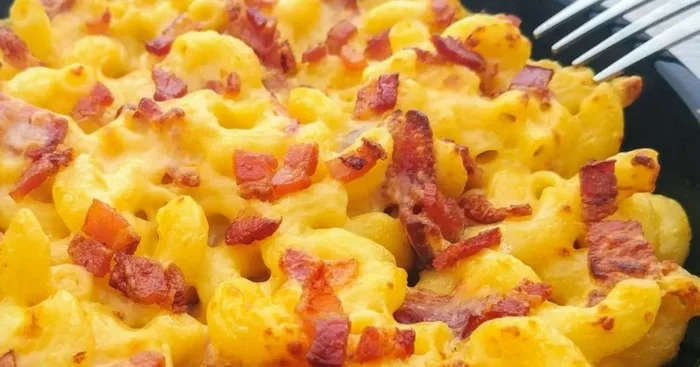
Featured image for crispy air fryer bacon
Image source: img-global.cpcdn.com
Cooking bacon in an air fryer is one of the best kitchen hacks you’ll ever discover. It produces perfectly crispy bacon with minimal mess, no splattering grease, and in just 8-12 minutes. This method is healthier than pan-frying, easier than oven-baking, and delivers consistently delicious results every single time.
Picture this: It’s a lazy Sunday morning, and you want bacon. But you’re dreading the splattering grease on your stovetop, the constant flipping, and the mountain of dishes waiting for you afterward. Sound familiar? Well, here’s some great news. Your air fryer is about to become your new best friend for bacon lovers everywhere.
Air fryers have taken kitchens by storm, and for good reason. These countertop wonders use hot air circulation to cook food with little to no oil, producing results that rival deep frying but without all the guilt. According to market research from Statista, air fryer ownership in American households jumped from 10% in 2019 to over 40% by 2023. That’s millions of people discovering easier ways to cook their favorite foods.
When it comes to bacon specifically, the air fryer method is truly revolutionary. It solves nearly every common complaint about cooking bacon. No more standing over a hot pan. No more grease burns on your forearms. No more inconsistent results where some strips are burnt while others are floppy. Just perfectly crispy, evenly cooked bacon that practically cooks itself. Let’s dive into everything you need to know about making bacon in your air fryer.
Key Takeaways
- Air fryer bacon is faster and healthier: It uses little to no added oil and cooks in about half the time of traditional methods.
- Temperature matters most: 350°F to 400°F is the sweet spot for crispy bacon without burning.
- Don’t overcrowd the basket: Lay bacon in a single layer for even cooking and proper air circulation.
- Save the rendered fat: The drippings collected in the tray are liquid gold for cooking other dishes.
- No flipping required: Unlike pan-frying, air fryer bacon cooks evenly on both sides without manual turning.
- Works with any bacon type: Thick-cut, thin-cut, turkey bacon, and even plant-based bacon all work beautifully.
- Easy cleanup: The basket and tray are typically dishwasher-safe, making this the cleanest bacon method available.
📑 Table of Contents
- Why Air Fryer Bacon Is a Game-Changer
- Step-by-Step Guide to Perfect Air Fryer Bacon
- Common Mistakes and How to Avoid Them
- Delicious Variations and Flavor Combinations
- Health Considerations and Nutritional Information
- Cleaning and Maintenance Tips
- Troubleshooting Common Problems
- Frequently Asked Questions
- Final Thoughts: Your New Bacon Method
Why Air Fryer Bacon Is a Game-Changer
The air fryer has earned its place as a kitchen essential, but bacon might just be its most underrated application. Here’s why this cooking method stands head and shoulders above traditional approaches.
The Science Behind the Crispiness
Air fryers work by circulating superheated air around food at high speeds, creating a crispy exterior through what’s called the Maillard reaction. This is the same chemical process that gives seared steaks their flavor and toasted bread its golden color. Think of it like a tiny, powerful tornado of hot air that cooks your food from all directions simultaneously.
For bacon specifically, this means the fat renders out evenly while the exterior crisps up perfectly. The hot air strips away moisture from the surface, creating that satisfying crunch everyone craves. Unlike pan-frying, where one side sits in grease while the other gets direct heat, air fryer bacon cooks uniformly on all sides.
Health Benefits You Can Taste
Did you know that traditional pan-fried bacon can retain up to 50% more fat than air fryer bacon? When you cook bacon in an air fryer, the fat drips away from the meat and collects in the bottom tray. This means you’re eating the lean, flavorful parts and leaving more of the saturated fat behind.
A typical slice of pan-fried bacon contains about 9 grams of fat, while air fryer bacon typically has 5-6 grams per slice. That’s nearly a 40% reduction without sacrificing any of that beloved bacon flavor. For people watching their cholesterol or simply trying to eat healthier, this difference adds up quickly over time.
Time and Energy Efficiency
Let’s talk numbers. Traditional oven-baked bacon takes 18-20 minutes at 400°F. Pan-frying takes 10-15 minutes but requires active attention the entire time. Air fryer bacon? Just 8-12 minutes, and most of that is hands-off cooking time. You can prep your eggs, pour your coffee, or set the table while your bacon practically cooks itself.
Plus, air fryers heat up much faster than conventional ovens, using less electricity overall. The Ninja Air Fryer, for instance, uses about 1,500 watts compared to a standard oven’s 2,000-5,000 watts. That’s a real difference on your energy bill if you’re a frequent bacon enthusiast.
Step-by-Step Guide to Perfect Air Fryer Bacon
Now that you understand why this method is superior, let’s walk through exactly how to do it. Don’t worry, this is genuinely one of the easiest cooking techniques you’ll ever learn.

Visual guide about crispy air fryer bacon
Image source: fabulesslyfrugal.com
What You Need
Before we begin, gather these simple supplies:
- Your air fryer (any model works, though basket-style is most common)
- Bacon (regular, thick-cut, turkey, or plant-based)
- Tongs (for removing finished bacon)
- Paper towels (for draining excess grease)
- Optional: cooking spray, brown sugar, black pepper, maple syrup for variations
Preparing Your Bacon
Start with cold bacon straight from the refrigerator. Some people swear by letting it come to room temperature first, but cold bacon actually works better because the fat renders more slowly and evenly. Think of it like starting with cold butter when making pastry; the structure holds up better during cooking.
If your bacon strips are very long, you can curl them around to fit in the basket or cut them in half. Most standard air fryer baskets accommodate 4-6 regular strips comfortably. Don’t worry about making them perfectly neat; a little overlap is fine as long as you’re not stacking them on top of each other.
The Cooking Process
Follow these simple steps for bacon perfection:
Step 1: Preheat your air fryer to 375°F. This takes about 3-5 minutes. Preheating ensures consistent cooking from the moment your bacon hits the basket.
Step 2: Place bacon strips in a single layer in the basket. Avoid overlapping or stacking. If you’re cooking for a crowd, work in batches rather than crowding the basket.
Step 3: Set the timer for 8 minutes for regular-cut bacon, or 10-12 minutes for thick-cut varieties. There’s no need to flip the bacon; the circulating air handles that automatically.
Step 4: Check for doneness at the halfway point. If you prefer extra-crispy bacon, add 1-2 minutes. If you like it chewier, subtract 1-2 minutes.
Step 5: Remove bacon carefully with tongs and place on a paper towel-lined plate. Let it rest for 1 minute before serving.
Temperature and Time Guidelines
Different bacon types require slightly different approaches. Here’s your complete cheat sheet:
- Thin-cut bacon: 350°F for 6-8 minutes
- Regular-cut bacon: 375°F for 8-10 minutes
- Thick-cut bacon: 380°F for 10-13 minutes
- Turkey bacon: 350°F for 7-9 minutes
- Plant-based bacon: 375°F for 5-7 minutes (cooks faster)
Remember that every air fryer runs slightly differently. The first batch is always a bit of an experiment. Take notes on what works in your specific model, and you’ll nail it every time after that.
Common Mistakes and How to Avoid Them
Even though air fryer bacon is incredibly forgiving, there are a few pitfalls that can trip up beginners. Let’s make sure you skip these common errors.
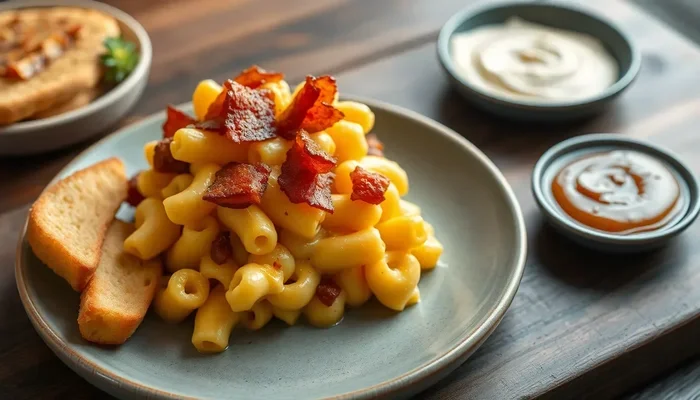
Visual guide about crispy air fryer bacon
Image source: spicestoryteller.com
Mistake 1: Skipping the Preheat
Throwing bacon into a cold air fryer is like jumping into a cold pool; it’s a shock to the system. Cold-start cooking leads to uneven results, with some spots overcooked and others undercooked. Always give your air fryer 3-5 minutes to preheat. Your patience will be rewarded with evenly crispy bacon.
Mistake 2: Overcrowding the Basket
This is probably the most common mistake people make. When you cram too much bacon into the basket, the air can’t circulate properly. The result? Soggy, limp bacon that never crisps up. The air fryer is not a microwave; it needs space to work its magic.
A good rule of thumb: if you can see the bottom of the basket between the bacon strips, you’re good to go. If the strips are touching and overlapping significantly, you need to cook in batches. Yes, this takes more time, but the results are worth it.
Mistake 3: Using Too Much or Too Little Oil
The beauty of air fryer bacon is that you don’t need added oil. The bacon renders its own fat, which helps with cooking. However, some people make the mistake of spraying cooking oil on the basket, which is unnecessary and can actually make the bacon greasy.
On the flip side, some people worry about the bacon sticking. A light spray on the basket is fine if you’re concerned, but honestly, bacon rarely sticks to air fryer baskets because of its high fat content.
Mistake 4: Cooking at Too High a Temperature
Cranking the air fryer to 400°F or higher might seem like a shortcut to crispiness, but it usually backfires. High heat causes the outside to burn before the fat fully renders, leaving you with bacon that’s charred on the edges but still fatty in the middle. Stick to the 350-380°F range for best results.
Mistake 5: Not Cleaning the Basket Between Batches
If you’re cooking multiple batches, the fat accumulates quickly. A greasy basket can smoke, and old bacon bits can burn and impart off-flavors to fresh bacon. Between batches, quickly wipe down the basket with a paper towel. It takes 10 seconds and makes a huge difference.
Delicious Variations and Flavor Combinations
Plain bacon is wonderful, but air fryer bacon is also a blank canvas for flavor experimentation. Once you’ve mastered the basic technique, try these crowd-pleasing variations.
Sweet and Smoky Candied Bacon
Imagine bacon that’s sweet, smoky, and slightly caramelized. This is candied bacon, and it’s shockingly easy to make in an air fryer. Simply sprinkle brown sugar and a pinch of cayenne pepper on your bacon strips before cooking. The sugar caramelizes during cooking, creating an almost candy-like crust that’s absolutely irresistible.
For best results, use this method with thick-cut bacon and cook at 350°F for 12 minutes. The lower temperature gives the sugar time to caramelize without burning. Sprinkle the sugar evenly on both sides for maximum impact.
Maple-Glazed Bacon
If you love the classic combination of bacon and maple syrup, this variation is your new best friend. Lightly brush your bacon with pure maple syrup before cooking. As the bacon cooks, the maple syrup concentrates and creates a gorgeous glaze. The result is sweet, salty, smoky perfection.
Be careful not to use too much syrup; a light coating is plenty. Too much will drip down and create a sticky mess in your basket. After cooking, let the bacon cool for 2-3 minutes to let the glaze set.
Spicy Black Pepper Bacon
For those who like a little heat, generously coat your bacon with cracked black pepper before air frying. The pepper toasts during cooking, releasing its essential oils and creating a bold, peppery crust that pairs beautifully with the smoky bacon flavor. Add a tiny pinch of cayenne if you want to kick it up another notch.
Everything Bagel Bacon
Yes, you read that right. Take your bacon, brush it lightly with olive oil, and sprinkle with everything bagel seasoning before air frying. The combination of sesame seeds, poppy seeds, garlic, and onion creates a flavor bomb that’s perfect for brunch sandwiches or avocado toast toppers.
Honey-Sriracha Bacon
For the adventurous eater, mix equal parts honey and Sriracha sauce and brush it onto your bacon before cooking. The sweet-spicy-hot combination is absolutely addictive. This variation works particularly well with thick-cut bacon, which can handle the bold flavors without getting overwhelmed.
Health Considerations and Nutritional Information
Let’s get real about bacon and health. Bacon is a processed meat, and organizations like the World Health Organization have classified it as a Group 1 carcinogen when consumed in large quantities. However, that doesn’t mean you can never enjoy it. Moderation is key, and air fryer bacon is a smarter way to indulge.
The Numbers Don’t Lie
A typical slice of air fryer bacon contains approximately:
- 60-80 calories (vs. 90-110 for pan-fried)
- 5-6 grams of fat (vs. 9-10 grams for pan-fried)
- 6-9 grams of protein
- 350-450 mg of sodium
The reduced fat content comes from the fat that drips away during cooking. In pan-frying, much of that fat is reabsorbed or stays in contact with the meat. The air fryer’s vertical design means gravity pulls the fat away, and there’s no surrounding grease to soak back into the bacon.
Choosing Better Bacon
Not all bacon is created equal. If you want to make the healthiest choice, look for:
- Uncured bacon: Made without artificial nitrates or nitrites
- Pasture-raised pork: Better fatty acid profile and higher in omega-3s
- Turkey bacon: Significantly lower in fat (though some argue less flavorful)
- Center-cut bacon: Already trimmed of excess fat before packaging
Did you know that pasture-raised bacon contains up to 2.5 times more omega-3 fatty acids than conventionally raised pork? These healthy fats support brain function and heart health, making your bacon indulgence slightly more justifiable.
Portion Control Tips
Even healthy cooking methods can’t turn bacon into a health food. Stick to 2-3 slices per serving and pair it with nutritious sides like eggs, avocado, whole-grain toast, or fresh fruit. This creates a balanced meal that satisfies without going overboard on processed meats.
Cleaning and Maintenance Tips
One of the biggest advantages of air fryer bacon is how easy it is to clean up. Still, a few tips can make the process even smoother.
Immediate Cleanup Works Best
Don’t let grease sit in your air fryer for hours or days. Once the basket and tray have cooled enough to handle (usually 10-15 minutes after cooking), wash them with warm soapy water. The grease will be much easier to remove when it’s still slightly warm than after it has fully solidified and hardened.
Most air fryer baskets and trays are dishwasher-safe, but hand-washing extends their lifespan, especially if they have non-stick coatings. Check your manufacturer’s guidelines for specific care instructions.
Tackling Stubborn Grease
If grease has built up and won’t budge, try this trick: Fill the basket with hot water and a squirt of dish soap, then let it soak for 15-20 minutes. The hardened grease will soften and wash away easily. For really stubborn spots, make a paste of baking soda and water, apply it to the greasy areas, and let it sit for 10 minutes before scrubbing.
Avoid using steel wool or abrasive scrubbers on non-stick surfaces. These can scratch the coating and cause food to stick in future cooking. Soft sponges or brushes work much better.
Don’t Forget the Heating Element
Every few uses, flip your air fryer upside down and check the heating element. Occasionally, bacon grease can splatter up onto it. Use a damp cloth (not wet) to gently wipe it down when the air fryer is completely cool and unplugged. This prevents smoke and keeps your air fryer working efficiently.
Troubleshooting Common Problems
Even experienced cooks run into issues sometimes. Here’s how to solve the most common air fryer bacon problems.
Problem: Bacon Is Smoking Excessively
A little smoke is normal, but billowing smoke means something’s wrong. The most common cause is grease dripping onto the heating element. To fix this, make sure the drip tray is properly positioned to catch falling fat. If smoke persists, try adding a small amount of water to the drip tray; this catches grease and prevents it from burning.
Another cause is cooking at too high a temperature. Lower the temperature by 10-15 degrees and see if the smoking subsides. Finally, extremely fatty bacon produces more smoke than lean varieties. Choose center-cut bacon if smoke is a recurring issue.
Problem: Bacon Isn’t Crispy Enough
If your bacon comes out limp or chewy when you want crispy, a few adjustments can help. First, cook at a slightly higher temperature (up to 400°F) for the last 1-2 minutes. Second, make sure you’re not overcrowding the basket. Third, let the bacon rest on paper towels for a minute after cooking; this absorbs excess grease that can make it feel less crispy.
Sometimes, bacon that’s thick-cut needs an extra minute or two compared to regular-cut. Don’t be afraid to experiment until you find your sweet spot.
Problem: Bacon Sticks to the Basket
Sticking is annoying but usually fixable. Lightly spray the basket with cooking spray before adding bacon. Alternatively, place a piece of parchment paper with holes punched in it at the bottom of the basket. The holes allow air to circulate while preventing sticking.
If bacon does stick, don’t try to scrape it off while the basket is hot. Let it cool slightly, and the bacon will often release on its own. Stubborn spots can be loosened with a soak in warm soapy water.
Problem: Uneven Cooking
If some strips are perfectly cooked while others are raw or burnt, the issue is usually basket positioning. Some air fryers have hot spots, just like traditional ovens. Rotate the basket halfway through cooking to ensure even exposure. Alternatively, rearrange the strips, moving outside pieces to the center and vice versa.
Thick-cut bacon especially benefits from rotation since the outer pieces get more direct airflow than those in the middle.
Problem: Bacon Is Too Salty
If you find your bacon overwhelmingly salty, try soaking it in cold water for 10 minutes before cooking. This removes some of the surface salt without affecting the meat’s flavor or texture. Pat the bacon dry with paper towels before air frying to ensure proper crisping.
Another approach is to look for lower-sodium bacon brands. Many companies now offer reduced-sodium options that still deliver great flavor with less salt impact.
Frequently Asked Questions
Can I cook frozen bacon in an air fryer?
Yes, you can cook frozen bacon in an air fryer without thawing first. Add 2-3 extra minutes to the cooking time, and check for doneness frequently. The air fryer handles frozen bacon remarkably well, though fresh bacon typically produces slightly better texture and flavor.
Do I need to flip bacon in an air fryer?
No, flipping is not necessary. The circulating hot air cooks both sides evenly. This is one of the major advantages of air fryer bacon over pan-frying, which requires constant flipping to prevent burning and ensure even cooking.
Can I use parchment paper or aluminum foil in my air fryer?
Yes, both work well with bacon. However, make sure to leave space for air circulation and never cover the entire basket bottom. Cut parchment paper to size and poke holes in it to allow airflow. Aluminum foil works similarly but should be weighted down or shaped to the basket to prevent it from being sucked into the heating element.
How do I store leftover air fryer bacon?
Store leftover bacon in an airtight container in the refrigerator for up to 4-5 days. For longer storage, freeze cooked bacon in freezer bags for up to 3 months. To reheat, simply pop it back in the air fryer for 2-3 minutes at 350°F for that fresh-cooked crispness.
Is air fryer bacon healthier than microwave bacon?
Yes, air fryer bacon is generally considered healthier than microwave bacon because it allows more fat to drip away. Microwave bacon typically retains more grease since it cooks between paper towels that absorb moisture but not fat. Air fryer bacon also has better texture and flavor compared to most microwave methods.
Can I cook other breakfast meats in the air fryer at the same time?
It’s possible but tricky because different meats have different cooking times and temperatures. If you want to multitask, cook bacon first, then use the rendered fat in the drip tray to cook other items like sausage patties or hash browns. This adds extra flavor to those foods while minimizing cleanup.
Final Thoughts: Your New Bacon Method
If you haven’t tried cooking bacon in your air fryer yet, you’re genuinely missing out on the easiest, cleanest, and most delicious way to enjoy this beloved breakfast staple. The method is foolproof enough for beginners yet produces results impressive enough for seasoned home chefs.
Once you experience the joy of perfectly crispy bacon in under 10 minutes with virtually no cleanup, you’ll never go back to standing over a greasy stovetop or waiting 20 minutes for your oven to preheat. The air fryer bacon revolution is real, and now you’re fully equipped to be part of it.
Start with the basic recipe, master your timing, and then get creative with the flavor variations. From candied bacon that’ll impress weekend brunch guests to spicy black pepper bacon for adventurous palates, the possibilities are endless. Your air fryer is waiting to transform your bacon game forever. Happy cooking!