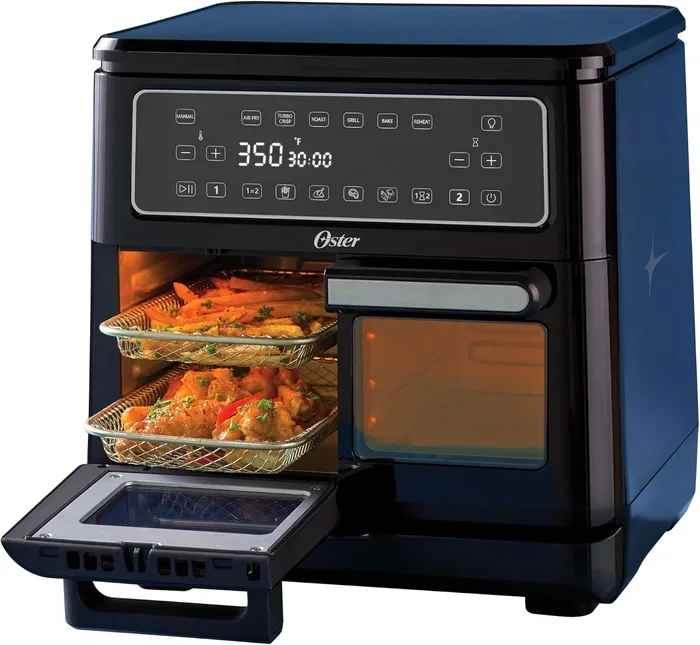
Featured image for air fryer cooking food
Image source: m.media-amazon.com
Air fryers are incredibly versatile kitchen appliances that can cook a wide range of foods, from crispy fries to roasted veggies, baked goods, and even hard-boiled eggs. They work by circulating hot air around food, creating that satisfying crunch without drowning everything in oil. While most foods can be air-fried successfully, understanding the right temperatures, times, and techniques is the secret to getting restaurant-quality results every time. This comprehensive guide covers everything you need to know to master your air fryer.
Picture this: you walk into your kitchen craving something crispy, golden, and delicious. In the past, that meant heating up a big pot of oil and dealing with messy cleanup afterward. But what if you could get that same satisfying crunch in just minutes, with barely any oil and almost no mess? That’s exactly what an air fryer promises, and for millions of home cooks, it delivers.
Air fryers have exploded in popularity over the past few years, and it’s not just a passing trend. According to market research, over 40% of American households now own an air fryer, making it one of the fastest-growing kitchen appliances in history. But despite their name, many people still wonder: what exactly can you air fry? Is it just for fries and chicken nuggets, or can this little machine really do it all?
Here’s the short answer: yes, you can air fry almost anything. From breakfast to dessert, from frozen snacks to fresh produce, the air fryer is one of the most versatile tools you can add to your kitchen. In this guide, we’ll walk you through exactly what works, what doesn’t, and how to get the best results every single time.
Key Takeaways
- Air fryers are mini convection ovens: They use rapidly circulating hot air to cook food, mimicking deep-frying results with little to no oil.
- Almost anything can be air-fried: Vegetables, proteins, frozen foods, baked goods, and even snacks like chips and cookies all work beautifully.
- Less oil, fewer calories: Air frying can reduce fat content by up to 75% compared to traditional deep frying methods.
- Preheating matters: Skipping preheat is one of the most common mistakes that leads to uneven cooking and soggy results.
- Don’t overcrowd the basket: Air needs space to circulate. Cooking in batches produces much crispier food.
- Temperature and time vary widely: Different foods need different settings; a general rule is 25-30% less time than conventional oven recipes.
- Not everything belongs in an air fryer: Wet batters, leafy greens, and whole cheese blocks can create messes or even safety hazards.
📑 Table of Contents
- What Exactly Is an Air Fryer and How Does It Work?
- What Can You Air Fry? A Comprehensive List
- What Should You NOT Put in an Air Fryer?
- Tips and Tricks for Air Fryer Success
- Health Benefits of Air Frying
- Common Air Fryer Mistakes to Avoid
- Getting Started: Your First Air Fryer Recipes
- Conclusion: Embrace the Air Fryer Revolution
What Exactly Is an Air Fryer and How Does It Work?
Let’s start with the basics, because understanding how an air fryer works is the key to using it well. Despite the name, an air fryer doesn’t actually fry food at all. It’s basically a compact convection oven that sits on your countertop.
The Science Behind the Crisp
Think of it like this: a regular oven heats air and lets it slowly move around your food. A convection oven speeds things up with a fan. An air fryer takes that idea and cranks it up to the max with a powerful heating element and a high-speed fan, often called the “rapid air technology.”
Here’s what happens inside: the heating element warms the air to your set temperature, and the fan blasts that hot air around the food in all directions. This rapid circulation creates something called the Maillard reaction, which is just a fancy science term for the browning and crisping that makes fried food so irresistible. Traditionally, this happens in hot oil. With an air fryer, it happens with hot air, and a tiny bit of oil (or even no oil at all) can help kickstart the process.
Did You Know? A study published in the journal Food Science & Nutrition found that air-fried foods contained up to 75% less fat than their deep-fried counterparts. That’s a huge difference for anyone watching their calories or fat intake!
Parts of an Air Fryer
Most air fryers, whether they’re basket-style or oven-style, share a few common parts:
- The heating element: Usually located at the top, this generates the hot air.
- The fan: This is the magic maker, circulating hot air at high speed.
- The basket or tray: Where your food sits while cooking. Many have perforated bottoms or racks to let air flow underneath.
- The temperature and timer controls: These let you dial in the exact settings for your recipe.
Now that you understand the basics, let’s get to the fun part: what you can actually cook in this thing.
What Can You Air Fry? A Comprehensive List
The short answer is “almost everything,” but let’s break it down by category so you know exactly what to expect.
Vegetables: The Air Fryer Superstar
If there’s one thing an air fryer does better than almost any other cooking method, it’s vegetables. The high heat and circulating air give veggies that perfect tender-crisp texture that can be hard to achieve in a regular oven.
Best vegetables to air fry:
- Broccoli florets (around 375°F for 6-8 minutes)
- Brussels sprouts (400°F for 12-15 minutes)
- Cauliflower (400°F for 12-15 minutes)
- Sweet potato fries (380°F for 15-20 minutes)
- Zucchini chips (375°F for 10-12 minutes)
- Bell peppers (400°F for 8-10 minutes)
- Asparagus (400°F for 6-8 minutes)
- Mushrooms (380°F for 8-10 minutes)
Pro tip: Toss your veggies in a light coating of oil (just a tablespoon or so) and a pinch of salt before cooking. The oil helps with browning, and the salt draws out moisture, which means extra crispiness. Did You Know? Air-fried vegetables retain more of their nutrients than boiled or deep-fried versions because of the shorter cooking time and minimal water exposure.
Proteins: From Chicken to Steak to Fish
Proteins are another area where air fryers really shine. You can cook chicken that’s crispy on the outside and juicy on the inside, fish that’s flaky and tender, and even steak with a beautiful sear.
Best proteins for air frying:
- Chicken: Wings, thighs, breasts, drumsticks, and even whole chicken (in larger air fryers)
- Fish: Salmon fillets, cod, tilapia, shrimp, and fish sticks
- Beef: Steak, meatballs, burgers, and beef jerky
- Pork: Pork chops, bacon, sausages, and ribs
- Tofu and tempeh: Great for plant-based diets
A common question is about cooking breaded chicken in an air fryer. Yes, it works beautifully! Just spray the breaded chicken lightly with oil before cooking to help the breading crisp up. Cook at 375°F for about 15-20 minutes, flipping halfway through.
Important tip: Always use a meat thermometer to make sure your proteins reach a safe internal temperature. Chicken should hit 165°F, beef and pork should reach 145°F, and fish should be 145°F as well.
Frozen Foods: The Ultimate Convenience
Here’s where the air fryer really earns its keep. If you’ve ever pulled a sad, soggy frozen food out of the microwave, you’ll be amazed at what an air fryer can do. Frozen foods come out crispy, hot, and almost as good as their fresh-cooked counterparts.
Best frozen foods to air fry:
- Frozen french fries (400°F for 12-15 minutes)
- Frozen chicken nuggets (400°F for 8-10 minutes)
- Frozen pizza rolls (380°F for 6-8 minutes)
- Frozen mozzarella sticks (380°F for 6-8 minutes)
- Frozen fish fillets (400°F for 10-12 minutes)
- Frozen egg rolls (380°F for 8-10 minutes)
- Frozen tater tots (400°F for 10-12 minutes)
The beauty of frozen foods in an air fryer is that you usually don’t need to add any extra oil. They’re already pre-coated or pre-fried, so the air fryer just needs to heat them up and re-crisp the outside.
Baked Goods and Desserts
Yes, you can even bake in an air fryer! While it’s not going to replace your full-sized oven for a holiday turkey, it works wonderfully for smaller baked goods.
Baked goods that work well:
- Cookies (350°F for 8-10 minutes)
- Brownies (325°F for 15-20 minutes)
- Muffins (320°F for 12-15 minutes)
- Cinnamon rolls (325°F for 8-10 minutes)
- Doughnuts (350°F for 6-8 minutes)
- Small cakes (325°F for 15-20 minutes)
When baking in an air fryer, reduce the temperature by about 25°F from what a conventional recipe calls for. This is because the intense heat and air circulation can cause the outside to brown faster than the inside cooks.
Snacks and Appetizers
This is where things get really fun. Air fryers are perfect for party food, game day snacks, and quick appetizers.
Great snack options:
- Homemade potato chips (350°F for 8-10 minutes)
- Kale chips (300°F for 5-7 minutes)
- Roasted chickpeas (400°F for 15-20 minutes)
- Spring rolls (375°F for 8-10 minutes)
- Onion rings (380°F for 8-10 minutes)
- Jalapeño poppers (350°F for 6-8 minutes)
What Should You NOT Put in an Air Fryer?
While air fryers are incredibly versatile, there are some foods that just don’t work well, and a few that can actually be dangerous. Let’s cover what to avoid so you don’t have a kitchen disaster.
Wet Batters
Traditional wet batters, like the kind you’d use for onion rings or fried fish, are a no-go in an air fryer. The batter will drip through the basket grates and make a huge mess, plus it won’t set properly without being submerged in oil. Instead, use a dry coating like breadcrumbs, panko, or a thick batter that clings to the food.
Leafy Greens
Light, leafy greens like spinach and romaine lettuce will get blown around by the powerful fan. They’ll end up dried out and flying around the basket like confetti. Stick to heartier greens like kale for making chips.
Whole Cheese Blocks
Cheese melts. That’s what it does. Putting a whole block of cheese in an air fryer will result in a puddle of melted cheese at the bottom of your appliance. If you want to melt cheese, place it on top of another food (like a burger or nachos) where it can melt in place without escaping.
Popcorn
Air fryers don’t get hot enough to pop popcorn kernels, and the kernels can easily get stuck in the fan mechanism. Save the popcorn for the microwave or stovetop.
Very Wet Foods
Anything with a lot of moisture that can drip, like very wet marinated foods, can cause smoke and splatter. Always pat foods dry before air frying when possible.
Large Roasts and Whole Turkeys (in small air fryers)
While larger air fryer ovens can handle a small roast, standard basket-style air fryers aren’t big enough for a whole chicken or turkey. The food needs to fit with room around it for air to circulate.
Tips and Tricks for Air Fryer Success
Now that you know what you can and can’t cook, let’s talk about how to get perfect results every time. These tips come from years of air fryer cooking experience, and they’ll make a real difference in your results.
Always Preheat Your Air Fryer
This is the single most important tip. Just like a regular oven, an air fryer needs time to come up to temperature before you start cooking. Preheating for 3-5 minutes ensures your food starts cooking immediately when it goes in. Skip this step, and you’ll often end up with food that’s unevenly cooked or not as crispy as it could be.
Don’t Overcrowd the Basket
This is the second most common mistake. Air fryers work by circulating hot air around your food. If the basket is packed full, that air can’t reach all the surfaces. Cook in batches if you have to. It’s better to take a few extra minutes than to serve soggy, unevenly cooked food.
Use the Right Amount of Oil
More oil doesn’t mean more crispiness. In fact, too much oil can make food greasy and cause smoke. A light coating, applied with a spray bottle or tossed in a bowl, is all you need. Did You Know? Many air fryer enthusiasts swear by oil spray bottles because they distribute a fine, even mist that coats food perfectly without weighing it down.
Flip or Shake Halfway Through
Most foods benefit from being flipped or shaken halfway through cooking. This ensures all sides get equal exposure to the hot air. For things like fries, just pull out the basket and give it a good shake. For thicker items like chicken breasts, use tongs to flip them over.
Adjust Temperatures and Times
Air fryers cook faster than conventional ovens because of the intense heat and air circulation. As a general rule, reduce the temperature by about 25°F and cut the cooking time by 20-25% when adapting oven recipes. It might take a recipe or two to get the hang of your specific air fryer, but you’ll quickly learn its personality.
Use Accessories Wisely
There are tons of air fryer accessories available, from silicone liners to metal racks to skewers. Silicone liners or perforated parchment paper can make cleanup easier, but avoid blocking the air circulation holes. Metal racks can double your cooking space by stacking foods.
Clean Your Air Fryer Regularly
This is one tip that many people overlook. Built-up grease and food particles can cause smoke, bad smells, and even fires. Most air fryer baskets are dishwasher safe, so cleaning is easy. A quick wipe-down of the interior after each use keeps everything in good shape.
Health Benefits of Air Frying
Beyond the convenience and versatility, one of the biggest reasons people love air fryers is the health benefits. Let’s look at the numbers.
Traditional deep frying can add a lot of calories and fat to otherwise healthy foods. For example, a serving of deep-fried french fries has about 365 calories and 17 grams of fat. The same serving of air-fried fries? About 150 calories and 5 grams of fat. That’s a huge difference!
Why Air Frying Is Healthier
- Less fat: Since you’re not submerging food in oil, you use a fraction of the amount. Some foods need no oil at all.
- Fewer harmful compounds: Deep frying at high temperatures can create compounds like acrylamide, which has been linked to health concerns. Air frying produces much less of these.
- Better for heart health: Lower fat intake means better cardiovascular health, especially for people at risk of heart disease.
- Preserves nutrients: Quick cooking times and minimal water exposure help preserve vitamins and minerals, especially in vegetables.
Did You Know? A study in the Journal of Food Science and Technology found that air frying reduced acrylamide formation in potatoes by up to 90% compared to deep frying. Acrylamide is a compound that forms when starchy foods are cooked at high temperatures, and it’s considered a potential health concern.
Of course, air frying is just one part of a healthy diet. It’s a tool that makes it easier to enjoy your favorite foods in a healthier way, not a magic solution. But if you love crispy food and want to make better choices, an air fryer is a fantastic addition to your kitchen.
Common Air Fryer Mistakes to Avoid
Even experienced cooks make mistakes when they’re new to air frying. Here are the most common pitfalls and how to avoid them.
Mistake 1: Not Preheating
We mentioned this earlier, but it’s worth repeating. Always preheat your air fryer for at least 3 minutes before adding food. This single step will dramatically improve your results.
Mistake 2: Overcrowding the Basket
We said it before, and we’ll say it again. Give your food room to breathe. Air circulation is the whole point, and you need space for it to work properly.
Mistake 3: Using Too Much Oil
A light coating is all you need. Too much oil makes food greasy and can cause smoke. When in doubt, use less rather than more.
Mistake 4: Not Flipping or Shaking
Food cooks more evenly when you flip it. For most items, a flip or shake halfway through cooking makes a big difference.
Mistake 5: Using Non-Air-Fryer Recipes Without Adjustments
You can’t just throw regular oven recipes into an air fryer and expect the same results. Temperatures and times need to be adjusted. Start by reducing the temperature by 25°F and the time by 20%, then check and adjust from there.
Mistake 6: Not Cleaning Regularly
Food residue and grease buildup affect performance and can cause smoke. A quick clean after each use keeps your air fryer working like new.
Mistake 7: Using the Wrong Accessories
Plastic containers, regular parchment paper (without holes), and other non-heat-safe items can melt or catch fire. Always use accessories specifically designed for air fryers or that are labeled as heat-safe.
Getting Started: Your First Air Fryer Recipes
Ready to put all this knowledge to work? Here are three super simple recipes to get you started, each taking less than 20 minutes from start to finish.
Recipe 1: Crispy Air Fryer French Fries
What you need:
- 2 medium russet potatoes
- 1 tablespoon olive oil
- 1/2 teaspoon salt
- Optional: garlic powder, paprika, or your favorite seasoning
How to make them:
- Cut the potatoes into thin, even strips (about 1/4 inch thick).
- Soak the cut potatoes in cold water for 10 minutes, then drain and pat very dry.
- Toss the dried potatoes with oil and seasonings in a bowl.
- Preheat your air fryer to 380°F for 3 minutes.
- Add the potatoes to the basket in a single layer (work in batches if needed).
- Cook for 15-20 minutes, shaking the basket every 5 minutes.
- Sprinkle with extra salt and serve immediately.
Recipe 2: Juicy Air Fryer Chicken Breast
What you need:
- 2 boneless, skinless chicken breasts
- 1 tablespoon olive oil
- 1 teaspoon garlic powder
- 1 teaspoon paprika
- 1/2 teaspoon salt
- 1/2 teaspoon black pepper
How to make it:
- Pound the chicken breasts to an even thickness (about 3/4 inch) for even cooking.
- Mix all the seasonings and oil in a bowl, then coat the chicken thoroughly.
- Preheat the air fryer to 375°F for 3 minutes.
- Place the chicken in the basket in a single layer.
- Cook for 9-12 minutes, flipping halfway through.
- Check that the internal temperature has reached 165°F with a meat thermometer.
- Let rest for 5 minutes before slicing and serving.
Recipe 3: Crispy Roasted Brussels Sprouts
What you need:
- 1 pound Brussels sprouts, trimmed and halved
- 1 tablespoon olive oil
- 1 tablespoon balsamic vinegar
- 1/2 teaspoon salt
- 1/4 teaspoon black pepper
- Toss the Brussels sprouts with oil, vinegar, salt, and pepper in a bowl.
- Preheat the air fryer to 400°F for 3 minutes.
- Add the Brussels sprouts to the basket, cut side down.
- Cook for 12-15 minutes, shaking halfway through.
- Serve immediately for the best texture.
How to make them:
These three recipes are just the beginning. Once you master them, you’ll have the confidence to try almost anything in your air fryer.
Conclusion: Embrace the Air Fryer Revolution
So, can you air fry just about anything? The answer is a resounding yes, with a few smart exceptions. Air fryers have revolutionized home cooking by making it possible to enjoy crispy, delicious food with a fraction of the oil and mess of traditional frying methods.
From perfectly roasted vegetables to juicy chicken breasts, from frozen snacks to homemade baked goods, the possibilities are nearly endless. The key to success is understanding how your air fryer works, preheating properly, not overcrowding the basket, and adjusting your expectations when it comes to cooking times and temperatures.
If you’re new to air frying, start with simple recipes like fries or chicken breasts, and gradually work your way up to more complex dishes. Don’t be afraid to experiment. The worst that can happen is a slightly overcooked batch of something, and that’s a small price to pay for the journey to mastering this amazing kitchen tool.
The air fryer isn’t just a passing trend; it’s a genuine game-changer for home cooking. Whether you’re a busy parent looking for quick weeknight dinners, a health-conscious eater trying to cut back on oil, or just someone who loves crispy food without the hassle, the air fryer has something to offer.
So go ahead, dust off that air fryer, and start cooking. Your taste buds (and your waistline) will thank you!
Frequently Asked Questions
Can you air fry any type of food?
Almost! Air fryers can handle most foods, including vegetables, proteins, frozen snacks, and even some baked goods. However, wet batters, leafy greens, whole cheese blocks, and foods that need to be submerged in oil don’t work well. Always consider the texture and moisture content before trying something new.
Do I need to preheat my air fryer?
Yes, preheating is highly recommended. Just like a regular oven, your air fryer needs 3-5 minutes to reach the right temperature. Preheating ensures your food starts cooking immediately and helps achieve that perfect crispy texture. Skipping this step is one of the most common reasons for disappointing results.
How much oil should I use in an air fryer?
Less is more! A light coating of oil (about 1 tablespoon per serving) is usually enough to help with browning and prevent sticking. Some foods, especially frozen ones, don’t need any oil at all. Using too much oil can make food greasy and cause smoke.
Can I use aluminum foil or parchment paper in an air fryer?
Yes, but with caution. Perforated parchment paper designed for air fryers is the safest option. If using aluminum foil, make sure it’s weighted down with food so it doesn’t get sucked into the fan. Never line the basket without leaving room for air to circulate.
Is air frying healthier than deep frying?
Yes, significantly. Air frying uses up to 75% less oil than traditional deep frying, which means fewer calories and less fat. Studies have also shown that air frying produces fewer harmful compounds like acrylamide. It’s a great way to enjoy your favorite crispy foods in a healthier way.
How do I clean my air fryer?
Most air fryer baskets and trays are dishwasher safe, making cleanup easy. For the main unit, simply wipe it down with a damp cloth after each use. Avoid using abrasive cleaners or submerging the main unit in water. Regular cleaning prevents grease buildup and keeps your air fryer working properly.