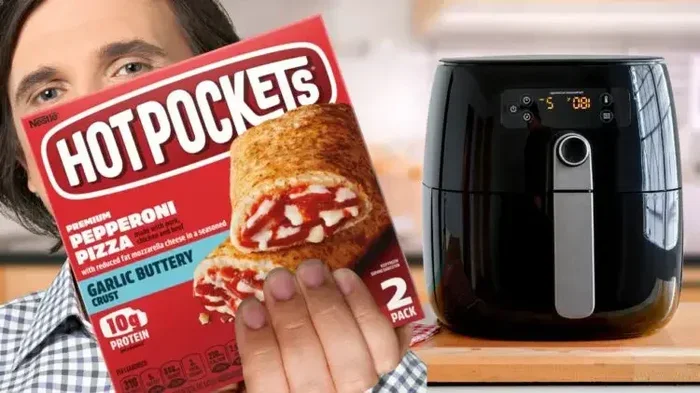
Featured image for Hot pocket air fryer cooking
Image source: foodhow.com
Yes, you can absolutely cook a Hot Pocket in the air fryer, and the results are game-changing. Air fryers create a perfectly crispy exterior while keeping the filling hot and gooey in just 8-12 minutes, far better than microwaving. This method eliminates the dreaded soggy bottom and delivers a crunch that rivals oven-baked quality with a fraction of the cooking time.
Picture this: you’re staring at a frozen Hot Pocket in your freezer, wondering if there’s a better way to cook it than the sad, soggy microwave method you’ve been using for years. Good news, there absolutely is, and it’s probably sitting on your countertop right now. Your air fryer is about to become your new best friend for Hot Pocket emergencies.
Hot Pockets have been a beloved convenience food since 1983, when Chef Paul Merage created them for families needing quick meals. According to Nestlé’s brand history, over 50 million Hot Pockets are sold monthly in the United States alone. That’s a lot of people who might be cooking them wrong without even knowing it.
The air fryer revolution has changed how we think about “fried” and crispy foods, but many people don’t realize this countertop appliance works wonders on frozen convenience foods too. Think of it like upgrading from a flip phone to a smartphone. Both make calls, but the experience is dramatically different. In this guide, we’ll walk you through everything you need to know about cooking Hot Pockets in your air fryer, from basic timing to advanced tips that’ll make your snack feel gourmet.
Key Takeaways
- Air fryer Hot Pockets cook in 8-12 minutes: At 375°F, most varieties reach perfect crispiness in less time than conventional ovens.
- No preheating required for most models: Though preheating 2-3 minutes can improve texture consistency.
- Skip the microwave crisping sleeve: The air fryer naturally creates that golden, crunchy crust without any extra packaging.
- Always flip halfway through: Flipping at the midpoint ensures even browning on all sides.
- Let it rest 1-2 minutes before eating: The filling gets dangerously hot and needs brief cooling time to prevent burns.
- Works with all Hot Pocket varieties: From pepperoni pizza to breakfast options, the method stays consistent.
- Clean-up is minimal: Most air fryer baskets are non-stick and dishwasher safe, making this an easy meal solution.
📑 Table of Contents
- Why the Air Fryer Is Perfect for Hot Pockets
- Step-by-Step Guide: How to Cook Hot Pockets in an Air Fryer
- Cooking Times for Different Hot Pocket Varieties
- Common Mistakes to Avoid
- Safety Considerations and Food Quality
- Beyond Basic Hot Pockets: Creative Air Fryer Variations
- Troubleshooting Common Issues
- Air Fryer Models and Hot Pocket Compatibility
- Storage and Reheating Leftover Hot Pockets
- Comparing Air Fryer Hot Pockets to Other Methods
- Nutritional Impact of Air Frying Hot Pockets
- When Air Frying Isn’t the Best Choice
- The Environmental Angle
- Kids and Air Fryer Hot Pockets
- Final Thoughts: Embrace the Air Fryer Revolution
Why the Air Fryer Is Perfect for Hot Pockets
Let’s talk about why this method works so brilliantly. An air fryer is basically a small convection oven with a powerful fan that circulates hot air rapidly around your food. It’s like having a tiny tornado of heat cooking your meal evenly from all angles.
The Science Behind Air Frying
Traditional microwaves heat food from the inside out using electromagnetic waves that excite water molecules. This makes your Hot Pocket hot but leaves the pastry dough soft and sometimes chewy in an unpleasant way. Ovens cook from the outside in, which is better for texture but takes 20+ minutes to preheat and cook through.
Air fryers hit the sweet spot. They cook from the outside in (giving you that crispy shell) while circulating heat efficiently enough that the inside heats up quickly. The hot air reaches every surface of the Hot Pocket simultaneously, creating an even, golden-brown crust.
Better Than the Microwave
Did you know that the microwave cooking instructions on Hot Pocket boxes actually recommend letting the product sit for 2 minutes after cooking? That’s because the pastry never truly crisps up. You end up with a warm but texturally disappointing snack that feels more like warm bread than a crispy meal.
The air fryer eliminates this problem entirely. The circulating hot air essentially “dries” the outer surface of the pastry while heating the inside, creating a shell that’s crispy enough to crack when you bite it. It’s the texture you remember Hot Pockets being before you realized the microwave was sabotaging your snack game.
Better Than the Oven (Sometimes)
While traditional ovens produce great results, they’re overkill for a single Hot Pocket. You’re heating up a 30-pound appliance to cook something the size of your hand. Air fryers use about 50% less energy than conventional ovens according to Energy.gov research, making them more efficient for small portions.
Plus, your air fryer preheats in 2-3 minutes versus 15-20 minutes for a standard oven. When hunger strikes, those extra minutes matter.
Step-by-Step Guide: How to Cook Hot Pockets in an Air Fryer
Alright, let’s get to the good stuff. Here’s exactly how to transform that frozen rectangle into crispy perfection.
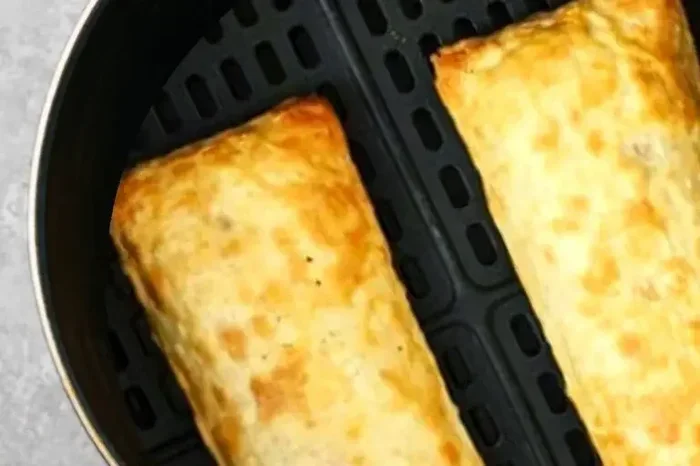
Visual guide about Hot pocket air fryer cooking
Image source: foodhow.com
What You’ll Need
- One or more frozen Hot Pockets (any variety works)
- Your air fryer (basket or oven-style both work)
- Optional: Cooking spray for extra crispiness
- Optional: Tongs for flipping
The Basic Method
Step 1: Preheat (Optional but Recommended)
Set your air fryer to 375°F and let it run for 2-3 minutes. This step isn’t strictly necessary, but it gives you more consistent results, especially if your Hot Pocket is going straight from the freezer. Think of preheating like warming up your car on a cold day. Everything just works better when it’s not starting from zero.
Step 2: Place Your Hot Pocket
Remove the Hot Pocket from its wrapper and the crisping sleeve. Place it directly in the air fryer basket. Don’t stack multiple Hot Pockets on top of each other if you can avoid it, as this prevents air circulation. If you’re cooking more than one, arrange them in a single layer with some space between each.
Most standard air fryers can fit 2-4 Hot Pockets at once, depending on the basket size. A 5-quart basket typically fits 2 comfortably, while larger 7-quart models can handle 3-4.
Step 3: Set the Temperature and Time
Cook at 375°F for 8-12 minutes. The exact time depends on your air fryer model and how crispy you like your pastry. Here’s a basic breakdown:
- 8 minutes: Light golden, slightly soft exterior
- 10 minutes: Golden brown with crispy edges (sweet spot for most people)
- 12 minutes: Deep brown, extra crispy (watch closely to avoid burning)
Step 4: Flip Halfway Through
At the 5-6 minute mark, use tongs to flip your Hot Pocket. This ensures both sides get equally crispy and prevents one side from browning more than the other. It’s a small step that makes a big difference.
Step 5: Check for Doneness
The Hot Pocket should be golden brown and crispy on the outside. The internal temperature should reach 165°F according to USDA food safety guidelines for cooked poultry or meat products. The filling should be visibly molten when you cut into it (after letting it cool slightly).
Step 6: Let It Rest
Remove the Hot Pocket from the air fryer and let it sit on a plate for 1-2 minutes. This step is crucial. The filling gets incredibly hot during cooking, and molten cheese or sauce can cause serious burns. The brief rest also allows the filling to set slightly so it doesn’t all spill out when you take your first bite.
Pro Tips for Air Fryer Hot Pocket Perfection
Tip 1: Don’t Skip the Flip
We’ve mentioned it before, but it bears repeating. Flipping isn’t optional if you want even browning. Air fryers have hot spots just like ovens, and flipping compensates for this.
Tip 2: Spray for Extra Crunch
A light coating of cooking spray (avocado oil or olive oil work well) on the Hot Pocket before cooking can enhance crispiness. This mimics the effect of deep-frying without submerging your food in oil. Just a quick spritz will do. You’re not trying to soak it.
Tip 3: Avoid Overcrowding
Air circulation is everything with air fryers. If you cram too many Hot Pockets in, you’ll get uneven cooking and steam buildup that prevents crisping. It’s better to cook in two batches than to stuff everything in at once.
Tip 4: Know Your Air Fryer
Different air fryer brands and models run at slightly different actual temperatures. Some run hot, some run cool. The first time you cook a Hot Pocket, check it at the 8-minute mark and adjust timing for future batches accordingly.
Cooking Times for Different Hot Pocket Varieties
Not all Hot Pockets are created equal, and different varieties may need slight timing adjustments.

Visual guide about Hot pocket air fryer cooking
Image source: i.ytimg.com
Standard Pizza Hot Pockets
The classic pepperoni pizza and four-cheese varieties cook beautifully at 375°F for 10 minutes. These have a moderate filling-to-pastry ratio and heat evenly. This is your baseline timing.
Breakfast Hot Pockets
Breakfast varieties with eggs, cheese, and bacon tend to cook slightly faster because the filling is less dense. Check these at the 8-minute mark. The egg-based filling heats quickly, and you don’t want to overcook the pastry while waiting for the inside to warm up.
Meat-Heavy Varieties
Hot Pockets loaded with meatballs, Philly steak, or chicken might need an extra 1-2 minutes. The denser filling takes longer to heat through. Aim for 11-12 minutes total, flipping at the 6-minute mark.
Veggie and Lighter Options
Spinach and cheese or other vegetable-based varieties cook similarly to standard options. The 10-minute mark at 375°F usually works perfectly.
Common Mistakes to Avoid
Even with the simplest cooking methods, things can go wrong. Here are the most common Hot Pocket air fryer mistakes and how to avoid them.
Mistake 1: Cooking at Too High a Temperature
It’s tempting to crank your air fryer to 400°F to cook faster, but this often results in a burnt exterior with a cold interior. The high heat crisps the outside too quickly before the filling has time to heat through. Stick with 375°F for the best results.
Mistake 2: Not Flipping
We’ve said it multiple times because it’s that important. Not flipping leads to one side that’s perfectly crispy and another that’s barely golden. The flip takes two seconds and dramatically improves your results.
Mistake 3: Skipping the Rest Period
You’re hungry, we get it. But biting into a Hot Pocket immediately after cooking is a recipe for disaster. The filling reaches temperatures well above 180°F during cooking, and molten cheese sticks to skin and causes painful burns. Those 1-2 minutes of patience could save you a trip to the emergency room.
Mistake 4: Using the Crisping Sleeve
The cardboard crisping sleeve is designed for microwave use. It actually insulates your food in a counterproductive manner for air frying, trapping steam and preventing that gorgeous crispy exterior. Toss it (recycle it, actually) and cook the Hot Pocket directly in the basket.
Mistake 5: Crowding the Basket
We’ve covered this, but it deserves another mention because it’s such a common error. If your Hot Pockets are touching or overlapping, they won’t crisp properly. Cook in batches if necessary.
Mistake 6: Cooking From Room Temperature
If you’ve left your Hot Pocket on the counter for 20 minutes, reduce the cooking time by 1-2 minutes. Cooking from room temperature versus frozen can mean the difference between perfectly crispy and overcooked.
Safety Considerations and Food Quality
Let’s talk about keeping your food safe and delicious.
Temperature Safety
The USDA recommends cooking frozen convenience foods to an internal temperature of 165°F to ensure any potential bacteria are eliminated. While Hot Pockets are pre-cooked before freezing, they’re still processed foods that benefit from proper heating.
The filling temperature is what matters most. The exterior will be much hotter than the interior during cooking. If you’re uncertain about doneness, use an instant-read thermometer to check the filling temperature through a small slit.
Ingredient Quality Considerations
Hot Pockets contain processed ingredients including dough, cheese, meats, and sauces. Air frying doesn’t change the nutritional profile significantly compared to other cooking methods. You’re still consuming a processed food product, just one that’s crispier and more enjoyable.
If you’re concerned about sodium or preservatives, consider these as occasional treats rather than daily staples. The air fryer makes them more satisfying, which might actually help you eat just one rather than two or three!
Cross-Contamination Awareness
If you’re cooking multiple varieties, clean your air fryer basket between batches if anyone has severe allergies. While Hot Pockets don’t typically contain major allergens beyond dairy and gluten, cross-contamination is always worth considering.
Beyond Basic Hot Pockets: Creative Air Fryer Variations
Once you’ve mastered the basic technique, you can get creative. The air fryer opens up possibilities beyond the standard preparation.
Adding Toppings Before Cooking
Want to elevate your Hot Pocket game? Try adding toppings before air-frying:
- Shredded cheese on top: Creates a cheesy crust that hardens slightly during cooking
- Everything bagel seasoning: Adds an extra layer of flavor and visual appeal
- Garlic butter brushed on top: Mimics restaurant-style breadsticks
- Italian seasoning: Enhances pizza varieties perfectly
Apply toppings before cooking, not after, so they have time to adhere and crisp up with the pastry.
The Double-Cook Method
For an extra-special treat, cook your Hot Pocket using the standard method, then brush it lightly with butter and sprinkle with parmesan cheese. Return it to the air fryer for 1-2 minutes at 400°F. This creates a garlic bread-like effect that’ll make you forget you’re eating a frozen convenience food.
Hot Pocket Sandwiches
After air-frying your Hot Pocket, slice it in half and use it as “bread” for a sandwich. Add fresh mozzarella, tomato slices, and basil for a creative caprese-style snack, or load it up with deli meats for a heartier option.
Dipping Sauce Pairings
Air fryer Hot Pockets pair excellently with dipping sauces. Try marinara for pizza varieties, ranch for veggie options, or sriracha mayo for spicy heat. The crispy exterior holds up well to dipping without getting soggy quickly like microwave-prepared versions.
Troubleshooting Common Issues
Even with the best instructions, things sometimes don’t go as planned. Here’s how to fix common problems.
Problem: The Outside is Burning but Inside is Cold
This usually means your temperature is too high or your Hot Pocket is too close to the heating element. Reduce the temperature to 350°F and extend cooking time by 2-3 minutes. If your air fryer has the heating element on top (like some oven-style models), position the Hot Pocket on a lower rack if possible.
Problem: The Outside Isn’t Crispy Enough
If your Hot Pocket comes out looking pale and soft, you likely didn’t cook it long enough or your air fryer isn’t reaching the set temperature. Try adding 2-3 minutes to the cooking time, or lightly spray the Hot Pocket with oil before cooking to encourage browning.
Problem: The Filling is Leaking Out
A small amount of leakage is normal, especially with meat-heavy varieties. However, excessive leakage usually means your Hot Pocket was already damaged before cooking or was overcooked. Check your frozen Hot Pockets for visible damage before cooking. If you notice any tears or punctures, use those ones first and accept that they might be a bit messier.
Problem: Uneven Cooking Across Multiple Hot Pockets
This happens when Hot Pockets are different sizes or positioned differently in the basket. Try to select similar-sized Hot Pockets and rotate their positions at the halfway point. Don’t put larger pieces on top of smaller ones or in corners where air circulation is limited.
Air Fryer Models and Hot Pocket Compatibility
Most modern air fryers handle Hot Pockets beautifully, but there are some considerations based on your specific model.
Basket-Style Air Fryers
Basket-style air fryers like those made by Ninja, Cosori, and Philips work excellently for Hot Pockets. The basket design allows maximum air circulation, and most models have enough space for 2-3 Hot Pockets at once. These are the most common type and what most people picture when they think “air fryer.”
Oven-Style Air Fryers
Air fryer ovens (like the Instant Vortex Plus or Cuisinart TOA-60) also work wonderfully. They often have larger capacities, allowing you to cook 4-6 Hot Pockets simultaneously. The multiple racks can be useful, but rotate the racks halfway through cooking for even results.
Compact Air Fryers
Smaller air fryers (2-3 quart capacity) can still cook Hot Pockets, though you’ll need to cook them one at a time. The cooking time remains the same, but you might need to watch more carefully as smaller air fryers can run hotter relative to their size.
Smart Air Fryers
If you have a smart air fryer with preset functions, you might be tempted to use a “frozen snack” or “pizza” preset. These can work, but they’re often calibrated for different foods. Manual temperature and time settings give you more control and typically produce better results for Hot Pockets specifically.
Storage and Reheating Leftover Hot Pockets
Wait, leftover Hot Pockets? Believe it or not, they happen. Here’s how to handle them properly.
Storing Cooked Hot Pockets
Once your Hot Pocket has cooled completely, wrap it in aluminum foil or place it in an airtight container. Refrigerated, it’ll stay good for 3-4 days. The pastry will lose some crispiness in the fridge, but that’s easily fixable during reheating.
Reheating in the Air Fryer
The air fryer is also the best tool for reheating Hot Pockets. Set your air fryer to 350°F and heat for 4-5 minutes. This brings back the crispy exterior while warming the filling through. Avoid microwaving for reheating, as you’ll end up with the same soggy situation you started with.
Freezing Cooked Hot Pockets
You can freeze cooked Hot Pockets, though the texture won’t be quite as good as when they were freshly cooked. Wrap individually in plastic wrap, then foil, and freeze for up to 2 months. Reheat from frozen in the air fryer at 350°F for 8-10 minutes.
Comparing Air Fryer Hot Pockets to Other Methods
Let’s put this in perspective by comparing air frying to other common cooking methods.
Microwave Method
The microwave method (which the package recommends) takes 2-3 minutes but produces a soft, sometimes chewy pastry. It’s fast but sacrifices texture significantly. The package actually instructs you to microwave for 2 minutes, then let it sit in the crisping sleeve for 2 minutes, meaning your total time is closer to 4-5 minutes anyway.
Texture rating: 3/10. Convenience rating: 8/10. Energy use: Low.
Conventional Oven Method
Baking at 350°F takes 28-30 minutes including preheat time. The results are decent, with a crispy exterior, but it takes significantly longer and uses more energy. This was the gold standard before air fryers became popular.
Texture rating: 8/10. Convenience rating: 5/10. Energy use: High.
Toaster Oven Method
A toaster oven at 375°F produces results similar to a conventional oven but in less time (12-15 minutes total). It’s a good middle-ground option if you don’t have an air fryer, though not quite as crispy due to less air circulation.
Texture rating: 7/10. Convenience rating: 6/10. Energy use: Moderate.
Air Fryer Method
At 375°F for 10 minutes, the air fryer produces the crispiest, most evenly cooked results in the shortest active time. The rapid air circulation creates texture that rivals or exceeds conventional oven results while cooking faster than any other method.
Texture rating: 9/10. Convenience rating: 9/10. Energy use: Low to moderate.
Nutritional Impact of Air Frying Hot Pockets
Let’s address a common question: does air frying change the nutritional content of Hot Pockets?
The short answer is no, not significantly. Air frying uses little to no added fat, which is actually an advantage over pan-frying. The nutritional profile of a Hot Pocket cooked in an air fryer is essentially identical to one cooked in a microwave or conventional oven. The differences in texture come from how heat is transferred, not from changes to the food itself.
A typical pepperoni pizza Hot Pocket contains about 280-300 calories, 10-12g of fat, and 700-800mg of sodium. Air frying doesn’t meaningfully change these numbers. What it does change is satisfaction. A properly crisped Hot Pocket feels more filling and enjoyable, which might actually help with portion control.
When Air Frying Isn’t the Best Choice
While we’re huge advocates for the air fryer method, there are situations where other methods might be preferable.
When You’re Extremely Short on Time
If you need food in your mouth in under 5 minutes, the microwave is technically faster despite the worse texture. Sometimes convenience wins over quality. We won’t judge.
When Cooking for Many People
If you’re feeding a crowd of 10+ people, your air fryer might not have the capacity, and you’d be running batch after batch. A conventional oven might actually be more efficient for large quantities despite the longer cooking time.
When Your Air Fryer Is Dirty
If you haven’t cleaned your air fryer in a while and there’s leftover grease and food particles from previous cooking, you might get off-flavors in your Hot Pocket. In that case, a quick cleanup or switching to the microwave makes sense.
Power Outages and Emergency Situations
Obviously, if the power is out, neither air fryers nor microwaves work. In those situations, hope you’ve got a campfire and cast iron skillet, because that’s a whole different cooking method entirely.
The Environmental Angle
Let’s talk sustainability for a moment. Air fryers are generally more energy-efficient than conventional ovens for small cooking tasks.
A typical air fryer uses about 1,500 watts, but it cooks so much faster that the total energy consumption is lower. According to the Department of Energy, conventional ovens use 2,000-5,000 watts and take much longer to cook the same item. Over time, using your air fryer for small meals can reduce your energy consumption and electricity bills.
Additionally, air fryers don’t require preheating the kitchen in summer like conventional ovens do. If you’re trying to keep your home cool while still enjoying hot meals, the air fryer is a more environmentally friendly choice in terms of overall household energy use.
Kids and Air Fryer Hot Pockets
Cooking Hot Pockets in an air fryer can actually be a great way to involve kids in the kitchen, with proper supervision.
The air fryer method is safe and straightforward enough that older children can operate it with adult permission. Just make sure they understand the basic safety rules: don’t touch hot surfaces, use tongs instead of fingers, and always wait for food to cool before eating. This is a wonderful opportunity to teach kitchen safety and basic cooking principles.
Plus, kids love the improved texture. Many children who previously refused Hot Pockets because of the mushy microwave texture become enthusiastic fans of air fryer versions. It’s a small victory, but in the world of picky eaters, every victory matters.
Final Thoughts: Embrace the Air Fryer Revolution
Cooking Hot Pockets in the air fryer isn’t just a novelty. It’s genuinely the best way to prepare this iconic convenience food. The combination of speed, texture quality, and energy efficiency makes it superior to every other cooking method.
Once you try an air fryer Hot Pocket, going back to the microwave will feel like a step backward. The crispy shell, the perfectly heated filling, and the satisfying crunch of every bite will make you wonder why you ever settled for less.
The method is simple: 375°F for 10 minutes, flip halfway through, and let it rest before biting in. These few basic steps will transform your Hot Pocket experience forever. Whether you’re a college student looking for a quick meal, a busy parent trying to feed hungry kids, or just someone who appreciates a crispy snack, the air fryer Hot Pocket deserves a spot in your regular meal rotation.
Give it a try tonight. Your taste buds will thank you, and your Hot Pocket will finally live up to its full potential. The air fryer revolution has arrived, and it’s making frozen convenience food better than ever before.
Frequently Asked Questions
How long do you cook a Hot Pocket in the air fryer?
Cook your Hot Pocket at 375°F for 8-12 minutes, with 10 minutes being the sweet spot for most varieties. Flip it halfway through cooking for even browning. The exact time depends on your air fryer model and your preferred level of crispiness.
Do you need to preheat the air fryer for Hot Pockets?
Preheating isn’t strictly necessary, but running your air fryer at 375°F for 2-3 minutes before adding the Hot Pocket produces more consistent results. This small step helps ensure the pastry starts crisping immediately rather than slowly warming up with the appliance.
Should I use the crisping sleeve in the air fryer?
No, remove the crisping sleeve before air frying. The cardboard sleeve is designed specifically for microwave use and actually prevents proper crisping in an air fryer by trapping steam. Cook your Hot Pocket directly on the air fryer basket for the best texture.
Can you cook multiple Hot Pockets at once in the air fryer?
Yes, but arrange them in a single layer with space between each piece. Most standard air fryers can fit 2-4 Hot Pockets depending on basket size. Avoid stacking or overcrowding, as this prevents air circulation and leads to uneven cooking and soggy spots.
What temperature is best for air fryer Hot Pockets?
375°F is the optimal temperature for cooking Hot Pockets in an air fryer. This temperature is hot enough to crisp the pastry quickly while allowing the filling to heat through without burning the exterior. Higher temperatures can burn the outside before the inside gets hot.
Why are my air fryer Hot Pockets soggy?
Soggy Hot Pockets usually result from overcrowding the basket, not flipping halfway through, or cooking at too low a temperature. Ensure proper air circulation around each piece, flip at the 5-6 minute mark, and verify your air fryer is actually reaching 375°F. Spraying lightly with oil can also help achieve crispiness.