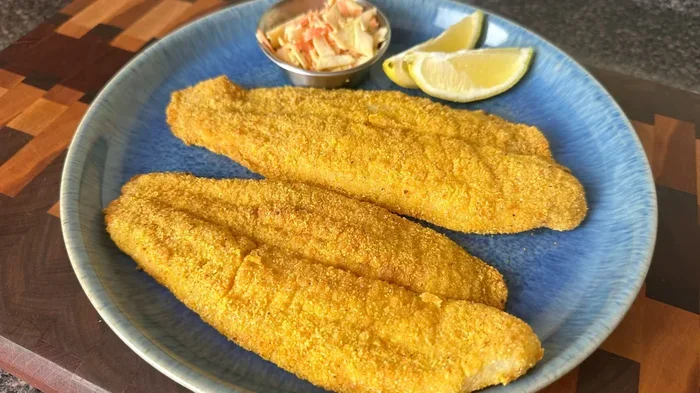
Featured image for air fryer catfish cooking
Image source: camirraskitchen.com
Yes, you can absolutely cook catfish in an air fryer, and the results are incredible. Air fryers create a crispy, golden-brown exterior while keeping the fish tender and flaky inside, all with little to no oil. This cooking method is faster than traditional frying, healthier, and much easier to clean up, making it a perfect choice for weeknight dinners.
If you’ve been wondering whether your air fryer can handle catfish, you’re in for a treat. This kitchen gadget has become a game-changer for home cooks everywhere, and it works wonders with one of America’s favorite freshwater fish. Let’s dive into everything you need to know about making perfect air fryer catfish that will have your family asking for seconds.
Key Takeaways
- Perfectly Safe and Delicious: Air fryers cook catfish beautifully, delivering a crispy outside and moist, flaky inside without the mess of deep frying.
- Healthier Alternative: Air frying uses up to 80% less oil than traditional frying, cutting significant calories and fat from your meal.
- Quick Cooking Time: Most catfish fillets cook in an air fryer in just 10-15 minutes at around 380-400°F (193-204°C).
- Versatile Seasoning Options: Catfish pairs well with everything from classic cornmeal breading to simple lemon pepper, making it easy to customize.
- No Preheating Required: While preheating helps, you can skip it in a pinch and still get great results with your catfish.
- Safe Internal Temperature: Catfish is fully cooked when it reaches an internal temperature of 145°F (63°C), which air fryers achieve easily.
- Beginner-Friendly Method: Air fryer cooking eliminates the dangers of hot oil splatter, making it much safer for novice cooks.
📑 Table of Contents
- The Basics of Air Fryer Catfish: Your Complete Guide
- Choosing and Preparing Your Catfish
- Seasoning and Breading Your Catfish
- Cooking Your Catfish Perfectly Every Time
- Troubleshooting Common Air Fryer Catfish Problems
- Serving and Storing Your Air Fryer Catfish
- Air Fryer Catfish: Final Thoughts and Tips
The Basics of Air Fryer Catfish: Your Complete Guide
Cooking catfish in an air fryer is not only possible but is quickly becoming the preferred method for many home chefs. The air fryer uses rapid hot air technology to create that satisfying crunch we all love about fried fish, without submerging your food in oil. Think of it as a small convection oven on your countertop, but much more efficient at making things crispy.
Why Air Frying Works So Well for Catfish
Catfish has a unique texture that’s both firm and tender, with a mild, slightly sweet flavor that takes to seasoning beautifully. The air fryer’s circulating hot air crisps up the coating while gently cooking the fish inside, similar to how wind dries clothes on a line, but with heat. This creates a beautiful contrast between the crunchy exterior and the moist, flaky interior that makes catfish so beloved.
The science behind this is pretty simple: when hot air surrounds the food from all directions, it creates what chefs call the Maillard effect, which is basically a fancy term for browning. This is what gives breaded foods their golden, appetizing color and complex flavor. Did you know that the Maillard reaction is the same process that makes toast turn golden brown? Your air fryer is essentially making really good, crispy toast all around your fish.
The Health Benefits You’ll Love
Traditional deep-fried catfish can soak up significant amounts of oil, sometimes adding 200+ extra calories per serving. Air frying slashes this dramatically. According to various health studies, air-fried foods typically contain 70-80% less fat than their deep-fried counterparts. That’s a massive difference when you’re trying to enjoy your favorite comfort foods without the guilt.
Catfish itself is a nutritional powerhouse. It’s packed with lean protein, omega-3 fatty acids, and vitamin B12. A 3-ounce serving of catfish provides about 15 grams of protein with only around 90 calories (when baked or air-fried). By choosing air frying over deep frying, you’re preserving these nutritional benefits while still enjoying that satisfying crispy texture.
Choosing and Preparing Your Catfish
Before you start cooking, you need to pick the right catfish and prepare it properly. This step makes the difference between good catfish and great catfish.
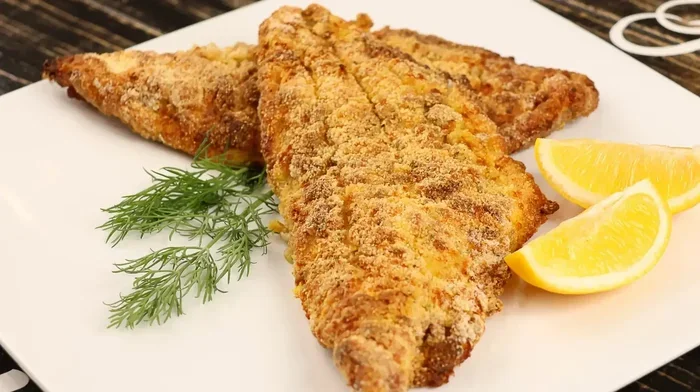
Visual guide about air fryer catfish cooking
Image source: soulfoodcooking101.com
Fresh vs. Frozen Catfish
Both fresh and frozen catfish work wonderfully in an air fryer, so don’t stress if you can only find frozen fillets. In fact, according to the National Fisheries Institute, catfish ranks as one of the top five most consumed fish in the United States, and much of it is sold frozen to preserve freshness during transport.
If using frozen catfish, here’s a simple trick: thaw it in the refrigerator overnight or run the sealed package under cold water for about 30 minutes. Never thaw fish at room temperature, as this can encourage bacterial growth. Once thawed, pat the fillets dry with paper towels. This step is crucial because moisture is the enemy of crispiness. Think of it like trying to paint a wet wall; the coating won’t stick properly.
Fresh catfish should smell clean and mild, like the ocean or a freshwater lake. If it has a strong “fishy” odor, it’s past its prime. Fresh fillets should be firm to the touch and have a translucent, slightly glossy appearance.
Types of Catfish You Can Use
Several catfish varieties work beautifully in an air fryer:
- Channel Catfish: The most common farm-raised variety in the US, with a mild flavor and firm texture.
- Blue Catfish: Slightly sweeter and often larger, with delicate white flesh.
- Flathead Catfish: Has a richer, more pronounced flavor that’s wonderful when air-fried.
- Farm-Raised Catfish: Widely available, sustainable, and consistently tender.
Should You Remove the Skin?
This is a matter of personal preference, but here’s the breakdown. Catfish skin is perfectly edible and contains healthy omega-3 fatty acids. When air frying, the skin can become pleasantly crispy, similar to how salmon skin chips are popular as a snack. However, some people prefer skinless fillets for a more delicate texture.
If you choose to keep the skin on, score it lightly with a sharp knife before cooking. This prevents the fish from curling up during cooking and helps the hot air circulate evenly. If you prefer skinless, simply ask your fishmonger to remove it, or slide a sharp knife between the skin and flesh at home.
Seasoning and Breading Your Catfish
The beauty of catfish is its versatility. It welcomes almost any seasoning or breading you throw at it. Here’s how to create that perfect coating.

Visual guide about air fryer catfish cooking
Image source: i.ytimg.com
Classic Cornmeal Breading
The Southern classic cornmeal coating is probably the most traditional way to prepare catfish, and it works incredibly well in an air fryer. The coarse texture of cornmeal creates extra crunch that air frying amplifies beautifully. To make this coating, you’ll need:
- 1 cup cornmeal (yellow or white, your choice)
- ¼ cup all-purpose flour
- 1 teaspoon salt
- 1 teaspoon black pepper
- ½ teaspoon paprika
- ½ teaspoon garlic powder
- Optional: pinch of cayenne pepper for heat
Mix all dry ingredients in a shallow bowl. This breading mixture creates what cooks call a “cracklin’ crust,” meaning it audibly crunches when you bite into it. It’s the kind of texture that makes a meal memorable.
Simple Seasoning Options
If you prefer something lighter than breading, catfish shines with simple seasonings too. Try these combinations:
- Lemon Pepper: Fresh lemon zest, cracked black pepper, and a touch of garlic.
- Cajun Spice: A blend of paprika, cayenne, thyme, oregano, and garlic powder.
- Herb Butter: Melted butter mixed with fresh herbs like dill, parsley, and chives.
- Old Bay Seasoning: A classic seafood blend that adds complex flavor with minimal effort.
The Three-Step Breading Process
For the crispiest coating, follow this foolproof method:
Step 1: Pat your catfish fillets completely dry with paper towels. Set up three bowls: one with all-purpose flour (seasoned with salt and pepper), one with beaten egg mixed with a tablespoon of milk, and one with your cornmeal mixture.
Step 2: Dredge each fillet first in flour, shaking off excess. Then dip it in the egg wash, making sure it’s fully coated. Finally, press it firmly into the cornmeal mixture, ensuring an even coat on all sides.
Step 3: Let the breaded fillets rest on a wire rack for 5 minutes before air frying. This resting time allows the coating to set, preventing it from falling off during cooking. It’s like letting paint dry before applying a second coat.
Light Oil Spray: The Secret Weapon
Here’s a pro tip that makes a huge difference: lightly spray or brush your breaded catfish with oil before air frying. Use an oil with a high smoke point like avocado oil, vegetable oil, or canola oil. You only need a thin layer, just enough to make the coating glisten slightly.
This small step helps the breading brown evenly and achieve that coveted crispy texture. Think of it as giving your fish a light suntan; just enough to turn golden, not so much that it burns.
Cooking Your Catfish Perfectly Every Time
Now comes the fun part: actually cooking your catfish. Air fryer cooking is straightforward once you understand the basics.
Temperature and Time Settings
For most air fryers, the sweet spot for cooking catfish is between 380°F and 400°F (193-204°C). This temperature range is hot enough to crisp the coating quickly while cooking the fish through without drying it out.
Here’s a general timing guide for catfish fillets:
- Thin fillets (½ inch thick): 8-10 minutes at 380°F
- Medium fillets (¾ inch thick): 10-12 minutes at 380°F
- Thick fillets (1 inch or more): 12-15 minutes at 380°F
- Whole small catfish: 15-20 minutes at 400°F
These times are starting points. Your specific air fryer may run slightly hotter or cooler, so adjust accordingly. The first time you make air fryer catfish, check it a minute or two before the recommended time to avoid overcooking.
The Flipping Question
Should you flip your catfish halfway through cooking? Yes, in most cases. Flipping ensures both sides get evenly crispy and brown. Gently flip the fillets using tongs about halfway through the cooking time. Be careful not to press down on the fish, as this can squeeze out moisture and make it dry.
Some newer air fryer models have features that eliminate the need for flipping, but if you’re unsure about your model, flipping is a safe bet for perfectly cooked fish.
Arrangement in the Basket
Don’t overcrowd your air fryer basket. This is the golden rule of air frying. If fillets are touching or overlapping, they’ll steam instead of crisping, leaving you with soggy breading. Cook in batches if necessary.
Arrange fillets in a single layer with at least half an inch of space between them. This allows the hot air to circulate freely around each piece, which is exactly what creates that all-around crispiness. Think of it like social distancing for your food; everyone needs their personal space.
How to Know When It’s Done
Catfish is safely cooked when it reaches an internal temperature of 145°F (63°C), according to the USDA. The flesh should be opaque and flake easily when tested with a fork. If you’re unsure, an instant-read thermometer is your best friend. Insert it into the thickest part of the fillet, avoiding bones if there are any.
Visual cues also help. Properly cooked air fryer catfish will be golden brown on the outside, with the breading looking crispy and set rather than pale and doughy. The fish should feel firm but still have a slight give when pressed gently, similar to how a perfectly cooked steak feels.
Troubleshooting Common Air Fryer Catfish Problems
Even with the best recipe, things can sometimes go sideways. Here’s how to fix common issues.
Problem: Breading Falls Off
If your coating is sliding off the fish, the most common culprit is moisture. Remember that pat-dry step we mentioned earlier? It’s essential. Also, make sure your fish is at room temperature before breading. Cold fish causes condensation, which makes the breading slide off.
Another fix: after breading, let the fillets rest for 5-10 minutes before air frying. This helps the coating adhere better. Some cooks even chill breaded fillets in the refrigerator for 15 minutes before cooking, which works wonders for adhesion.
Problem: Fish is Dry or Rubbery
Overcooking is the usual suspect here. Remember that fish continues cooking for a minute or two after you remove it from the air fryer, similar to how a steak keeps cooking after leaving the grill. Pull your catfish out when it’s just slightly underdone, and it will finish perfectly during resting.
Using thicker fillets also helps prevent dryness. Very thin fillets cook so quickly that they’re easy to overcook. If you only have thin fillets, reduce your cooking time by a few minutes and check them early.
Problem: Uneven Cooking
If some pieces are perfectly done while others are undercooked, overcrowding is likely the issue. Remember: single layer only, with space between pieces. Also, make sure your fillets are similar in size and thickness so they cook at the same rate.
Some air fryers have hot spots, so rotating the basket halfway through cooking can help. If your air fryer doesn’t have a rotating feature, simply shake the basket gently or rotate the fillets manually.
Problem: Not Crispy Enough
If your catfish is cooked through but lacks crispiness, you might need more oil spray on the coating. That thin layer of oil is what helps the breading achieve that perfect golden crunch. Also, make sure your air fryer is fully preheated before adding the fish.
Another tip: after the initial cooking time, add 1-2 extra minutes at a slightly higher temperature (around 400°F) to crisp up the coating without overcooking the fish inside.
Serving and Storing Your Air Fryer Catfish
Once your catfish is perfectly cooked, it’s time to enjoy it. But first, let’s talk about the best ways to serve and store this delicious dish.
Perfect Pairings and Serving Suggestions
Air fryer catfish pairs beautifully with countless side dishes. Here are some classic and creative options:
- Southern Classics: Hush puppies, coleslaw, collard greens, and cornbread.
- Healthy Options: Roasted vegetables, quinoa salad, or a fresh garden salad.
- Taco Night: Flake the catfish and serve in corn tortillas with cabbage slaw and lime crema.
- Po’ Boy Style: Pile it on a crusty roll with lettuce, tomato, pickles, and remoulade sauce.
- Simple Sides: Lemon wedges, tartar sauce, and roasted potatoes.
Did you know that catfish is the official state fish of four US states: Alabama, Arkansas, Kansas, and Mississippi? It’s deeply woven into Southern cuisine and culture, which is why you see so many traditional Southern sides paired with it.
Sauce and Condiment Ideas
The right sauce can elevate your catfish from good to unforgettable. Consider these options:
- Tartar Sauce: The classic fish accompaniment, made with mayonnaise, pickles, capers, and herbs.
- Remoulade: A zesty Creole sauce with paprika, mustard, and horseradish.
- Lemon Butter: Simply melted butter with fresh lemon juice and a pinch of parsley.
- Hot Sauce: A few dashes of your favorite Louisiana-style hot sauce.
- Cocktail Sauce: Ketchup mixed with horseradish and a squeeze of lemon.
How to Store Leftovers
If you have leftover catfish (which is rare because it’s so good!), proper storage keeps it fresh for later. Allow the catfish to cool completely, then place it in an airtight container in the refrigerator. It will stay fresh for up to 3 days.
For longer storage, you can freeze cooked catfish for up to 2 months. Wrap individual fillets in plastic wrap, then place them in a freezer-safe bag. This prevents freezer burn and makes it easy to grab just what you need.
Reheating Tips
Here’s the great news: you can reheat leftover catfish in your air fryer and it’ll taste almost as good as fresh. Set your air fryer to 350°F and heat for 3-4 minutes until warmed through and crispy again. Avoid microwaving leftover fried fish, as it tends to become soggy and rubbery. The air fryer is perfect for restoring that crispy texture.
Meal Prep Possibilities
Air fryer catfish is excellent for meal prep. Cook a batch on Sunday, and you have protein ready for salads, wraps, or quick dinners throughout the week. Flake the cooked fish and use it in fish tacos, pasta dishes, or grain bowls. It’s a versatile protein that makes healthy eating easy and delicious.
Air Fryer Catfish: Final Thoughts and Tips
Cooking catfish in an air fryer is one of those kitchen techniques that once you try it, you’ll wonder why you ever did it any other way. It’s faster, healthier, easier to clean up, and produces consistently delicious results. Whether you’re a seasoned cook or just learning your way around the kitchen, this method is virtually foolproof.
Quick Reference Recipe
Here’s a basic recipe to get you started:
Ingredients:
- 4 catfish fillets (about 6 ounces each)
- 1 cup cornmeal
- ¼ cup flour
- 1 teaspoon each: salt, pepper, paprika, garlic powder
- 2 eggs, beaten
- 2 tablespoons milk
- Cooking oil spray
Instructions:
- Preheat air fryer to 380°F for 3-5 minutes.
- Pat catfish fillets dry with paper towels.
- Mix cornmeal, flour, and seasonings in a bowl.
- Whisk eggs and milk in a separate bowl.
- Dredge fillets in seasoned flour, dip in egg wash, then coat with cornmeal mixture.
- Spray both sides of breaded fillets with oil.
- Place fillets in air fryer basket in a single layer.
- Cook for 10-12 minutes, flipping halfway through.
- Check internal temperature reaches 145°F.
- Let rest for 2 minutes before serving.
Why This Method is Worth Trying
If you’re still on the fence about air fryer catfish, consider this: Americans own over 40 million air fryers, and that number grows every year. People are discovering what a game-changer this appliance is for healthier cooking. Catfish is one of those foods that benefits enormously from air frying, and once you taste it, you’ll understand why this combination is so popular.
The air fryer democratizes good cooking. You don’t need to be a professional chef or have years of experience to create restaurant-quality catfish at home. With minimal ingredients, basic equipment, and about 15 minutes, you can have a meal that rivals anything you’d get at a seafood restaurant.
Experiment and Enjoy
Don’t be afraid to experiment with different seasonings, coatings, and cooking times. Every air fryer runs a little differently, so it might take a try or two to find your perfect setup. That’s part of the fun. Cooking is a journey, not a destination, and air fryer catfish is a wonderful stop along the way.
So yes, you absolutely can cook catfish in an air fryer, and you definitely should. Your taste buds, your waistline, and your easy-cleanup kitchen will all thank you. Give it a try tonight, and discover your new favorite way to enjoy this delicious, versatile fish.
Frequently Asked Questions
How long does it take to cook catfish in an air fryer?
Most catfish fillets cook in an air fryer in 10-15 minutes at 380°F to 400°F. Thinner fillets may be done in 8-10 minutes, while thicker pieces can take up to 15 minutes. Always check that the internal temperature reaches 145°F for safe consumption.
Do I need to thaw frozen catfish before air frying?
While you can cook frozen catfish in an air fryer (just add a few extra minutes), thawing first gives better results. Thaw overnight in the refrigerator or under cold running water for about 30 minutes, then pat completely dry before seasoning and breading.
What temperature should I set my air fryer for catfish?
The ideal temperature for air fryer catfish is between 380°F and 400°F. This range is hot enough to create a crispy exterior while cooking the fish through without drying it out. Lower temperatures won’t crisp the coating properly, while higher temperatures might burn the outside before the inside cooks.
Can I use wet batter instead of dry breading in an air fryer?
Wet batter doesn’t work well in air fryers because it tends to drip off and make a mess. Dry coatings like cornmeal, seasoned flour, or panko breadcrumbs work much better. For best results, use the three-step breading method: flour, then egg wash, then dry coating.
Is air fryer catfish as crispy as deep-fried catfish?
Air fryer catfish gets very crispy, though the texture is slightly different from deep-fried. Air-fried catfish has a lighter, more delicate crispness, while deep-fried has a heavier, more uniform crunch. Most people find air-fried catfish deliciously crispy, especially with proper oil spray and the right temperature.
How do I keep air fryer catfish from sticking to the basket?
To prevent sticking, thoroughly spray your air fryer basket with cooking oil before adding the fish. Don’t skip the light oil spray on the breaded fillets either, as this creates a non-stick surface. Avoid moving the fish too early; let it cook for at least 5-6 minutes before attempting to turn it, which allows the crust to set and release naturally.