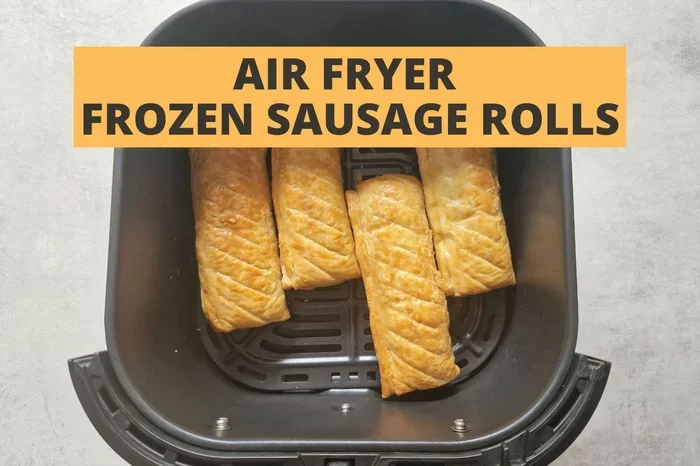
Featured image for Frozen meat in air fryer
Image source: lianaskitchen.co.uk
Yes, you can absolutely cook frozen meat in an air fryer! In fact, air fryers are one of the best kitchen tools for transforming frozen meat into crispy, juicy perfection without the long thawing process. By using the right temperature, timing, and a few simple safety tips, you can enjoy restaurant-quality meals straight from the freezer in a fraction of the time. This guide covers everything you need to know, from food safety guidelines to step-by-step cooking techniques for every type of frozen meat.
Picture this: you come home after a long day, the fridge is empty, and dinner feels like an impossible task. But wait, you remember that bag of frozen chicken breasts in the freezer. Instead of dreading the wait for them to thaw or settling for a soggy microwave meal, you reach for your air fryer. Within minutes, the kitchen fills with the mouthwatering aroma of perfectly cooked meat, crispy on the outside and tender on the inside.
Cooking frozen meat in an air fryer isn’t just a convenience hack. It’s a genuine cooking method that rivals, and often beats, traditional approaches. Air fryers use rapid hot air circulation to cook food evenly, which means frozen meat gets that coveted golden-brown crust without the greasy feel of deep frying. According to a 2023 report by the NPD Group, over 60% of American households now own an air fryer, and frozen meat preparation is among the top five uses for these appliances.
This comprehensive guide will walk you through everything you need to know about cooking frozen meat in an air fryer. You’ll discover the science behind why it works, the safest methods for different types of meat, exact cooking times and temperatures, and pro tips that will make you an air fryer champion. Whether you’re a busy parent, a college student, or simply someone who loves good food with less effort, this article is your ticket to stress-free, delicious frozen meat meals.
Key Takeaways
- No Thawing Needed: Air fryers are designed to cook frozen meat safely and efficiently, eliminating the need to plan ahead for thawing.
- Food Safety First: Always use a meat thermometer to ensure internal temperatures reach safe levels (165°F for poultry, 145°F for beef and pork).
- Preheating Matters: Preheating your air fryer for 3-5 minutes helps achieve even cooking and a crispy exterior.
- Avoid Overcrowding: Leave space between pieces so hot air can circulate properly around each item.
- Skip the Breading Prep: Unlike oven cooking, frozen breaded meats don’t need extra oil spray when cooked in an air fryer.
- Time-Saving Hero: Air fryers cut cooking time by 25-30% compared to conventional ovens for frozen meats.
- Versatility Wins: From chicken breasts to salmon filets, burgers to meatballs, nearly any frozen meat can be air fried beautifully.
📑 Table of Contents
- Why Air Fryers Are Perfect for Frozen Meat
- Food Safety: The Most Important Considerations
- Step-by-Step Guide to Air Frying Frozen Meat
- Specific Cooking Times and Temperatures for Popular Frozen Meats
- Pro Tips for Air Fryer Frozen Meat Mastery
- Common Mistakes to Avoid
- Frequently Asked Questions
- Final Thoughts: Embrace the Convenience
Why Air Fryers Are Perfect for Frozen Meat
You might be wondering, “What’s the big deal about cooking frozen meat in an air fryer?” The answer lies in the technology itself. Air fryers are essentially small, powerful convection ovens. They use a heating element and a fan to circulate extremely hot air around your food at high speeds. This creates a cooking environment that’s uniquely suited to handling frozen items.
The Science Behind Rapid Air Technology
When you place frozen meat in an air fryer, several things happen simultaneously that make it a superior method:
- Immediate Heat Transfer: The intense, circulating air begins cooking the outer layer right away, creating a protective sear that locks in juices.
- Even Cooking: Unlike microwaves that cook from the inside out (often leaving cold spots in frozen food), air fryers cook from all directions at once.
- Moisture Management: The rapid air flow helps moisture escape from the surface, giving you that crispy texture people love.
- Energy Efficiency: Air fryers preheat in about 3-5 minutes and cook faster than conventional ovens, saving both time and electricity.
Think of it like a convection oven on turbo mode. The same principles that make air fryers great for fresh foods become even more valuable when dealing with frozen items. The dry, intense heat quickly thaws the surface, seasons it, and begins creating a flavorful crust while the interior cooks through.
Why This Method Beats Other Approaches
Compare air frying to other common methods for cooking frozen meat:
- Microwave: Fast but often leaves meat rubbery or unevenly cooked. The texture suffers significantly.
- Conventional Oven: Takes 30-50% longer to cook frozen meat and doesn’t always produce as crispy a result.
- Stovetop: Requires thawing for most meats, and pan-frying frozen items often leads to steaming rather than searing.
- Slow Cooker: Not recommended for frozen meat due to food safety concerns about meat sitting in the “danger zone” temperature too long.
Did you know that the United States Department of Agriculture (USDA) recommends against slow cooking frozen meat specifically because it spends too much time at temperatures where bacteria thrive? Air fryers solve this problem by bringing food up to safe temperatures quickly.
Food Safety: The Most Important Considerations
Before we dive into specific cooking instructions, let’s address the critical topic of food safety. Cooking frozen meat in an air fryer is perfectly safe, but only when done correctly. Ignoring basic food safety principles can lead to foodborne illness, which affects roughly 48 million Americans each year according to the Centers for Disease Control and Prevention (CDC).
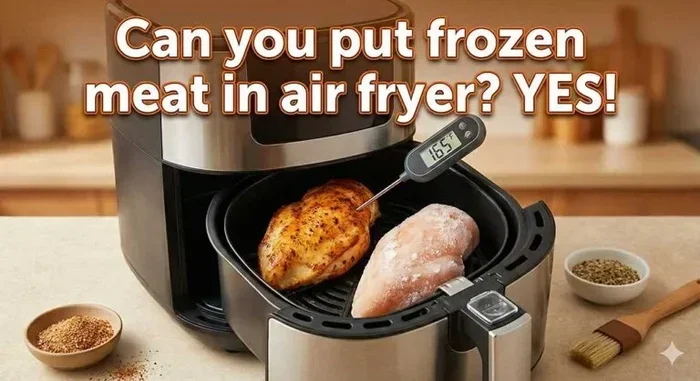
Visual guide about Frozen meat in air fryer
Image source: roundtheyear.com
Understanding the Temperature Danger Zone
Bacteria multiply rapidly between 40°F and 140°F (4°C to 60°C), a range food safety experts call the “Danger Zone.” The key to safe cooking is minimizing how long food spends in this temperature range. Air fryers excel at this because they bring frozen meat up to safe temperatures quickly.
Here’s a simple analogy: imagine your frozen meat is a block of ice in a warm room. If you just let it sit on the counter, the outside warms up while the inside stays frozen, creating perfect conditions for bacteria. An air fryer is like turning up the heat in that room to scorching levels, thawing and cooking everything rapidly so bacteria never get a chance to multiply.
Safe Internal Temperatures for Different Meats
Always use a reliable instant-read meat thermometer to verify doneness. Here’s what you’re aiming for:
- Chicken and Turkey: 165°F (74°C) – This is non-negotiable for poultry due to salmonella risk.
- Ground Meat (beef, pork, lamb): 160°F (71°C) – Ground meat needs higher temps because bacteria gets mixed throughout.
- Beef, Pork, Lamb, Veal (steaks, chops, roasts): 145°F (63°C) with a 3-minute rest time – Medium doneness at minimum.
- Fish and Seafood: 145°F (63°C) or until flesh flakes easily with a fork.
- Pre-cooked Frozen Meals: Follow package directions but verify they reach 165°F (74°C) throughout.
Visual Cues Aren’t Enough
One of the biggest mistakes people make is judging meat doneness by color alone. A 2021 study published in the Journal of Food Protection found that 25% of participants incorrectly identified undercooked chicken as done based on appearance. Color can be deceiving, especially with frozen meat where the exterior may brown before the interior is safe. A meat thermometer is your only reliable tool for ensuring safety.
Step-by-Step Guide to Air Frying Frozen Meat
Now that we understand the why, let’s master the how. The following process works for virtually any type of frozen meat you want to cook in your air fryer.
Step 1: Choose and Prepare Your Meat
Start by selecting your frozen meat. Whether it’s chicken breasts, salmon filets, burger patties, or meatballs, the process begins the same way. Remove the meat from any bulky packaging, but keep it in its original sealed bag or container until you’re ready to cook. This prevents cross-contamination with other foods.
There’s no need to rinse frozen meat before cooking. In fact, the USDA advises against rinsing raw meat because it can spread bacteria around your kitchen through splashing water. The cooking process will handle any surface bacteria.
Step 2: Preheat Your Air Fryer
Turn your air fryer to the target cooking temperature and let it preheat for 3-5 minutes. Most models have a preheat setting or you can simply run them empty for a few minutes. Preheating ensures the cooking environment is hot enough to immediately start crisping the exterior of your meat.
Think of preheating like warming up your car on a cold day. If you start driving immediately, the engine doesn’t perform optimally. Similarly, food placed in a cold air fryer won’t get that instant sear we want.
Step 3: Season or Prep (If Desired)
Unlike fresh meat, you won’t be able to rub seasonings into frozen meat because the surface is too hard. However, you can still add flavor in a few ways:
- Light Oil Spray: A quick mist of cooking oil helps seasonings stick and promotes browning.
- Pre-made Seasoning Blends: Sprinkle these on top after the first few minutes of cooking once the surface has thawed slightly.
- Marinades in a Bag: For thicker cuts, you can place frozen meat and marinade in a sealed bag and let it sit for 15-20 minutes to partially thaw and absorb flavor.
- Sauces and Glazes: Apply these in the last 2-3 minutes of cooking to avoid burning.
Step 4: Arrange and Cook
Place your frozen meat in the air fryer basket in a single layer, leaving space between pieces. Overcrowding is the enemy of good air frying. If you’re cooking for a crowd, work in batches rather than cramming everything in at once.
Set your temperature and time based on the type of meat (we’ll cover specific timings in the next section). Halfway through cooking, pause to flip or shake the basket. This ensures even browning on all sides.
Step 5: Check Temperature and Rest
When the timer goes off, insert your meat thermometer into the thickest part of the meat, avoiding bones and the basket. If it hasn’t reached the safe internal temperature, continue cooking in 2-3 minute increments until it does.
Once done, let the meat rest for 3-5 minutes before cutting or serving. This allows juices to redistribute throughout the meat. Cutting too early causes those flavorful juices to run out onto your plate instead of staying in the meat where they belong.
Specific Cooking Times and Temperatures for Popular Frozen Meats
Different meats have different needs. Here’s your complete reference guide for air frying common frozen meats. Remember that times can vary based on your specific air fryer model, the thickness of cuts, and how frozen the meat is. Always verify with a meat thermometer.
Frozen Chicken
Chicken is the most popular meat for air frying, and for good reason. It comes out incredibly juicy with a satisfyingly crispy exterior.
- Chicken Breasts (6-8 oz): 380°F for 25-30 minutes, flipping halfway
- Chicken Thighs (bone-in): 380°F for 25-35 minutes
- Chicken Wings: 400°F for 20-25 minutes, shaking the basket a few times
- Chicken Tenders/Strips: 400°F for 12-15 minutes
- Whole Chicken (3-4 lbs): 360°F for 45-60 minutes, checking temperature in the thickest part of the thigh
- Chicken Nuggets (frozen, breaded): 400°F for 8-12 minutes
Frozen Beef and Pork
Beef and pork cook beautifully in air fryers. The key is not overcooking them, especially leaner cuts.
- Burger Patties (1/4 pound): 380°F for 15-20 minutes, flipping once
- Steak (1-inch thick): 400°F for 12-18 minutes, depending on desired doneness
- Pork Chops (1-inch thick): 380°F for 20-25 minutes
- Pork Tenderloin: 400°F for 25-30 minutes
- Meatballs (1-inch): 380°F for 12-15 minutes
- Sausage Links: 380°F for 12-15 minutes
Frozen Fish and Seafood
Fish cooks quickly and delicately, making the air fryer an excellent choice. The fast cooking time prevents the fish from drying out.
- Salmon Filets: 400°F for 12-15 minutes
- Cod or White Fish: 400°F for 10-12 minutes
- Shrimp: 400°F for 8-10 minutes
- Fish Sticks/Fillets (breaded): 400°F for 8-10 minutes
- Scallops: 400°F for 8-10 minutes
Frozen Lamb and Game
These meats are less common but work wonderfully in air fryers. Cook them slightly less than you would beef, as they tend to dry out faster.
- Lamb Chops: 380°F for 12-18 minutes
- Venison Steaks: 400°F for 10-15 minutes for medium-rare
- Bison Burgers: 380°F for 15-20 minutes
Pro Tips for Air Fryer Frozen Meat Mastery
After cooking countless frozen meats in air fryers, certain techniques consistently produce the best results. These tips will elevate your air fryer game from good to great.
Tip 1: Don’t Skip the Flip
Flipping your meat halfway through cooking is crucial, especially for thicker cuts. The side facing the heating element will brown more than the other side. A simple flip ensures even browning on both sides. Set a timer when you start cooking so you don’t forget this important step.
Tip 2: Use the Right Accessories
Invest in a few key accessories that make air frying easier and more versatile. A perforated parchment paper liner designed for air fryers prevents sticking without blocking airflow. Silicone tongs with long handles keep your hands safe from heat. A quality instant-read meat thermometer is non-negotiable for food safety.
Tip 3: Manage Moisture Strategically
For very wet frozen foods, pat them dry with paper towels before air frying. Excess moisture creates steam, which works against the crisping process. For drier foods like chicken breasts, leaving a tiny bit of ice crystals can actually help keep the meat moist during cooking.
Tip 4: Create a Two-Temperature Cooking Method
For thick cuts like frozen steaks or chicken breasts, start at a lower temperature (around 320°F) for the first half of cooking to allow the interior to thaw and cook through, then increase to 400°F for the final minutes to create a beautiful crust. This mimics the sear-then-roast method used in professional kitchens.
Tip 5: Batch Cook for Meal Prep
Air fryers are perfect for meal prep. Cook several portions of frozen chicken breasts or ground meat patties at once, then use them throughout the week in salads, wraps, grain bowls, and pasta dishes. Properly stored in the refrigerator, cooked meat lasts 3-4 days.
Tip 6: Know When to Defrost Instead
While air fryers handle frozen meat beautifully, some situations call for thawing first. Very thick cuts (over 2 inches) benefit from partial thawing to ensure even cooking. Delicate fish like tuna or marinated meats that need flavor penetration also work better with at least partial thawing. A quick 15-30 minute thaw in cold water can make a big difference.
Common Mistakes to Avoid
Even experienced air fryer users can fall into these common traps. Learning from others’ mistakes saves you time, money, and disappointing meals.
Mistake 1: Cooking at Too Low a Temperature
It might seem like low and slow is the way to go, but with frozen meat, higher temperatures (generally 380-400°F) work better. The initial high heat helps evaporate ice crystals quickly and starts the browning process. Cooking at too low a temperature means the meat sits in moisture too long, leading to a pale, soggy exterior.
Mistake 2: Overlooking the Importance of Preheating
Skipping preheating is like trying to bake a cake in a cold oven. You’ll get inconsistent results. Those 3-5 minutes of preheating make a noticeable difference in texture and cooking time.
Mistake 3: Overcrowding the Basket
We’ve said it before, and it’s worth repeating: don’t overcrowd your air fryer basket. Air needs to circulate freely around each piece of meat. When you cram too much in, you end up with unevenly cooked, sad-looking food. Work in batches and keep the finished pieces warm in a low oven if needed.
Mistake 4: Forgetting to Check Internal Temperature
Every piece of meat is different. Frozen meat especially can have hot spots and cold spots. The only way to know for sure that your meat is safely cooked is to check it with a meat thermometer. Don’t guess, don’t assume, just check. It takes five seconds and protects your health.
Mistake 5: Using Cooking Spray Incorrectly
Aerosol cooking sprays like PAM can damage the non-stick coating on your air fryer basket over time. Instead, use a refillable oil mister or brush oil directly onto the food. If you must use aerosol spray, apply it to the food rather than spraying directly into the basket.
Frequently Asked Questions
Do I need to thaw frozen meat before air frying?
No, one of the biggest advantages of air fryers is that they can cook frozen meat directly without thawing. This saves significant time and planning. Just adjust your cooking time slightly longer than you would for thawed meat, and always verify doneness with a meat thermometer.
Is it safe to cook frozen meat in an air fryer?
Absolutely! Air fryers are actually a safer option than many other methods because the rapid hot air circulation brings frozen meat up to safe temperatures quickly, minimizing the time food spends in the bacterial danger zone. Just ensure your meat reaches the recommended internal temperature for its type.
How do I prevent frozen meat from sticking to the air fryer basket?
Lightly spray or brush the basket with oil before adding food, or use perforated parchment paper liners designed specifically for air fryers. Patting excess moisture off frozen meat also helps reduce sticking. Avoid using aerosol cooking sprays as they can damage the non-stick coating.
Can I air fry frozen meat that comes with sauce or marinade?
Yes, but apply the sauce in the last 2-3 minutes of cooking to prevent burning. If the meat is frozen with sauce in the package, pour off excess liquid before air frying to avoid a soggy result. You can always add fresh sauce after cooking for better flavor and presentation.
Why does my frozen meat come out dry in the air fryer?
Overcooking is the most common cause of dry meat. Air fryers cook faster than conventional methods, so start with less time than you think you need and check frequently. Using a meat thermometer prevents overcooking. Brining or marinating frozen meat (even briefly) also helps retain moisture.
Can I stack frozen meat in the air fryer?
It’s best to avoid stacking when possible, as it prevents proper air circulation and leads to uneven cooking. If you must cook in multiple layers, flip and rotate the pieces halfway through cooking. For best results, cook in a single layer, working in batches if needed.
Final Thoughts: Embrace the Convenience
Cooking frozen meat in an air fryer is one of those kitchen revelations that makes you wonder how you ever lived without it. The combination of speed, convenience, and outstanding results is hard to beat. Whether you’re a busy professional, a parent juggling a million tasks, or simply someone who appreciates good food with minimal effort, the air fryer is your new best friend in the kitchen.
The key takeaways are simple: always prioritize food safety by using a meat thermometer, preheat your air fryer, don’t overcrowd the basket, and experiment with different meats and seasonings to find your favorites. With these principles in mind, you’ll consistently produce restaurant-quality meals straight from the freezer.
As air fryer technology continues to evolve and more frozen meat products are designed with air fryer cooking in mind, the possibilities will only expand. From quick weeknight dinners to impressive weekend meals, your air fryer and freezer are the dynamic duo you never knew you needed. So go ahead, embrace the convenience, and enjoy delicious, perfectly cooked frozen meat any night of the week.